
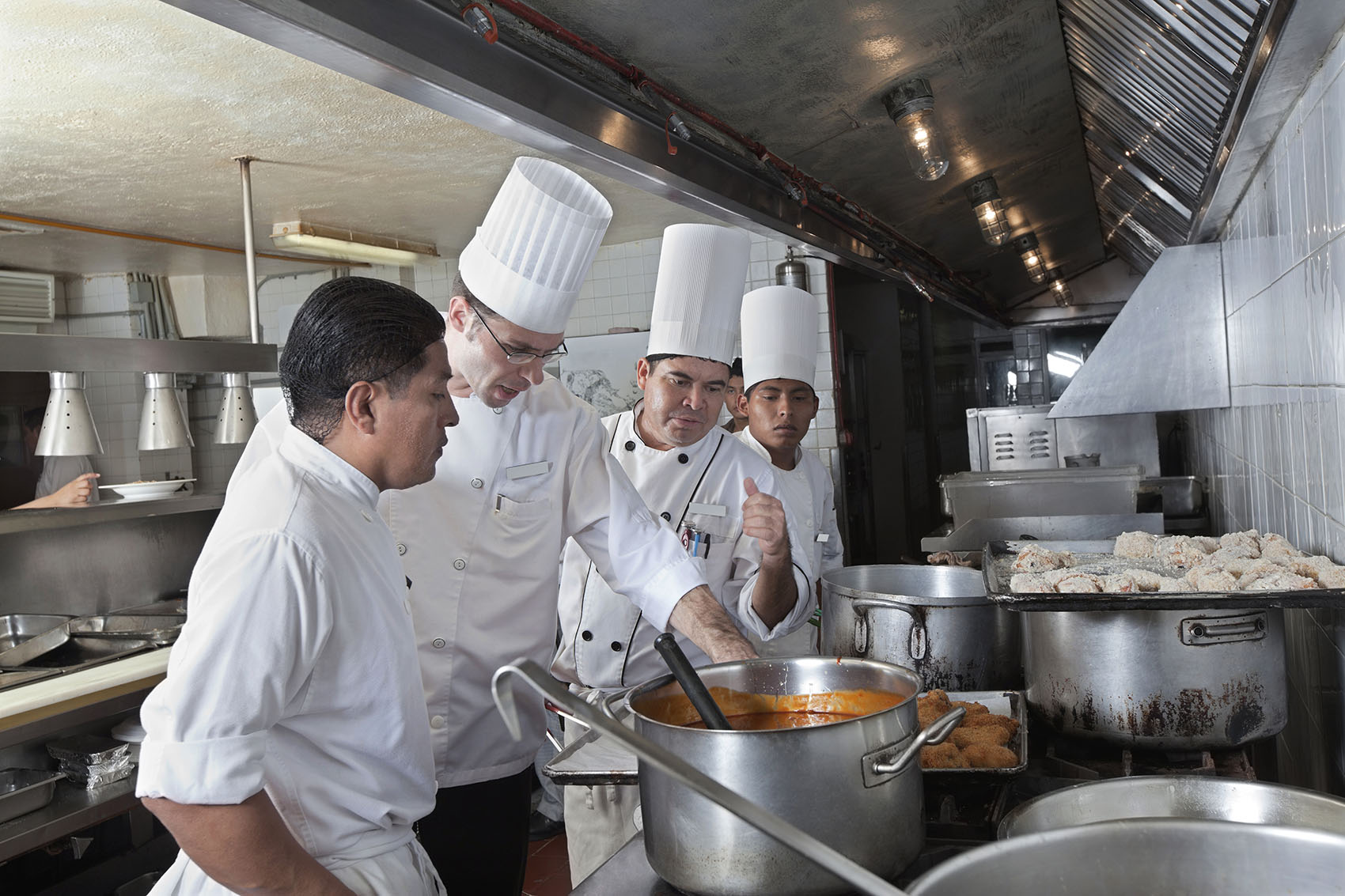
In the contemporary landscape of the hospitality industry, the question of “what a chef does” has evolved far beyond the confines of the kitchen line. Historically, a chef was a craftsman, a laborer hidden behind swinging doors, focused solely on the alchemy of heat and ingredients. Today, however, the role of a premier chef has shifted into the realm of brand strategy, corporate identity, and personal marketing. A chef is no longer just a cook; they are a Chief Creative Officer, a brand ambassador, and a storyteller.

To understand what a chef does in the 21st century is to understand the meticulous construction of a brand. Whether it is a Michelin-starred visionary or a social media culinary influencer, the modern chef operates at the intersection of sensory experience and strategic positioning. This article explores the multifaceted brand-building activities that define the professional life of a modern chef.
Beyond the Kitchen: The Chef as a Chief Creative Officer
In the world of high-level branding, a chef functions as the visionary lead for a complex lifestyle brand. The kitchen is merely the laboratory where the brand’s core values are tested and refined. What a chef “does” in this context is manage the creative direction of an entire ecosystem that includes interior design, service style, and guest experience.
Defining the Culinary North Star
Every successful brand needs a “North Star”—a guiding philosophy that dictates every decision. For a chef, this is their culinary POV (Point of View). A chef spends a significant portion of their time refining this identity. Are they the champion of forgotten heritage grains? Are they the disruptor of traditional French techniques using molecular gastronomy? This definition is not just about food; it is about brand positioning. By defining their North Star, a chef ensures that every plate served acts as a marketing touchpoint that reinforces their unique value proposition in a crowded market.
Storytelling Through the Plate
In brand strategy, storytelling is the mechanism that builds emotional resonance with the consumer. For a chef, the menu is the primary medium for this story. What a chef does is curate a narrative arc through a tasting menu or a curated selection of dishes. They are not just selling calories; they are selling a heritage, a specific moment in time, or a geographic journey. This narrative approach transforms a meal into a brand experience, allowing the chef to command premium pricing and foster deep brand loyalty among patrons who feel “connected” to the chef’s personal journey.
Strategic Positioning: Niche Selection and Market Differentiation
In the competitive world of global gastronomy, “being a good cook” is the baseline, not the differentiator. A chef’s true work involves identifying a market gap and positioning their brand to fill it. This requires a sophisticated understanding of consumer psychology and market trends.
The Farm-to-Table Narrative as a Brand Pillar
While “farm-to-table” started as a sourcing method, it has evolved into a powerful branding tool. A chef who focuses on this niche is doing the work of a supply-chain strategist and a transparency advocate. By building a brand around sustainability and localism, the chef taps into the values of the modern “conscious consumer.” What the chef does here is build a brand of trust. They vet suppliers not just for quality, but for how well those suppliers’ stories align with the chef’s own corporate identity.
Hyper-Specialization as a Competitive Advantage
Many modern chefs choose to do the opposite of “everything for everyone.” They embrace hyper-specialization—focusing on a single technique, a specific region, or even a single ingredient (like an all-mushroom concept or a wood-fired-only kitchen). From a brand perspective, this is a “Blue Ocean” strategy. By narrowing their focus, the chef eliminates direct competition and establishes themselves as the ultimate authority in that niche. This authority is the foundation of a “monopoly brand,” where the chef becomes the only logical choice for a specific type of experience.

The Multi-Channel Brand: Expanding the Culinary Footprint
A chef’s influence is no longer limited to the four walls of their restaurant. To build a sustainable personal brand, a chef must manage multiple channels of communication and revenue. This expansion is a core component of what a modern chef does to remain relevant and profitable.
Digital Presence and Visual Language
In the digital age, a chef is a content creator. The aesthetic of a chef’s Instagram feed is often as important as the aesthetic of their dining room. What a chef does in this space is manage a visual brand identity. They must ensure that the lighting, the plating, and the “vibe” of their digital content are consistent with their high-end brand. This digital footprint serves as the top of the marketing funnel, attracting international diners, media attention, and potential corporate partners. A chef who masters digital branding transforms their kitchen into a global stage.
Licensing, Merchandising, and Brand Extensions
Once a chef has established a strong personal brand, their role shifts toward brand extension. This involves taking the “essence” of their brand and applying it to other products. We see this in the form of bespoke knife lines, signature sauces in high-end grocers, or collaborations with luxury appliance brands. What the chef does here is leverage their “Brand Equity”—the perceived value of their name—to create passive income streams. This move from “service provider” to “brand licensor” is the ultimate transition for a successful modern chef, allowing the brand to exist independently of the chef’s physical presence in the kitchen.
Reputation Management: Building Trust in the High-Stakes Hospitality Market
In the world of branding, reputation is the only currency that truly matters. For a chef, maintaining this reputation involves constant vigilance and a commitment to excellence that goes beyond the stove.
Consistency as the Foundation of Brand Equity
A brand is a promise of a consistent experience. What a chef does, perhaps more than anything else, is design systems that ensure this consistency. Whether it is through rigorous training manuals, standardized recipes, or the implementation of strict quality control protocols, the chef is the guardian of the brand’s integrity. If a guest has a five-star experience on Tuesday but a three-star experience on Friday, the brand is broken. The chef’s job is to ensure that the “Brand Promise” is delivered perfectly, every single time, across every touchpoint.
Navigating Crisis and Critique
In the age of Yelp, TripAdvisor, and professional food critics, a chef must also be a PR strategist. Handling a negative review or a kitchen scandal requires a nuanced understanding of brand recovery. What a chef does in these moments is manage the narrative. They must decide when to defend their creative vision and when to pivot based on consumer feedback. Successful chefs use these challenges as opportunities to reinforce their brand values—demonstrating humility, a commitment to improvement, or a steadfast dedication to their unique style.
The Evolution of the Chef-Brand Relationship
Ultimately, what a chef does today is act as the bridge between the craft of cooking and the business of branding. The most successful chefs in the world—names like René Redzepi, Dominique Crenn, or David Chang—are recognized not just for their recipes, but for the distinct “Brand Universes” they have created.
They understand that in a world of infinite choices, consumers don’t just buy food; they buy into identities. The modern chef is the architect of that identity, meticulously crafting every detail to ensure that when a customer thinks of a specific experience, their brand is the only one that comes to mind. From the logo on the menu to the philosophy behind the ingredients, the chef is the ultimate brand strategist, proving that the most important tool in a modern kitchen isn’t a knife—it’s a clear, powerful, and authentic brand identity.
aViewFromTheCave is a participant in the Amazon Services LLC Associates Program, an affiliate advertising program designed to provide a means for sites to earn advertising fees by advertising and linking to Amazon.com. Amazon, the Amazon logo, AmazonSupply, and the AmazonSupply logo are trademarks of Amazon.com, Inc. or its affiliates. As an Amazon Associate we earn affiliate commissions from qualifying purchases.