
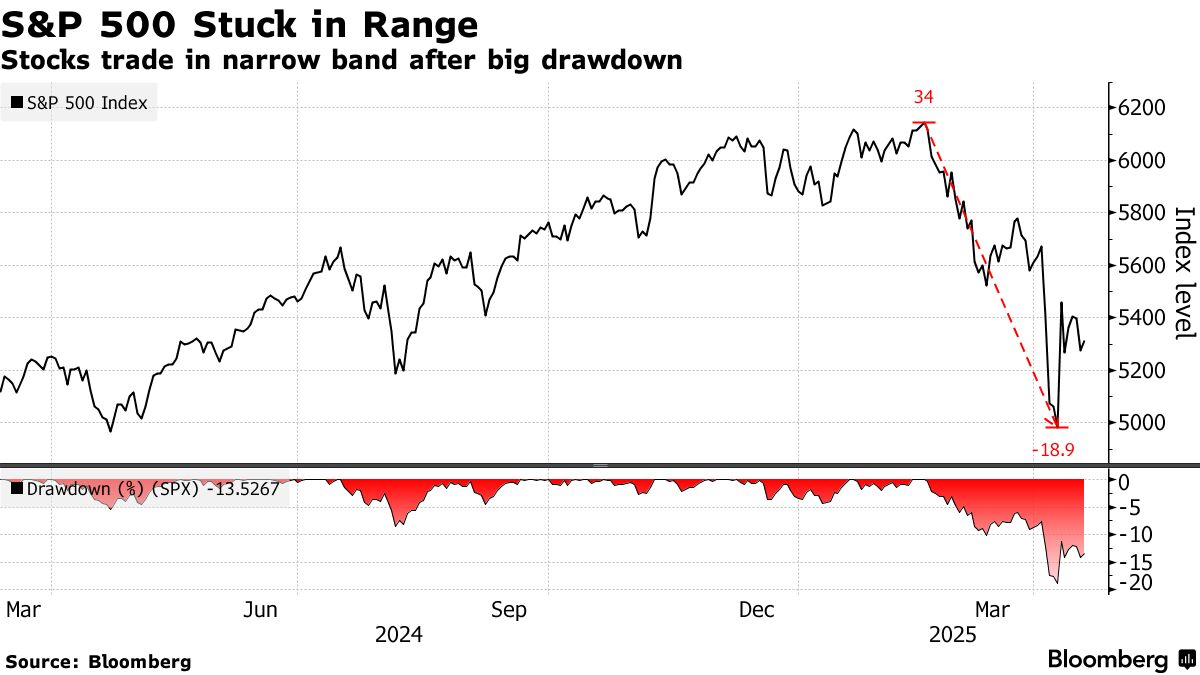
The question “how’s the stock market right now?” is perhaps the most frequent query in the world of finance, yet the answer is rarely a simple “good” or “bad.” In the current economic landscape, the stock market is a complex tapestry of record-breaking highs, underlying volatility, and shifting macroeconomic narratives. Investors are currently navigating a transition period where the aggressive interest rate hikes of the past two years are meeting a resilient labor market and a transformative wave of technological optimism.
To understand the state of the market today, one must look beyond the daily fluctuations of the S&P 500 or the Dow Jones Industrial Average. We must examine the mechanics of inflation, the psychology of the modern investor, and the structural shifts in how capital is being allocated across different asset classes.
Analyzing Key Market Indicators and Macroeconomic Drivers
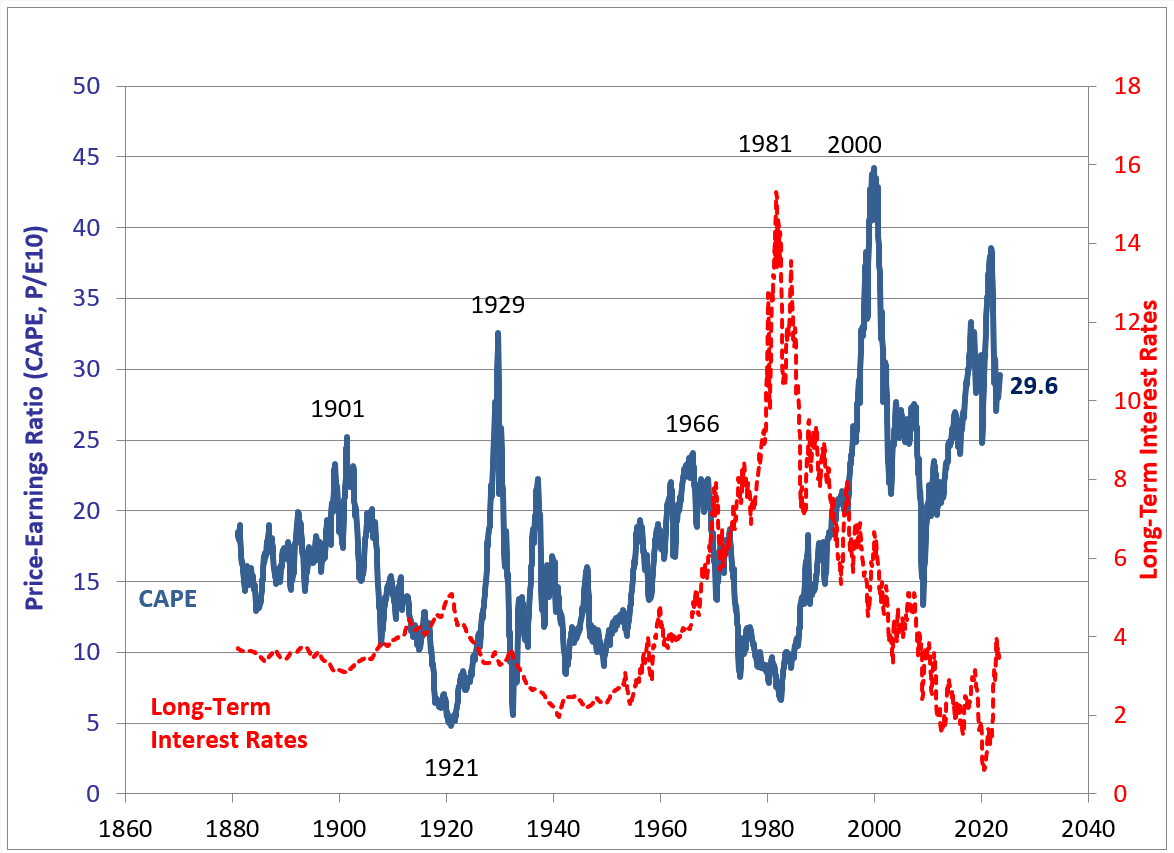
The primary lens through which we must view the current market is the relationship between inflation and central bank policy. For the better part of the last decade, markets were fueled by “cheap money”—low interest rates that encouraged borrowing and expansion. Today, the narrative has shifted toward “higher for longer,” as the Federal Reserve and other global central banks attempt to cool inflation without triggering a deep recession.
Inflation and the Federal Reserve’s Pivot
The shadow of inflation continues to loom over the markets. While the Consumer Price Index (CPI) has cooled significantly from its 2022 peaks, the “last mile” of reaching the 2% target remains stubborn. The stock market’s current health is largely tied to expectations of when the Federal Reserve will begin cutting interest rates. Lower rates generally benefit stocks by reducing borrowing costs for corporations and making the future cash flows of growth-oriented companies more valuable. Currently, the market is in a state of “data dependency,” where every employment report or inflation reading causes immediate ripples in equity prices.
Corporate Earnings and Profit Margins
Despite high interest rates, corporate America has shown remarkable resilience. A significant portion of the market’s current strength is driven by robust corporate earnings. Companies have managed to maintain, and in some cases expand, their profit margins by passing costs onto consumers and implementing aggressive cost-cutting measures, including layoffs in the corporate sector. When we ask how the market is doing, we are essentially asking how profitable the largest companies in the world are. Currently, the answer is that they are performing better than many analysts predicted during the height of the 2023 recession fears.
The Yield Curve and Fixed Income Competition
One cannot discuss the stock market without mentioning the bond market. For the first time in nearly two decades, “cash is not trash.” With short-term Treasury yields hovering at attractive levels, the stock market faces stiff competition for investor dollars. The inverted yield curve—a phenomenon where short-term debt pays more than long-term debt—has historically been a harbinger of recession. However, the market’s current performance suggests a “soft landing” may be possible, where inflation is tamed without a total economic collapse.
Sector Performance and the Concentration of Gains
A unique characteristic of the market right now is the disparity between different sectors. While the headline indices may be at or near all-time highs, many individual stocks remain well below their peaks. This “narrow breadth” is a critical factor for any investor to understand.
The Dominance of Growth and the “Magnificent Seven”
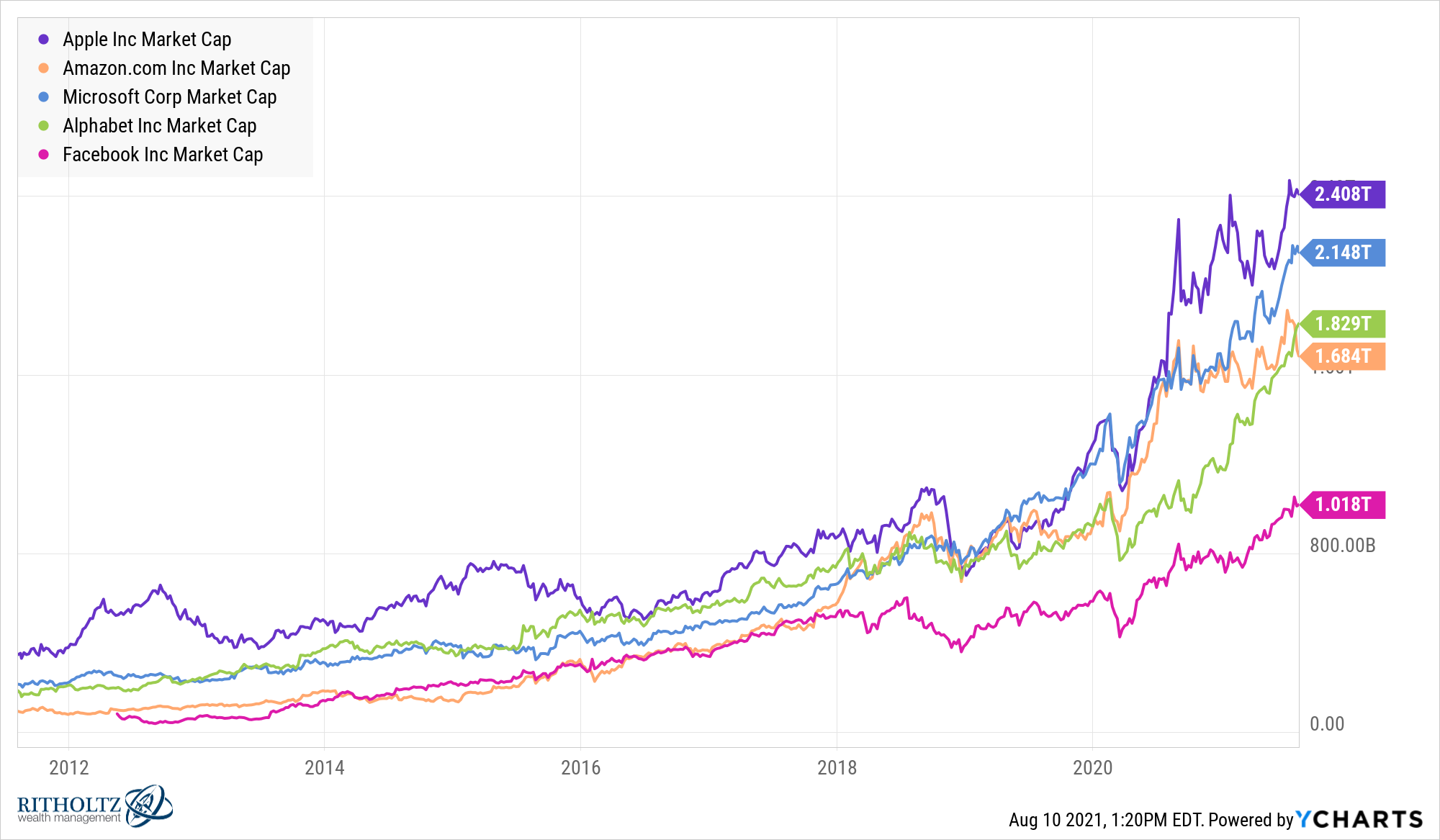
A handful of mega-cap stocks—often referred to as the “Magnificent Seven”—have been responsible for a disproportionate amount of the market’s gains. These companies are viewed as “quality” plays because they possess massive cash reserves, dominant market positions, and exposure to high-growth areas like Artificial Intelligence (AI). From a financial perspective, the market right now is bifurcated: there is the AI-driven tech sector, and then there is everything else. For an investor, this concentration presents a risk; if these giants stumble, they can pull the entire market down with them.
Defensive vs. Cyclical Sectors
While tech grabs the headlines, other sectors tell a different story. Defensive sectors, such as Utilities and Consumer Staples, have seen mixed performance as investors prioritize growth over dividends in a high-rate environment. Conversely, cyclical sectors like Industrials and Energy have shown flashes of strength, reflecting a global economy that refuses to stop growing. Understanding the market right now requires recognizing that while growth is winning, the underlying “plumbing” of the economy—energy and manufacturing—is still under pressure from global supply chain shifts and geopolitical tensions.
The Resurgence of Small-Cap Stocks
For much of the current cycle, small-cap stocks (represented by the Russell 2000) have lagged behind their larger counterparts. Small companies are typically more sensitive to interest rates because they often carry more debt and have less access to capital markets. However, as the market begins to price in future rate cuts, we are seeing signs of life in the small-cap space. This rotation is a healthy sign for the market, suggesting that the “rally” is broadening out beyond just the tech titans.
Strategic Asset Allocation in a Volatile Environment
Given the current state of the market, the traditional “buy and hold” strategy is being tested. Investors are increasingly looking at sophisticated ways to manage risk while still participating in the upside.
The Importance of Diversification and Risk Management
In a market dominated by a few large players, diversification has never been more important—or more difficult. Many “diversified” S&P 500 index funds are actually heavily weighted toward tech. To truly manage risk right now, investors are looking toward international markets, alternative assets, and fixed income to balance their portfolios. The goal is to ensure that a downturn in one specific sector (like a potential AI bubble burst) doesn’t wipe out a lifetime of savings.
Dollar-Cost Averaging vs. Market Timing
With the market at high valuations, many are afraid to “buy the top.” However, history shows that timing the market is nearly impossible. Professional financial advice right now heavily favors Dollar-Cost Averaging (DCA). By investing a fixed amount of money at regular intervals, investors buy more shares when prices are low and fewer when prices are high. In a market characterized by high volatility and “headline risk,” DCA remains the most effective tool for the average personal finance enthusiast to build wealth without the emotional stress of daily price swings.
Rebalancing and the Role of Cash
“How the market is” should dictate how you rebalance. If your tech stocks have grown significantly, they likely represent a larger percentage of your portfolio than you originally intended. Right now, many savvy investors are taking profits from their winners and moving that capital into undervalued sectors or keeping it in high-yield cash accounts. This “dry powder” allows them to be agile, providing the liquidity needed to buy the dip when the next inevitable market correction occurs.
Looking Ahead: Economic Outlook and Potential Headwinds
To conclude the assessment of the stock market right now, we must look at the “wall of worry” that the market is currently climbing. While the outlook is cautiously optimistic, several factors could shift the momentum in the coming months.
Geopolitical Influence and Global Trade
The stock market does not exist in a vacuum. Geopolitical tensions in the Middle East and Eastern Europe, along with the evolving trade relationship between the U.S. and China, create a backdrop of uncertainty. These factors influence oil prices, shipping costs, and global demand. For the financial markets, “geopolitical risk” often translates into sudden spikes in volatility. Investors are currently pricing in a certain level of stability, but any escalation could lead to a rapid “risk-off” environment where capital flees equities for the safety of gold or bonds.
The Impact of the Election Cycle
In the United States and several other major economies, election cycles play a significant role in market behavior. Historically, markets tend to be volatile leading up to an election as investors weigh the potential for changes in tax policy, regulation, and government spending. Right now, the market is beginning to speculate on how different political outcomes will affect specific industries, such as healthcare, green energy, and traditional manufacturing.
Consumer Health and the Debt Burden
Finally, the state of the market is inextricably linked to the state of the consumer. Consumer spending accounts for a massive portion of the U.S. GDP. While spending has remained resilient, credit card delinquencies are rising, and personal savings rates have dipped. If the consumer finally “breaks” under the pressure of high prices and debt, corporate earnings will suffer, and the stock market will likely follow.
In summary, the stock market right now is a portrait of resilience in the face of transition. It is a market driven by technological innovation and surprisingly strong corporate fundamentals, yet it is simultaneously tethered to the reality of high interest rates and global uncertainty. For the disciplined investor, it is a time of opportunity, provided that one maintains a long-term perspective, prioritizes diversification, and remains vigilant regarding the macroeconomic indicators that will define the next chapter of the financial markets.
aViewFromTheCave is a participant in the Amazon Services LLC Associates Program, an affiliate advertising program designed to provide a means for sites to earn advertising fees by advertising and linking to Amazon.com. Amazon, the Amazon logo, AmazonSupply, and the AmazonSupply logo are trademarks of Amazon.com, Inc. or its affiliates. As an Amazon Associate we earn affiliate commissions from qualifying purchases.