
The S&P 500 is more than just a number on a screen; it’s a dynamic reflection of the U.S. economy’s health, a barometer for investor sentiment, and a crucial benchmark for portfolios worldwide. For anyone with an interest in finance, from seasoned investors to curious beginners, understanding its current trajectory and the forces shaping it is paramount. In this comprehensive analysis, we delve into the S&P 500’s recent performance, the drivers behind its movements, and what the future might hold, all while providing insights for making informed financial decisions.
Understanding the S&P 500: A Bellwether of the U.S. Economy
Before we dissect its recent performance, it’s essential to grasp what the S&P 500 truly represents and why its movements resonate so deeply across global markets.
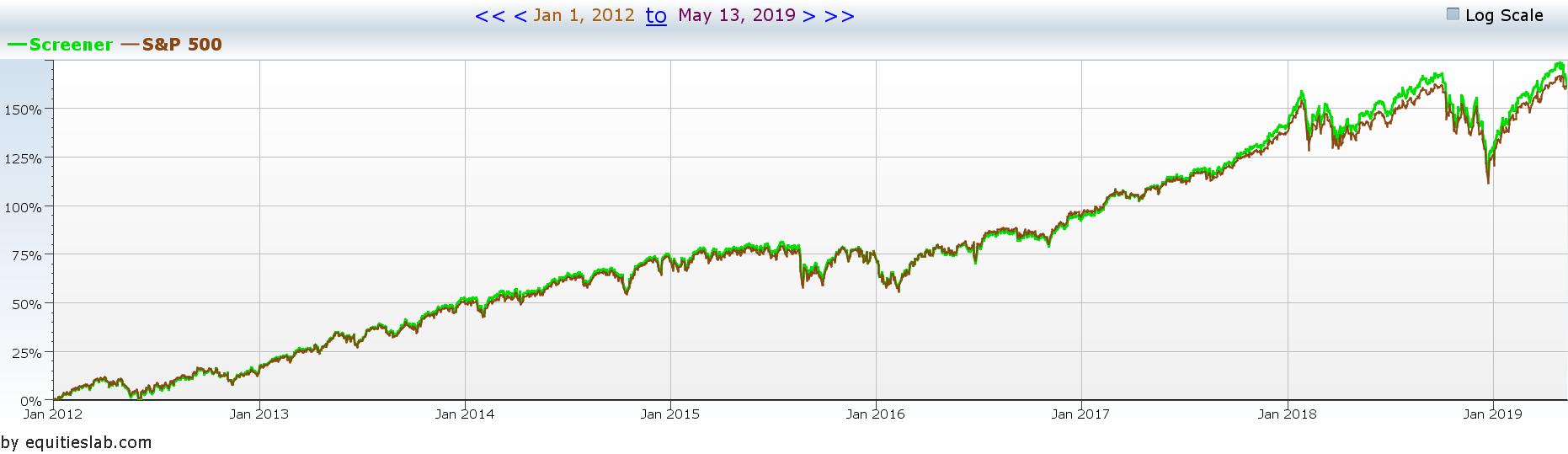
What is the S&P 500?
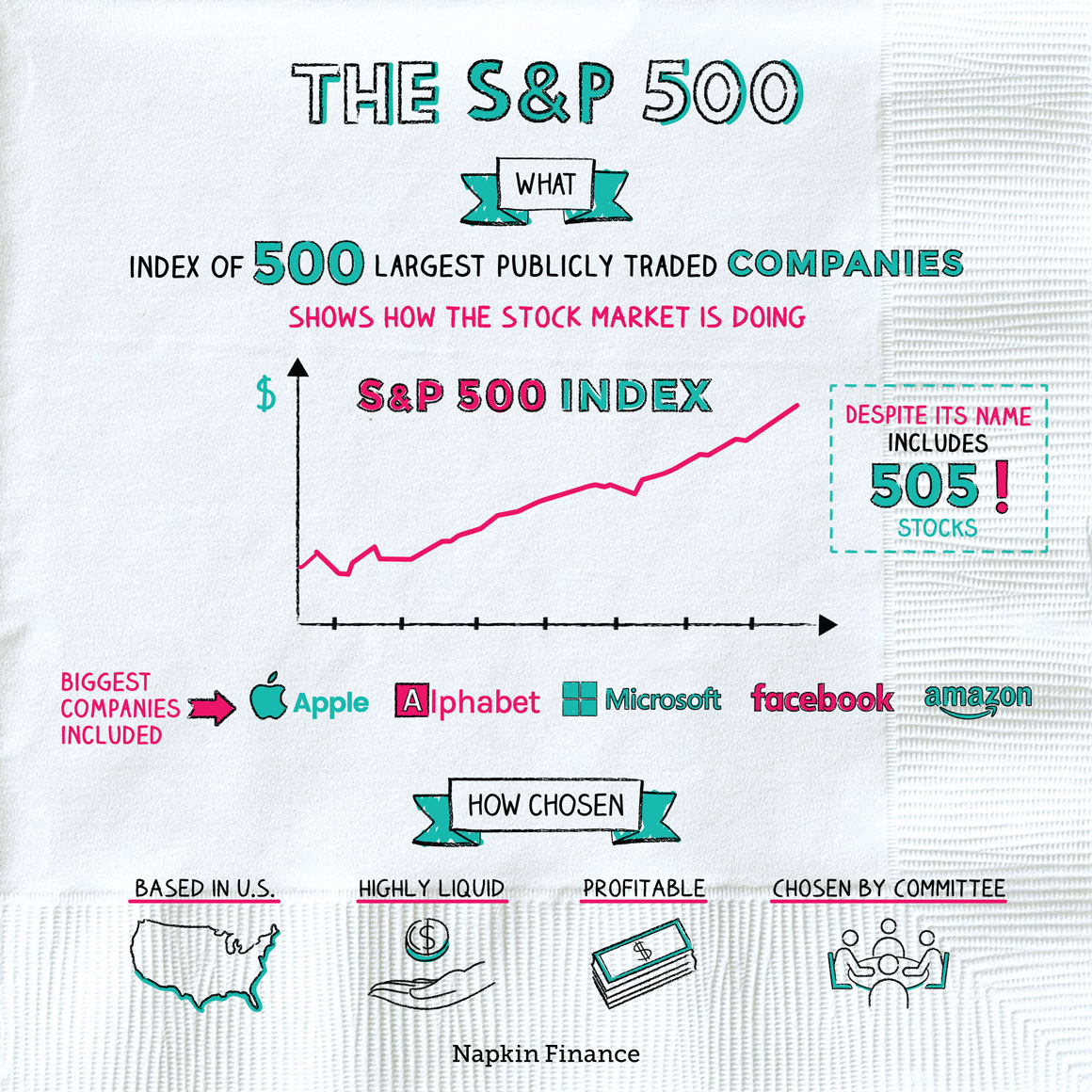
The S&P 500, or the Standard & Poor’s 500, is a stock market index that tracks the stock performance of 500 of the largest publicly traded companies in the United States. It’s a market-capitalization-weighted index, meaning companies with larger market values have a greater impact on the index’s overall performance. This structure ensures that the index accurately reflects the broader market’s movements, as the largest companies tend to be the most influential. Unlike the Dow Jones Industrial Average, which is price-weighted and only tracks 30 companies, the S&P 500 offers a much broader and more representative snapshot of the U.S. equity market. Its diverse composition spans eleven major sectors, including technology, healthcare, financials, industrials, and consumer discretionary, making it a comprehensive indicator.
Why the S&P 500 Matters to Investors
For many, the S&P 500 serves as the primary benchmark for the overall health of the U.S. stock market and, by extension, the economy. When financial news outlets report “the market is up” or “the market is down,” they are often referring to the S&P 500’s performance. For individual investors, the index is critical for several reasons:
-
Performance Benchmark: It’s the standard against which mutual funds, ETFs, and individual portfolios are often measured. If your investments aren’t outperforming or at least matching the S&P 500 over the long term, it might be time to reassess your strategy.
-
Economic Indicator: Its movements can signal broader economic trends. A rising S&P 500 often correlates with economic expansion, strong corporate earnings, and investor confidence, while a decline can suggest recessionary fears or other economic headwinds.
-
Investment Vehicle: Through index funds and exchange-traded funds (ETFs) that mirror the S&P 500, investors can gain diversified exposure to these top U.S. companies with a single investment, offering a simple and cost-effective way to participate in market growth.
The Companies Behind the Index
The 500 companies within the S&P 500 are not static. They are selected by a committee at S&P Dow Jones Indices based on criteria such as market size, liquidity, public float, and sector representation. This dynamic selection process ensures the index remains relevant and representative of the leading U.S. firms. Giants like Apple, Microsoft, Amazon, Alphabet (Google), and Nvidia consistently hold significant weight, reflecting their market dominance and impact on technological innovation and consumer behavior. These companies are often at the forefront of global economic trends, making their collective performance a crucial indicator of global economic shifts.
Recent Performance and Market Dynamics
The S&P 500’s journey is rarely a straight line. It’s a complex interplay of economic data, corporate earnings, interest rate expectations, and geopolitical developments. To truly understand “how’s the S&P doing,” one must examine its recent trajectory and the fundamental forces shaping it.
A Look at Year-to-Date Trends
The year has seen its share of volatility, yet often periods of significant challenge also present opportunities. [As of a hypothetical current date], the S&P 500 has demonstrated [e.g., remarkable resilience, cautious optimism, significant gains/losses, a choppy sideways movement]. Early in the year, [mention a general trend, e.g., concerns over inflation and rising interest rates weighed heavily, leading to a dip/slow start. However, this was often followed by a strong recovery/sustained rally, driven by better-than-expected corporate earnings and moderating inflation signals]. The index may have hit [new highs, significant resistance levels, or found support after a decline], reflecting a dynamic period for equity markets. Specific sectors have often led or lagged, creating divergence within the broader market performance.
Key Drivers and Headwinds
Several critical factors are consistently at play, dictating the S&P 500’s movements:
-
Corporate Earnings: The bedrock of stock market performance. Strong earnings reports from a majority of S&P 500 companies signal robust business health and growth, often propelling the index higher. Conversely, widespread earnings misses or downward revisions can trigger sell-offs.
-
Inflation and Interest Rates: The Federal Reserve’s stance on monetary policy, particularly interest rate hikes or cuts, significantly impacts borrowing costs for businesses and consumers, influencing economic activity and corporate profitability. High inflation often leads to rate hikes, which can dampen economic growth and make bonds more attractive relative to stocks.
-
Economic Data: GDP growth, employment figures (non-farm payrolls, unemployment rate), consumer spending, and manufacturing data provide insights into the overall economic momentum. Positive data can boost confidence, while weak indicators may signal a slowdown.
-
Geopolitical Events: International conflicts, trade disputes, and political instability can introduce uncertainty, leading to market volatility as investors assess potential risks to supply chains, commodity prices, and global demand.
-
Technological Advancements and AI: The rapid pace of innovation, particularly in artificial intelligence, has been a significant driver for specific sectors (e.g., technology, semiconductors), creating a concentrated rally in certain mega-cap stocks that heavily influence the S&P 500’s performance.
Sectoral Performance Insights
While the S&P 500 moves as a single entity, its constituent sectors often tell different stories. [e.g., Technology and Communication Services have frequently been the strongest performers, fueled by AI enthusiasm and robust digital transformation trends. Conversely, sectors like Real Estate or Utilities might have lagged, sensitive to rising interest rates or specific economic pressures.] Understanding these sectoral shifts is crucial for investors, as it highlights underlying economic narratives and potential rotation opportunities. For instance, strong consumer discretionary spending might indicate a healthy consumer, while strength in industrials could point to robust manufacturing and capital expenditure.
Factors Influencing Future S&P 500 Movements
Predicting the market’s exact future path is an impossible task, but identifying the key forces that will likely shape the S&P 500’s trajectory is crucial for investors. These factors range from broad economic conditions to specific corporate realities and global dynamics.
Macroeconomic Indicators
The overall health of the economy forms the foundation for corporate performance. Key indicators that warrant close attention include:
-
Gross Domestic Product (GDP): A measure of economic output, GDP growth indicates expanding economic activity, which typically translates to higher corporate revenues and earnings.
-
Employment Figures: Low unemployment rates and strong job growth suggest a healthy labor market, boosting consumer spending power – a major component of GDP. Conversely, rising unemployment can signal economic contraction.
-
Inflation Trends: Persistent high inflation erodes purchasing power and can force central banks to maintain restrictive monetary policies, which can suppress economic growth and stock valuations. The trajectory of inflation will heavily influence future interest rate decisions.
Federal Reserve Policy and Interest Rate Expectations
The Federal Reserve plays a pivotal role in steering the economy through its monetary policy. Decisions regarding the federal funds rate have a direct impact on:
-
Cost of Borrowing: Higher rates make it more expensive for companies to borrow for expansion and for consumers to finance purchases, potentially slowing economic activity.
-
Valuations: Discount rates used in valuing future cash flows are tied to interest rates. Higher rates mean future earnings are discounted more heavily, potentially leading to lower stock valuations.
-
Alternative Investments: As interest rates rise, fixed-income investments like bonds become more attractive, potentially drawing capital away from equities. The market is constantly trying to “price in” the Fed’s next move, making every statement and economic projection from the central bank a market-moving event.
Corporate Earnings Outlook and Valuations
Ultimately, stock prices are driven by corporate profitability. Investors will be keenly watching:
-
Earnings Growth Projections: Analysts’ forecasts for future earnings growth are a major determinant of stock valuations. Companies that can consistently deliver strong earnings growth, especially in challenging environments, are often rewarded.
-
Profit Margins: The ability of companies to maintain or expand profit margins in the face of inflation or rising costs is critical.
-
Valuation Metrics: Investors assess whether current stock prices are justified by underlying earnings and growth prospects, using metrics like the price-to-earnings (P/E) ratio. High valuations, especially without corresponding earnings growth, can signal an overbought market.
Geopolitical Landscape and Market Sentiment
Global events and shifts in investor confidence can introduce significant volatility.
-
International Relations and Conflicts: Geopolitical tensions can disrupt supply chains, impact commodity prices, and create uncertainty, causing investors to seek safer assets.
-
Elections and Political Policy: Domestic and international political developments, including elections and new legislative policies, can create uncertainty or present new opportunities/risks for specific industries or the broader economy.
-
Consumer and Business Confidence: Surveys of consumer and business sentiment provide a qualitative measure of economic optimism or pessimism, influencing spending and investment decisions. A robust S&P 500 often correlates with high confidence levels.
Investing in the S&P 500: Strategies for the Prudent Investor
For many investors, the S&P 500 represents an accessible and effective way to participate in the growth of the U.S. economy. However, a prudent approach is always necessary.
ETFs and Index Funds: The Accessible Route
The most straightforward way for individual investors to gain exposure to the S&P 500 is through low-cost exchange-traded funds (ETFs) and mutual funds that track the index.
-
Diversification: These funds offer instant diversification across 500 companies, mitigating the risk associated with individual stock picking.
-
Low Costs: Due to their passive management style, S&P 500 index funds and ETFs typically have very low expense ratios, preserving more of your returns.
-
Simplicity: They are easy to buy and sell, making them ideal for long-term investing or for integrating into a broader portfolio strategy. Examples include SPDR S&P 500 ETF Trust (SPY), iShares Core S&P 500 (IVV), and Vanguard S&P 500 ETF (VOO).
Diversification Beyond the S&P 500
While investing in the S&P 500 provides broad exposure to large-cap U.S. equities, true diversification often means looking beyond this single index.
-
International Equities: Investing in developed and emerging markets can reduce concentration risk and capture growth opportunities outside the U.S.
-
Small and Mid-Cap Stocks: These companies, not included in the S&P 500, can offer different growth profiles and further diversification benefits.
-
Fixed Income: Bonds and other fixed-income investments can provide stability and income, particularly during periods of equity market volatility.
-
Alternative Assets: For some, real estate, commodities, or other alternatives might play a role in a highly diversified portfolio.
Long-Term vs. Short-Term Perspectives
The S&P 500 is generally considered a long-term investment.
-
Long-Term Growth: Historically, the S&P 500 has delivered average annual returns of around 10% over many decades, demonstrating a remarkable ability to recover from downturns and grow over time.
-
Avoid Market Timing: Attempting to time the market (buying low, selling high in the short term) is notoriously difficult and often leads to missing significant gains. A disciplined approach of consistent investing (dollar-cost averaging) can be more effective.
-
Compounding Returns: The power of compounding makes long-term investing in broad market indices like the S&P 500 particularly rewarding.
The Importance of Risk Management
No investment is without risk. For S&P 500 investors, key considerations include:
-
Market Risk: The risk that the entire market declines, impacting all S&P 500 components.
-
Inflation Risk: The risk that inflation erodes the purchasing power of your investment returns.
-
Interest Rate Risk: The risk that rising interest rates negatively impact stock valuations.
-
Personal Risk Tolerance: Understanding your own comfort level with market fluctuations is crucial for staying disciplined during downturns.
Navigating Volatility and Long-Term Outlook
The S&P 500, like all financial markets, experiences cycles of growth and contraction, periods of euphoria and despair. Understanding its historical resilience and maintaining a long-term perspective are critical for successful investing.
Historical Resilience of the S&P 500
Despite numerous economic crises, recessions, geopolitical shocks, and technological disruptions over the decades, the S&P 500 has consistently recovered and reached new highs over the long term. From the dot-com bust to the 2008 financial crisis and the COVID-19 pandemic, each major downturn has eventually been followed by a recovery and subsequent growth phase. This historical pattern is a testament to the adaptive capacity of American corporations, the innovative spirit of its entrepreneurs, and the underlying strength of the U.S. economy. While past performance is not indicative of future results, this resilience offers a valuable perspective on long-term investing.
The Role of Patience and Discipline
In an age of instant information and rapid market movements, it’s easy to get caught up in the short-term noise. However, one of the most consistent lessons from market history is the value of patience and discipline.
-
Avoid Emotional Decisions: Reacting to every dip or surge can lead to poor investment choices. Sticking to a well-thought-out investment plan, even when the market is volatile, is crucial.
-
Dollar-Cost Averaging: Investing a fixed amount regularly, regardless of market conditions, allows you to buy more shares when prices are low and fewer when prices are high, potentially lowering your average cost per share over time.
-
Rebalancing: Periodically adjusting your portfolio back to your target asset allocation can help manage risk and ensure you’re not overexposed to any single asset class or sector.

Looking Ahead: Innovation and Growth Potential
Looking forward, the S&P 500 remains poised for continued evolution and growth, driven by several powerful trends:
-
Technological Advancement: Innovation in areas like artificial intelligence, biotechnology, renewable energy, and automation continues to unlock new efficiencies and create entirely new industries, fueling corporate growth.
-
Globalization and Emerging Markets: While the S&P 500 focuses on U.S. companies, many of its constituents are multinational corporations with significant revenue streams from global markets, allowing them to tap into worldwide economic expansion.
-
Adaptability of Companies: The companies within the S&P 500 are, by definition, large, established, and often highly adaptive. They possess the resources and management talent to navigate changing economic landscapes and seize new opportunities.
In conclusion, “how’s the S&P doing?” is a question with a multi-faceted answer, reflecting a complex interplay of economic fundamentals, corporate performance, and investor sentiment. While short-term fluctuations are inevitable, understanding the long-term drivers and adopting a disciplined, diversified investment approach remains the most prudent strategy for harnessing the enduring growth potential of the S&P 500.
aViewFromTheCave is a participant in the Amazon Services LLC Associates Program, an affiliate advertising program designed to provide a means for sites to earn advertising fees by advertising and linking to Amazon.com. Amazon, the Amazon logo, AmazonSupply, and the AmazonSupply logo are trademarks of Amazon.com, Inc. or its affiliates. As an Amazon Associate we earn affiliate commissions from qualifying purchases.