
In an increasingly digitized world, the landscape of entertainment has dramatically shifted, with streaming services challenging the long-held dominance of traditional cable television. Among the myriad of options available, YouTube TV stands out as a prominent player in the live TV streaming arena, offering a compelling alternative for those looking to cut the cord without sacrificing access to their favorite channels. However, for the financially savvy consumer, the primary question isn’t just about what YouTube TV offers, but precisely “how much is YouTube TV?” This isn’t merely a question of its sticker price, but a deeper inquiry into its overall financial value, the true cost when all factors are considered, and how it aligns with personal finance goals.
This article will embark on a comprehensive financial analysis of YouTube TV, dissecting its pricing structure, exploring potential hidden costs, comparing its value against traditional cable and other streaming services, and ultimately providing actionable insights for optimizing your entertainment budget. For anyone considering YouTube TV, understanding its monetary implications is paramount to making an informed decision that aligns with their financial well-being.
Unpacking the Base Subscription Cost: What You Get for Your Money
At the heart of any financial decision lies the baseline cost. YouTube TV, like many subscription services, presents a primary monthly fee that serves as the entry point to its ecosystem. Understanding this core charge, and what it encompasses, is the crucial first step in evaluating its financial proposition.
The Core Plan: Features and Inclusions
The foundational YouTube TV subscription is designed to offer a robust alternative to cable, bundling a significant number of popular live TV channels into a single package. Typically, this base plan includes access to over 100 channels, spanning news, sports, entertainment, and local broadcasts, depending on geographic availability. From a financial perspective, the value here lies in the sheer volume and diversity of content. Instead of paying for multiple niche streaming services, YouTube TV aims to consolidate a broad spectrum of viewing needs.
Beyond the channel lineup, the base plan also includes unlimited cloud DVR storage, a feature that significantly enhances its financial appeal. Unlike cable providers that often charge extra for DVR capabilities or limit storage capacity, YouTube TV’s approach means users can record as many shows as they want, keeping them for up to nine months, all without an additional fee. This eliminates equipment rental costs often associated with physical DVR boxes from cable companies, representing tangible monthly savings. Furthermore, the ability to stream on up to three devices simultaneously and create up to six individual user accounts means a single subscription can serve an entire household, effectively distributing the per-person cost and maximizing the financial utility of the service. These inclusions, at the base price, position YouTube TV as a strong contender for financial efficiency when compared to the often fragmented and feature-limited offerings of traditional pay-TV.
Introductory Offers and Promotions: Saving Strategies
For many new subscribers, the initial outlay for YouTube TV might be softened by introductory offers and promotional pricing. These often come in the form of discounted rates for the first one to three months, or bundles that include free trials of premium add-ons. From a personal finance perspective, these promotions are an excellent opportunity to test the service’s fit with one’s viewing habits and budget without committing to the full price immediately.
However, financial prudence dictates understanding the terms and conditions of such offers. The “sale price” is temporary, and the full standard rate will apply once the promotional period ends. It’s critical to factor this eventual increase into your long-term budget planning. Utilizing these offers smartly involves setting calendar reminders for when the discount expires, allowing time to re-evaluate the service’s value at its full price. For some, it might be a strategy to jump between services during promotional periods, though this requires careful tracking and management to avoid incurring unintended costs. Ultimately, introductory offers provide short-term financial relief and a low-risk entry point, but they should not overshadow the need for a comprehensive understanding of the service’s sustained financial commitment.
Beyond the Basics: Understanding Add-ons and Hidden Costs
While the base subscription forms the bedrock of YouTube TV’s cost, the service, much like traditional cable, offers numerous avenues for customization and enhancement through add-ons. These optional features can significantly escalate the monthly bill, making it imperative for budget-conscious consumers to scrutinize them carefully.
Premium Add-ons: Expanding Your Entertainment Budget
YouTube TV provides a marketplace of premium add-on channels, allowing subscribers to tailor their content library with popular services like Max (formerly HBO Max), Showtime, Starz, Cinemax, and more. These are typically billed separately on top of the base subscription. Each add-on carries its own monthly fee, ranging from a few dollars to upwards of $15-$20 for individual services. While they offer exclusive movies, series, and live content, their cumulative cost can quickly rival or even exceed the price of the base YouTube TV subscription itself.
From a financial standpoint, the decision to subscribe to premium add-ons should be a deliberate one. Consumers must weigh the perceived value of the content against its incremental cost. Is a particular show or movie collection worth the extra monthly expense? Often, these same premium channels can be subscribed to independently of YouTube TV. Comparing these standalone prices against YouTube TV’s integrated offerings is a smart financial move. Furthermore, many of these services offer their own free trials, allowing for a cost-free evaluation before committing to the YouTube TV add-on. Prudent budgeting suggests prioritizing core entertainment needs before incrementally adding premium services, ensuring that each additional dollar spent genuinely enhances one’s viewing experience rather than simply inflating the bill.
4K Plus and Other Enhancements: Is the Upgrade Worth the Investment?
Beyond premium content, YouTube TV also offers specific feature enhancements, most notably the “4K Plus” add-on. This upgrade typically provides access to 4K resolution content (where available), the ability to download recordings for offline viewing, and unlimited simultaneous streams while at home. The financial consideration here is about the cost-benefit analysis of these convenience features.
The 4K Plus add-on comes with its own monthly fee, which can be a significant addition to the base subscription. For some, particularly those with high-end 4K televisions and a desire for the absolute best picture quality, this might be a justifiable expense. However, for many, standard HD resolution is more than adequate, and the availability of 4K content on live TV is still somewhat limited. Similarly, while offline downloads offer convenience for travelers, this might not be a feature used frequently enough by the average household to warrant the additional cost. The unlimited home streams can be beneficial for larger families with diverse viewing habits, preventing conflicts over simultaneous device limits. Financial consumers should critically assess their actual usage patterns and technological setup. If your television isn’t 4K, or if you rarely travel and your household typically uses fewer than three simultaneous streams, then the 4K Plus add-on represents an unnecessary expenditure that detracts from the service’s overall financial efficiency.
Sales Tax and Regional Variations: The Often-Overlooked Budget Factors
A crucial, yet frequently overlooked, aspect of the “how much is YouTube TV” question involves sales tax and regional variations in pricing. Unlike a simple flat fee, the final bill for YouTube TV can be subject to local and state sales taxes, which vary significantly by jurisdiction. These taxes, though seemingly small percentages, can add several dollars to the monthly cost, incrementally increasing the overall financial burden.
Furthermore, content availability and, occasionally, even pricing can exhibit slight regional variations due to licensing agreements with local broadcasters. While the base price is generally standardized, the exact channel lineup for local affiliates might differ, impacting the perceived value for specific households. From a financial planning perspective, it is vital to check the exact total cost, including all applicable taxes, before committing. The advertised price is often a pre-tax figure, and the final amount appearing on your credit card statement will be higher. Always factor in these regional tax implications when budgeting for YouTube TV, ensuring your financial calculations reflect the actual expenditure.
YouTube TV’s Financial Proposition: Cable Cutter’s Dream or Budget Buster?
The primary allure of live TV streaming services like YouTube TV was initially their promise of significantly lower costs compared to traditional cable packages. But in an evolving media landscape, how does this financial narrative hold up? Is YouTube TV still a budget-friendly alternative, or has the rise of streaming options complicated the financial equation?
Direct Cost Comparison: YouTube TV vs. Traditional Cable Packages
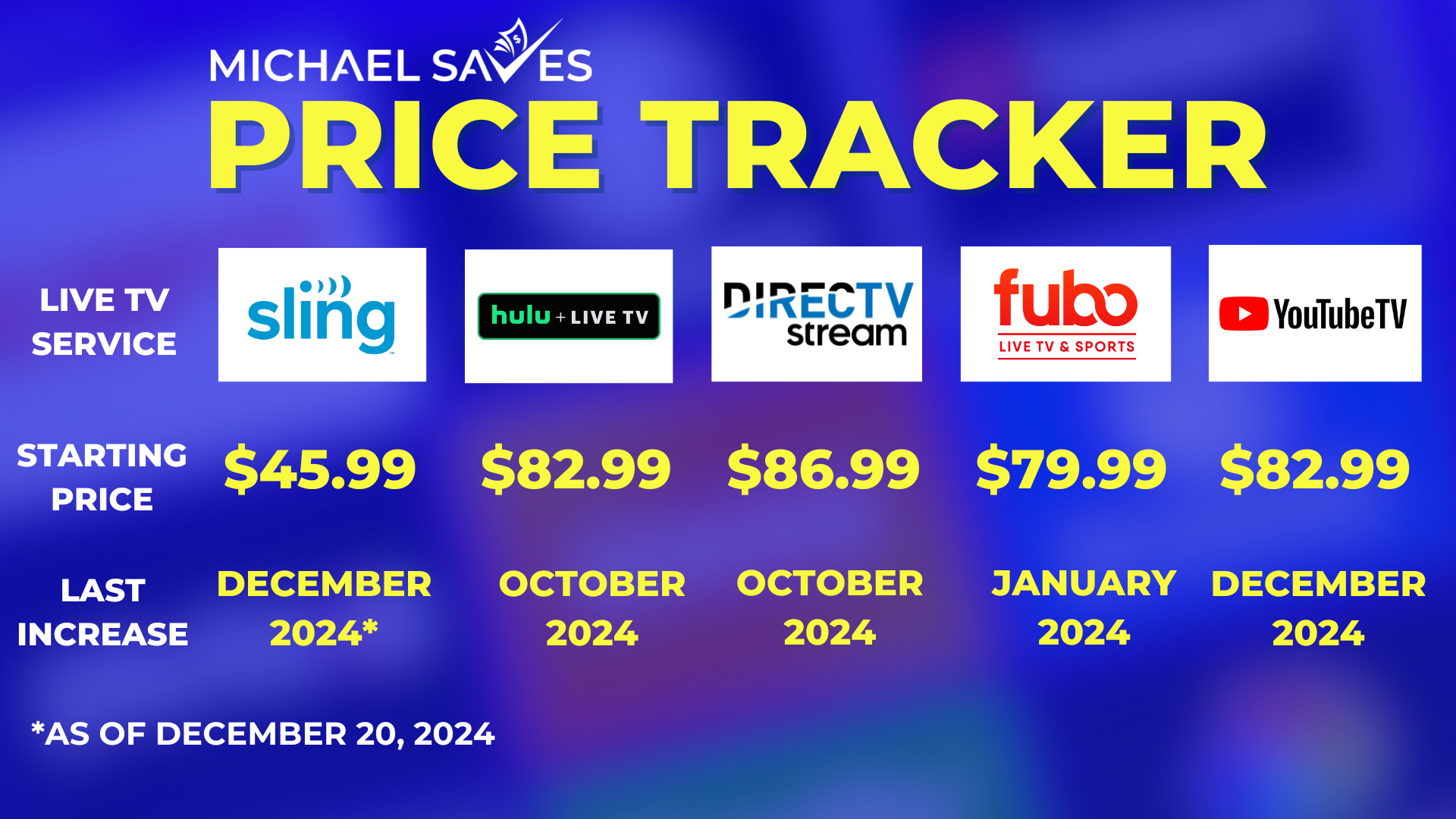
Historically, one of the strongest financial arguments for YouTube TV has been its ability to help consumers “cut the cord” from expensive cable TV bundles. Traditional cable packages often come with a high base price, hidden fees (equipment rentals, broadcast TV fees, regional sports fees), and long-term contracts. A typical cable bill can easily exceed $100-$150 per month, especially when including premium channels and multiple set-top boxes.
YouTube TV’s base price, while not insignificant, typically starts at a point considerably lower than comparable cable packages. More importantly, it generally avoids the litany of extra fees that plague traditional cable. The unlimited cloud DVR eliminates physical DVR rental costs, and the service doesn’t require separate set-top boxes for each TV, further saving on equipment rentals. From a pure dollar-for-dollar comparison, YouTube TV often presents a more straightforward and transparent pricing model that can result in substantial monthly savings for many households. These savings accumulate over time, making a compelling case for its financial efficiency over the long run, provided the channel lineup meets a subscriber’s core needs.
The Stacked Streaming Dilemma: YouTube TV vs. Other Streaming Services
The financial landscape of entertainment has become increasingly complex, not just due to cable alternatives, but also the proliferation of on-demand streaming services like Netflix, Hulu (on-demand), Disney+, Max, Prime Video, and many others. While YouTube TV directly competes with cable, it also exists within a broader ecosystem of streaming platforms. The challenge for consumers is the “stacked streaming dilemma” – the tendency to subscribe to multiple services, inadvertently accumulating a monthly bill that can rival or even surpass a traditional cable package.
From a financial management perspective, it’s crucial to evaluate YouTube TV not in isolation, but in the context of your entire streaming portfolio. If you already subscribe to Netflix, Disney+, and Spotify, adding YouTube TV to watch live sports or news might push your total entertainment spending beyond your comfort zone. The value proposition shifts: YouTube TV is designed to be a comprehensive cable replacement, but if you’re also paying for numerous on-demand services, the financial benefit of cord-cutting diminishes. Smart financial planning involves auditing your entire streaming budget, identifying redundancies, and prioritizing services based on actual usage and value. Sometimes, rotating subscriptions – subscribing to a service for a few months to binge content and then canceling – can be a financially sound strategy to manage the cost of a diverse streaming library.
Long-Term Value: Evaluating Price Hikes and Content Evolution
No financial analysis of a subscription service is complete without considering its long-term value, especially in an industry prone to price adjustments. YouTube TV, like many streaming services, has experienced price hikes since its inception. These increases are often attributed to rising content acquisition costs, particularly for live sports and local channels, as well as investments in features and infrastructure.
From a financial planning standpoint, it’s essential for consumers to understand that the initial price of YouTube TV is not necessarily a static figure. Budgeting for YouTube TV should ideally account for potential future increases. While these hikes are generally communicated in advance, they can impact the long-term financial viability of the service for some users. The perceived value must also evolve with content changes; if popular channels are added or removed, or if exclusive content deals shift, the financial justification for the subscription might need re-evaluation. Subscribers should regularly assess whether the increased cost still aligns with the value they derive from the service and their overall entertainment budget, ensuring they are not overpaying for a service whose value proposition has diminished for them over time.
Optimizing Your YouTube TV Expenditure: Smart Money Strategies
Once you’ve decided YouTube TV is a good fit for your entertainment needs, implementing smart money strategies can help maximize its value and ensure it remains a financially sustainable option within your budget.
Maximizing Value: Sharing Accounts and Utilizing Features Effectively
One of the most effective ways to optimize YouTube TV expenditure is to fully leverage its included features. The ability to create up to six individual user accounts and stream on up to three devices simultaneously is a significant financial benefit. For households with multiple members, this means a single subscription can cater to diverse viewing preferences without the need for additional individual subscriptions, effectively lowering the per-person cost. This is especially impactful for families or housemates sharing expenses.
Beyond account sharing, effectively utilizing the unlimited cloud DVR can also lead to savings. By recording shows and movies, you can avoid subscribing to additional on-demand services solely for specific content, or reduce the need for renting or purchasing individual titles. Understanding the full scope of what’s included in the base plan and actively using these features ensures you’re getting the most financial mileage out of your monthly payment, rather than letting valuable inclusions go unused.
Subscription Management: When to Subscribe and When to Pause
A dynamic approach to subscription management is a cornerstone of intelligent personal finance in the streaming era. For many, entertainment consumption is seasonal or event-driven. For instance, sports enthusiasts might only need YouTube TV during specific sports seasons, while others might binge-watch specific live events or series. YouTube TV offers the flexibility to pause or cancel your subscription at any time without long-term contracts.
This flexibility presents a powerful money-saving opportunity. If there are periods during the year when your viewing habits are minimal, or if you plan to travel extensively, pausing your YouTube TV subscription can save you a full month’s fee. Similarly, if you primarily use YouTube TV for a particular live event (like the Olympics or a specific tournament), subscribing only for that period and then canceling can significantly reduce your annual expenditure compared to a continuous subscription. Embracing this “on-demand subscription” model requires a bit of planning, but it ensures you are only paying for the service when you are actively using and deriving value from it.
Budgeting for Entertainment: Integrating YouTube TV into Your Personal Finances
Integrating YouTube TV’s cost into a broader personal finance strategy is essential for long-term financial health. Instead of viewing it as an isolated expense, it should be part of a defined entertainment budget. This involves:
- Allocate a Specific Budget: Decide how much you are willing to spend on all forms of entertainment each month, including streaming services, movie tickets, dining out, and hobbies.
- Track All Subscriptions: Keep a detailed list of all your monthly subscriptions (streaming, music, apps, gym memberships). Many financial tracking apps and services can help automate this.
- Regular Review: Periodically (e.g., quarterly or semi-annually) review your entertainment budget and subscription list. Ask yourself: Am I still using this service? Does it still provide value for its cost? Are there cheaper alternatives?
- Prioritize Spending: If your entertainment spending exceeds your budget, prioritize which services are most important to you and be willing to cut back on others.
By proactively managing and budgeting for YouTube TV and other streaming services, consumers can ensure that their entertainment choices align with their overall financial goals, preventing unnecessary drain on their finances.
The Future of Live TV Streaming Costs: What Financial Consumers Should Expect
The financial trajectory of live TV streaming services is not static. As the market matures and content costs continue to climb, consumers should anticipate further evolution in pricing and value propositions.
Market Trends and Competitive Pressures: Impact on Pricing
The live TV streaming market is highly competitive, with services like Hulu + Live TV, Sling TV, fuboTV, and DirecTV Stream all vying for subscribers. This competition theoretically puts downward pressure on pricing, or at least encourages value-added features to justify costs. However, the underlying expenses for content, particularly live sports and local channels, are consistently rising. Sports broadcasting rights, in particular, are incredibly expensive and are a significant driver of subscription costs.
From a financial perspective, consumers should expect a continued balancing act. While competition may prevent exorbitant price hikes, the unavoidable increase in content costs will likely lead to incremental price adjustments across the board. The emergence of “skinny bundles” or more à la carte options, if they gain traction, could offer more tailored, and potentially cheaper, alternatives for niche viewers, while comprehensive services like YouTube TV might continue to see moderate price increases to maintain their broad channel lineups.
The Shifting Value Proposition: Is Live TV Streaming Still a Bargain?
The initial “cord-cutting” movement was largely driven by the promise of significant financial savings. However, as live TV streaming services’ prices have risen, and as consumers often “stack” multiple streaming subscriptions, the original financial advantage has somewhat eroded for some households. The question now becomes: is live TV streaming still a bargain compared to traditional cable, or are we simply trading one expensive bundle for another?
For many, especially those who can maximize features like unlimited DVR and simultaneous streams, and who avoid excessive add-ons, YouTube TV still represents a more flexible and often more cost-effective solution than traditional cable, especially when factoring out hidden fees and equipment rentals. However, the financial consumer of today needs to be more vigilant than ever. The perceived “bargain” depends heavily on individual viewing habits, the number of additional streaming services subscribed to, and the discipline to manage those subscriptions actively. The value proposition is shifting from simply “cheaper than cable” to “better value for my specific entertainment needs and budget.”

Conclusion: Making an Informed Financial Decision about YouTube TV
The question “how much is YouTube TV?” extends far beyond its monthly base fee. It encompasses a holistic financial evaluation of its features, optional add-ons, potential tax implications, and its position within a broader entertainment budget. For the financially astute consumer, YouTube TV can indeed be a powerful tool for cutting the cord and managing entertainment expenses more effectively than traditional cable. Its transparent pricing, unlimited cloud DVR, and multi-user capabilities offer significant financial value.
However, unchecked spending on premium add-ons or the cumulative cost of a stacked streaming portfolio can quickly negate these savings. By understanding the core plan, scrutinizing extra costs, comparing it intelligently against alternatives, and employing smart budgeting and subscription management strategies, consumers can ensure YouTube TV remains a financially sound and valuable part of their entertainment ecosystem. The ultimate financial decision rests on aligning the service’s true cost with your personal budget, viewing habits, and the overall value you derive from its offerings.
aViewFromTheCave is a participant in the Amazon Services LLC Associates Program, an affiliate advertising program designed to provide a means for sites to earn advertising fees by advertising and linking to Amazon.com. Amazon, the Amazon logo, AmazonSupply, and the AmazonSupply logo are trademarks of Amazon.com, Inc. or its affiliates. As an Amazon Associate we earn affiliate commissions from qualifying purchases.