
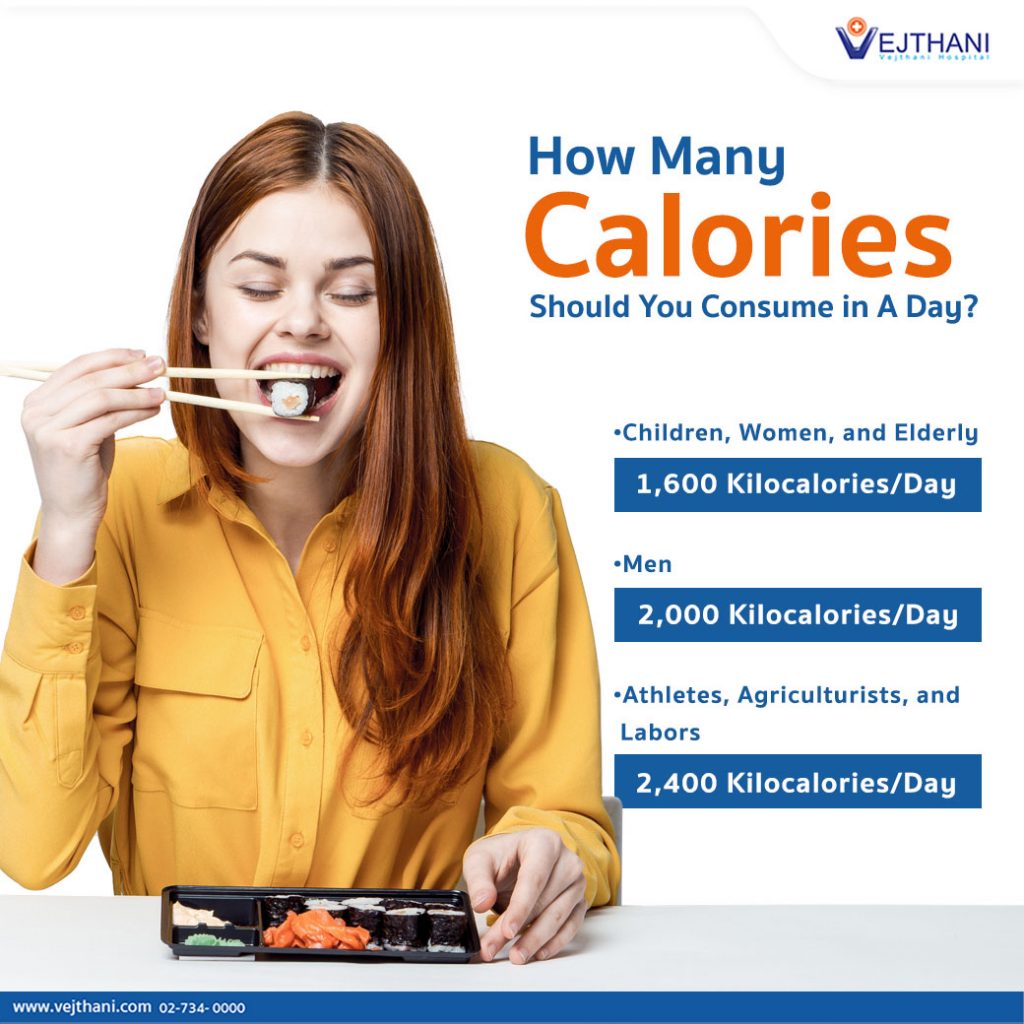
The perennial question “How many calories do I need?” has historically been a complex riddle, often met with generic advice or cumbersome manual tracking. In an age defined by rapid technological advancement, however, the quest for personalized nutritional insight has been revolutionized. From sophisticated algorithms embedded in our smartphones to advanced wearable devices monitoring our every move, technology is no longer just a tool for convenience; it’s an indispensable partner in decoding our unique metabolic needs. This article delves into how tech empowers individuals to accurately assess, track, and optimize their caloric intake, transforming abstract nutritional guidelines into actionable, personalized strategies.
The Digital Revolution in Calorie Calculation and Tracking
The journey to understanding one’s caloric needs begins with data, and never before have we had such a diverse array of digital tools to gather and interpret it. The era of generic calorie calculators, while a starting point, has evolved into a sophisticated ecosystem where artificial intelligence, machine learning, and biometric sensors converge to offer unparalleled precision.
Beyond Basic Equations: AI and Predictive Analytics
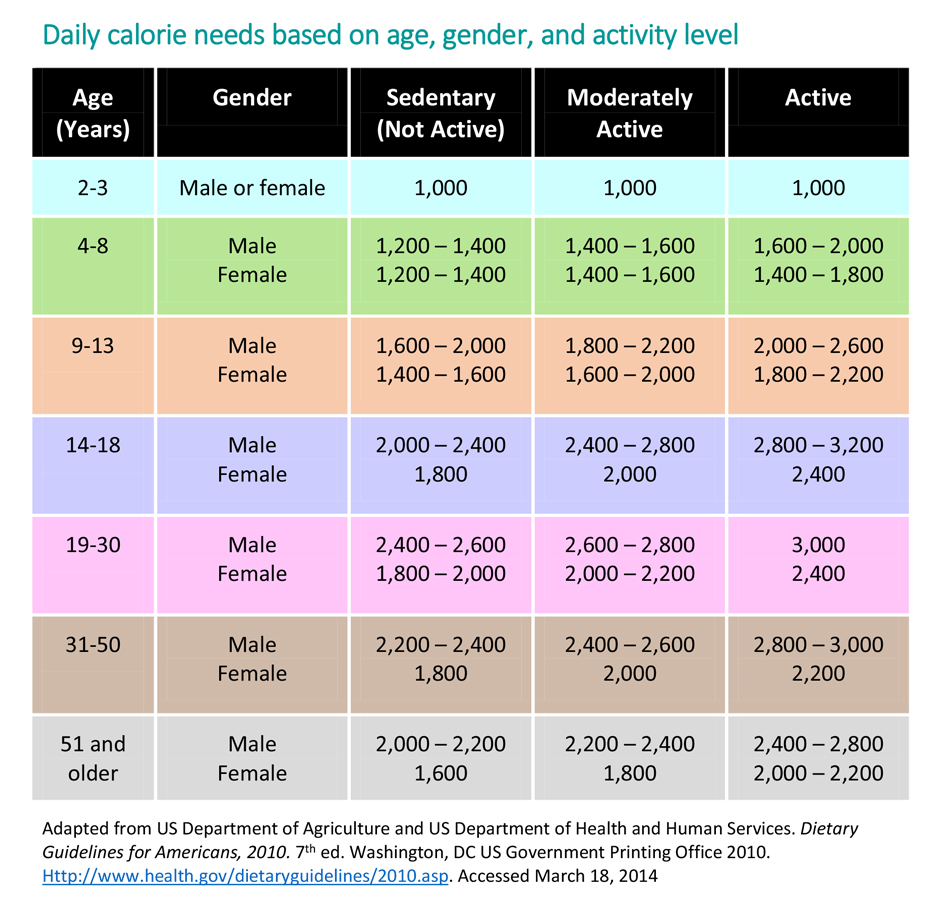
Traditional calorie calculations often rely on static formulas like the Mifflin-St Jeor or Harris-Benedict equations, which estimate Basal Metabolic Rate (BMR) based on age, gender, height, and weight. While useful, these equations provide a broad estimate, failing to account for individual metabolic differences, body composition variations, or dynamic changes in activity levels. This is where AI and predictive analytics step in. Modern nutrition apps and platforms employ machine learning algorithms that learn from your logged food intake, activity data, weight fluctuations, and even sleep patterns. Over time, these algorithms can predict how your body responds to different caloric loads, suggesting adjustments that are far more nuanced than static formulas allow. They can identify patterns, for instance, in how a particular type of exercise affects your appetite or how specific dietary changes impact your energy levels, offering a truly personalized caloric roadmap.
Wearable Tech: Your Personal Energy Meter
Perhaps one of the most transformative technologies in calorie management is wearable fitness devices. Smartwatches, fitness trackers, and even smart rings have moved beyond simple step counting to become sophisticated biometric hubs. Equipped with heart rate monitors, accelerometers, gyroscopes, and sometimes even skin temperature sensors, these devices constantly collect data on your physical activity. This real-time data allows for a more accurate estimation of your Total Daily Energy Expenditure (TDEE) by quantifying calories burned during workouts, daily movement, and even during periods of rest.
The integration of these devices with companion apps creates a dynamic feedback loop. If your wearable detects a particularly strenuous workout, your linked nutrition app can automatically adjust your estimated caloric needs for that day, preventing under-fueling or overeating. While not perfectly precise, the continuous, individualized data collection from wearables provides a far superior basis for calorie management compared to self-reported activity levels or generalized averages.
Smart Devices in the Kitchen: Precision at Your Fingertips
The kitchen, traditionally a realm of guesswork, is also undergoing a technological transformation. Smart scales are no longer just for weighing food; many can integrate with nutrition apps, automatically logging the weight of ingredients and calculating their caloric and macronutrient content. Smart blenders and food processors equipped with sensors can help portion ingredients precisely, and even smart ovens or air fryers can follow recipes with pre-set temperatures and times, reducing the margin for error in meal preparation.
While perhaps not as crucial as AI or wearables for initial calorie calculation, these smart kitchen gadgets play a vital role in the implementation phase, ensuring that the food you consume accurately reflects your planned caloric intake. This level of precision is particularly beneficial for those with specific dietary goals or who are closely monitoring their macronutrient ratios.
Unpacking the Algorithms: How Tech Estimates Your Needs
Understanding the “how” behind technological calorie estimations is key to leveraging these tools effectively. It’s not magic; it’s sophisticated computational models working tirelessly in the background.
Basal Metabolic Rate (BMR) and Activity Factors
At the core of all calorie calculations, even the most advanced, lies the Basal Metabolic Rate (BMR) – the number of calories your body needs to perform basic life-sustaining functions at rest. While initial BMR estimates come from personal data (age, height, weight, sex), technology enhances this by cross-referencing against vast datasets and applying sophisticated statistical models.
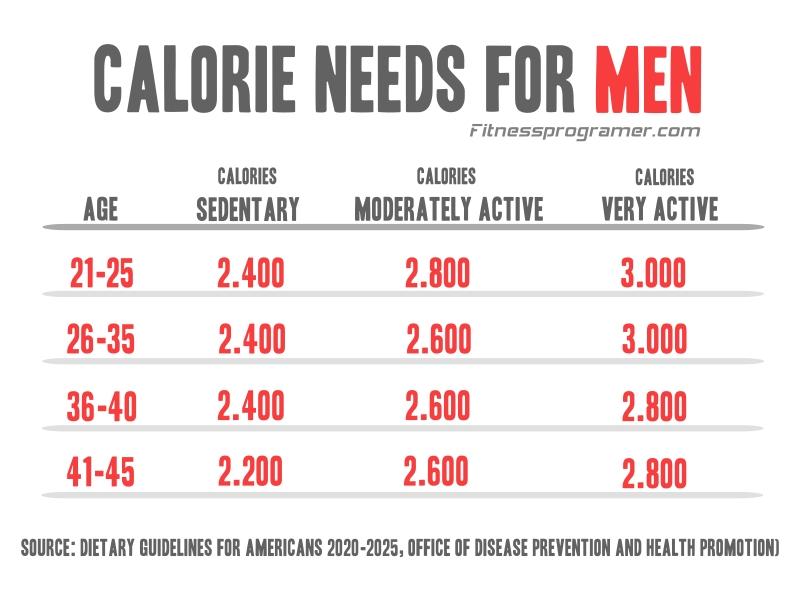
Beyond BMR, the concept of “activity factors” is crucial for calculating TDEE. Traditional methods use broad multipliers (e.g., sedentary, lightly active, moderately active). Tech takes this a step further. Wearable data provides a continuous, granular stream of activity, allowing apps to calculate dynamic activity factors. Instead of assuming you’re “moderately active” for an entire week, your tech can discern a day of intense training from a rest day, adjusting your caloric needs accordingly and offering a much more accurate TDEE.
The TDEE Conundrum: Fine-Tuning with Data
Total Daily Energy Expenditure (TDEE) is your BMR plus the calories burned through physical activity, the thermic effect of food (TEF), and non-exercise activity thermogenesis (NEAT). The “conundrum” lies in accurately quantifying these components. Tech solutions address this by:
-
Activity Tracking: As mentioned, wearables excel here, providing real-time data for movement and exercise.
-
Food Logging: By meticulously logging food, apps can estimate the TEF, as different macronutrients have varying thermic effects.
-
Pattern Recognition: Advanced algorithms can identify trends. If your weight loss stalls despite consistently meeting your caloric deficit goal, the tech can suggest that your TDEE estimate might be too high, prompting an adjustment. This continuous feedback loop refines the TDEE estimate over time, moving it closer to your body’s true energy expenditure.
Machine Learning for Dynamic Adjustments
The true power of modern tech lies in machine learning’s ability to make dynamic adjustments. Unlike static calculations, an AI-powered system doesn’t just calculate your needs; it learns your needs. It observes how your body responds to specific inputs (food, exercise, sleep, stress) and adapts its recommendations. For example, if your sleep quality deteriorates, the algorithm might predict a potential increase in hunger hormones and suggest a slight adjustment in your macro split to maintain satiety. If your weight loss plateaus, it can analyze your historical data to identify potential bottlenecks – perhaps a slow creep in portion sizes, or an overestimation of calories burned during exercise – and provide targeted advice. This adaptive capability transforms calorie counting from a rigid number game into a responsive, personalized coaching experience.
The Ecosystem of Nutrition Apps: From Logging to Lifestyle
The smartphone has become the command center for personalized nutrition, housing a multitude of apps that cater to every facet of calorie management and dietary planning.
Comprehensive Tracking Platforms: Beyond Calories
Apps like MyFitnessPal, LoseIt!, and Cronometer are more than just calorie counters. They are comprehensive health hubs. Users can log every meal, track macronutrient breakdown (proteins, fats, carbs), monitor micronutrients (vitamins and minerals), and even track water intake. These platforms typically boast extensive food databases, often including barcode scanners for quick logging and user-generated entries. The data visualization tools within these apps are equally powerful, allowing users to see trends over time, identify dietary gaps, and understand how their food choices impact their goals. Beyond food, many integrate with fitness trackers, providing a holistic view of energy in vs. energy out.
Specialized Apps for Specific Diets and Goals
The digital marketplace also offers a plethora of specialized apps catering to niche dietary needs. For keto enthusiasts, apps like Carb Manager focus meticulously on net carb tracking. For vegans or vegetarians, apps might emphasize protein sources and specific nutrient deficiencies. Those managing medical conditions like diabetes can find apps that track blood sugar alongside food intake, offering insights into how different meals affect their glucose levels. These specialized tools offer a deeper dive into the specific metrics relevant to a particular diet or health condition, streamlining the often-complex process of adherence.
Gamification and Community: Staying Motivated Digitally
A significant challenge in any health journey is maintaining motivation. Nutrition apps cleverly address this through gamification and community features. Points for consistent logging, streaks for hitting daily goals, badges for achievements, and virtual challenges all contribute to making the process more engaging. Furthermore, many platforms foster communities where users can share tips, seek advice, and celebrate successes. This social support, whether through in-app forums or integrated social media sharing, provides an invaluable layer of encouragement and accountability, transforming a solitary endeavor into a shared journey.
Emerging Technologies and the Future of Personalized Nutrition
The landscape of tech-driven nutrition is continuously evolving, with exciting innovations poised to redefine how we understand and manage our caloric needs.
AI-Powered Meal Planning and Generation
The next generation of nutrition tech is moving beyond tracking to proactive meal planning. AI algorithms can now take your caloric goals, dietary preferences, allergies, available ingredients, and even cooking skill level into account to generate personalized meal plans, complete with recipes and shopping lists. Some advanced systems can even suggest substitutes if an ingredient isn’t available or if your preferences change dynamically. This drastically reduces the cognitive load associated with meal prep, making healthy eating more accessible and sustainable.
Biometric Integration and Real-time Feedback
Imagine a future where a wearable sensor continuously monitors your blood glucose, hydration levels, or even stress hormones, and your nutrition app provides real-time dietary recommendations based on these immediate biometric responses. Tools like continuous glucose monitors (CGMs), originally for diabetics, are finding their way into mainstream wellness, offering instant feedback on how specific foods affect blood sugar. As these technologies become more affordable and integrated, they promise an unprecedented level of real-time, hyper-personalized nutritional guidance, moving us from reactive tracking to proactive physiological optimization.
The Promise of Nutrigenomics and Hyper-Personalization
The frontier of personalized nutrition lies in nutrigenomics – the study of how genes interact with diet. Emerging technologies are beginning to integrate genetic data with dietary recommendations. By understanding an individual’s genetic predispositions for nutrient absorption, metabolism, or even food sensitivities, future tech could offer caloric and macronutrient guidelines tailored down to your unique DNA. This hyper-personalization promises to unlock optimal health strategies that are not just for you but for your specific genetic makeup, maximizing efficiency and minimizing trial-and-error.
Navigating the Digital Landscape: Accuracy, Privacy, and Best Practices
While technology offers incredible advantages, it’s crucial to approach its use with an informed perspective, recognizing both its strengths and limitations.
The Importance of Data Input and Verification
The adage “garbage in, garbage out” is particularly apt for nutrition tech. The accuracy of your caloric calculations and dietary insights hinges entirely on the quality and consistency of the data you input. Meticulously logging food items, accurately estimating portion sizes, and consistently wearing your fitness tracker are paramount. Regularly cross-referencing food entries with nutritional labels and being honest about “cheats” or off-plan meals will yield the most reliable data and, consequently, the most useful insights.
Understanding the Limitations of Current Tech
While highly advanced, current technology is not infallible. Calorie burn estimates from wearables, for instance, can vary significantly depending on the device, the activity, and individual physiology. Food databases, while extensive, may contain inaccuracies or outdated information. It’s essential to view these tools as powerful guides rather than absolute authorities. Use them to establish a baseline, identify trends, and foster awareness, but be prepared to make intuitive adjustments based on how your body feels and responds.
Protecting Your Health Data in a Connected World
The collection of personal health data, from food logs to heart rate metrics, raises important privacy concerns. Before committing to any app or device, review its privacy policy to understand how your data is collected, stored, and potentially shared. Opt for platforms that prioritize data encryption, offer clear consent mechanisms, and provide robust security measures. As our health becomes increasingly digitized, safeguarding this sensitive information is as crucial as the insights it provides.
In conclusion, the question “How many calories do I need?” is no longer a rhetorical one, thanks to the remarkable advancements in technology. From AI-driven personalized insights and real-time tracking via wearables to the convenience of smart kitchen gadgets, tech has demystified the complexities of nutritional science, making it accessible and actionable for the individual. By embracing these tools responsibly, and understanding their capabilities and limitations, we can navigate our dietary journeys with unprecedented precision, achieving our health and wellness goals with greater intelligence and control.
aViewFromTheCave is a participant in the Amazon Services LLC Associates Program, an affiliate advertising program designed to provide a means for sites to earn advertising fees by advertising and linking to Amazon.com. Amazon, the Amazon logo, AmazonSupply, and the AmazonSupply logo are trademarks of Amazon.com, Inc. or its affiliates. As an Amazon Associate we earn affiliate commissions from qualifying purchases.