
A business plan is more than a mere roadmap for operations; it is a rigorous financial manifesto. In the world of high-stakes finance, a business plan serves as the primary document for securing capital, managing cash flow, and ensuring long-term profitability. Whether you are seeking a seed-stage investment or a multi-million dollar credit line from a commercial bank, the strength of your plan lies in its fiscal logic. This guide explores the essential components of writing a business plan through the lens of financial strategy, focusing on how to build a document that proves your venture is not just an idea, but a viable economic engine.
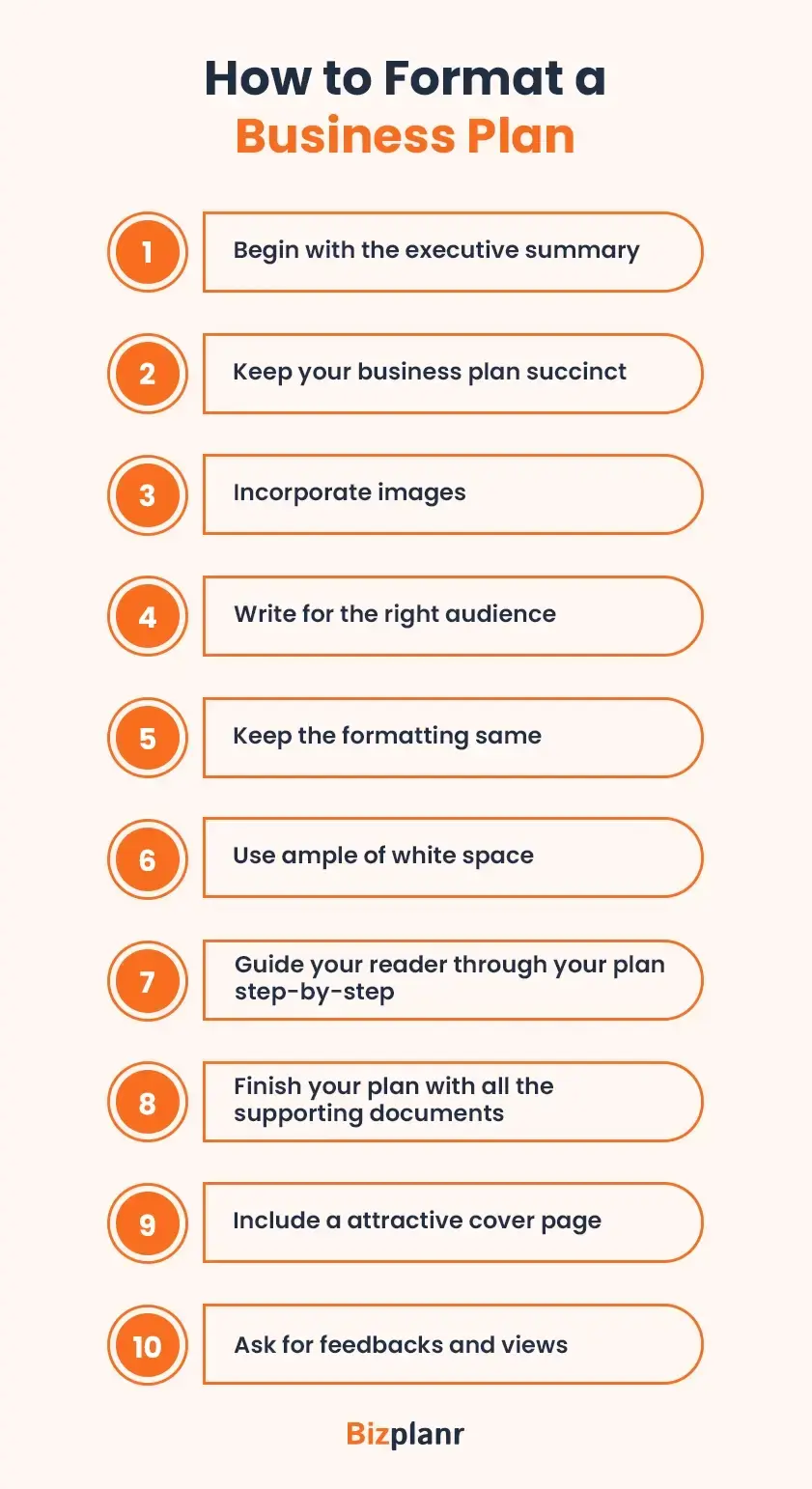
The Executive Summary: Your Financial Value Proposition
The executive summary is the most critical section of your business plan, as it is often the only part read by time-pressed venture capitalists or loan officers. From a financial perspective, this section must immediately answer three questions: How much capital do you need? How will you use it? And when will the investors see a return?
Defining Your Revenue Model
To write a compelling summary, you must clearly articulate your revenue model. Investors are looking for scalability and predictability. Are you utilizing a subscription-based model that promises recurring monthly revenue (MRR), or is your business based on high-margin, low-volume sales? In this subsection, you should briefly outline your pricing strategy and gross margin expectations. Highlighting a strong unit economic profile—where the lifetime value (LTV) of a customer significantly exceeds the customer acquisition cost (CAC)—sets a foundation of financial confidence for the rest of the document.
Highlighting Key Financial Milestones
A business plan should not just look at the present; it must map out the future through quantifiable milestones. Instead of vague goals like “expanding our reach,” focus on fiscal targets. This might include reaching the break-even point within 18 months, achieving a specific EBITDA (Earnings Before Interest, Taxes, Depreciation, and Amortization) margin, or securing a secondary round of funding at a higher valuation. By anchoring your summary in these hard numbers, you signal to stakeholders that you are focused on capital efficiency and wealth creation.
Financial Forecasting and Market Economics
The core of any money-centric business plan is the financial forecast. This is where your narrative transitions into raw data. A well-constructed plan includes at least three to five years of projected financial statements, including income statements, balance sheets, and cash flow statements. This section is not about making optimistic guesses; it is about demonstrating a deep understanding of market economics.
Bottom-Up vs. Top-Down Financial Modeling
When projecting revenue, savvy entrepreneurs use a “bottom-up” approach rather than a “top-down” one. A top-down model (e.g., “The market is $10 billion, and we only need 1% to make $100 million”) is often viewed as amateurish by financial professionals. Instead, use a bottom-up model: “We can realistically close 10 sales per month per sales representative, leading to $X in revenue.” This method demonstrates a granular understanding of your operational capacity and the actual cost of generating income. It allows you to justify your projections through the lens of resource allocation and labor productivity.
Risk Assessment and Contingency Budgeting
No financial plan is complete without a sensitivity analysis. This involves testing your financial assumptions against various market conditions. What happens if your cost of goods sold (COGS) increases by 15%? What if your sales cycle is twice as long as expected? Including a “Best Case,” “Base Case,” and “Worst Case” scenario demonstrates fiscal responsibility. It shows that you have planned for market volatility and have established a “burn rate” that allows the company to survive periods of low liquidity. Investors are more likely to fund a business that acknowledges its financial risks and has built-in contingencies to mitigate them.
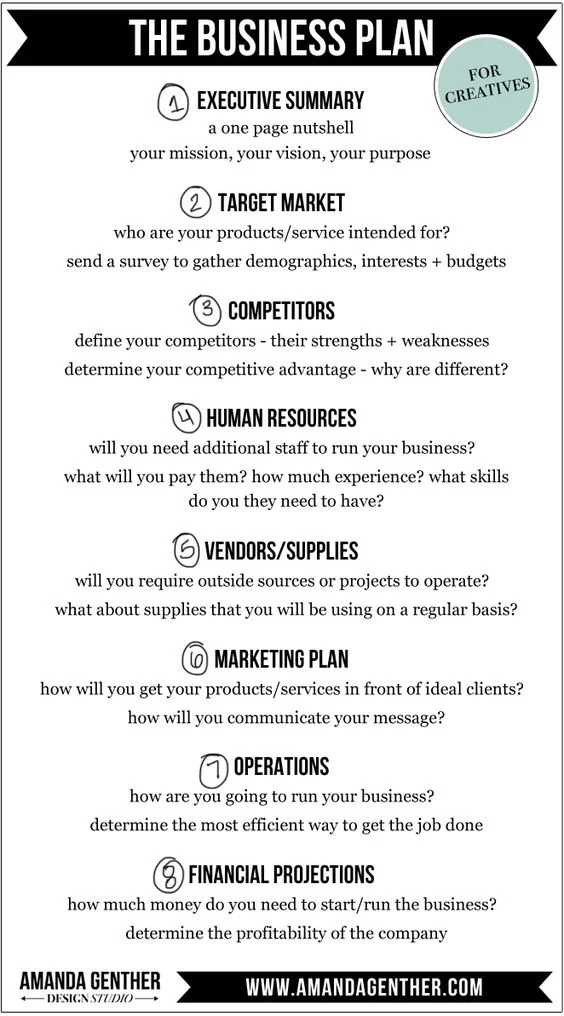
Operations and Capital Allocation
Once the revenue projections are established, the business plan must detail how the business will manage its expenses. Effective capital allocation is the hallmark of a successful CEO. This section describes the “engine room” of the business—how you turn capital into product and product into profit.
Optimizing the Cost of Goods Sold (COGS)
In this section, you must break down your variable costs. For a service-based business, this might include labor and software licensing; for a manufacturing firm, it includes raw materials and shipping. To write a plan that attracts serious money, you must demonstrate a strategy for achieving economies of scale. Show how your margins will improve as volume increases. For example, will bulk purchasing reduce your material costs? Will automation decrease your labor-per-unit ratio? Demonstrating a path toward margin expansion is key to proving the long-term profitability of the venture.
Scaling and Capital Expenditure (CapEx)
Scaling a business requires significant investment in infrastructure, technology, or equipment—commonly known as Capital Expenditure (CapEx). Your business plan should detail when these investments will occur and how they will be financed. Will you use cash flow from operations, or will you require additional debt financing? By detailing your CapEx schedule, you provide a clear view of your liquidity needs. This prevents the “growth trap,” where a company expands so quickly that it runs out of cash despite being profitable on paper.
The Funding Request and Investor Relations
The final, most crucial element of a business plan for those seeking capital is the funding request. This is where you move from theory to transaction. You must be specific about your requirements and professional about your offerings.
Debt vs. Equity: Choosing the Right Capital Structure
When asking for money, you must decide whether you are seeking debt (loans) or equity (selling a portion of the business). Each has different financial implications. Equity is expensive in the long run but requires no monthly repayments, which preserves cash flow. Debt is cheaper but adds a fixed monthly expense to your balance sheet. Your business plan should justify why you have chosen one over the other based on your current debt-to-equity ratio and your projected cash flow. Providing a clear “Use of Funds” chart—breaking down exactly what percentage of the money goes to R&D, marketing, and operations—builds trust with potential lenders and investors.
Exit Strategy and Return on Investment (ROI)
Financial backers provide capital for one reason: to get a return on their investment. Your business plan must include an “Exit Strategy.” This might involve an Initial Public Offering (IPO), an acquisition by a larger corporation (an “M&A” event), or a management buyout. While it may seem premature to talk about leaving a business before you have started it, professional investors need to see the “liquidity event” on the horizon. By calculating the potential Internal Rate of Return (IRR) or the multiple of invested capital (MOIC) they might expect, you align your interests with theirs. A plan that focuses on the exit is a plan that focuses on the ultimate goal of all business finance: the realization of value.
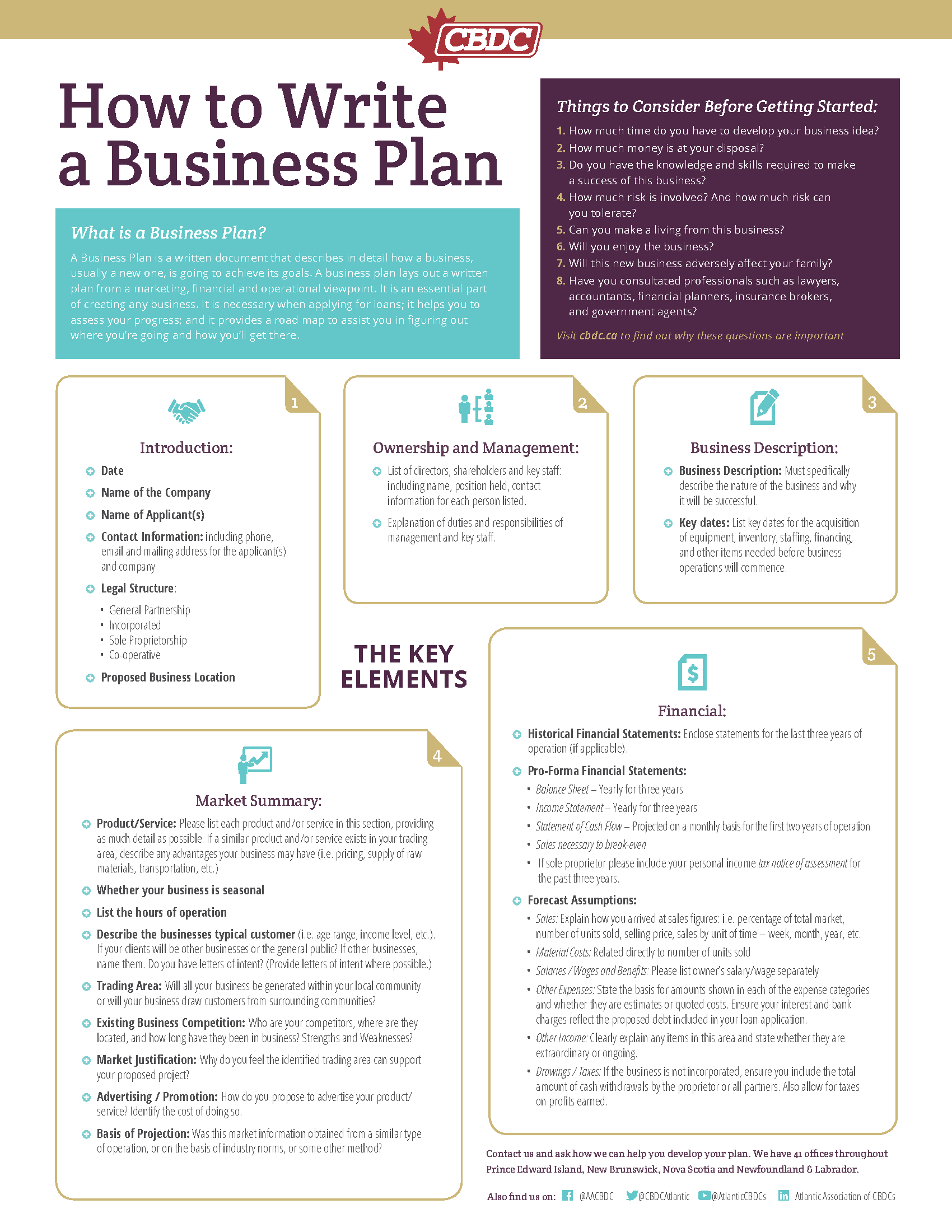
Conclusion: The Business Plan as a Living Financial Document
Writing a business plan is not a one-time task to be filed away after the bank approves your loan. In the realm of finance, it is a living document that should be updated as market conditions shift and new financial data becomes available. By focusing strictly on the mechanics of money—revenue models, margin expansion, capital allocation, and ROI—you create a document that commands respect in the boardroom.
A professional business plan acts as a safeguard against fiscal mismanagement. It forces you to confront the reality of your numbers and ensures that every dollar spent is an investment toward a larger financial objective. Whether you are managing your own personal savings in a side hustle or overseeing a corporate expansion, the principles of a strong, money-focused business plan remain the same: clarity, fiscal discipline, and an unwavering focus on the bottom line.
aViewFromTheCave is a participant in the Amazon Services LLC Associates Program, an affiliate advertising program designed to provide a means for sites to earn advertising fees by advertising and linking to Amazon.com. Amazon, the Amazon logo, AmazonSupply, and the AmazonSupply logo are trademarks of Amazon.com, Inc. or its affiliates. As an Amazon Associate we earn affiliate commissions from qualifying purchases.