
A business plan is far more than a mere formality; it is the financial backbone and strategic compass for any enterprise, whether a budding startup or an established corporation aiming for expansion. In the realm of money and finance, a meticulously crafted business plan serves as your most critical document for securing investment, guiding operational decisions, managing financial resources, and ultimately, steering your venture towards profitability and sustainable growth. It provides a structured approach to thinking through every aspect of your business, forcing you to confront market realities, project financial outcomes, and articulate a clear path to success. Without it, you are navigating the complex seas of entrepreneurship without a map, exposing your venture to unnecessary risks and missed opportunities.

This comprehensive guide will walk you through the essential steps to construct a robust business plan, with a specific focus on its financial implications and its indispensable role in the wider landscape of business finance, investment, and wealth creation.
Understanding the Core Purpose of Your Business Plan
Before delving into the components, it’s crucial to grasp why a business plan is so critical, particularly from a financial perspective. It’s not just a document; it’s a strategic tool designed to achieve specific financial and operational objectives.
A Roadmap for Strategic Decision-Making
A well-articulated business plan provides a clear framework for all major strategic decisions. It helps management teams allocate financial resources effectively, identify key performance indicators (KPIs) for financial health, and anticipate future capital needs. By outlining your mission, vision, and long-term objectives, it ensures that every operational decision, from product development to market entry, is aligned with your overarching financial goals, minimizing wasteful spending and maximizing return on investment. It acts as a constant reference point, helping you stay on track and make informed choices that safeguard your financial future.
A Tool for Financial Planning and Projections
At its heart, a business plan is a powerful instrument for financial planning. It compels you to forecast revenues, project expenses, analyze cash flow, and conduct detailed break-even analyses. This rigorous financial modeling is essential for understanding your venture’s viability, identifying potential funding gaps, and preparing for various economic scenarios. For new businesses, it’s about projecting the path to profitability; for existing ones, it’s about scaling efficiently and maximizing shareholder value. This foresight allows you to proactively manage finances rather than reactively respond to crises.
Attracting Investors and Lenders
Perhaps one of the most immediate and impactful uses of a business plan in the “Money” niche is its role in fundraising. Whether you’re seeking seed capital from angel investors, venture capital funding, or a traditional bank loan, your business plan is the primary document they will scrutinize. It demonstrates your financial acumen, your understanding of market dynamics, and your ability to generate a return on their investment. A well-researched and professionally presented plan can significantly reduce the perceived risk for potential funders, making your business a more attractive proposition and increasing your chances of securing the necessary capital to launch or expand. It’s your financial prospectus, showcasing not just an idea, but a viable, profitable enterprise.
Essential Components of a Robust Business Plan
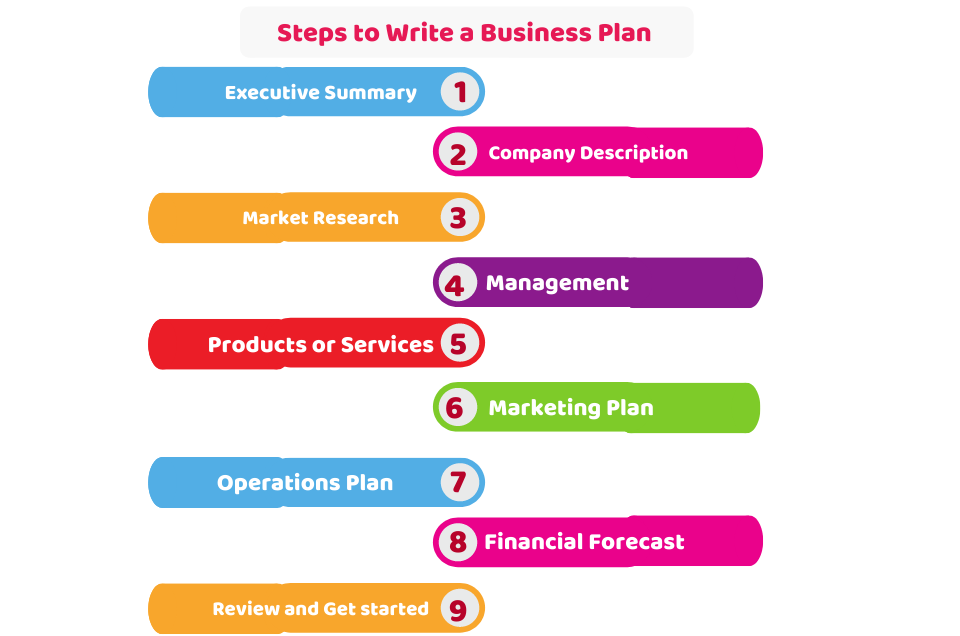
Each section of your business plan, while seemingly distinct, interlocks to create a holistic financial narrative. From the executive summary to the operational details, every element informs and strengthens the financial projections.
Executive Summary: The Financial Snapshot
The executive summary is arguably the most critical section. It’s a concise, high-level overview of your entire plan, designed to capture the reader’s attention and compel them to read further. From a financial perspective, it must immediately highlight your funding request (if any), your projected financial performance (key revenue and profit figures), and your unique selling proposition that underpins your potential for financial success. Think of it as an elevator pitch for your business’s financial health and potential returns. It should convey confidence, clarity, and competence.
Company Description & Market Analysis: Identifying Financial Opportunities
This section details what your business does, its legal structure, and its long-term objectives. Crucially, the market analysis part requires a deep dive into your target market, market size, trends, customer segments, and competitive landscape. Financially, this informs your revenue projections, pricing strategies, and customer acquisition costs. Understanding the market allows you to justify your sales forecasts and identify potential threats or opportunities that could impact your financial standing. A clear understanding of market dynamics translates directly into more realistic and defensible financial projections.
Organization & Management: Who Manages the Money?
This section outlines your organizational structure, key personnel, and their roles. Financially, it’s about demonstrating that you have a competent and experienced team capable of executing the business plan, managing finances effectively, and navigating challenges. Investors and lenders look for strong leadership with a proven track record, particularly in financial management, operational efficiency, and strategic execution. Highlighting the expertise of your CFO or finance team, for instance, adds significant credibility.
Service or Product Line: Value Proposition and Pricing Strategy
Here, you detail the products or services you offer, their features, benefits, and lifecycle. From a financial perspective, this section explains your cost of goods sold (COGS), your pricing strategy, and how these elements contribute to your gross profit margins. A well-defined value proposition justifies your pricing and demonstrates how your offerings will generate revenue and profitability. You must articulate how your product or service creates value that customers are willing to pay for, directly impacting your financial forecasts.
Marketing & Sales Strategy: Driving Revenue
This section outlines how you will reach your target customers, promote your products/services, and ultimately drive sales. Financially, this translates into your customer acquisition costs (CAC), sales forecasts, and revenue projections. A robust marketing and sales strategy must demonstrate a clear path to generating sustainable revenue, detailing how you will convert leads into paying customers efficiently. It directly feeds into your income statement, making it a critical part of proving your financial viability.
The Financial Section: The Heart of Your Business Plan
This is where your business plan truly speaks the language of money. It must be meticulously researched, realistic, and transparent. This section will typically include several key financial statements and analyses.
Startup Costs & Funding Request
For new businesses, detailing startup costs is paramount. This includes initial expenses for equipment, inventory, legal fees, permits, marketing, and working capital. If you are seeking funding, this is where you clearly state the amount requested and provide a detailed breakdown of how those funds will be utilized. Every dollar requested must be justified, demonstrating prudent financial planning and maximizing the impact of the investment.
Projected Income Statement (Profit & Loss)
The income statement projects your revenues, cost of goods sold, operating expenses (such as marketing, salaries, rent), and ultimately, your net profit or loss over a specific period (typically 3-5 years, broken down by month for the first year). This statement is crucial for showing your business’s ability to generate profit and manage expenses, providing insights into your operational efficiency and financial performance.
Projected Cash Flow Statement
Unlike the income statement, the cash flow statement focuses on the actual cash coming into and going out of your business. It tracks cash from operations, investing activities, and financing activities. This is often considered the most important financial statement by investors, as a business can be profitable on paper but still fail due to lack of cash. It demonstrates your ability to meet short-term obligations and highlights potential cash shortages before they occur.
Projected Balance Sheet
The balance sheet provides a snapshot of your business’s financial health at a specific point in time, detailing your assets (what you own), liabilities (what you owe), and owner’s equity (the residual value). It offers insights into your company’s net worth, liquidity, and solvency, assuring potential investors and lenders of your financial stability and capacity for growth.
Break-Even Analysis
This critical analysis identifies the sales volume (in units or revenue) required to cover all your fixed and variable costs, meaning the point at which your business starts generating a profit. It’s a vital metric for understanding your financial risk and validating your pricing and cost structures. Showing a clear path to break-even provides confidence in your business’s financial model.
Funding Request and Use of Funds
If you are seeking capital, this section reiterates your specific funding needs and explicitly details how the requested funds will be allocated. This transparency is crucial for building trust with investors and lenders, demonstrating that you have a clear, well-thought-out plan for how their money will be used to achieve defined financial milestones and generate a return.
Crafting Your Plan: Tips for Financial Success & Engagement
The creation of a business plan is an iterative process. To maximize its effectiveness, especially from a financial standpoint, adhere to these guiding principles.
Be Realistic and Data-Driven
Avoid overly optimistic projections. Your financial forecasts must be based on solid market research, industry benchmarks, and conservative assumptions. Use data to support your revenue models, expense estimates, and growth trajectories. Investors and lenders are highly attuned to unrealistic figures; credible data builds trust and demonstrates a thorough understanding of your financial landscape. Show your work and justify your numbers.
Understand Your Audience
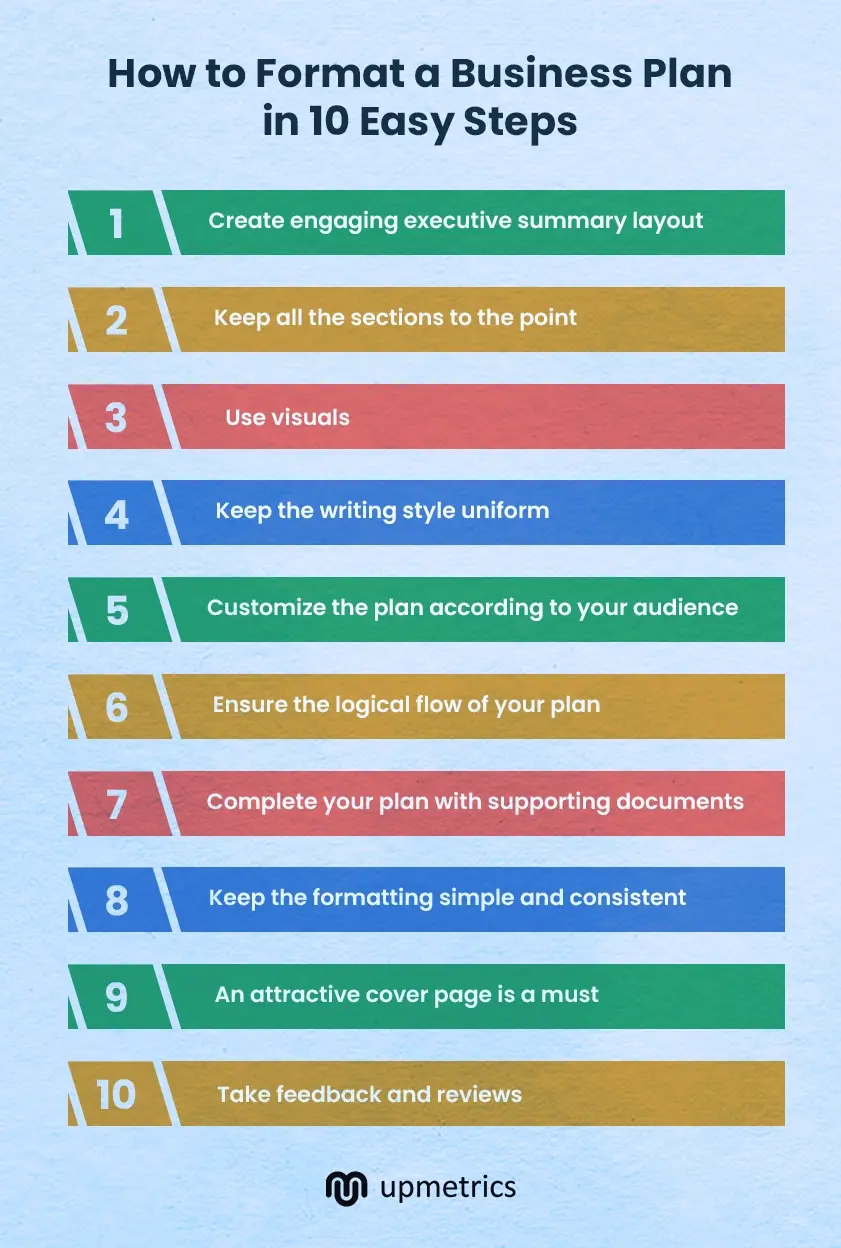
Tailor the depth and emphasis of your financial sections based on who will be reading your plan. A plan for a bank loan will emphasize collateral, cash flow, and repayment capacity, while a plan for a venture capitalist will focus more on growth potential, scalability, and return on investment. Always consider what financial metrics matter most to your specific audience.
Regular Review and Updates
A business plan is not a static document. It’s a living instrument that should be reviewed and updated regularly, especially its financial sections, to reflect actual performance, market changes, and strategic shifts. Treat it as a dynamic financial blueprint, adjusting your projections and strategies as new information becomes available. This ongoing engagement ensures its continued relevance and utility.
Seek Expert Advice
Don’t hesitate to consult with financial professionals. Accountants, financial advisors, business consultants, and legal experts can provide invaluable insights, help refine your financial projections, ensure compliance, and strengthen your overall plan. Their expertise can uncover blind spots, optimize your financial structure, and significantly enhance the credibility and robustness of your business plan. Investing in professional advice upfront can save significant financial headaches down the line.
In conclusion, writing a business plan is a fundamental exercise in financial foresight and strategic planning. It compels you to scrutinize every aspect of your venture through a financial lens, from market opportunities to operational costs and revenue generation. By meticulously detailing your financial projections, understanding your cash flow, and articulating a clear path to profitability, you create a powerful document that not only guides your own decisions but also instills confidence in potential investors and lenders. In the intricate world of money, a well-crafted business plan is your most valuable asset, transforming abstract ideas into tangible financial success.
aViewFromTheCave is a participant in the Amazon Services LLC Associates Program, an affiliate advertising program designed to provide a means for sites to earn advertising fees by advertising and linking to Amazon.com. Amazon, the Amazon logo, AmazonSupply, and the AmazonSupply logo are trademarks of Amazon.com, Inc. or its affiliates. As an Amazon Associate we earn affiliate commissions from qualifying purchases.