
In the competitive landscape of modern business, an offer is far more than just a proposal of goods or services; it is a meticulously crafted brand statement. It’s a direct communication of your corporate identity, your value proposition, and your commitment to solving a client’s specific challenges. A compelling business offer is a strategic tool that not only outlines a transaction but powerfully reinforces your brand’s presence, communicates its unique essence, and lays the foundation for enduring client relationships. It is the culmination of your brand strategy, translating abstract values into tangible solutions that resonate deeply with potential partners.
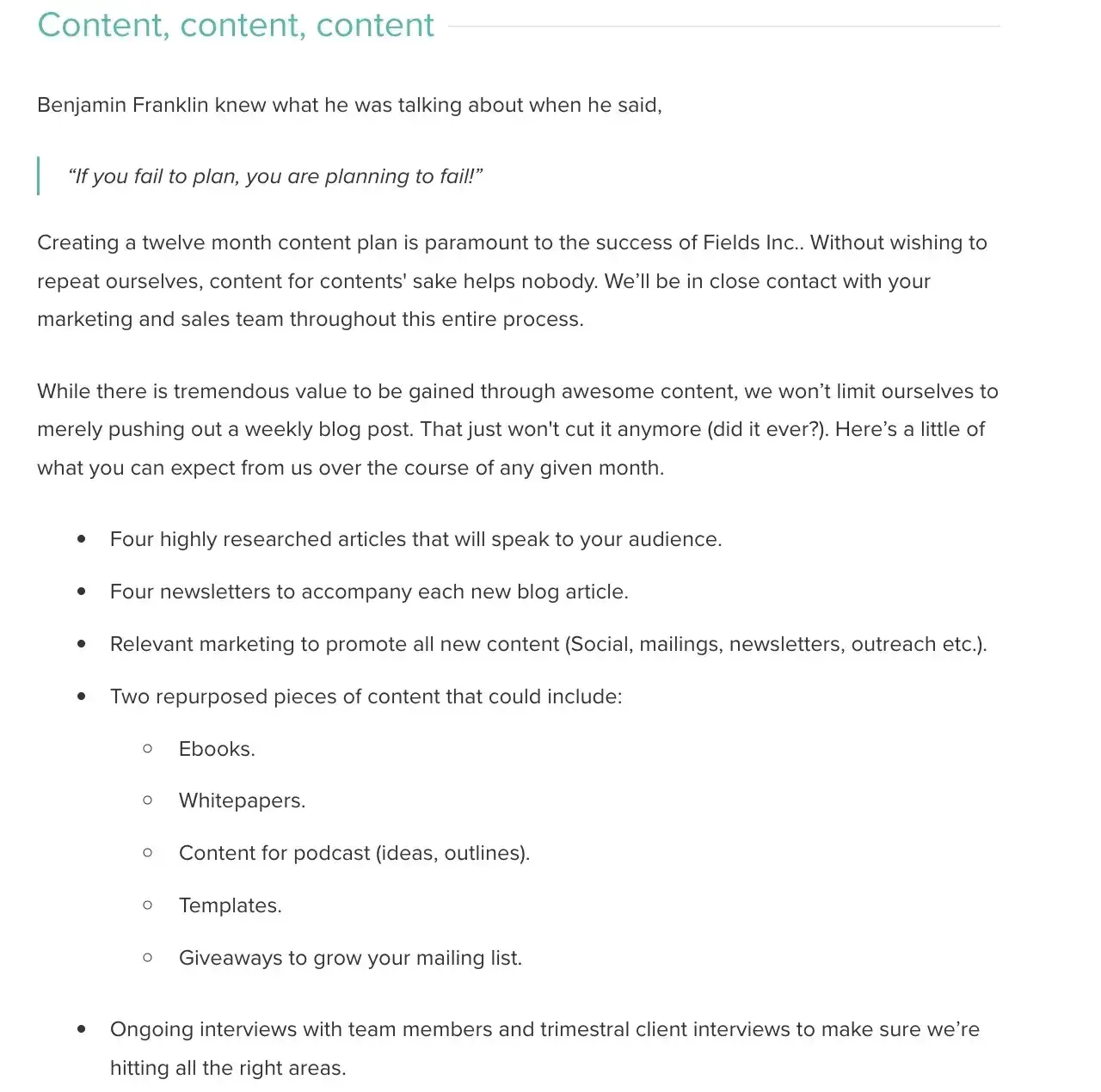
This article delves into the art and science of writing business offers that don’t just get read, but get accepted, by positioning your brand effectively at every stage. We’ll explore how to transform a mere document into a persuasive narrative that showcases your brand’s strength, understanding, and dedication, ultimately driving growth and solidifying your market position.
The Business Offer as a Brand Statement
Every interaction a potential client has with your company contributes to their perception of your brand. The business offer, often a pivotal point in the sales cycle, is a critical opportunity to make a powerful, positive, and lasting impression. It’s not merely a technical document detailing services and prices; it’s a strategic marketing piece that embodies your brand’s philosophy and promise.
Beyond a Transaction: Communicating Your Brand’s Value and Vision
A truly effective business offer transcends the transactional. It tells a story – your brand’s story – in the context of the client’s needs. This narrative should clearly articulate not just what you offer, but why it matters, and how it aligns with your client’s aspirations. It’s about illustrating the future state your brand helps them achieve, painting a vivid picture of success that your solution enables.
Consider your brand’s core values. Are you innovative, reliable, customer-centric, or pioneering? Your offer should subtly, yet consistently, reflect these values. If innovation is a cornerstone of your brand, highlight how your proposed solution leverages cutting-edge approaches or proprietary methodologies. If reliability is key, emphasize your track record, your support systems, and the guarantees you provide. This consistent communication of value helps differentiate your brand in a crowded market, moving the conversation beyond mere cost to the holistic value and trustworthiness your brand brings. It positions your company not just as a vendor, but as a strategic partner invested in the client’s long-term success.
Furthermore, an offer is an opportunity to communicate your brand’s vision. If your brand is committed to sustainability, for example, and your offer includes eco-friendly practices or products, make that connection explicit. This demonstrates brand integrity and attracts clients who share similar values, fostering deeper, more meaningful partnerships. It’s about building a connection based on shared purpose, which is a powerful component of strong brand loyalty.
Aligning Offers with Your Corporate Identity and Brand Promise
Consistency is the bedrock of a strong brand identity. Your business offer must be an unshakeable extension of your corporate identity, from its visual presentation to its tone of voice. This alignment builds trust and reinforces professionalism. A cohesive brand identity ensures that every element of your offer — the logo placement, chosen fonts, color palette, imagery, and even the language used — unmistakably belongs to your company.
The visual aesthetics of your offer are crucial. A professionally designed document, with clean layouts and high-quality graphics, signals attention to detail and a commitment to excellence, reflecting positively on your brand. Conversely, a hastily assembled, poorly formatted offer can undermine perceived credibility, regardless of the quality of the underlying solution. Think of your offer as a premium product in itself – its packaging (design) must convey the same quality as its contents.
Beyond visuals, your brand’s voice and tone must be consistent. Is your brand authoritative and serious, or approachable and innovative? The language used in your offer should mirror this. Avoid generic jargon; instead, use language that is clear, concise, and reflective of your brand’s personality. If your brand promises a streamlined, efficient service, ensure the offer itself is easy to navigate and understand. If your brand is known for its creativity, let that flair shine through in the presentation.
Ultimately, every offer must deliver on your brand promise. If your brand promises “unrivaled customer support,” the offer should explicitly detail the support mechanisms included. If it’s “innovative solutions,” the offer must articulate the unique aspects of your proposed approach. This alignment between what your brand advertises and what your offer delivers is essential for building a reputation for integrity and reliability. When clients experience this consistency, their trust in your brand deepens, paving the way for successful long-term relationships.
Strategic Research: Understanding the Client as a Brand Imperative
Before a single word of your offer is penned, the most critical step is to deeply understand the prospective client. This isn’t just a sales tactic; it’s a fundamental brand imperative. A brand that truly understands its audience can position itself as an indispensable partner, crafting solutions that resonate specifically with individual needs rather than offering generic proposals. This meticulous research forms the bedrock of a highly personalized and compelling offer, demonstrating your brand’s dedication and insight.
Unearthing Client Pain Points and Aspirations for Tailored Branding
To move beyond a templated proposal, your brand must commit to understanding the client’s unique challenges and desires. This involves a comprehensive discovery process. What specific problems are they trying to solve? What frustrations do their current solutions cause? What are their short-term objectives and long-term strategic aspirations?
Gathering this information goes beyond surface-level queries. It requires active listening, incisive questioning, and often, secondary research into their industry, competitive landscape, and recent company news. For instance, if a client recently announced a push into a new market, your offer should articulate how your brand’s solution specifically supports that expansion. If they’re struggling with operational inefficiencies, highlight how your brand’s methodology streamlines processes and reduces overhead.
By clearly demonstrating that you’ve done your homework and understand their specific context, your brand immediately establishes credibility and positions itself as a thoughtful, empathetic partner. This tailored approach shows the client that you’re not just selling a product or service; you’re offering a bespoke solution designed with their particular circumstances in mind. This level of personalization is a powerful brand differentiator, fostering a sense of being truly understood and valued. It’s about aligning your brand’s capabilities directly with their needs, making your solution feel inevitable rather than merely an option.
Identifying Opportunities for Your Brand to Provide Unique Solutions
Once pain points and aspirations are identified, the next step is to strategically map them to your brand’s unique strengths and offerings. This is where your brand intelligence comes into play. What specific aspects of your brand – your proprietary technology, your specialized expertise, your unique process, or your exceptional customer support – can directly address the client’s challenges in a way competitors cannot?
This isn’t about bragging; it’s about making a clear, compelling case for why your brand is the best fit. For example, if a client needs to scale rapidly, and your brand is known for its agility and expandable infrastructure, highlight those attributes. If they require a highly customized solution, and your brand boasts a team of expert developers or consultants, emphasize that capacity.
Furthermore, look for opportunities where your brand can provide value that the client might not even realize they need. This proactive approach demonstrates foresight and positions your brand as a strategic advisor. Perhaps your research indicates an emerging trend that will impact their business, and your solution is perfectly poised to help them capitalize on it or mitigate risks. By identifying and articulating these unique opportunities, your brand moves from being a mere vendor to an essential strategic partner. This deep understanding and the ability to connect it directly to your brand’s unique solutions transforms your offer into an irresistible proposition, showcasing your brand’s intelligence and adaptability.
Crafting Your Brand’s Value Proposition in the Offer
The heart of any compelling business offer lies in its value proposition. This is where your brand truly shines, articulating not just what you do, but the profound difference you make. It’s about distilling your brand’s essence into a clear, concise, and persuasive statement that leaves no doubt about the tangible benefits and superior outcomes your client will receive. A strong value proposition is a cornerstone of brand messaging, acting as the magnetic force that draws clients towards your solution.
Distilling Your Unique Selling Proposition (USP) for Maximum Impact
Your Unique Selling Proposition (USP) is what sets your brand apart from the competition. In your business offer, this must be crystal clear and highly impactful. What singular advantage, characteristic, or benefit does your brand offer that no one else can? Or, at the very least, what do you do significantly better or differently?
To maximize impact, your USP should be woven throughout the offer, not just stated once. It should be evident in your executive summary, reinforced in your solution description, and subtly underscored in your case studies or testimonials. For example, if your USP is “the fastest delivery in the industry,” quantify it (e.g., “guaranteed 24-hour turnaround”). If it’s “unparalleled expertise in [niche],” provide evidence through team bios or specific project examples.
The key is to articulate your USP in a way that directly addresses the client’s needs and pain points. It’s not enough to say you’re “innovative”; you must explain how that innovation translates into a direct benefit for them. This clarity makes your brand’s distinctiveness undeniable and immediately relevant to the client’s situation, positioning you as the optimal choice.
Translating Features into Client-Centric Brand Benefits
One of the most common pitfalls in business offers is focusing too heavily on features rather than benefits. While features describe what your product or service is or does, benefits explain what it means for the client. This distinction is crucial for brand appeal. Clients buy solutions, not specifications.
For example, a feature might be “our software has an AI-powered analytics module.” The corresponding benefit, framed through your brand’s lens, would be: “This means your team gains predictive insights 50% faster, allowing for more agile decision-making and a significant competitive advantage.” Notice how the benefit directly links to improved performance and tangible business outcomes.
When writing your offer, meticulously review every feature you mention and ask yourself: “So what for the client?” Then, rephrase it to highlight the positive impact on their business, their efficiency, their revenue, or their peace of mind. This approach demonstrates your brand’s understanding of their world and its commitment to their success, transforming your offerings from mere capabilities into powerful value propositions. This client-centric perspective elevates your brand from a provider to a partner.
Quantifying the Brand’s Impact and ROI for the Client
In the business world, numbers speak volumes. Quantifying the potential impact and Return on Investment (ROI) your brand can deliver is a highly persuasive element of any offer. It moves your proposition from abstract promises to concrete financial or operational gains, making it easier for clients to justify their investment.
Whenever possible, provide tangible metrics. Will your solution reduce costs by a certain percentage? Increase revenue by a specific amount? Save X number of hours per week? Improve customer satisfaction scores by Y points? Use data from similar projects, industry benchmarks, or even conservative estimates based on your expertise.
For instance, instead of saying, “Our marketing strategy will boost your online presence,” say, “Our marketing strategy is projected to increase your website traffic by 30% and conversion rates by 10% within six months, leading to an estimated [X] additional leads annually.”
By presenting clear, quantifiable benefits, your brand demonstrates a results-oriented approach and an understanding of the client’s bottom line. This not only builds confidence but also provides a compelling business case for choosing your brand, positioning you as a value driver rather than an expense. It reinforces your brand’s promise of delivering measurable success and tangible returns.
Structuring and Designing Your Brand-Centric Offer
The structure and design of your business offer are as critical as its content. A well-organized, visually appealing document enhances readability, reinforces professionalism, and ensures that your brand’s message is received with maximum impact. This strategic presentation is an integral part of your corporate identity, signaling competence and attention to detail.
Essential Components: From Executive Summary to Terms & Conditions
A logically structured business offer guides the reader seamlessly through your proposal, building a compelling case step by step. While specific sections may vary by industry, common essential components include:
- Executive Summary: This is arguably the most crucial section. It’s a concise, powerful overview that highlights the client’s key challenge, your proposed solution, and the primary benefits and ROI. It should be a standalone piece that, if read alone, conveys the essence of your offer and compels further reading. Ensure it clearly articulates your brand’s understanding and unique value.
- Client Needs & Understanding: Reiterate your understanding of the client’s situation, challenges, and objectives. This demonstrates that you’ve listened and tailored your brand’s approach specifically for them.
- Proposed Solution: Detail your brand’s specific products, services, or strategies that will address the identified needs. Break down complex solutions into digestible components, explaining how they work.
- Benefits & Value Proposition: Elaborate on how your proposed solution translates into tangible benefits for the client, leveraging the client-centric and quantifiable approach discussed earlier. This is where your brand’s unique strengths are highlighted.
- Project Plan/Methodology: Outline the steps, timelines, and resources required to implement the solution. This provides transparency and demonstrates your brand’s organized approach.
- Team & Qualifications: Introduce the key individuals or teams involved, highlighting their expertise and how it reinforces your brand’s capabilities. Include relevant experience or certifications.
- Investment/Pricing: Clearly state the cost of your solution. Break down pricing into digestible components, if applicable, and explain the value represented by each. Be transparent about payment terms.
- Case Studies/Testimonials: Provide evidence of your brand’s past success with similar clients. This builds social proof and credibility.
- Terms & Conditions: Outline the legal and contractual specifics, including scope of work, deliverables, intellectual property, confidentiality, and cancellation policies. This protects both parties.
- Call to Action & Next Steps: Clearly state what you want the client to do next and what the process for moving forward entails.
Each section should flow logically into the next, creating a coherent and persuasive narrative that champions your brand.
The Power of Visual Branding and Professional Design
First impressions matter immensely, and the visual presentation of your offer speaks volumes about your brand’s professionalism and attention to detail. A professionally designed offer is not just aesthetically pleasing; it enhances readability, organizes information effectively, and reinforces your corporate identity.
- Brand Consistency: Use your company’s official logo, brand colors, and fonts consistently throughout the document. This reinforces recognition and strengthens your brand’s presence.
- Clean Layout: Employ ample white space to prevent the document from looking cluttered. Use headings, subheadings, bullet points, and numbered lists to break up text and make it easy to scan.
- High-Quality Imagery: Incorporate relevant, high-resolution images, charts, graphs, or infographics to illustrate complex ideas, showcase your team, or visualize data. Ensure all visuals are professional and on-brand.
- Professional Templates: Consider investing in professional proposal templates or working with a graphic designer to create a custom template that reflects your brand’s unique aesthetic and makes it easy to generate polished offers.
- Accessibility: Ensure your design choices (e.g., font size, color contrast) make the document accessible and easy to read for all potential clients.
A well-designed offer not only makes your proposal more engaging but also subtly communicates your brand’s commitment to quality in every aspect of its operations.
Articulating Your Brand Voice and Tone Throughout
Beyond visual elements, the language you use in your offer is a direct reflection of your brand’s personality and voice. Consistency in tone builds trust and makes your offer feel authentic.
- Establish Your Brand Voice: Is your brand authoritative, innovative, approachable, friendly, formal, or results-driven? Your offer should reflect this. If your brand generally uses a formal, corporate tone in its marketing, maintain that formality in your offer. If your brand is known for its friendly and conversational style, let that shine through.
- Clarity and Conciseness: Regardless of your specific tone, aim for clear, concise, and unambiguous language. Avoid jargon unless it’s absolutely necessary and understood by your audience. Every sentence should add value and move the conversation forward.
- Confidence and Authority: Project confidence in your brand’s ability to deliver. Use strong, active verbs. Avoid tentative language that might suggest uncertainty. Your offer should exude expertise and competence.
- Client-Centric Language: While maintaining your brand voice, always frame your language from the client’s perspective. Use “you” more than “we” or “our” to focus on their needs and benefits.
- Proofreading: Typos and grammatical errors can severely undermine your brand’s credibility. Meticulously proofread your offer, or better yet, have multiple team members review it, to ensure it is flawless.
By paying careful attention to structure, design, and brand voice, you transform your business offer into a powerful communication tool that not only presents your solution but also powerfully reinforces your brand’s identity and values, paving the way for a successful partnership.
Presenting and Nurturing the Offer to Strengthen Client Relationships
The act of writing a business offer is just one part of the journey; how it’s presented and subsequently nurtured plays an equally critical role in closing the deal and, more importantly, in cementing the client’s perception of your brand. This phase is a crucial opportunity to reinforce your brand’s commitment to partnership, responsiveness, and unparalleled service. It’s about demonstrating that your brand is not just about proposals, but about building lasting relationships.
Delivering with Confidence and Consistent Brand Messaging
The presentation of your offer, whether in person, via video conference, or through a compelling digital delivery, is a moment to shine. Your brand’s representative must embody the confidence, expertise, and professionalism that your offer document already reflects.
- Personalized Delivery: Whenever possible, present the offer live. This allows for immediate clarification, addresses questions in real-time, and builds rapport. Use the opportunity to reiterate the personalized nature of the offer, emphasizing how your brand specifically crafted this solution for their unique needs.
- Highlight Key Takeaways: Don’t just read the offer aloud. Guide the client through the most critical sections, focusing on the Executive Summary, the main benefits, and the ROI. Emphasize how your brand’s solution directly alleviates their pain points and helps them achieve their goals.
- Reinforce Brand Messaging: Throughout the presentation, consistently tie back to your brand’s core values and unique selling propositions. If your brand emphasizes innovation, highlight the innovative aspects of your solution. If it’s about reliability, mention your robust support system. Every spoken word should align with and reinforce the written brand promise.
- Professional Demeanor: Your presentation style should mirror your brand’s tone. Be articulate, enthusiastic, and attentive. Maintain eye contact, listen actively, and project an image of competence and trustworthiness. This human element is invaluable in strengthening the brand perception.
A confident, well-prepared presentation that consistently delivers your brand’s message elevates the offer from a mere document to a compelling, interactive experience that builds trust and enthusiasm.
Handling Objections: Reaffirming Your Brand’s Value
It’s rare for an offer to be accepted without any questions or objections. How your brand handles these concerns is a defining moment for its relationship with the client. It’s an opportunity to demonstrate empathy, flexibility, and unwavering belief in your brand’s value.
- Listen Actively: Before responding, ensure you fully understand the objection. Is it about cost, scope, timeline, perceived risk, or something else? Rephrase the objection to confirm your understanding. This shows respect and genuine interest in their concerns, reinforcing a client-centric brand image.
- Address Concerns Directly and Honestly: Don’t shy away from objections. Provide clear, concise, and truthful answers. If a concern about cost arises, pivot back to the value and ROI your brand provides, perhaps illustrating how the initial investment will yield significant returns or mitigate future expenses.
- Reframe Objections as Opportunities: Sometimes, an objection can reveal a deeper underlying need or misunderstanding. Use it as an opportunity to further educate the client on a particular aspect of your brand’s solution or to suggest a slight modification that better aligns with their evolving requirements. This demonstrates your brand’s adaptability and problem-solving prowess.
- Reinforce Brand Differentiators: When facing competitive comparisons, reiterate your brand’s unique selling proposition and what truly sets you apart. Focus on your distinct advantages rather than disparaging competitors. This maintains a professional and confident brand image.
- Offer Solutions, Not Just Answers: If the client is concerned about a timeline, propose an accelerated phase-one approach. If they’re worried about implementation complexity, highlight your brand’s dedicated support team and robust onboarding process. This proactive problem-solving reinforces your brand’s commitment to finding solutions.
Effectively addressing objections transforms potential roadblocks into opportunities to deepen the client’s understanding and appreciation of your brand, solidifying their confidence in your partnership.

Strategic Follow-Up to Cement Trust and Partnership
The follow-up process is not just about “checking in”; it’s a strategic extension of your brand’s commitment to service and relationship building. It’s about maintaining momentum, providing ongoing value, and reinforcing your dedication to the client.
- Timely and Thoughtful Communication: Follow up promptly after the presentation, typically within 24-48 hours. Your communication should be thoughtful, referencing specific points discussed and reiterating key benefits. Avoid generic emails; make each follow-up personalized and valuable.
- Provide Additional Value: Instead of just asking, “Any questions?”, consider sending a relevant case study, an industry insight, a whitepaper, or a link to a blog post that further addresses a topic discussed during the meeting. This positions your brand as a helpful resource and expert in your field.
- Clarify Next Steps: Reiterate the agreed-upon next steps and deadlines. Make it easy for the client to move forward, whether that’s scheduling another meeting, providing additional information, or signing the agreement.
- Personalized Reminders: If a decision timeline was established, send a polite, non-intrusive reminder as the deadline approaches. Frame it as an offer to answer any lingering questions.
- Long-Term Nurturing: Even if the offer isn’t immediately accepted, maintain a nurturing relationship. Periodically share relevant insights or news, without being overly salesy. This keeps your brand top of mind for future opportunities and demonstrates a genuine interest in their long-term success, regardless of an immediate transaction.
A strategic and consistent follow-up process reinforces your brand’s professionalism, attentiveness, and commitment to fostering genuine partnerships, ultimately paving the way for successful collaborations and sustained business growth.
In conclusion, crafting a compelling business offer is an intricate dance between strategic content and impeccable brand presentation. It’s a powerful opportunity to not only present your solutions but also to deeply embed your corporate identity, unique value, and unwavering commitment to client success in the minds of prospective partners. By approaching the offer as a holistic brand statement – from understanding the client’s unique needs to meticulously structuring and professionally presenting your solution – you elevate it beyond a mere proposal. You transform it into a persuasive narrative that reinforces trust, communicates tangible value, and lays the groundwork for enduring, mutually beneficial relationships, ultimately driving your brand’s reputation and commercial triumph.
aViewFromTheCave is a participant in the Amazon Services LLC Associates Program, an affiliate advertising program designed to provide a means for sites to earn advertising fees by advertising and linking to Amazon.com. Amazon, the Amazon logo, AmazonSupply, and the AmazonSupply logo are trademarks of Amazon.com, Inc. or its affiliates. As an Amazon Associate we earn affiliate commissions from qualifying purchases.