
In an increasingly digital financial landscape, prepaid cards have carved out a significant niche, offering a convenient and often accessible way to manage funds without the need for a traditional bank account or credit history. From managing travel expenses to receiving benefits or wages, these cards provide a practical alternative for many. However, the seemingly straightforward act of withdrawing money from a prepaid card, especially online, can sometimes present a labyrinth of options, restrictions, and fees. This guide aims to demystify the process, offering a comprehensive look at the various methods and crucial considerations for effectively moving funds from your prepaid card to your desired destination.

Understanding Prepaid Cards and Their Digital Footprint
Before delving into the “how-to,” it’s essential to grasp the fundamental nature of prepaid cards and how they operate within the digital financial ecosystem. Unlike credit cards, which offer a line of credit, or debit cards, which are linked directly to a bank account, prepaid cards are loaded with funds beforehand. You can only spend what you’ve loaded onto the card. This characteristic makes them a powerful tool for budgeting and financial control, but also introduces specific dynamics when it comes to cash withdrawals, particularly online.
What is a Prepaid Card, Truly?
A prepaid card functions much like a debit card for transactions, carrying the logo of major payment networks like Visa, Mastercard, American Express, or Discover. They can be used anywhere these networks are accepted, both online and in brick-and-mortar stores. The key differentiator is that they are not tied to a bank account in the traditional sense, nor do they extend credit. Instead, they hold a pre-loaded balance. This balance can be loaded via various methods: direct deposit, cash loads at retail locations, bank transfers, or even transfers from other cards. Understanding the specific type of prepaid card you possess (e.g., reloadable, non-reloadable, general-purpose, payroll, gift) is the first step in determining your withdrawal options.
Navigating the Nuances of Online Withdrawal Limitations
While prepaid cards excel at facilitating online spending, their utility for online withdrawal can vary significantly. Many cards are designed primarily for point-of-sale transactions or online purchases, not for direct cash disbursement via digital channels. Issuers often impose restrictions to prevent money laundering, fraud, or simply because their business model prioritizes transaction fees over direct cash access. Common limitations include:
-
No direct bank transfer option: Many prepaid cards lack an integrated feature to directly transfer funds to an external bank account.
-
Fees for certain transactions: Even if online withdrawal is possible, it might incur significant fees, making it less appealing.
-
Daily/Monthly limits: Caps on how much can be withdrawn or transferred within specific timeframes.
-
Verification requirements: Enhanced identity verification might be necessary for larger transfers.
-
Network restrictions: The card’s specific payment network (Visa, Mastercard, etc.) and its issuer dictate the available services.
The primary motivation for seeking an online withdrawal is often convenience, the absence of an ATM nearby, or the desire to consolidate funds into a main bank account or digital wallet. Regardless of the reason, understanding these inherent limitations is crucial for setting realistic expectations and exploring viable alternatives.
Direct Online Transfer Methods: Bridging the Gap
For some prepaid cards, especially those offered by banks or larger financial institutions, direct online transfer options do exist. These are often the most straightforward methods if your card supports them.
Linking to External Bank Accounts
The most coveted method for online withdrawal is the direct transfer of funds from your prepaid card to a linked bank account. Some advanced reloadable prepaid cards, particularly those marketed as alternatives to traditional checking accounts, offer this functionality.
-
Process: Typically, you would log into your prepaid card’s online portal, navigate to a “transfer funds” or “manage money” section, and add your external bank account details (account number and routing number). After a verification process (often involving small test deposits), you can initiate transfers.
-
Considerations: Transfers might take 1-3 business days to process. Fees may apply for expedited transfers or even standard transfers, depending on the card issuer. Always check the card’s terms and conditions or the online portal’s FAQ section for specific instructions and fee schedules.
Utilizing Peer-to-Peer (P2P) Payment Services
P2P payment platforms like PayPal, Venmo, Cash App, or Zelle have revolutionized how individuals send and receive money. While their primary function is often sending money from a bank account or debit card, some prepaid cards can be used as a funding source. The key here is to leverage the platform for an indirect withdrawal.
-
Process:
-
Link your prepaid card: Add your prepaid card as a payment method within your chosen P2P app. This usually involves entering the card number, expiration date, and CVV.
-
Send money to yourself (indirectly): If your prepaid card can fund payments, you might be able to send money from your prepaid card (via the P2P app) to another account you control on the same P2P platform, or to a trusted friend who can then send it back to your primary P2P account linked to your bank.
-
Withdraw from P2P platform: Once the funds are in your P2P balance, you can typically withdraw them to your linked bank account.
-
-
Considerations: Not all prepaid cards allow funding P2P payments. Some only allow linking for receiving funds or for specific types of purchases. Fees might apply for instant transfers from the P2P platform to your bank. This method often involves a higher degree of risk if you involve a third party, so proceed with extreme caution and only with trusted individuals.
Leveraging Third-Party Platforms for Indirect Withdrawal
When direct transfers aren’t an option, third-party digital wallets and services can act as intermediaries, providing a pathway to withdraw funds. These methods involve adding your prepaid card as a funding source to an online wallet and then moving funds from that wallet to your bank.
Employing Online Wallets (e.g., PayPal, Skrill, Neteller)
Online wallets are designed to hold funds and facilitate various transactions, including payments, transfers, and sometimes withdrawals to linked bank accounts. They are one of the most common and effective indirect methods for withdrawing from a prepaid card online.
-
Process:
-
Create/Login to your online wallet: Set up an account with a reputable online wallet service (e.g., PayPal, Skrill, Neteller). Complete any necessary identity verification steps.
-
Link your prepaid card: Add your prepaid card as a payment method to your online wallet. This allows the wallet to “pull” funds from the card.
-
Transfer funds from card to wallet: Use the online wallet’s “add money,” “top up,” or “load” feature, selecting your prepaid card as the source. This effectively moves the balance from your prepaid card into your online wallet balance.
-
Withdraw from wallet to bank: Once the funds are in your online wallet, initiate a withdrawal to your bank account, which you would have previously linked and verified with the wallet service.
-
-
Considerations: Fees may apply for adding funds from the card to the wallet, and for withdrawing from the wallet to your bank account. Processing times can vary, typically 1-5 business days for bank transfers. Not all prepaid cards can be successfully linked or used to add funds to all online wallets; some issuers block these transactions.
Online Bill Pay Services (for Indirect Cash-Out)

While not a direct cash withdrawal, some prepaid cards can be used to pay bills online. If you have a bill that can be paid with a prepaid card, and you have a friend or family member who owes you money or can reimburse you, you could potentially use your prepaid card to pay their bill. They then repay you in cash or by transferring funds to your bank account.
- Considerations: This is a highly indirect and less secure method. It relies on the trust between parties and the specific bill payment options. It’s not a true “withdrawal” but an indirect way to convert card balance into spendable funds outside the card.
Exploring Alternative Digital Cash-Out Strategies
Beyond direct transfers and online wallets, other digital methods, while perhaps less common or direct, can offer avenues for accessing your prepaid card funds.
Leveraging Money Transfer Services
Services like Western Union or MoneyGram allow you to send money to individuals globally. If your prepaid card can be used to fund a transaction on these platforms, you could theoretically send money to yourself or a trusted recipient, who could then pick up the cash at an agent location.
-
Process:
-
Visit the service’s website: Go to Western Union or MoneyGram’s online portal.
-
Initiate a money transfer: Select “send money,” specifying yourself as the recipient if picking up in person, or a trusted individual.
-
Fund with prepaid card: Use your prepaid card as the payment method.
-
Collect funds: The recipient (you or another) can then collect the cash at a physical agent location.
-
-
Considerations: This method incurs significant fees, which can eat into your balance. It also bypasses the “online withdrawal” aspect by requiring a physical pick-up. Always confirm your prepaid card can be used for such transactions, as some issuers block them.
Virtual Cards and Digital Wallets (Apple Pay, Google Pay)
While not direct withdrawal methods themselves, these technologies enhance the usability of your prepaid card in online environments. If your prepaid card can be linked to Apple Pay, Google Pay, or can generate virtual card numbers, it broadens its acceptance for online purchases. This allows you to spend the funds more easily, potentially reducing the need for a direct cash withdrawal by enabling you to pay for more services or goods directly with the card. Some digital wallets (like PayPal) allow you to withdraw funds that originated from a virtual card associated with your prepaid balance, back to a bank account.
Important Considerations and Best Practices
Successfully navigating online prepaid card withdrawals requires diligence and an understanding of the potential pitfalls.
Understanding Fees and Limits
Fees are the silent predators of online withdrawals. Each method discussed – direct bank transfers, P2P services, online wallets, and money transfer services – can carry its own fee structure. These might include:
-
Transaction fees: A flat fee or percentage per transfer.
-
Conversion fees: If transferring across currencies.
-
Expedited transfer fees: For faster processing.
-
Inactivity fees: Some prepaid cards charge if not used for a period.
Similarly, be aware of daily, weekly, or monthly withdrawal and transfer limits imposed by both your card issuer and the third-party platforms you use. These limits are designed for security but can hinder large transfers. Always consult the terms and conditions of both your prepaid card and the service you intend to use.
Security Measures and Fraud Prevention
Online financial transactions always carry inherent risks. When dealing with prepaid cards, which sometimes offer less robust fraud protection than traditional bank accounts, vigilance is paramount.
-
Use strong, unique passwords: For all online accounts associated with your card (issuer portal, online wallets, P2P apps).
-
Enable two-factor authentication (2FA): Where available, 2FA adds an extra layer of security.
-
Be wary of phishing attempts: Never click on suspicious links or provide card details in response to unsolicited emails or messages.
-
Only use reputable platforms: Stick to well-known and trusted online wallets and money transfer services.
-
Monitor your card activity: Regularly check your transaction history for any unauthorized activity. Report suspicious transactions immediately to your card issuer.
Checking Card Terms and Conditions
This cannot be stressed enough: the specific capabilities of your prepaid card are dictated by its issuer. Before attempting any online withdrawal method, meticulously review the cardholder agreement, terms and conditions, or FAQ section on your card issuer’s website. This document will outline:
-
Allowed transaction types: Whether direct bank transfers or external wallet loading are permitted.
-
Associated fees: A complete list of all charges.
-
Withdrawal and transfer limits.
-
Verification requirements.
-
Customer support contact information.
Ignorance of these terms can lead to frustrating failed attempts, unexpected fees, or even the inability to access your funds as desired.
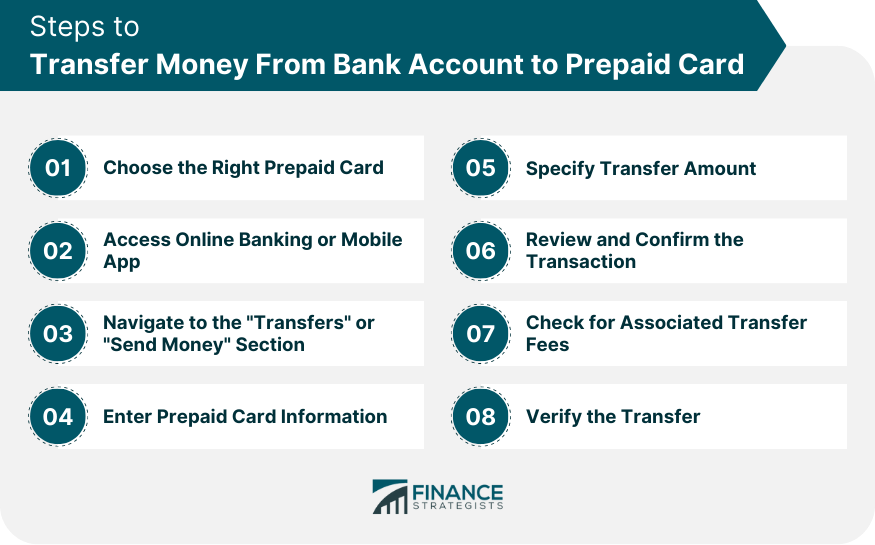
Customer Support and Troubleshooting
If you encounter issues, whether it’s a failed transfer, an unrecognized fee, or simply confusion about the process, contact the customer support of your prepaid card issuer first. They possess the most accurate information regarding your card’s specific features and limitations. If the issue pertains to a third-party platform (e.g., PayPal), then their respective customer support should be your next point of contact.
In conclusion, withdrawing money from a prepaid card online is rarely as simple as clicking a “withdraw” button. It often involves understanding the specific features of your card, leveraging third-party digital financial tools, and navigating a landscape of fees and security considerations. By carefully researching your options, adhering to best practices, and understanding the terms that govern your specific card, you can successfully manage and access your prepaid card funds in the digital realm, ensuring they serve their purpose as a flexible financial instrument.
aViewFromTheCave is a participant in the Amazon Services LLC Associates Program, an affiliate advertising program designed to provide a means for sites to earn advertising fees by advertising and linking to Amazon.com. Amazon, the Amazon logo, AmazonSupply, and the AmazonSupply logo are trademarks of Amazon.com, Inc. or its affiliates. As an Amazon Associate we earn affiliate commissions from qualifying purchases.