
The landscape of home entertainment has undergone a radical transformation over the last decade. The traditional image of live television—characterized by bulky satellite dishes and tangled coaxial cables—has been largely superseded by a sophisticated digital ecosystem. Today, “watching live TV” is no longer synonymous with a cable subscription; it is a tech-driven experience powered by high-speed internet, advanced software architectures, and specialized hardware.
As we move further into the era of cord-cutting, understanding how to navigate this technological shift is essential. This guide explores the hardware, software, and digital infrastructure required to access live broadcasts in the modern age, focusing on the technical trends and gadgets that make it possible.

1. The Hardware Evolution: Gadgets and Devices for Live Delivery
To access live television today, the hardware layer is the first point of consideration. The industry has moved toward a “decoupled” model where the display (the TV) and the delivery mechanism (the tuner or processor) are often separate, or integrated via sophisticated operating systems.
Smart TVs and Integrated Operating Systems
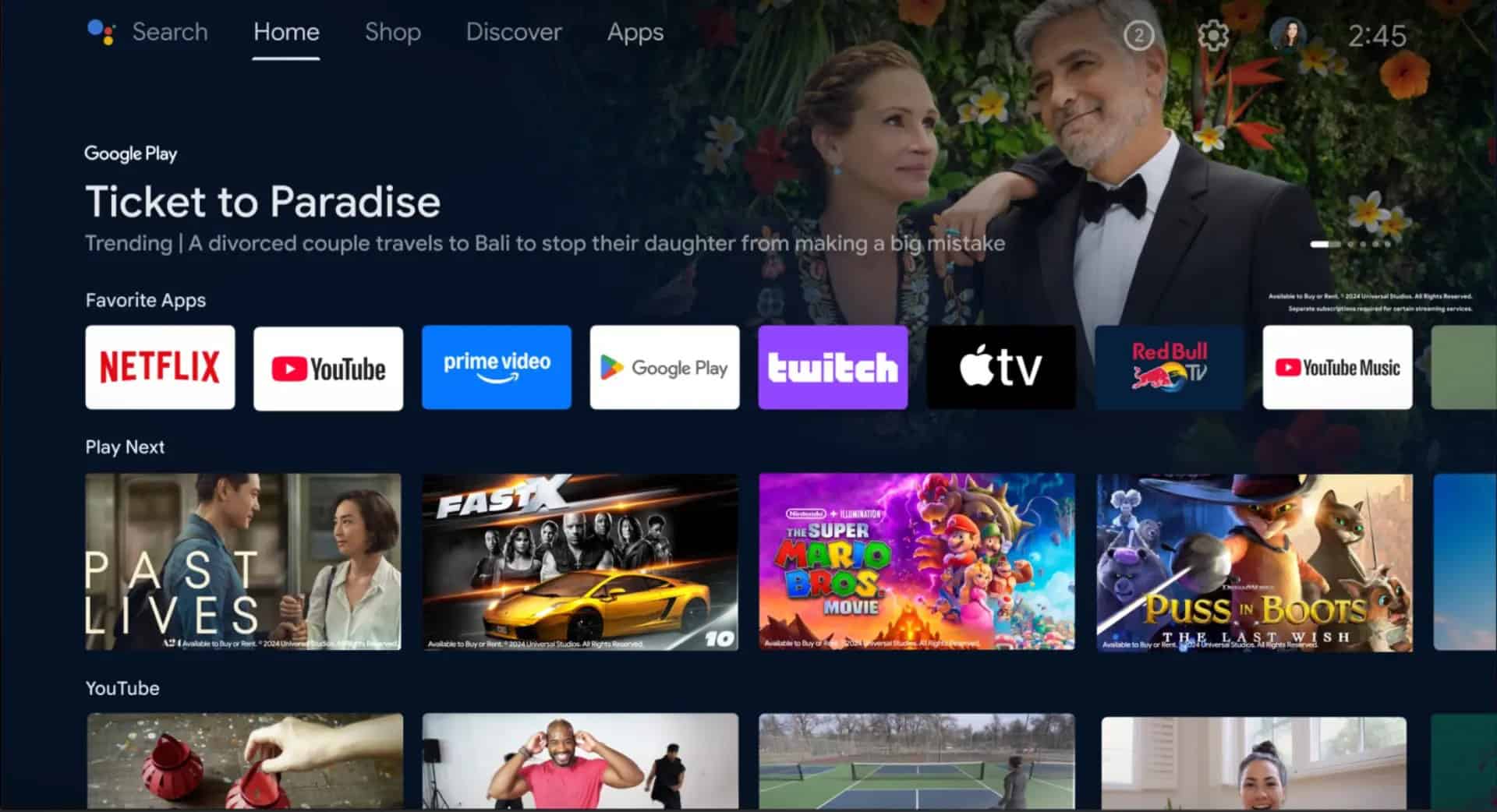
Most modern televisions are “Smart TVs,” meaning they come equipped with an internal processor and a dedicated operating system (OS). Systems like Samsung’s Tizen, LG’s webOS, and Google TV serve as the foundational software layer for live TV. These platforms integrate live tuners with internet-based applications, allowing users to toggle between a digital antenna signal and a streaming live feed seamlessly. The tech trend here is the shift toward “Content-First” interfaces, where AI-driven algorithms aggregate live content from multiple apps onto a single home screen.
Streaming Media Players (SMPs)
For those without a Smart TV, or for users seeking a more powerful interface, dedicated streaming gadgets are the gold standard. Devices such as the Apple TV 4K, Roku Ultra, and Amazon Fire TV Stick 4K Max provide superior processing power compared to built-in TV chips. From a technical standpoint, these devices are essential for handling high-bitrate live streams and advanced video codecs like HEVC (H.265) or AV1. These gadgets ensure that the live feed remains stable, supporting features like 4K UHD resolution and Dolby Vision HDR, which are increasingly common in live sports broadcasting.
The Return of Over-the-Air (OTA) Tech: ATSC 3.0
While much of the focus is on the internet, the technology of terrestrial broadcasting has also evolved. ATSC 3.0, also known as “NextGen TV,” is the latest version of the broadcast standard. Unlike the older digital signals, ATSC 3.0 is IP-based, meaning it combines broadcast airwaves with the internet. Watching live TV via a modern digital antenna now allows for 4K resolution and interactive features previously only available on high-end streaming platforms.
2. Software-Driven Live TV: The Rise of OTT and vMVPDs
The transition from hardware-based decryption (cable boxes) to software-based authentication has birthed the “Over-the-Top” (OTT) revolution. Live TV is now delivered as data packets over the open internet, managed by complex software platforms known as vMVPDs.
Virtual Multichannel Video Programming Distributors (vMVPDs)
Services such as YouTube TV, Hulu + Live TV, and FuboTV are technically classified as vMVPDs. These software platforms replicate the traditional cable bundle but deliver it via an app. The underlying technology involves massive content delivery networks (CDNs) that cache live video signals in data centers close to the end-user to minimize buffering. For the consumer, the “how-to” involves selecting a software ecosystem that supports their specific device and offers the technical features they need, such as cloud-based DVR.
Cloud DVR and Server-Side Storage
One of the most significant tech advancements in live TV is the shift from local hard-drive recording to Cloud DVR. When you “record” a live show today, you aren’t saving bits to a physical device in your living room; instead, the software flags a specific stream on a remote server for your account. This allows for virtually unlimited simultaneous recordings and the ability to access live-recorded content on any device, from a smartphone to a tablet, regardless of location.
FAST Channels: The New Technical Standard for Free TV
Free Ad-supported Streaming TV (FAST) channels represent a growing trend in the tech space. Platforms like Pluto TV and Tubi use a linear “lean-back” experience powered by automated scheduling software. This tech mimics traditional TV channels but operates entirely through digital streaming. The growth of FAST channels is a testament to the industry’s ability to use software to monetize deep libraries of content via dynamic ad insertion (DAI), which swaps out commercials in real-time based on the viewer’s digital profile.
3. Optimizing Digital Infrastructure for Live Streaming
Watching live TV over the internet is technically more demanding than streaming on-demand content like Netflix. On-demand video can be buffered minutes in advance; live TV, particularly sports and news, requires “low-latency” delivery to ensure the viewer isn’t seeing a goal scored thirty seconds after it happened.
Network Stability and Bandwidth Requirements
To maintain a high-definition live stream (1080p or 4K), a robust home network is non-negotiable. While a 25 Mbps connection is often cited as the minimum for 4K, live TV requires more “headroom” due to the variability of live bitrates. Tech enthusiasts often prioritize Wi-Fi 6 or 6E routers to handle the high density of data. For the ultimate stability, hardwiring a streaming device via an Ethernet (LAN) cable is the professional recommendation, as it bypasses the interference common in wireless frequencies.
Solving the Latency Challenge
The biggest technical hurdle in live TV today is latency—the delay between the event happening and it appearing on your screen. Traditional cable typically has a 5–10 second delay, whereas some streaming services can lag by up to 60 seconds. New streaming protocols like LL-HLS (Low-Latency HTTP Live Streaming) and WebRTC are being integrated into apps to bring these delays down to sub-five seconds, nearing the speed of “real-time” light.
Digital Security and Privacy in the Streaming Ecosystem
As live TV moves to apps, digital security becomes a vital component. Most streaming services use Digital Rights Management (DRM) to protect content, which requires the hardware to have specific security chips (like Widevine L1). Furthermore, users often employ VPNs (Virtual Private Networks) not just for privacy, but to secure their data when streaming on mobile devices over public Wi-Fi. However, it is important to note that many live TV apps utilize geo-fencing software to ensure content is restricted to specific licensing regions, often requiring the device to have GPS or IP-based location services enabled.
4. The Role of AI and Personalization in Modern TV
The future of how we watch live TV is being written by Artificial Intelligence. The “guide” of the past—a simple grid of channels—is being replaced by intelligent discovery engines.
AI-Driven Recommendation Engines
Modern live TV software uses machine learning to analyze viewing habits. If a user consistently watches live football on Sunday afternoons, the software will automatically surface the relevant game at the top of the interface as soon as the app is opened. This predictive technology reduces “search friction,” making the digital experience feel as intuitive as turning on an old-fashioned television set.
Dynamic Ad Insertion (DAI) and Targeted Delivery
From a technical and business perspective, the way ads are delivered during live TV has changed. Using DAI technology, two neighbors watching the same live broadcast can see different commercials. The stream is interrupted at the server level, and a targeted ad is “stitched” into the broadcast in real-time. This sophisticated software maneuver is invisible to the user but is a cornerstone of how free and subsidized live TV services operate in the digital age.

Conclusion: The Unified Digital Screen
Watching live TV in the current era is a sophisticated exercise in utilizing the best available technology. Whether it is through the deployment of ATSC 3.0 antennas for high-fidelity local broadcasts, the use of powerful SMP hardware for 4K streaming, or the reliance on vMVPD software for cloud-based recording, the experience is now entirely digital.
As we look forward, the boundaries between “internet video” and “live television” will continue to blur. With the integration of AI, the reduction of stream latency, and the expansion of high-speed 5G and fiber-optic networks, live TV is becoming more accessible, more interactive, and more technically advanced than ever before. For the consumer, the “how-to” is no longer about plugging in a cable; it is about choosing the right software and hardware ecosystem to power a personalized, high-performance viewing experience.
aViewFromTheCave is a participant in the Amazon Services LLC Associates Program, an affiliate advertising program designed to provide a means for sites to earn advertising fees by advertising and linking to Amazon.com. Amazon, the Amazon logo, AmazonSupply, and the AmazonSupply logo are trademarks of Amazon.com, Inc. or its affiliates. As an Amazon Associate we earn affiliate commissions from qualifying purchases.