
Securing capital is often the most significant hurdle between a visionary business concept and a thriving commercial reality. Whether you are looking to launch a startup, expand an existing operation, or manage seasonal cash flow fluctuations, understanding the mechanics of small business lending is an essential financial skill. The landscape of business finance has evolved dramatically over the last decade, shifting from a monolithic banking system to a diverse ecosystem of traditional institutions, government-backed programs, and high-tech alternative lenders.
Obtaining a small business loan is not merely a matter of filling out a form; it is a strategic process that requires financial literacy, meticulous preparation, and a clear understanding of your business’s value proposition. This guide delves into the essential steps of the lending journey, focusing on the financial metrics and strategic considerations necessary to secure the funding your enterprise requires.
Understanding Your Financing Needs and Loan Types
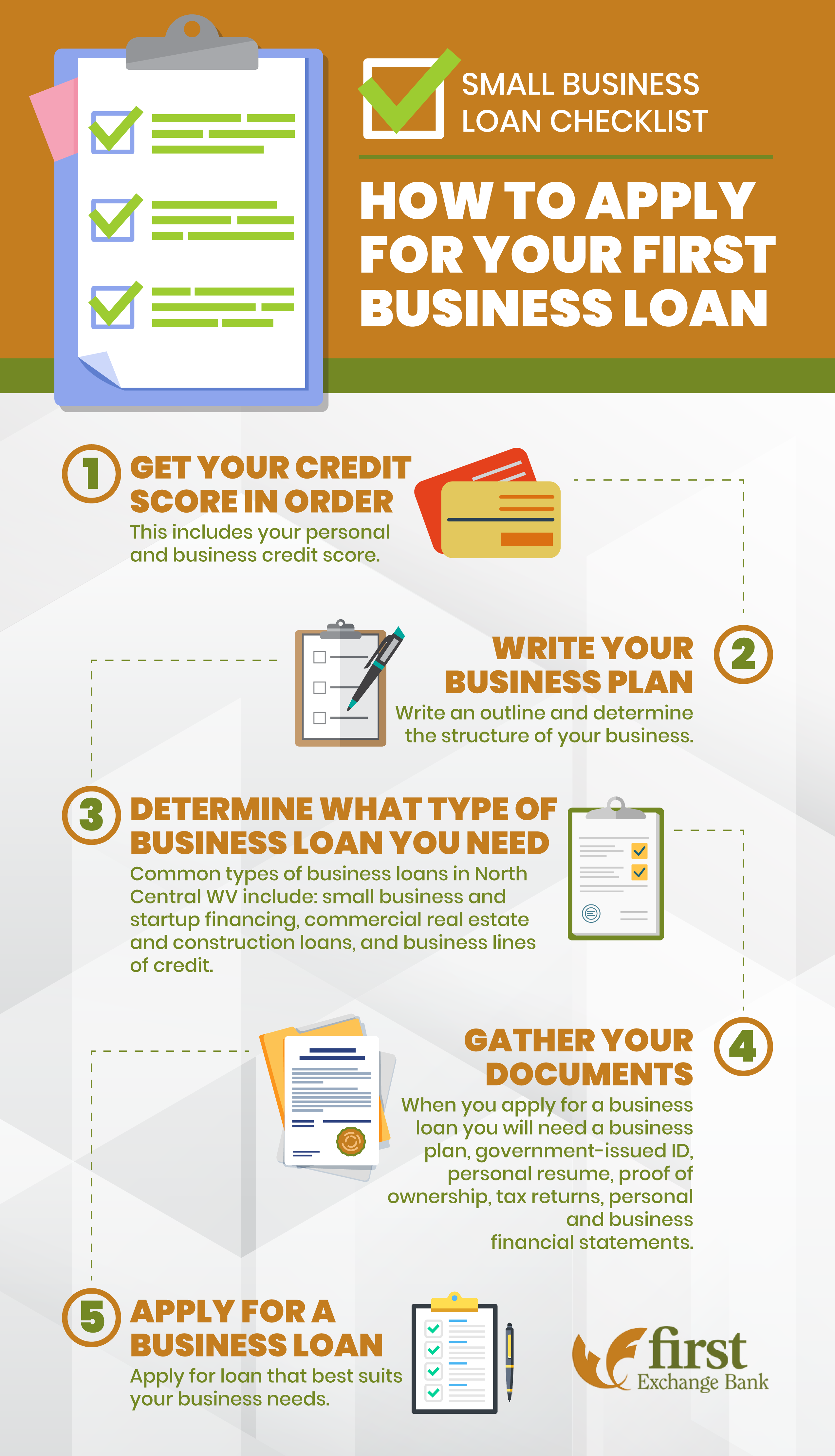
Before approaching a lender, you must identify exactly why you need the money and how much is required. Borrowing too little can leave you stranded mid-project, while borrowing too much can burden your cash flow with unnecessary interest payments. In the realm of business finance, the “use of proceeds” dictates the type of loan for which you should apply.
Term Loans and Equipment Financing
Term loans are the most traditional form of business credit. You receive a lump sum of cash upfront, which is repaid over a set period with a fixed or variable interest rate. These are ideal for specific, one-time investments like purchasing real estate or funding a major expansion. Equipment financing is a specialized subset of term loans where the equipment itself serves as collateral. This is a powerful financial tool because it often requires a lower down payment, as the lender’s risk is mitigated by the physical asset.
SBA Loans: The Gold Standard
The U.S. Small Business Administration (SBA) does not lend money directly to entrepreneurs. Instead, it provides a guarantee to banks, promising to pay back a portion of the loan if the borrower defaults. This reduced risk allows banks to offer lower interest rates and longer repayment terms. The SBA 7(a) program is the most popular, providing flexible capital for working capital or debt refinancing, while the 504 loan program is specifically designed for fixed assets like machinery or land.
Lines of Credit and Working Capital
For businesses facing irregular cash flow or seasonal dips, a business line of credit offers the ultimate flexibility. Unlike a term loan, you only pay interest on the amount you actually draw. It functions similarly to a credit card but usually offers higher limits and lower rates. For more immediate, short-term needs, working capital loans can bridge the gap between accounts receivable and accounts payable, ensuring that daily operations never grind to a halt due to liquidity issues.
Preparing Your Financial Profile for Approval
Lenders view every application through the lens of risk. To obtain a loan, you must prove that your business is a “safe bet.” This requires a deep dive into your financial history and a transparent presentation of your current fiscal health.
The Role of Personal and Business Credit Scores
In the early stages of a business, your personal credit score is often the primary metric lenders use to gauge your reliability. A score above 700 significantly increases your chances of approval and lower interest rates. However, as your business matures, you must establish a separate business credit profile through bureaus like Dun & Bradstreet or Experian Business. Maintaining a strong credit profile involves paying vendors on time, keeping credit utilization low, and regularly monitoring your reports for inaccuracies.
Essential Financial Statements: P&L and Balance Sheets
A lender will require at least two to three years of financial statements. The Profit and Loss (P&L) statement shows your ability to generate earnings over time, while the Balance Sheet provides a snapshot of your assets, liabilities, and equity. Lenders look for “debt service coverage,” which is your ability to cover loan payments with your current net operating income. If your financial statements show consistent growth and healthy margins, you present a much stronger case for capital injection.
Crafting a Compelling Business Plan
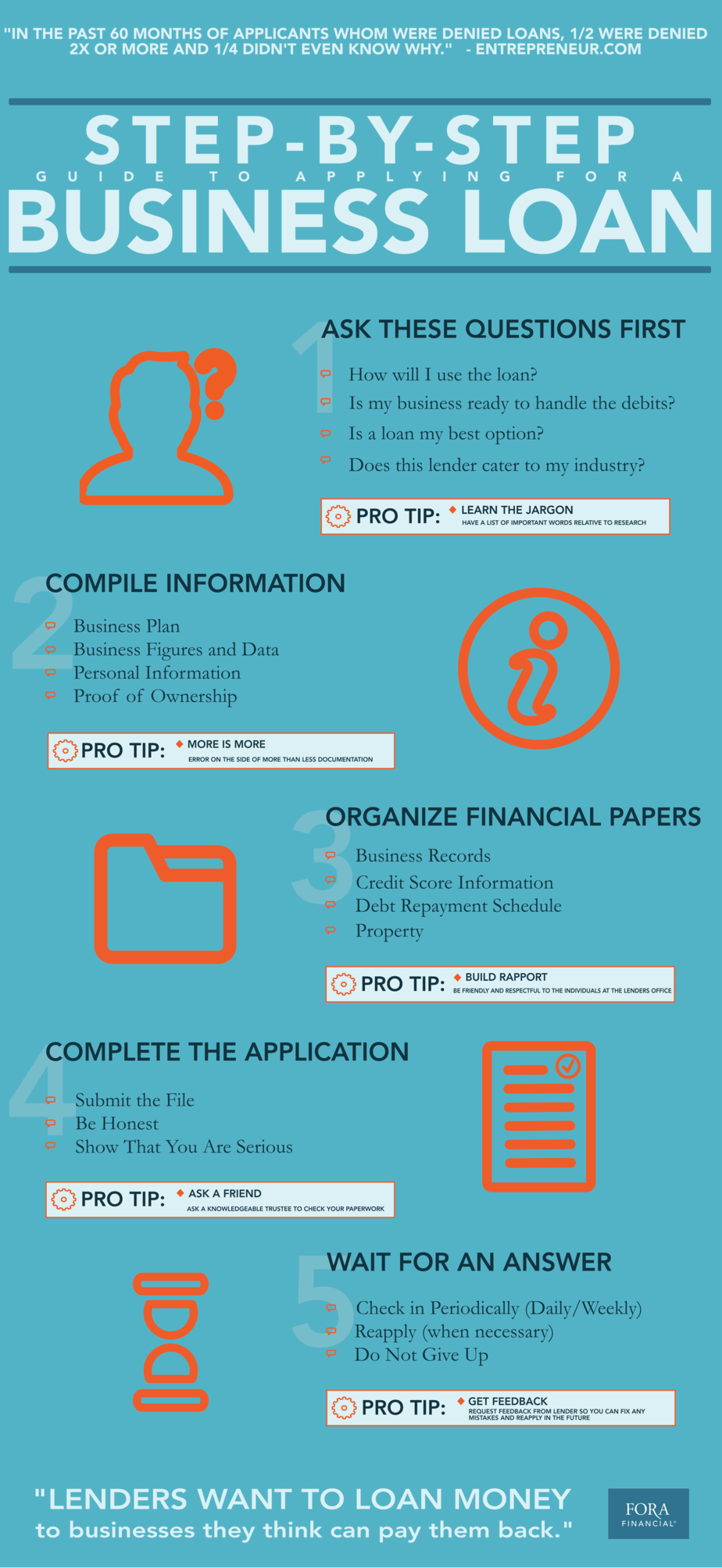
While numbers tell the story of the past, a business plan tells the story of the future. A professional loan package must include a detailed business plan that outlines your market analysis, competitive advantages, and management team’s expertise. Most importantly, it must include financial projections. These projections should be realistic, showing exactly how the loan will be used to generate increased revenue that will, in turn, be used to repay the debt.
Evaluating Lenders and the Application Process
Not all lenders are created equal. Choosing the right partner depends on your credit profile, the urgency of your need, and your long-term financial strategy.
Traditional Banks vs. Online Alternative Lenders
Traditional commercial banks and credit unions offer the lowest interest rates and the most favorable terms, but they have the most stringent requirements and the longest approval times. If your credit is pristine and you can afford to wait 60 to 90 days, a bank is your best option. On the other hand, online “Fintech” lenders have revolutionized the space by using algorithms to assess risk. They can often fund a loan within 24 to 48 hours. However, this speed comes at a cost, often in the form of higher interest rates and shorter repayment windows.
The Documentation Checklist
The application process is document-heavy. To expedite your request, you should have a “loan ready” folder containing:
- Personal and business tax returns (past 3 years).
- Articles of Incorporation and business licenses.
- Commercial leases or property deeds.
- Resumes of key owners/principals.
- A debt schedule listing current outstanding liabilities.
Having these documents organized electronically demonstrates professionalism and financial discipline to the lender’s underwriting team.
Understanding the Cost of Capital (APR vs. Interest Rate)
When evaluating a loan offer, do not look only at the interest rate. Look at the Annual Percentage Rate (APR). The APR includes the interest rate plus any origination fees, closing costs, or processing fees. In the world of business finance, some alternative lenders use a “factor rate” instead of an interest rate, which can be deceptive. Converting all offers into an APR format allows for an “apples-to-apples” comparison, ensuring you choose the most cost-effective capital available.
Strategies for Successful Loan Management and Growth
Obtaining the loan is only the beginning. The way you manage that capital will determine whether the debt becomes a catalyst for growth or a weight that sinks the enterprise.
Debt Service Coverage Ratio (DSCR) and Cash Flow
Once the funds hit your account, your primary financial metric should be the Debt Service Coverage Ratio (DSCR). This ratio measures your operating income against your total debt obligations. A DSCR of 1.25 or higher is generally considered healthy, meaning you have 25% more income than you need to cover your debts. Monitoring this monthly ensures that you stay in the good graces of your lender and remain eligible for future refinancing or additional credit lines.
Avoiding Common Borrowing Pitfalls
One of the most common mistakes small business owners make is using long-term debt to solve short-term cash flow problems. This creates a cycle of “stacking” debt that can quickly become unmanageable. Furthermore, avoid the temptation to use business loan proceeds for personal expenses. Not only does this complicate your tax situation, but it can also lead to “piercing the corporate veil,” which puts your personal assets at risk in the event of a default.

Leveraging Capital for Scalable ROI
The ultimate goal of a small business loan is to achieve a Return on Investment (ROI) that exceeds the cost of the loan. If you borrow at an APR of 8%, the capital should be deployed into areas of the business—such as marketing, inventory, or specialized labor—that yield a 15% or 20% return. By focusing on high-impact investments, you ensure that the loan pays for itself while simultaneously increasing the valuation of your company.
Securing a small business loan is a milestone in the life of any company. It signifies that your business model is validated and that external stakeholders believe in your future success. By navigating the complexities of credit scores, financial documentation, and lender selection with a strategic mindset, you transform a simple transaction into a powerful engine for long-term financial prosperity. In the modern economy, capital is the fuel for innovation; knowing how to obtain it is the most critical skill a business owner can possess.
aViewFromTheCave is a participant in the Amazon Services LLC Associates Program, an affiliate advertising program designed to provide a means for sites to earn advertising fees by advertising and linking to Amazon.com. Amazon, the Amazon logo, AmazonSupply, and the AmazonSupply logo are trademarks of Amazon.com, Inc. or its affiliates. As an Amazon Associate we earn affiliate commissions from qualifying purchases.