
Investing in the stock market is often framed as a high-stakes gamble or a complex mathematical puzzle reserved for Wall Street elites. However, at its core, “using” stocks is one of the most effective ways for individuals to participate in the growth of the global economy. To use stocks effectively is to transition from being a mere consumer of products to becoming an owner of the companies that produce them. This shift in perspective is the foundation of long-term wealth creation.
Understanding how to use stocks requires more than just knowing how to click a “buy” button on a mobile app. It demands a comprehensive strategy that encompasses fundamental analysis, risk management, and a disciplined psychological approach. By treating stocks as business interests rather than volatile lottery tickets, investors can harness the power of compounding to secure their financial future.
The Fundamentals of Equity Ownership
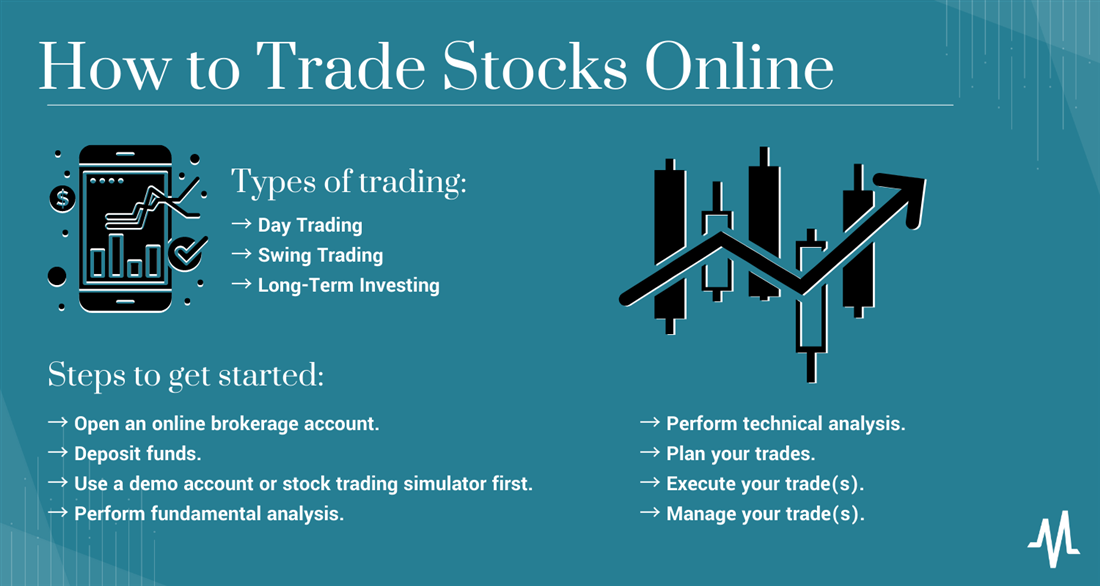
Before diving into market trends, an investor must understand what a stock actually is. A share of stock represents a fractional ownership interest in a corporation. When you purchase a share, you are entitled to a portion of that company’s assets and earnings. This relationship between the investor and the corporation is the engine of the “Money” niche, providing the primary vehicle for capital appreciation and passive income.
Understanding the Value Proposition
Stocks provide two primary ways to generate wealth: capital appreciation and dividends. Capital appreciation occurs when the price of the stock increases over time, allowing the investor to sell the share for more than the purchase price. Dividends, on the other hand, are a portion of the company’s profits distributed back to shareholders, usually on a quarterly basis. Using stocks effectively often involves a balance of both, depending on an individual’s financial goals.
Common vs. Preferred Shares
Most individual investors deal in common stock. These shares typically grant voting rights at shareholder meetings and provide the greatest potential for long-term growth. Preferred shares function more like a hybrid between a stock and a bond; they usually do not offer voting rights but provide a fixed dividend payment that takes priority over common stock dividends. Choosing between these depends on whether your priority is aggressive growth or steady, predictable income.
How the Market Values a Company
The price of a stock is determined by supply and demand in the open market, but that demand is driven by the company’s perceived value. Factors such as earnings growth, debt levels, industry tailwinds, and management quality all play a role. Using stocks as a financial tool requires an understanding that the market price and the intrinsic value of a company are not always the same. Finding the “gap” between price and value is the hallmark of successful investing.
Building a Robust Investment Strategy
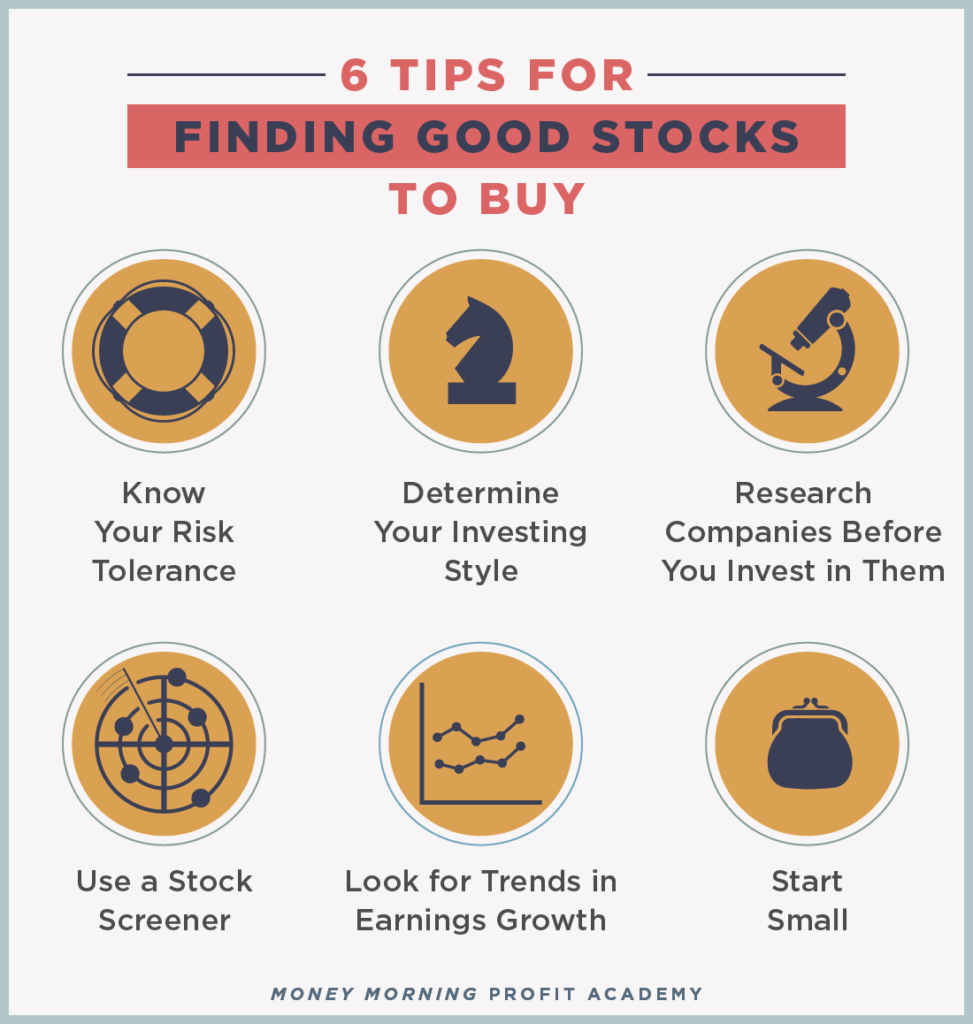
Successful stock usage is never accidental; it is the result of a deliberate strategy. Without a roadmap, an investor is likely to be swayed by market noise and short-term volatility. A strategy provides the “why” and “how” behind every transaction, ensuring that each stock in a portfolio serves a specific purpose.
Growth vs. Value Investing
Investors generally fall into two camps: growth and value. Growth investors look for companies that are expanding rapidly, often in tech or emerging industries. These companies typically reinvest all their profits into further expansion rather than paying dividends. Value investors, conversely, look for “diamonds in the rough”—established companies whose stock prices appear undervalued relative to their actual business performance. A balanced approach often utilizes both, providing a mix of high-upside potential and defensive stability.
The Role of Dividend-Paying Stocks
For those seeking “Online Income” or passive cash flow, dividend stocks are essential. By focusing on “Dividend Aristocrats”—companies that have increased their dividend payouts for at least 25 consecutive years—investors can build a portfolio that pays them to stay invested. Reinvesting these dividends through a Dividend Reinvestment Plan (DRIP) can exponentially accelerate wealth building, as those new shares then generate their own dividends.
Asset Allocation and Diversification
The most common mistake in using stocks is over-concentration. To mitigate risk, an investor must diversify across different sectors (technology, healthcare, energy, consumer staples) and market capitalizations (large-cap, mid-cap, and small-cap). Asset allocation is the process of deciding how much of your portfolio should be in stocks versus other assets like bonds or real estate. Generally, the longer your time horizon, the higher your allocation to stocks should be, as you have more time to recover from inevitable market downturns.
Technical and Fundamental Analysis
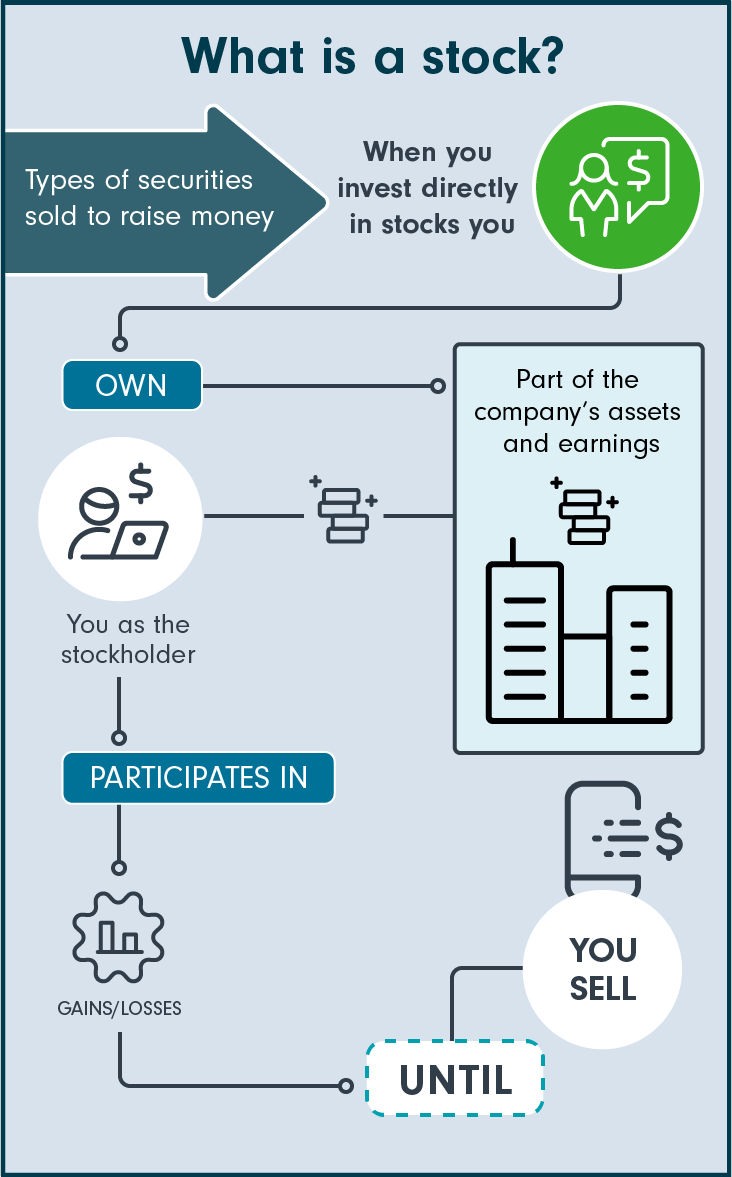
To use stocks like a professional, one must learn to evaluate them through two lenses: fundamental analysis and technical analysis. While fundamental analysis looks at the “what” and “why” of a company, technical analysis looks at the “when” of the price movement.
Reading Financial Statements
A company’s financial health is revealed in its three primary statements: the Balance Sheet, the Income Statement, and the Cash Flow Statement. Using stocks effectively means being able to identify a healthy balance sheet characterized by low debt and high liquidity. Investors should look for consistent revenue growth and, more importantly, “free cash flow”—the actual cash a company has left over after paying its operating expenses and capital expenditures.
Key Ratios to Watch
Ratios allow investors to compare companies of different sizes within the same industry.
-
Price-to-Earnings (P/E) Ratio: This tells you how much the market is willing to pay for every dollar of the company’s earnings. A high P/E might suggest a growth stock, while a low P/E might indicate a value play.
-
Debt-to-Equity Ratio: This measures how much a company is financing its operations through debt versus its own funds. High debt can be a red flag during economic downturns.
-
Return on Equity (ROE): This measures how effectively management is using shareholders’ money to generate profit.
Understanding Market Sentiment
While fundamentals dictate long-term value, sentiment often dictates short-term price. News cycles, geopolitical events, and even social media can cause stock prices to deviate from their underlying value. Learning to distinguish between a “broken company” and a “broken stock” (a good company with a temporarily low price) is a critical skill in financial management.
Practical Execution: Buying and Holding
Once the research is complete, the physical act of using stocks involves navigating the brokerage environment and executing trades with precision. This phase is where financial tools and disciplined habits come into play.
Choosing a Brokerage and Account Type
In the modern era, investors have access to numerous digital platforms that offer commission-free trading. However, the type of account is as important as the platform. For long-term wealth, using tax-advantaged accounts like a 401(k) or an Individual Retirement Account (IRA) is superior to a standard taxable brokerage account. These accounts allow your investments to grow tax-deferred or tax-free, significantly increasing your net worth over decades.
Dollar-Cost Averaging vs. Lump Sum
Timing the market is notoriously difficult, even for professionals. Instead, many successful investors use “Dollar-Cost Averaging” (DCA). This involves investing a fixed amount of money at regular intervals, regardless of the stock price. When prices are high, your money buys fewer shares; when prices are low, your money buys more. This strategy removes the emotional burden of trying to “buy the dip” and ensures consistent participation in the market.
Risk Management and Exit Strategies
Every investment should have a “thesis”—a reason for owning it. If the company’s fundamentals change (e.g., they lose their competitive advantage or their debt becomes unmanageable), the thesis is broken, and it may be time to sell. Additionally, using “Stop-Loss” orders can protect your capital by automatically selling a stock if it drops below a certain price, though this can sometimes backfire during periods of high but temporary volatility.
The Long-Term Psychological Approach
The final, and perhaps most difficult, aspect of using stocks is managing the human element. The stock market is a weighing machine in the long run but a voting machine in the short run. To benefit from it, one must master their own psychology.
Combating Emotional Volatility
The greatest enemy of the individual investor is often themselves. Fear and greed drive market bubbles and crashes. Using stocks effectively requires a “stoic” mindset. When the market drops 10% or 20%, the instinct is to sell to prevent further loss. However, historically, the market’s best days often follow its worst. Those who stay the course and avoid “panic selling” are the ones who capture the long-term 7-10% average annual returns that the stock market has provided for over a century.
The Power of Compounding Interest
Albert Einstein reportedly called compounding interest the “eighth wonder of the world.” When you use stocks, your earnings generate their own earnings. This effect is subtle in the first ten years but becomes explosive in decades three and four. This is why the most important factor in stock market success is not the amount of money you start with, but the amount of time you allow your money to work.
Periodic Rebalancing for Portfolio Health
Over time, certain stocks in your portfolio will outperform others, leading to an unbalanced allocation. For example, if your goal was to have 50% tech stocks and 50% energy stocks, a tech boom might leave you with 70% tech. Periodic rebalancing—selling some of the “winners” and buying more of the “underperformers”—forces you to follow the golden rule of investing: buy low and sell high.
Using stocks is a journey of continuous learning. It is a sophisticated method of financial management that, when executed with patience and intelligence, transforms labor-earned income into lasting generational wealth. By focusing on business quality, maintaining a diversified stance, and keeping emotional impulses at bay, any individual can turn the stock market into their most powerful financial ally.
aViewFromTheCave is a participant in the Amazon Services LLC Associates Program, an affiliate advertising program designed to provide a means for sites to earn advertising fees by advertising and linking to Amazon.com. Amazon, the Amazon logo, AmazonSupply, and the AmazonSupply logo are trademarks of Amazon.com, Inc. or its affiliates. As an Amazon Associate we earn affiliate commissions from qualifying purchases.