
The word “budget” often carries a negative connotation, conjuring images of restriction, deprivation, and tedious spreadsheets. However, in the realm of personal finance, a budget is not a cage; it is a blueprint. It is the tactical map that allows you to navigate from your current financial state to your future goals, whether that involves buying a home, traveling the world, or retiring early. Understanding how to make a budget is the single most effective way to gain control over your life and ensure that your hard-earned money is working for you, rather than against you.
The Foundation of Financial Freedom: Why Budgeting is Essential
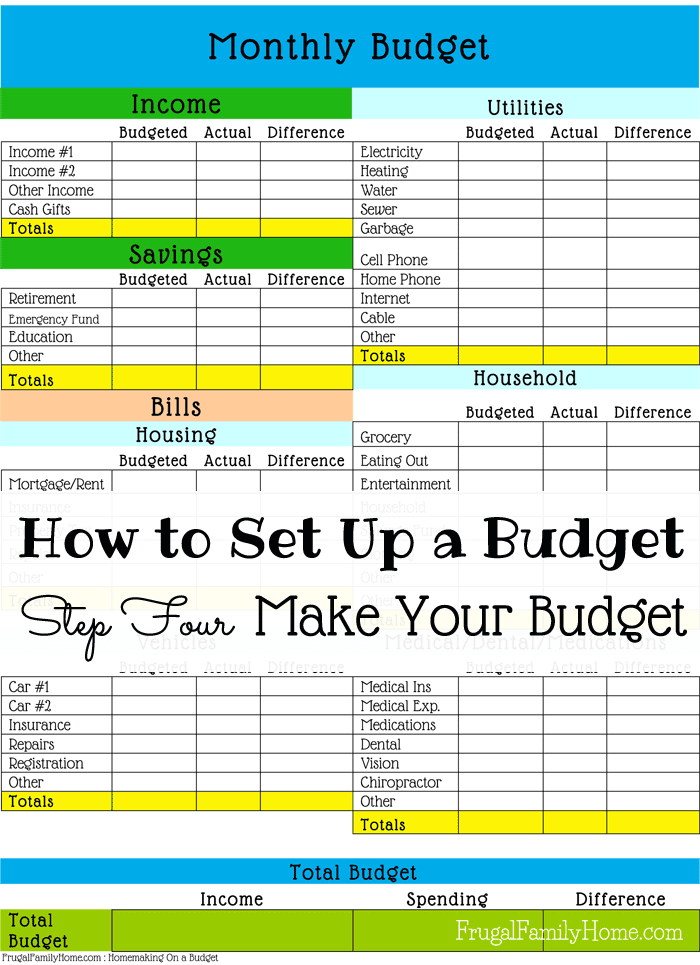
Budgeting is essentially the process of creating a plan for your money. Without a plan, money tends to disappear into the “black hole” of impulse purchases, subscription services you no longer use, and daily conveniences that add up to significant annual costs. By creating a budget, you stop wondering where your money went and start telling it where to go.
Shifting Your Financial Mindset
The first step in learning how to make a budget is a psychological one. You must view your budget as a tool for empowerment. Instead of seeing it as a list of things you cannot do, see it as a list of priorities. When you decide to spend less on dining out so you can save for a down payment on a house, you aren’t “losing” the meal; you are “buying” your future home. This shift from short-term gratification to long-term satisfaction is the hallmark of financial maturity.
The Power of Awareness
Most people are surprised when they first track their spending. We tend to underestimate our variable expenses—like groceries, entertainment, and gas—by as much as 30% to 50%. Awareness is the antidote to financial anxiety. When you know exactly how much is coming in and exactly how much is going out, the “fear of the unknown” evaporates. Even if the numbers aren’t what you want them to be yet, having clarity allows you to make informed decisions to improve them.
Choosing the Right Budgeting Framework
There is no one-size-fits-all approach to budgeting. The best system is the one you will actually stick to. Different personalities and financial situations require different frameworks.
The 50/30/20 Rule
Popularized by Senator Elizabeth Warren, the 50/30/20 rule is an excellent starting point for those who want a simple, high-level overview of their finances. Under this framework, you divide your after-tax income into three categories:
-
50% for Needs: This includes essential costs like housing, utilities, groceries, insurance, and minimum debt payments.
-
30% for Wants: This is your “lifestyle” fund. It covers dining out, hobbies, streaming services, and travel.
-
20% for Savings and Debt Repayment: This portion goes toward your emergency fund, retirement accounts, or extra payments on high-interest debt.
The beauty of this method is its flexibility. It provides clear boundaries while allowing for personal choice within the categories.
Zero-Based Budgeting
Zero-based budgeting is a more granular approach where every single dollar of your income is assigned a specific job. At the end of the month, your income minus your expenses (including savings and debt payments) should equal zero. This doesn’t mean you have zero dollars in your bank account; it means every dollar is accounted for. This method is highly effective for those who find themselves asking “where did my money go?” at the end of the month. It forces intentionality and prevents “lazy” money from being spent on things that don’t matter to you.
The Envelope System
For those who struggle with overspending on credit or debit cards, the envelope system is a classic, tactile solution. You decide on a budget for specific categories—like groceries or entertainment—and put that exact amount of cash into physical envelopes. Once the cash in an envelope is gone, you cannot spend any more in that category until the next month. In a digital age, many people use “digital envelopes” through various banking apps that allow you to partition your balance into different “buckets.”
A Step-by-Step Guide to Building Your First Budget
Once you have chosen a framework, it is time to build the actual budget. This process requires honesty and a bit of detective work into your past spending habits.
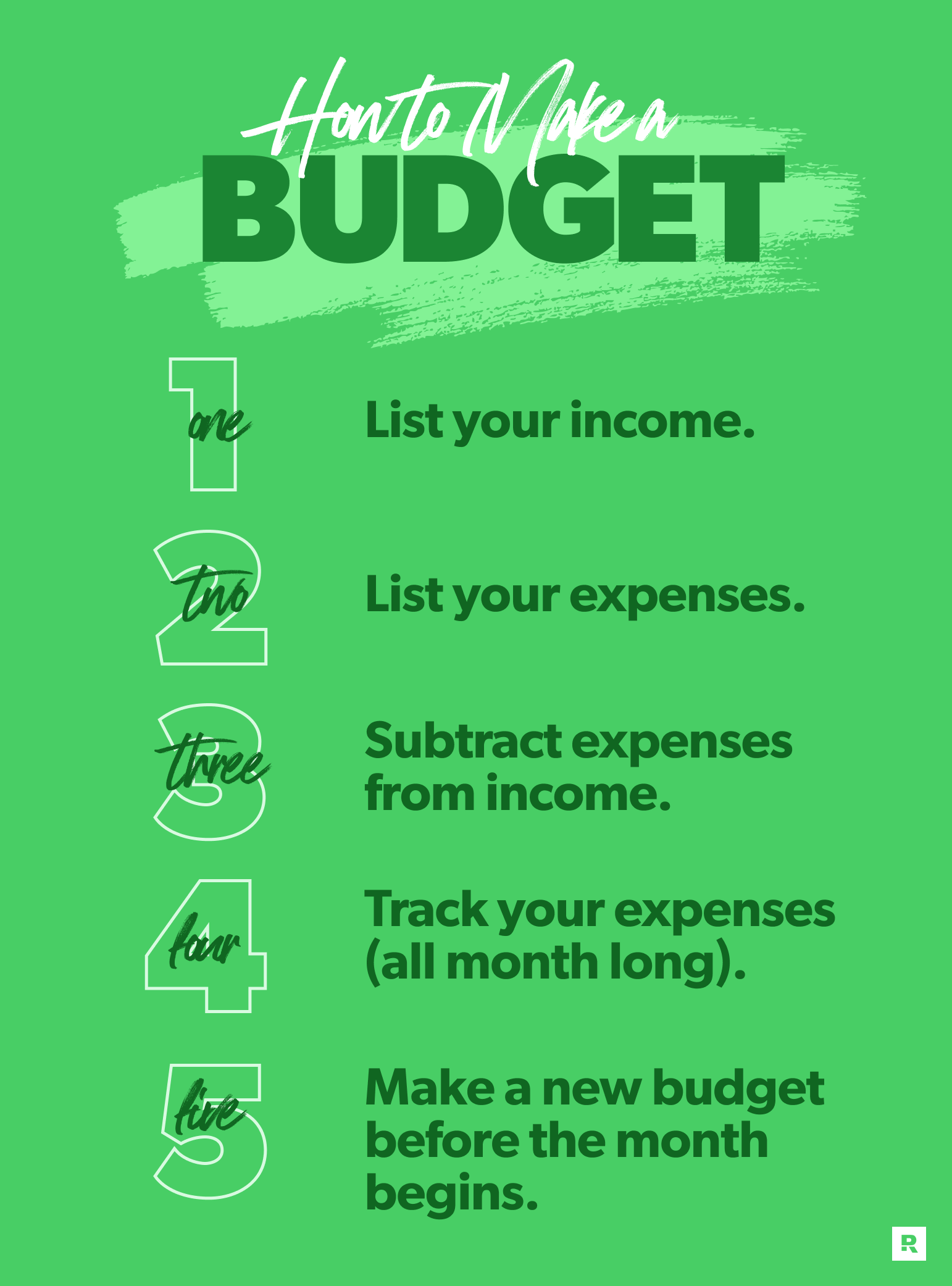
Step 1: Calculate Your Total Monthly Income
Start with your net income—the amount that actually hits your bank account after taxes, health insurance, and 401(k) contributions are deducted. If you have a variable income (such as from freelancing or sales commissions), use your lowest-earning month from the past year as your baseline. Any “extra” money earned during higher months can then be treated as a bonus for savings or debt reduction.

Step 2: Track and Categorize Your Expenses
Review your bank and credit card statements from the last three months. Categorize every transaction. Common categories include:
-
Fixed Expenses: Rent/mortgage, car payments, insurance, internet, and gym memberships. These stay the same every month.
-
Variable Expenses: Groceries, gas, electricity, and water. These fluctuate but are necessary.
-
Discretionary Expenses: Entertainment, dining out, clothing, and hobbies. These are the easiest to adjust.
Step 3: Identify Sinking Funds
One of the biggest reasons budgets fail is the “unexpected” expense that actually should have been expected. Car repairs, annual insurance premiums, holiday gifts, and home maintenance are not surprises—they just don’t happen every month. To account for these, use “sinking funds.” Estimate the annual cost of these items, divide by 12, and set that amount aside each month. When the expense eventually arises, the money is already there, waiting.
Step 4: Set Clear Financial Goals
A budget without a goal is just math. To stay motivated, you need a “why.” Are you building a six-month emergency fund? Are you trying to pay off $20,000 in student loans? Are you saving for a wedding? Assign a portion of your budget specifically to these goals. Seeing progress toward a dream is the best way to ensure you stick to your budget long-term.
Optimizing Your Cash Flow: Cutting Costs and Increasing Income
Once your budget is drafted, you will likely see areas where your spending exceeds your comfort zone. This is the “optimization” phase, where you refine your habits to maximize your financial potential.
Identifying “Phantom” Expenses
“Phantom” expenses are the small, recurring costs that fly under the radar but bleed your budget dry over time. These often include:
-
Unused subscriptions or memberships.
-
Convenience fees (ATM fees, delivery surcharges).
-
High-interest debt that keeps you in a cycle of interest payments.
Aggressively cutting these “leaks” can often free up hundreds of dollars a month without significantly impacting your quality of life.
The Power of Intentional Spending
Budgeting isn’t about spending as little as possible; it’s about spending intentionally. Practice the “48-hour rule”: if you see something you want to buy that isn’t in your budget, wait 48 hours. Often, the impulse passes, and you realize you don’t actually need the item. Alternatively, use “value-based spending.” If you love travel, cut your housing or clothing budget to the bone so you can afford high-end experiences. A budget allows you to spend guilt-free on the things you truly love because you know your essentials are covered.
Balancing the Equation: Increasing Income
There is a limit to how much you can cut, but there is no limit to how much you can earn. If your budget is tight despite your best efforts at cutting, focus on the income side of the equation. This might mean negotiating a raise, pursuing a side hustle, or investing in certifications that increase your market value. When your income rises, avoid “lifestyle creep”—the tendency to increase your spending as your earnings grow. Instead, funnel that extra income directly into your savings and investment categories.
Sustaining Momentum: Review and Adjust
A budget is a living document. It should change as your life changes. If you get a promotion, move to a new city, or have a child, your budget must be recalibrated.
The Monthly Money Date
Set aside one hour at the end of every month to review your progress. Did you overspend in the “dining out” category? Why? Was it a busy week at work, or did you just lose track? Don’t beat yourself up; simply adjust the next month’s budget to compensate. Use this time to celebrate your wins, like hitting a savings milestone or paying off a credit card.
Leveraging Financial Tools
While a simple spreadsheet or even a notebook can work, many find success using digital tools. Modern apps can sync with your bank accounts to categorize transactions automatically, providing real-time data on your spending. However, the tool is less important than the habit. Choose a system that feels intuitive to you.
Preparing for the Long Term
Ultimately, the goal of learning how to make a budget is to reach a point of “automated” financial health. Once you have a solid handle on your cash flow, you can automate your savings and bill payments. This reduces the mental load of managing money and ensures that you are consistently building wealth. By mastering the art of the budget, you are not just managing your money; you are designing your life. You are moving from a state of financial reactive-ness to a state of financial proactivity, ensuring that every dollar you earn is a brick in the foundation of your future security and freedom.
aViewFromTheCave is a participant in the Amazon Services LLC Associates Program, an affiliate advertising program designed to provide a means for sites to earn advertising fees by advertising and linking to Amazon.com. Amazon, the Amazon logo, AmazonSupply, and the AmazonSupply logo are trademarks of Amazon.com, Inc. or its affiliates. As an Amazon Associate we earn affiliate commissions from qualifying purchases.