
Travel credits, particularly those issued by airlines like Spirit, represent a tangible financial asset that astute travelers should know how to leverage effectively. In the dynamic world of air travel, changes, cancellations, and promotional offers can often result in the issuance of these credits, essentially a prepaid voucher for future travel. While seemingly straightforward, many individuals often let these valuable assets expire or misunderstand the terms of their usage, inadvertently forfeiting potential savings.
This comprehensive guide aims to demystify the process of using your Spirit credit, transforming it from a potentially confusing voucher into a powerful tool for savvy budget management. By understanding the intricacies of these credits, from their identification to their strategic application, you can ensure that every dollar (or credit equivalent) works hard for your next journey. Don’t let your hard-earned or unexpected Spirit credit go to waste; learn how to integrate it seamlessly into your financial planning for future travels.

Understanding Your Spirit Credit: The Foundation of Smart Usage
Before you can effectively apply your Spirit credit, it’s crucial to understand what it is, where to find it, and the specific conditions that govern its use. A clear grasp of these foundational elements is the first step towards maximizing its value and avoiding common pitfalls.
What Exactly is Spirit Credit?
Spirit Airlines typically issues credits in the form of a Future Travel Credit (FTC) or a voucher. These are not direct cash refunds but rather a monetary value assigned to your account or provided via a unique code, usable towards the purchase of a new Spirit flight.
-
Future Travel Credit (FTC): Often issued when you cancel a flight within Spirit’s policy or when Spirit itself cancels a flight. This credit is usually tied to the original passenger’s name and booking.
-
Voucher: Sometimes issued as compensation for an inconvenience, a promotional offer, or as the remaining balance from a previous FTC redemption. Vouchers usually come with a unique alphanumeric code and often a PIN or security code.
Regardless of its specific designation, the core function remains the same: it acts as a form of payment for future travel with Spirit Airlines. When you receive a credit, it’s typically sent to the email address associated with your original booking or account. It’s essential to check your inbox, including spam folders, for this crucial communication.
Decoding the Terms and Conditions
The real financial intelligence in using Spirit credit lies in understanding its accompanying terms and conditions. These stipulations are not merely fine print but critical determinants of how and when you can utilize your credit.
-
Expiration Dates: This is arguably the most critical term. Spirit credits typically have an expiration date that dictates when the booking must be made by, not necessarily when the travel must be completed. For instance, a credit expiring on December 31st means you must book your new flight before or on that date, though the flight itself can be for a later date (e.g., next spring). Always confirm this distinction.
-
Non-Transferability: Most Spirit credits are non-transferable. This means the credit is typically linked to the name of the original passenger(s) on the booking that generated the credit. You generally cannot use a credit issued to John Doe to book a flight for Jane Smith. This is a key financial constraint to be aware of.
-
Non-Refundable: Spirit credits cannot be converted back into cash. Once issued, their value can only be redeemed for future travel with Spirit Airlines. This reinforces the need for proactive usage.
-
Usage Restrictions: Understand what the credit covers. While it primarily applies to the base fare of a new flight, some credits may also cover taxes and fees, while others explicitly state they only cover the base fare. Ancillary services like baggage, seat selection, and priority boarding are often separate and may not be covered by a standard credit. Scrutinizing these details can prevent unexpected out-of-pocket expenses.
-
Partial Usage: If your new flight costs less than the value of your credit, the remaining balance is usually re-issued as a new credit or voucher with its own, sometimes shorter, expiration date. Keep track of these new credits to avoid losing residual value.
Locating and Verifying Your Credit
Once you suspect you have a Spirit credit, the next step is to locate and verify its details.
-
Check Your Email: The primary method of receiving credit information is via email. Search your inbox and spam folders for emails from Spirit Airlines containing terms like “credit,” “voucher,” or “future travel.” The email will contain the unique credit code and any associated PIN or security code.
-
Log into Your Spirit Account: If you have a Free Spirit account, sometimes credits are linked directly to it. Log in and check for “My Vouchers” or “My Credits” sections.
-
Contact Customer Service: If you cannot locate your credit, or if you have any doubts about its validity or terms, contact Spirit Airlines customer service. Be prepared to provide your original booking details (confirmation code, passenger name, dates of travel) to help them locate your credit.
Step-by-Step Guide to Applying Your Spirit Credit Online
Applying your Spirit credit online is a relatively straightforward process once you understand the steps involved. This section provides a clear, actionable guide to ensure a smooth redemption.
Navigating the Spirit Airlines Website
The journey to using your credit begins on the Spirit Airlines website.
-
Start a New Booking: Begin by navigating to Spirit.com and initiating a new flight search. Enter your desired origin, destination, travel dates, and the number of passengers. Ensure the passenger names match those on the credit if it is non-transferable.
-
Select Your Flights: Choose your outbound and return flights (if applicable) and proceed through the initial stages of the booking process, which will involve selecting fare types and potentially adding basic services.
The Application Process at Checkout
The critical stage for applying your credit comes during the checkout process.
-
Reach the Payment Page: Continue through the booking flow until you reach the “Payment” or “Review & Pay” section. This is where you’ll see the total cost of your flight.
-
Identify the Credit/Voucher Section: Look for a clearly labeled section such as “Voucher/Credit,” “Promo Code,” or “Add a Voucher.” It may be a dropdown menu or a dedicated input field.
-
Enter Your Credit Information: Carefully type in the credit code (and PIN/security code, if applicable) into the designated fields. Double-check for typos, as incorrect entries are a common reason for application failure.
-
Apply the Credit: Click an “Apply” or “Redeem” button. The system should then process the credit and display the updated total, reflecting the deduction.
Handling Remaining Balances and Additional Payments
What happens after you apply your credit depends on its value relative to your new flight cost.
-
Credit Covers Full Cost: If the credit fully covers the cost of your new flight (including any taxes and fees it’s eligible for), the remaining balance will be zero. You simply need to confirm your booking.
-
Remaining Balance Due: If the flight cost exceeds your credit’s value, you will see a remaining balance. You’ll need to pay this difference using an accepted payment method, such as a credit card or debit card. Ensure you have the necessary funds to cover this amount.
-
Leftover Credit Amount: If your credit’s value is greater than the cost of your new flight, the system typically re-issues the remaining amount as a new Future Travel Credit or voucher. This new credit will usually have a new code and potentially a new expiration date. It is crucial to note this new credit’s details and expiration date to avoid losing its value.
Maximizing the Value of Your Spirit Credit
To truly be financially savvy, it’s not enough to just use your credit; you need to use it strategically to extract the maximum possible value.
Timing is Everything: Booking Strategically
The expiration date is your primary deadline, but smart timing can yield greater savings.
-
Book Well Before Expiration: Do not wait until the last minute. This allows you flexibility in choosing dates and routes, and safeguards against technical issues or unexpected unavailability.
-
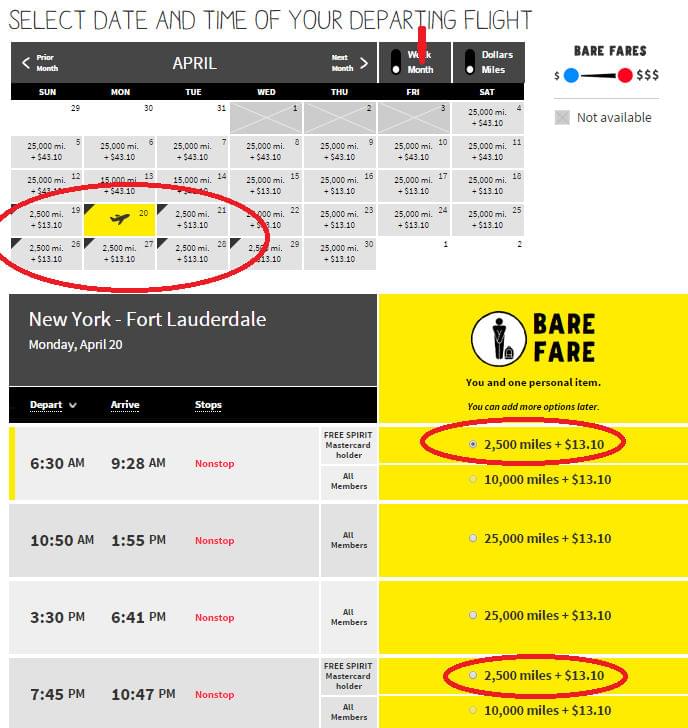
Consider Off-Peak Travel: Spirit’s pricing is highly dynamic. Booking flights during off-peak seasons or on less popular travel days (e.g., Tuesdays, Wednesdays, Saturdays) can result in lower base fares. This allows your credit to cover a larger portion of the cost, potentially even covering the entire flight, thus stretching its financial impact further.
-
Look for Sales and Promotions: While less common for Spirit credits to combine directly with percentage-off sales, some fare reductions can still make your credit go further. Keep an eye on Spirit’s deals even if you plan to use a credit.
Understanding What Your Credit Covers
A common mistake is assuming a credit covers everything. Being clear on its scope helps in financial planning.
-
Base Fare vs. Add-ons: As mentioned, most standard credits primarily cover the base airfare. Be prepared to pay separately for extras like carry-on bags, checked bags, seat selection, and priority boarding. These add-ons can significantly increase the total cost, so factor them into your budget.
-
Taxes and Fees: Depending on the type of credit and how it was issued, it may or may not cover government taxes and fees. Often, if a credit is from a voluntary cancellation, it only covers the fare paid, excluding taxes and fees. If it’s compensation for a Spirit-initiated cancellation, it might cover more. Verify this in the credit’s terms to avoid surprises on the payment page.
Combining Credits and Other Payment Methods
The ability to combine financial instruments can sometimes amplify your savings.
-
Multiple Credits: Spirit’s policy on using multiple credits for a single booking can vary. Generally, it’s one credit/voucher per booking. However, if multiple credits were issued from the same original booking (e.g., for different passengers on a single cancelled flight), you might be able to apply them. This is a point where direct contact with Spirit customer service can clarify. Otherwise, plan to use one credit per booking.
-
Using Credit for One Passenger: If you’re booking for multiple people and only one person has a credit, you can often apply that credit to reduce the fare for that specific passenger within the multi-passenger booking, then pay the remainder for all passengers with a credit card.
-
One-Way vs. Round-Trip: Your credit can be applied to either a one-way or round-trip flight. If your credit is substantial, consider using it for a more expensive one-way segment if you plan to travel differently for the return.
Common Pitfalls and Troubleshooting
Even with the best preparation, issues can arise. Knowing common pitfalls and how to troubleshoot them can save you time and potential financial loss.
Expired Credit: Is There Any Hope?
The most common and most devastating pitfall is allowing your credit to expire.
-
General Rule: Highly Unlikely: Unfortunately, expired Spirit credits are rarely, if ever, extended. The expiration date is a strict deadline for a reason – it represents a financial liability for the airline that has a time limit.
-
Rare Exceptions: In extremely rare circumstances, such as a widespread Spirit system outage preventing redemption near the expiration date, or a significant Spirit-initiated cancellation very close to your credit’s expiry, you might have grounds to appeal. However, manage your expectations; these are exceptions, not the rule. Your best defense is proactive usage.
Error Messages During Application
Encountering an error message can be frustrating, but many issues have simple solutions.
-
Incorrect Code/PIN: This is the most frequent culprit. Double-check every character of your credit code and PIN. It’s easy to confuse ‘0’ with ‘O’ or ‘1’ with ‘l’.
-
Credit Already Used: If you receive an error stating the credit has already been applied, it’s possible it was inadvertently used, or there was a system error. If you are certain it hasn’t been used, contact customer service.
-
Credit Not Applicable: Less common, but sometimes a credit might have specific restrictions (e.g., only valid for certain routes, specific booking classes, or within a narrow travel window). Review the original terms again.
-
Browser Issues: Occasionally, website glitches are browser-dependent. Try clearing your browser’s cache and cookies, or try using a different web browser or device (e.g., incognito mode, a different computer, or the Spirit app).
When to Contact Spirit Customer Service
While self-service is preferred, some situations necessitate direct communication with Spirit.
-
Cannot Locate Credit: If you’ve searched your email and account thoroughly but still can’t find your credit details.
-
Persistent Application Issues: If you’ve tried all troubleshooting steps and are still unable to apply your credit online.
-
Complex Terms Questions: For unique situations or unclear terms regarding your specific credit.
-
Attempting to Use Multiple Credits: If you believe your scenario allows for multiple credits on one booking, customer service can provide definitive guidance.
-
Near Expiration & System Issues: If you are attempting to use your credit very close to its expiration and are encountering system errors, contact them immediately and document your attempts (screenshots, call logs).
Beyond the Basics: Strategic Financial Planning with Travel Credits
Treating travel credits as just a “freebie” is a missed opportunity. Integrating them into your broader financial strategy elevates your personal finance game.
Integrating Travel Credits into Your Budget
View your Spirit credit not as a bonus, but as a pre-paid portion of your travel budget.
-
Allocate for Future Travel: When budgeting for travel, factor in any existing credits. This can free up cash that would otherwise be spent on airfare, allowing you to reallocate those funds to accommodation, activities, or other savings goals.
-
Reduce Out-of-Pocket Expenses: A credit effectively reduces the cash required for a flight. This can be especially helpful if you’re working with a tight travel budget or trying to minimize credit card debt.
-
Enhance Financial Flexibility: Knowing you have a credit available can give you more flexibility to book spontaneous trips or take advantage of last-minute deals without having to immediately tap into your liquid savings.
The Opportunity Cost of Unused Credits
The concept of opportunity cost is crucial here. An expired credit is not just a missed flight; it’s lost money and a forfeited opportunity.
-
Lost Monetary Value: An expired $100 credit is equivalent to having thrown away $100. It directly impacts your personal wealth.
-
Missed Travel Experience: Beyond the money, it’s a missed opportunity for a trip, a visit to family, or a new experience. Proactive planning ensures you don’t miss out.
Best Practices for Managing Travel Credits
Adopt a systematic approach to managing all your travel credits, not just Spirit’s.
-
Maintain a Clear Record: Create a simple spreadsheet or a dedicated digital note. Include the airline, credit code, PIN, original booking reference, passenger name, and crucially, the exact expiration date.
-
Set Reminders: Use calendar reminders on your phone or computer for credit expiration dates, ideally setting them for 2-3 months before the actual expiry, giving you ample time to plan and book.
-
Act Promptly: Once you receive a credit, don’t just file it away. Acknowledge its value and start thinking about how you’ll use it. The sooner you plan, the more options you’ll have.
In conclusion, mastering the use of Spirit credit is more than just navigating a website; it’s about informed financial decision-making. By understanding the terms, applying them strategically, and managing them proactively, you transform a potentially overlooked asset into a powerful tool for affordable and efficient travel. Embrace these strategies, and ensure your next journey with Spirit is not only enjoyable but also a testament to your financial savviness.
aViewFromTheCave is a participant in the Amazon Services LLC Associates Program, an affiliate advertising program designed to provide a means for sites to earn advertising fees by advertising and linking to Amazon.com. Amazon, the Amazon logo, AmazonSupply, and the AmazonSupply logo are trademarks of Amazon.com, Inc. or its affiliates. As an Amazon Associate we earn affiliate commissions from qualifying purchases.