
Navigating personal finance in the digital age often involves leveraging various tools, from traditional bank accounts to modern peer-to-peer (P2P) payment applications like Cash App. A common question that arises for many individuals is how to bridge the gap between their credit card and their Cash App balance. While the concept of directly transferring money from a credit card to Cash App might seem straightforward, the reality is nuanced, laden with financial implications, and typically requires understanding specific workarounds rather than direct functionalities. This article delves into the mechanics, costs, and risks associated with attempting such a transfer, offering insights into responsible financial management.
Understanding the Mechanics: Why and How It’s Done
The desire to move funds from a credit card to Cash App usually stems from an immediate need for cash, the convenience of paying a recipient exclusively via Cash App, or an attempt to manage personal liquidity. However, credit cards are primarily designed for making purchases, not for direct cash withdrawals or transfers to P2P platforms without significant penalties. This fundamental design principle forms the bedrock of why direct transfers are generally not supported or are prohibitively expensive.
The Direct Transfer Conundrum
Credit card issuers and P2P platforms like Cash App implement policies that largely prevent a direct, fee-free transfer of funds from a credit card to a Cash App balance. The core reason lies in how such a transaction would be categorized by the credit card company: as a cash advance. A cash advance is essentially borrowing cash against your credit limit, and it comes with a distinct set of unfavorable terms compared to regular purchases.
Unlike purchases, which often benefit from a grace period before interest accrues, cash advances typically begin accruing interest immediately, often at a higher Annual Percentage Rate (APR) than the standard purchase APR. Furthermore, credit card issuers almost universally levy a cash advance fee, which can be a percentage of the amount withdrawn (e.g., 3-5%) with a minimum charge (e.g., $10). Cash App, on its part, is designed for facilitating payments and transfers using linked bank accounts or debit cards, not as a direct conduit for “cashing out” credit card lines of credit without going through a financial institution’s explicit cash advance mechanism. This mutual disinclination to facilitate such transfers without significant cost makes a direct, seamless transfer largely impossible.
Exploring Indirect Methods
Given the hurdles of direct transfers, individuals often explore indirect methods or workarounds to get credit card funds into their Cash App. It’s crucial to understand from the outset that these methods are often complex, carry their own set of fees, and can still fall under the expensive umbrella of cash-like transactions. They are not endorsed as standard practice but represent pathways users might consider when faced with an urgent need for liquidity on Cash App, often overlooking the substantial financial cost involved. These indirect approaches typically involve leveraging other financial tools or services as intermediaries, each with its own set of rules, fees, and potential risks.
Step-by-Step Guide: Utilizing Workarounds
When a direct transfer is out of the question, individuals often seek alternative routes. These methods, while potentially achieving the goal, are fraught with fees and financial risks that demand careful consideration. It’s imperative to weigh the convenience against the cost before proceeding with any of these workarounds.
Option 1: The P2P App Loop (e.g., via PayPal or Venmo as an intermediary)
This method involves using a different peer-to-peer payment platform that allows credit card funding, sending money to a trusted individual, and then having that individual transfer the equivalent amount to your Cash App.
-
Link Credit Card to an Intermediary P2P App: Connect your credit card to an alternative P2P service such as PayPal or Venmo. Be aware that these platforms generally charge a fee (often around 2.9% to 3.5%) when using a credit card to send money to individuals, as opposed to debit card or bank account transfers which are often free.
-
Send Funds to a Trusted Person: Initiate a payment to a trusted friend or family member using your credit card via the intermediary P2P app. Ensure this person understands the purpose of the transaction and is willing to assist. For example, if you send $100, the fee might make the total charge to your credit card approximately $103.
-
Receive Funds on Cash App: The trusted friend or family member, upon receiving the money (minus any fees they might incur if the platform charges them for receiving funds), then sends the agreed-upon amount to your Cash App. This step assumes they have a linked bank account or debit card for their Cash App to avoid further credit card related fees on their end.
Important Considerations: This method not only incurs fees from the intermediary P2P service for using a credit card but also relies on the good faith and cooperation of a third party. Repeated or large transactions via this method might also flag accounts for review by the P2P services due to unusual activity.
Option 2: The Gift Card Strategy
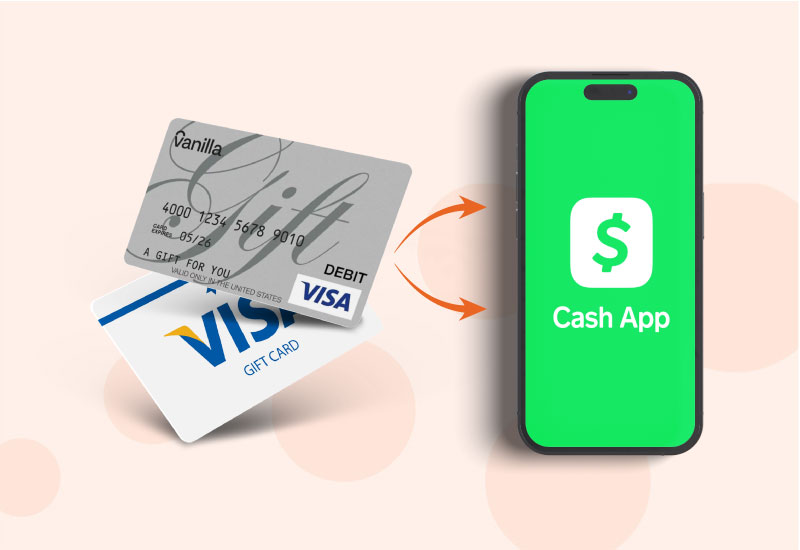
Another workaround involves converting your credit card line of credit into a usable balance on Cash App by purchasing a prepaid or reloadable debit card.
-
Purchase a Prepaid or Reloadable Debit Card: Use your credit card to purchase a general-purpose reloadable prepaid debit card, either online or at a retail location. These cards often incur activation or purchase fees (e.g., $3.95 to $7.95).
-
Load Funds (if applicable): For reloadable cards, ensure the funds are loaded onto the card using your credit card, if permitted by the card issuer and the prepaid card service.
-
Link to Cash App: Once the prepaid card is activated and funded, link it to your Cash App account in the same way you would link a regular debit card.
-
Add Money to Cash App: Use the “Add Cash” feature within Cash App, selecting the linked prepaid card as the source.
Important Considerations: Not all prepaid cards are compatible with Cash App, and some may have limitations on how they can be used or how much money can be added from them. Moreover, the combined fees (purchase/activation fee for the prepaid card, potential credit card processing fees if applicable, and any Cash App fees if you choose to “cash out” instantly from Cash App) can significantly diminish the value of the money transferred.
Option 3: Cash Advance (with extreme caution)
This is the most direct way to get cash from a credit card, though it’s typically the most expensive and financially hazardous option. It bypasses Cash App initially to get physical cash, which can then be deposited and transferred.
-
Obtain a Cash Advance: Use your credit card at an ATM with your Personal Identification Number (PIN), or request a cash advance check directly from your credit card issuer. Some credit cards also allow direct deposits of cash advances to linked bank accounts.
-
Deposit Cash (if physical): If you obtained physical cash from an ATM, deposit it into your bank account.
-
Transfer to Cash App: Once the funds are in your bank account, you can easily link your bank account to Cash App and add money directly to your Cash App balance.
Important Considerations: This method is almost universally advised against by financial experts due to the severe financial repercussions. Cash advances incur significant fees (typically 3-5% of the amount, minimum $10) and, critically, begin accruing interest immediately, often at a much higher APR than your standard purchase rate (e.g., 25-30% or more), with no grace period. This means you start paying interest from day one until the balance is paid off. Using a cash advance also negatively impacts your credit utilization ratio, potentially harming your credit score.
The Financial Implications: Costs and Risks
Understanding the true cost of moving money from a credit card to Cash App is paramount. Each workaround carries financial penalties that can quickly erode the value of the funds transferred and potentially lead to a cycle of debt.
Transaction Fees and Cash Advance Charges
The most immediate financial impact comes from various fees. When using intermediary P2P apps (Option 1), expect to pay credit card processing fees, usually ranging from 2.9% to 3.5% of the transaction amount. The gift card strategy (Option 2) involves purchase or activation fees for the card itself, which can range from a few dollars to nearly ten. The cash advance option (Option 3) is notorious for its steep cash advance fee, typically 3% to 5% of the amount, with a common minimum fee of $10. These fees are non-negotiable and are applied at the point of transaction, reducing the net amount you receive.
Interest Rates and Debt Accumulation
Beyond upfront fees, the interest implications are arguably more damaging. Unlike regular credit card purchases that often have an interest-free grace period if you pay your statement balance in full, cash advances accrue interest from the moment the transaction posts to your account. This interest is typically at a significantly higher APR than your purchase APR, exacerbating the cost of borrowing. Employing these methods frequently or for substantial amounts can quickly lead to accumulating high-interest credit card debt, making repayment challenging and potentially drawing you into a debt spiral where interest payments consume a large portion of your monthly payment.
Impact on Credit Score
Regularly using your credit card for cash-like transactions, especially cash advances, can negatively impact your credit score. Firstly, it increases your credit utilization ratio – the amount of credit you’re using compared to your total available credit. Lenders view a high utilization ratio (generally above 30%) as a sign of financial distress, which can lower your score. Secondly, credit card companies monitor account activity, and frequent cash advances might be viewed unfavorably, potentially affecting your creditworthiness for future loans or credit limit increases. Consistently high balances due to accumulated fees and interest can also lead to missed payments if you struggle to keep up, which is one of the most detrimental factors for a credit score.
Responsible Financial Management and Alternatives
Given the significant costs and risks associated with transferring money from a credit card to Cash App, it’s essential to explore more financially sound alternatives and practice responsible financial management. The goal should be to avoid needing to use high-cost, high-risk methods for accessing cash.
Emergency Funds and Budgeting
The primary safeguard against the need for costly credit card cash transfers is a robust emergency fund. This fund, typically held in a separate, easily accessible savings account, should ideally cover 3 to 6 months of living expenses. Having this safety net provides immediate access to cash for unexpected needs without resorting to debt. Complementing an emergency fund with a well-structured budget is crucial. A budget allows you to track income and expenses, identify areas for savings, and allocate funds appropriately, preventing shortfalls that might otherwise necessitate resorting to credit card cash advances. Regular budgeting helps in understanding your cash flow and proactively planning for future expenses.
Personal Loans and Debt Consolidation
For larger financial needs or to address existing high-interest credit card debt, a personal loan can be a more affordable and structured alternative. Personal loans typically offer fixed interest rates that are often lower than credit card cash advance APRs, and they come with a fixed repayment schedule, making it easier to manage and pay off debt over a set period. If you’re considering a cash advance to pay off other credit card debt, a debt consolidation loan could offer a single, lower-interest payment that simplifies your finances and reduces overall interest paid. Always compare interest rates, fees, and terms from multiple lenders to find the most favorable option.

Credit Card Alternatives for Cash Needs
Before contemplating using a credit card for cash, consider these less expensive alternatives:
-
Savings Account: If you have savings, drawing from them is almost always the cheapest option.
-
Borrowing from Friends/Family: For short-term, urgent needs, borrowing from a trusted friend or family member, with clear repayment terms, can avoid fees and interest.
-
Small Personal Loans/Payday Alternatives: Some credit unions offer small-dollar loans with reasonable rates as an alternative to predatory payday loans. Research carefully, as terms can vary widely.
-
Side Hustles: For immediate cash needs, engaging in a short-term side hustle or selling unneeded items can generate quick income without incurring debt.
In summary, while there are indirect ways to get money from a credit card into Cash App, these methods are not without significant financial costs and risks. Credit cards are designed for convenience in making purchases, not for accessing cash. Prioritizing an emergency fund, adhering to a budget, and exploring safer financial products like personal loans are far more responsible and cost-effective strategies for managing your money.
aViewFromTheCave is a participant in the Amazon Services LLC Associates Program, an affiliate advertising program designed to provide a means for sites to earn advertising fees by advertising and linking to Amazon.com. Amazon, the Amazon logo, AmazonSupply, and the AmazonSupply logo are trademarks of Amazon.com, Inc. or its affiliates. As an Amazon Associate we earn affiliate commissions from qualifying purchases.