
Navigating the complexities of federal taxes can be daunting, and one of the most pressing questions for many taxpayers is simply, “How much do I owe the IRS?” Whether you’ve just filed your return, received a notice, or are trying to get your financial house in order, accurately determining your tax liability is a critical first step. Unpaid taxes can accrue penalties and interest, making it essential to identify and address any outstanding balance promptly. Fortunately, the Internal Revenue Service (IRS) provides several reliable channels for taxpayers to access this crucial information, ranging from convenient online tools to traditional communication methods and professional assistance. Understanding these avenues empowers you to take control of your tax situation, avoid surprises, and plan your payments effectively. This comprehensive guide will walk you through each method, ensuring you have the knowledge to confidently ascertain your IRS tax obligation.
Utilizing Official IRS Online Tools
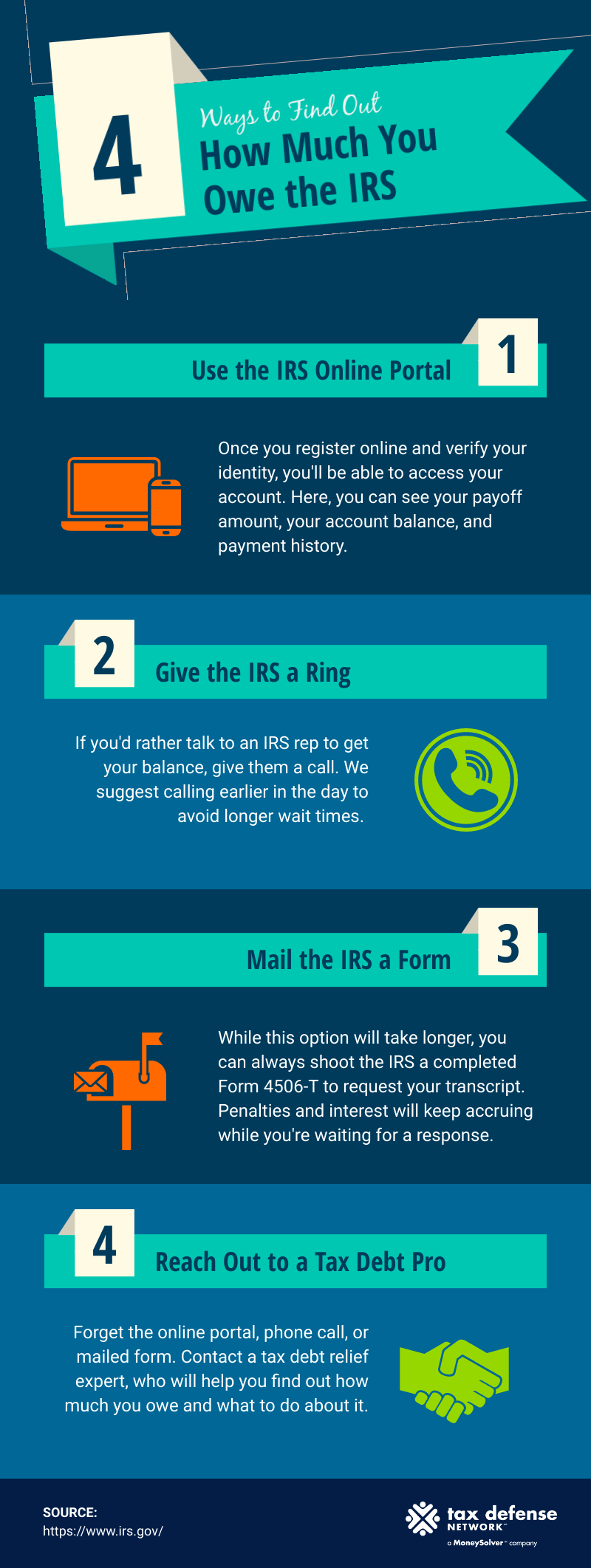
In an increasingly digital world, the IRS has significantly enhanced its online presence, offering a suite of secure and user-friendly tools designed to give taxpayers direct access to their personal tax information. These digital resources are often the quickest and most efficient way to determine how much you owe, providing real-time data and convenient access from anywhere with an internet connection.
The IRS Online Account: Your Personalized Tax Portal
The cornerstone of the IRS’s online offerings is the IRS Online Account. This secure digital portal acts as your personal gateway to a wealth of tax information. Once registered and verified, you can instantly view your balance due, including any accrued penalties and interest. Beyond just the current amount owed, the account provides a detailed breakdown of your payment history, allowing you to track previous payments made and see how they were applied. You can also access key tax records, such as tax transcripts, which offer a comprehensive summary of your filed tax returns and account activity. Perhaps most importantly, the Online Account facilitates direct payments and allows you to explore and apply for various payment options, such as short-term payment plans or installment agreements, directly from the platform.
Setting up an IRS Online Account requires a robust identity verification process to ensure the security of your sensitive financial data. This typically involves providing personal information, such as your Social Security number, date of birth, filing status, and perhaps even a financial account number linked to your name. While the initial setup might take a few minutes, the convenience and accessibility it offers for managing your tax affairs make it an invaluable tool for any taxpayer. Regular checks of your Online Account can help you stay informed and prevent unexpected tax issues.
Direct Pay and Online Payment Agreements
While primarily designed for making payments, the IRS’s Direct Pay service and the Online Payment Agreement (OPA) application indirectly provide clarity on your outstanding balance. If you already know you owe money and wish to make a one-time payment, IRS Direct Pay allows you to pay directly from your checking or savings account. During this process, you will typically confirm the amount you intend to pay, which implicitly confirms the balance you believe you owe or are addressing.
For those who cannot pay their tax liability in full immediately, the Online Payment Agreement (OPA) application is a crucial resource. This online tool allows eligible taxpayers to propose and set up an installment agreement with the IRS. To initiate an OPA, you must first know the amount you owe, as this forms the basis of the agreement. The application process will guide you through calculating your monthly payment based on your total outstanding balance, including tax, penalties, and interest. Successfully establishing an OPA allows you to pay off your tax debt over a period (up to 72 months) while avoiding further penalties for failure to pay, provided you adhere to the agreement terms. The very act of using this tool necessitates acknowledging and working with your current tax debt figure.
The “Get Transcript” Tool
The IRS “Get Transcript” tool, while not directly labeled “how much I owe,” offers detailed tax records that can be instrumental in determining your current tax liability or understanding past obligations. Through this tool, you can request various types of transcripts online or by mail. The “Account Transcript” is particularly useful as it shows most line items from your filed tax return, along with any adjustments made by you or the IRS, and payments made. Critically, it also displays any balance due as of a specific date, along with the penalty and interest assessments.
Accessing transcripts online is instant if you can verify your identity. Otherwise, you can request them by mail, which typically takes 5 to 10 calendar days to arrive. Transcripts are often required by lenders for mortgages or student loans, but their utility for personal tax management is equally significant. By reviewing your Account Transcript, you can reconcile your records with those of the IRS, identify any discrepancies, and gain a clear understanding of your tax account’s status, including any outstanding balances.
Traditional Communication Methods with the IRS
While online tools offer speed and convenience, not every taxpayer prefers or has the ability to use digital services. For those situations, or when facing more complex issues, the IRS continues to offer traditional communication channels that remain effective for ascertaining your tax liability and resolving related concerns.
Phone Contact with the IRS
For direct, personalized assistance, contacting the IRS by phone is a viable option. The IRS operates several toll-free phone lines dedicated to assisting individual and business taxpayers. The primary number for individuals is generally sufficient for general inquiries about your account balance. Before calling, it’s essential to have certain information ready to facilitate the verification process and ensure a productive conversation. This includes your Social Security number (SSN) or Individual Taxpayer Identification Number (ITIN), your date of birth, your filing status for the tax year in question, and a copy of your previously filed tax return for that year. Having this information readily available will help the IRS representative quickly access your account and provide accurate details about your outstanding balance, including any penalties or interest.
Be prepared for potentially long wait times, especially during peak tax season. It’s often advisable to call early in the morning, late in the afternoon, or on weekdays outside of Monday. While calling, keep a pen and paper handy to jot down important information, such as the representative’s name and badge number, the date and time of the call, and any instructions or advice given. This documentation can be valuable if you need to follow up or reference the conversation later.
Mail Correspondence and Official Notices
The IRS frequently communicates with taxpayers through mail, particularly when there’s an outstanding balance or an issue with a filed return. Official IRS notices and letters are crucial documents that explicitly state how much you owe and why. Common notices related to balances due include CP14 (Balance Due), CP501 (Reminder of Payment Due), and sometimes more severe notices like LT11 (Final Notice of Intent to Levy and Notice of Your Right to a Hearing). Each notice provides a specific amount owed, often detailing the original tax, penalties, and interest.
It is paramount to open and carefully read all mail from the IRS. These notices are not junk mail; they contain vital information about your tax obligations and often provide deadlines for response or payment. Ignoring them can lead to escalating penalties, interest, and enforcement actions. If you receive a notice and don’t understand it, or if you believe there’s an error, it’s important to respond promptly. The notice itself will usually provide instructions on how to reply, whom to contact, or what forms to submit. Keeping organized records of all IRS correspondence is crucial for managing your tax affairs effectively and disputing any incorrect assessments.
In-Person Assistance at Taxpayer Assistance Centers (TACs)
For taxpayers who prefer face-to-face interaction, or whose tax situations are particularly complex and require personalized guidance, IRS Taxpayer Assistance Centers (TACs) offer in-person support. While TACs do not prepare tax returns, they can provide assistance with specific tax questions, help with account inquiries (including determining balances owed), and clarify IRS notices. They can also help with payment options and address issues that might be difficult to resolve over the phone or online.

Before visiting a TAC, it is almost always necessary to schedule an appointment. You can find the nearest TAC location and schedule an appointment by using the IRS website or by calling the IRS appointment line. When attending your appointment, bring all relevant documentation, including your Social Security number, photo identification, copies of any IRS notices you’ve received, and previous tax returns. TAC employees can access your account information directly and provide detailed explanations of your tax liability, guiding you through the available resolution options. This direct interaction can be invaluable for taxpayers seeking clarity and reassurance in managing their tax obligations.
Leveraging Professional Help and Tax Software
Sometimes, the intricacies of tax law, the volume of documentation, or the sheer complexity of a tax situation warrant the expertise of a professional. Tax professionals can serve as invaluable intermediaries between you and the IRS, helping to decipher notices, access records, and strategize the best course of action. Similarly, modern tax software, while primarily for filing, can also offer insights into your tax standing.
Tax Professionals: CPAs, Enrolled Agents, and Tax Attorneys
When you’re unsure about the exact amount you owe, or if you disagree with an IRS assessment, engaging a qualified tax professional can be your most effective strategy. Certified Public Accountants (CPAs), Enrolled Agents (EAs), and tax attorneys are authorized to represent taxpayers before the IRS. They have specialized knowledge of tax law and procedures, enabling them to navigate complex situations that might overwhelm an individual.
A tax professional can:
-
Access Your IRS Records: With your authorization, they can directly contact the IRS, review your tax transcripts, and ascertain your exact balance due, including a detailed breakdown of tax, penalties, and interest. They often have dedicated practitioner hotlines, potentially reducing wait times.
-
Interpret IRS Notices: They can explain the meaning and implications of any IRS notices you’ve received, ensuring you understand why you owe what you owe and what your options are.
-
Advise on Payment and Resolution Strategies: Beyond simply telling you the amount, they can help you understand various payment options (e.g., installment agreements, Offer in Compromise), determine eligibility, and negotiate on your behalf with the IRS.
-
Represent You in Audits or Disputes: If your balance due stems from an audit or a dispute, a tax professional can prepare your case, communicate with the IRS, and work towards a favorable resolution.
Seeking professional help is particularly advisable in cases of large tax debts, complex financial situations, business tax issues, or if you find communication with the IRS challenging or overwhelming. Their expertise can save you time, stress, and potentially more money in the long run.
Tax Preparation Software: Pre-Filing and Archival Insights
While primarily known for preparing and filing current year tax returns, tax preparation software can also be a useful tool for understanding your tax liability. When you use software like TurboTax, H&R Block, or TaxAct to prepare your taxes, the software meticulously calculates your income, deductions, credits, and ultimately, your tax due or refund amount before you even file. This provides a clear figure of what you will owe the IRS for that specific tax year. If you have filed your taxes and indicated a balance due, your software will typically store this information within your account or on your local device.
Many tax software platforms allow you to access and review your past filed returns. By reviewing these archived returns, you can quickly see the original tax liability you reported, any payments made through estimated taxes or withholdings, and the final balance you were expected to pay. This is particularly helpful if you’ve lost track of a specific year’s obligation or need to verify a previous filing. While the software itself won’t tell you if the IRS has since assessed additional penalties or interest (for that, you’d need the IRS Online Account or a transcript), it provides a fundamental reference point for your initial declared tax debt.
Understanding Your Tax Obligation and Next Steps
Once you’ve successfully determined how much you owe the IRS, the next crucial phase involves understanding the components of that debt and planning your strategy for resolution. Simply knowing the number is only half the battle; knowing what to do with that information is equally important.
Interpreting Your Balance: Beyond Just the Tax
Your total balance due to the IRS is often more than just the unpaid tax itself. It typically comprises three main components:
-
Unpaid Tax: This is the original amount of tax calculated on your return or assessed by the IRS after an audit or correction.
-
Penalties: The IRS assesses various penalties for non-compliance. Common ones include:
-
Failure to File: Applied if you don’t file your return by the due date.
-
Failure to Pay: Applied if you don’t pay the tax shown on your return by the due date.
-
Accuracy-Related Penalties: Assessed if you underpay your tax due to negligence or substantial understatement of income.
-
Failure to Deposit: For businesses that don’t make required employment tax deposits on time.
-
-
Interest: Interest accrues on any unpaid tax from the original due date of the return until the date of payment. Interest can also be charged on penalties. The IRS interest rate is typically adjusted quarterly and is based on the federal short-term rate plus 3 percentage points.
Understanding which components make up your total debt helps in formulating a strategy. For instance, sometimes penalties can be abated (removed) under certain circumstances, such as reasonable cause, while interest generally cannot be removed unless the underlying tax or penalty it applies to is also removed.
Payment Options and Resolution Strategies
Once you know your total obligation, the IRS offers several payment and resolution options:
-
Paying in Full: The simplest solution is to pay your entire balance as soon as possible. This stops the accrual of further penalties and interest. You can use IRS Direct Pay, pay by debit/credit card through third-party processors, or authorize an electronic funds withdrawal during e-filing.
-
Short-Term Payment Plan: If you can pay off your tax debt within 180 days, you might qualify for a short-term payment plan. While penalties and interest continue to accrue, this option prevents further collection actions.
-
Installment Agreement: If you need more time, an installment agreement allows you to make monthly payments for up to 72 months. A small setup fee may apply, and interest and penalties continue to accrue, but at a reduced rate for certain penalties.
-
Offer in Compromise (OIC): An OIC allows certain taxpayers to settle their tax debt for a lower amount than what they originally owe. This option is generally considered when taxpayers are facing significant financial hardship and cannot pay their full tax liability. The IRS will evaluate your ability to pay, income, expenses, and asset equity.
-
Currently Not Collectible (CNC) Status: If the IRS determines you cannot pay any of your tax debt due to financial hardship, they may place your account in CNC status. While collection efforts cease, interest and penalties continue to accrue, and the IRS may review your financial situation periodically.
It’s crucial to choose the option that best fits your financial situation and adhere to its terms to avoid further complications.
Proactive Measures for Future Tax Years
Finally, understanding your past or current tax debt is an excellent opportunity to implement proactive measures to prevent similar issues in the future:
-
Adjust Your Withholding (Form W-4): If you’re an employee, review and adjust your Form W-4 with your employer to ensure the correct amount of federal income tax is withheld from your paychecks. This helps prevent underpayment or significant refunds.
-
Make Estimated Tax Payments (Form 1040-ES): If you’re self-employed, have substantial other income (e.g., from investments, rent), or are under-withheld, you may need to make quarterly estimated tax payments using Form 1040-ES.
-
Keep Meticulous Records: Maintain organized records of all income, expenses, deductions, and credits. This simplifies tax preparation and provides documentation if the IRS has questions.
-
Regularly Check Your IRS Online Account: Make it a habit to log into your IRS Online Account periodically to monitor your tax status, review payment history, and catch any potential issues early.
By taking these steps, you can significantly reduce the likelihood of owing a substantial balance in the future and gain greater peace of mind regarding your financial obligations.
In conclusion, knowing how much you owe the IRS is the first and most critical step toward resolving any tax liability. Whether through the convenience of online tools, the direct communication channels, or the expertise of tax professionals, the resources are available to provide you with a clear picture of your tax situation. Once armed with this information, you can proactively explore payment options, address penalties, and implement strategies to ensure a smoother tax experience in the years to come. Engaging with your tax obligations responsibly not only ensures compliance but also contributes to your overall financial well-being.
aViewFromTheCave is a participant in the Amazon Services LLC Associates Program, an affiliate advertising program designed to provide a means for sites to earn advertising fees by advertising and linking to Amazon.com. Amazon, the Amazon logo, AmazonSupply, and the AmazonSupply logo are trademarks of Amazon.com, Inc. or its affiliates. As an Amazon Associate we earn affiliate commissions from qualifying purchases.