
In an increasingly digital world, the ability to manage your finances and grow your wealth has never been more accessible. Online share trading, once the exclusive domain of professional brokers and institutional investors, is now firmly within reach for individuals across the globe. This guide will walk you through the essential steps, strategies, and considerations for successfully navigating the stock market from the comfort of your home or on the go. Whether you’re looking to build long-term wealth, generate passive income, or simply understand how the market works, trading shares online offers an empowering avenue to take control of your financial future.
Understanding the Fundamentals of Online Share Trading
Before diving into the mechanics of buying and selling, it’s crucial to grasp the foundational concepts of online share trading. A solid understanding will equip you with the knowledge needed to make informed decisions and build a robust investment strategy.
What Exactly Are Shares?
At its core, a “share” represents a single unit of ownership in a company. When you buy shares, you become a shareholder, meaning you own a tiny slice of that business. Companies issue shares to raise capital for growth, expansion, or to fund operations. As a shareholder, you can benefit in several ways: through capital appreciation (when the value of your shares increases) and potentially through dividends (a portion of the company’s profits paid out to shareholders). The price of a share is influenced by a multitude of factors, including the company’s financial performance, industry trends, economic conditions, and investor sentiment.
The Allure of Online Trading: Accessibility and Control
The shift from traditional brokerage houses to online platforms has revolutionized investing. The primary appeal of online trading lies in its unparalleled accessibility and the control it grants investors. You can now execute trades, monitor your portfolio, and access market research 24/7 from virtually anywhere with an internet connection. This immediacy eliminates the need for intermediaries for every transaction, often resulting in lower trading fees and greater transparency. Furthermore, online platforms empower you to research companies, analyze market data, and make investment decisions that align directly with your personal financial goals and risk tolerance, rather than relying solely on an advisor’s recommendations.
Key Players and Terminology: Brokers, Exchanges, and Order Types
To trade shares online, you’ll interact with several key entities and concepts:
- Online Broker (Brokerage Firm): This is your gateway to the stock market. An online broker provides the platform and services necessary to buy and sell shares. They act as an intermediary between you and the stock exchange.
- Stock Exchange: This is where shares are actually bought and sold. Major exchanges include the New York Stock Exchange (NYSE), NASDAQ, London Stock Exchange (LSE), and many others globally.
- Order Types: Understanding how to place an order is fundamental:
- Market Order: An instruction to buy or sell shares immediately at the best available current price. While quick, the execution price might vary slightly from what you saw moments before, especially in volatile markets.
- Limit Order: An instruction to buy or sell shares at a specific price or better. For buying, you specify the maximum price you’re willing to pay; for selling, the minimum price you’ll accept. This offers more control over the execution price but isn’t guaranteed to fill if the market doesn’t reach your specified limit.
- Stop-Loss Order: A critical risk management tool. It’s an order to sell shares once they fall to a certain price (the “stop price”), limiting potential losses. This automatically converts to a market order once the stop price is triggered.
Setting Up Your Digital Trading Hub
With the basics covered, the next practical step is to establish your online trading environment. This involves selecting a suitable broker and familiarizing yourself with their trading platform.
Choosing the Right Online Broker: A Crucial First Step
The choice of an online broker is perhaps the most significant decision you’ll make in your trading journey. Evaluate brokers based on several factors:
- Fees and Commissions: Compare trading commissions (some offer commission-free trades for stocks), account maintenance fees, and any other hidden charges. Lower fees can significantly impact your net returns over time.
- Platform Features and Usability: Is the trading platform intuitive and user-friendly? Does it offer advanced charting tools, real-time data, and comprehensive research resources? Test drive demo accounts if available.
- Investment Options: Does the broker offer access to the markets and types of securities you’re interested in (e.g., U.S. stocks, international stocks, ETFs, mutual funds)?
- Customer Support: Responsive and knowledgeable customer service is invaluable, especially when you encounter technical issues or have urgent queries.
- Regulatory Compliance and Security: Ensure the broker is regulated by relevant financial authorities (e.g., SEC and FINRA in the U.S., FCA in the UK) and employs robust security measures to protect your funds and personal information.
The Account Opening and Funding Process
Once you’ve selected a broker, opening an account is similar to setting up a bank account. You’ll typically need to:
- Complete an Application Form: Provide personal details, employment information, and answer questions about your financial situation and investment experience.
- Verify Your Identity (KYC – Know Your Customer): Submit identification documents (e.g., passport, driver’s license) and proof of address. This is a regulatory requirement to prevent fraud and money laundering.
- Fund Your Account: Link your bank account to your brokerage account to transfer funds. Common methods include electronic funds transfers (EFTs), wire transfers, or even depositing physical checks. Be aware of minimum deposit requirements.
Mastering Your Trading Platform
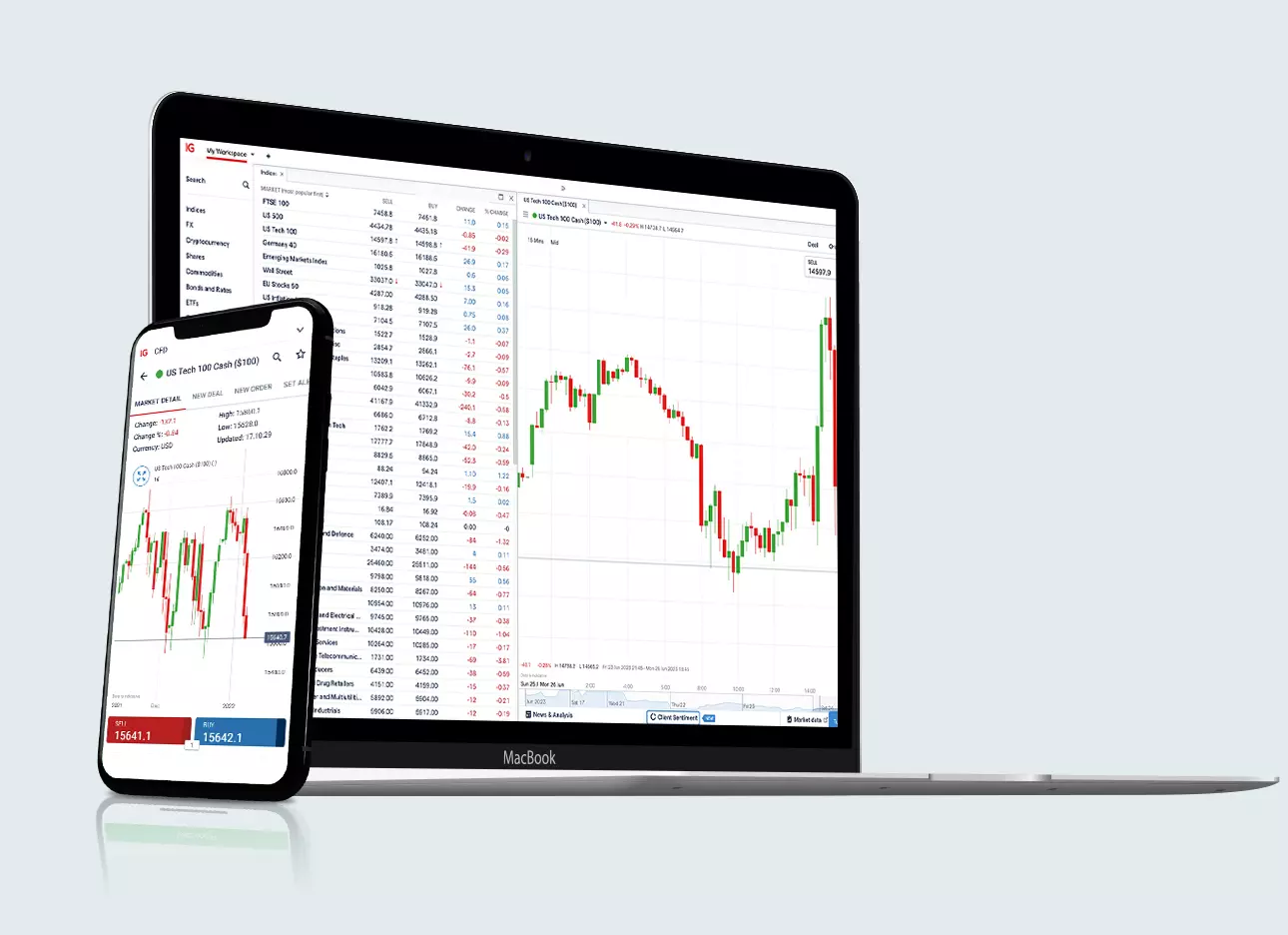
Your broker’s trading platform will be your primary interface with the market. Spend time familiarizing yourself with its layout, features, and functionalities. Most platforms offer:
- Watchlists: To track stocks you’re interested in.
- Charting Tools: For technical analysis and identifying trends.
- Order Entry Panels: Where you place your buy and sell orders.
- Account Statements and Portfolio Trackers: To monitor your holdings, performance, and transaction history.
- Research Tools: Access to news feeds, analyst reports, and company fundamentals.
Many brokers provide educational materials and tutorials to help you master their platform. Utilizing these resources and experimenting with a demo account (if available) before committing real capital is highly recommended.
Developing a Winning Investment Strategy
Trading shares online isn’t about guesswork; it’s about making informed, strategic decisions. A well-defined strategy is the backbone of successful investing.
Defining Your Financial Goals and Risk Tolerance
Before you even consider which shares to buy, clarify what you want to achieve. Are you saving for retirement (long-term growth), aiming for a down payment on a house (medium-term), or seeking to generate regular income (short-term)? Your goals will dictate your investment horizon and the level of risk you’re willing to take.
- Investment Horizon: Long-term investors often favor a buy-and-hold strategy, focusing on fundamentally strong companies. Short-term traders might focus on technical analysis and market volatility.
- Risk Tolerance: How comfortable are you with the potential for your investments to lose value? A conservative investor might prefer stable, blue-chip stocks, while an aggressive investor might seek higher-growth, higher-risk opportunities. Never invest money you cannot afford to lose.
Leveraging Analysis: Fundamental vs. Technical
Two primary analytical approaches guide investment decisions:
- Fundamental Analysis: This involves evaluating a company’s intrinsic value by examining its financial statements (balance sheet, income statement, cash flow statement), management quality, industry position, competitive landscape, and economic outlook. The goal is to identify undervalued companies that have strong growth potential.
- Technical Analysis: This approach focuses on analyzing past market data, primarily price and volume charts, to identify patterns and predict future price movements. Technical analysts use indicators like moving averages, relative strength index (RSI), and MACD to spot trends, support, and resistance levels.
Many successful investors use a combination of both, employing fundamental analysis to select strong companies and technical analysis to determine optimal entry and exit points.
The Power of Diversification and Portfolio Management
One of the most crucial principles in investing is diversification. “Don’t put all your eggs in one basket” is timeless advice. By spreading your investments across different companies, industries, and asset classes, you reduce the impact of any single poor-performing investment on your overall portfolio.
- Sector Diversification: Invest in companies from various sectors (e.g., technology, healthcare, finance, consumer goods).
- Geographic Diversification: Consider investing in companies from different countries or regions.
- Asset Class Diversification: While this article focuses on shares, remember that a truly diversified portfolio might also include bonds, real estate, or other alternative investments.
Effective portfolio management involves regularly reviewing your investments, rebalancing your portfolio to maintain your desired asset allocation, and adjusting your strategy as your goals or market conditions change.
Executing Trades and Managing Your Investments
Once your strategy is in place, it’s time to put it into action. However, execution is only half the battle; ongoing management and disciplined risk control are paramount.
Placing Your First Trade: From Concept to Click
With your account funded and your target shares identified, placing a trade is straightforward. Navigate to the order entry section of your platform, enter the ticker symbol of the company you wish to buy or sell, specify the number of shares, choose your order type (market, limit, stop-loss), and confirm the transaction. Always double-check your order details before submitting to avoid costly errors. For new traders, starting with a small position and gradually increasing your investment as you gain experience is a prudent approach.
Monitoring Performance and Adapting to Market Shifts
Your investment journey doesn’t end after placing an order. Regularly monitor the performance of your shares and the broader market. Keep an eye on economic news, company announcements, and industry developments that could impact your holdings. Market conditions are dynamic, and what works today might not work tomorrow. Be prepared to adapt your strategy, take profits, or cut losses when necessary. Automated alerts from your broker or financial news sources can help you stay informed without constant manual checking.
Essential Risk Management Techniques
Managing risk is as important as seeking returns. Without proper risk management, even a few bad trades can severely impact your portfolio.
- Stop-Loss Orders: As mentioned earlier, use stop-loss orders to automatically sell a security if its price drops to a predetermined level. This helps limit your downside risk.
- Position Sizing: Determine how much of your total capital you’re willing to allocate to any single trade. A common rule is to risk no more than 1-2% of your total trading capital on any given position. This prevents a single poor trade from wiping out a large portion of your funds.
- Never Over-Leverage: Avoid trading with borrowed money (margin) until you have significant experience and a deep understanding of its implications. Margin trading amplifies both gains and losses.
- Emotional Discipline: The market can be volatile, and emotions like fear and greed can lead to impulsive decisions. Stick to your trading plan, avoid chasing hype, and remain disciplined, especially during market downturns.

Understanding Taxes and Regulations
Finally, it’s crucial to understand the tax implications of online share trading. Capital gains (profits from selling shares) are generally taxable. The specific tax rates and rules vary significantly by country and jurisdiction, often depending on how long you held the shares (short-term vs. long-term capital gains). Dividends received may also be subject to income tax. Keep detailed records of all your trades, including purchase price, sale price, dates, and commissions, as this information will be essential for tax reporting. Consult with a tax professional to understand your obligations and optimize your tax strategy.
Trading shares online offers an exciting opportunity for individuals to participate in the financial markets and grow their wealth. By understanding the fundamentals, setting up your trading environment carefully, developing a sound strategy, and practicing diligent risk management, you can embark on a successful and rewarding investment journey. Remember that continuous learning and adapting to market changes are key to long-term success in the dynamic world of online share trading.
aViewFromTheCave is a participant in the Amazon Services LLC Associates Program, an affiliate advertising program designed to provide a means for sites to earn advertising fees by advertising and linking to Amazon.com. Amazon, the Amazon logo, AmazonSupply, and the AmazonSupply logo are trademarks of Amazon.com, Inc. or its affiliates. As an Amazon Associate we earn affiliate commissions from qualifying purchases.