
In the intricate dance of personal finance, few questions resonate with as much persistent importance as “how much should I save?” It’s a query that transcends income levels, age brackets, and life stages, sitting at the heart of financial security and aspiration. Saving isn’t merely about squirreling away spare change; it’s a foundational pillar upon which financial independence, future dreams, and peace of mind are built. Far from being a one-size-fits-all answer, the optimal amount to save is deeply personal, influenced by a myriad of factors from current income and expenses to long-term objectives and risk tolerance.
This article delves into the multi-faceted answer to this crucial question, providing a comprehensive guide to understanding your saving needs, establishing effective strategies, and optimizing your path to financial well-being. We’ll explore various frameworks, practical tips, and the underlying principles that empower you to not just save, but to save wisely and effectively for the future you envision.
Why Saving is Essential for Financial Well-being
Saving is not a luxury; it’s a necessity. It provides a buffer against the unexpected, a pathway to future goals, and a crucial tool for wealth accumulation. Understanding the fundamental reasons behind the imperative to save can often be the greatest motivator.
Building an Emergency Fund
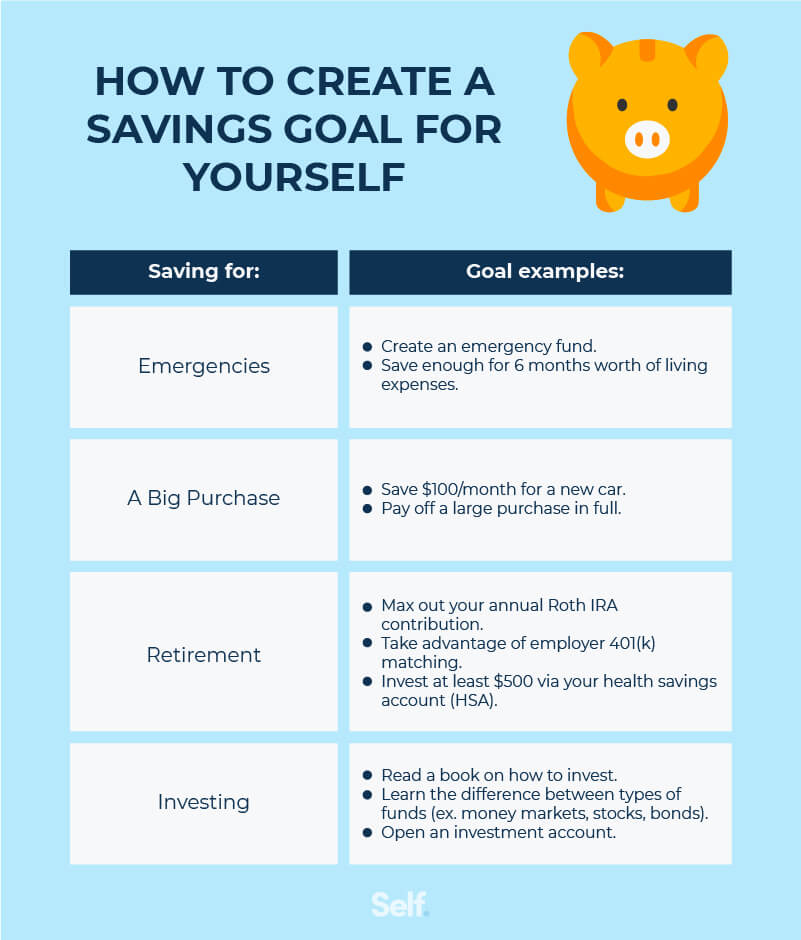
Perhaps the most critical reason to save is to establish and maintain an emergency fund. Life is unpredictable, and unexpected expenses — a sudden job loss, a medical emergency, car repairs, or home maintenance — can derail even the most carefully constructed financial plans if you’re unprepared. An emergency fund acts as a financial shock absorber, preventing you from falling into debt or having to liquidate long-term investments prematurely during a crisis.
Financial experts generally recommend having at least three to six months’ worth of essential living expenses saved in an easily accessible, liquid account, such as a high-yield savings account. For those with less stable income or higher financial dependents, even nine to twelve months might be prudent. This fund provides a vital safety net, offering peace of mind and the ability to navigate life’s inevitable curveballs without severe financial strain.
Achieving Long-Term Financial Goals
Beyond immediate emergencies, saving is the bedrock for achieving significant long-term aspirations. Whether it’s buying a home, funding a child’s education, starting a business, or retiring comfortably, these goals require substantial capital that accumulates over time through consistent saving and strategic investment. Without a deliberate saving plan, these dreams often remain just that – dreams.
Each long-term goal necessitates a distinct saving strategy, considering the time horizon, the total amount required, and the appropriate investment vehicles. For instance, saving for a down payment in five years might involve different tactics than saving for retirement in thirty years. Clear goal setting, coupled with consistent contributions, transforms ambitious dreams into achievable realities.
The Power of Compounding
One of the most powerful allies in your saving journey is the concept of compounding. Compounding is essentially earning returns on your initial investment and on the accumulated interest from previous periods. Albert Einstein is often quoted as calling compound interest “the eighth wonder of the world” for good reason. The earlier you start saving and investing, the more time your money has to grow exponentially.
Even small, consistent contributions can accumulate into substantial wealth over decades thanks to the magic of compounding. Understanding and harnessing this principle underscores why “how much to save” is intrinsically linked to “when to start saving.” The longer your money compounds, the less you personally need to contribute to reach your financial targets.
Mitigating Financial Stress
Beyond the tangible benefits, saving significantly contributes to mental and emotional well-being. Financial stress is a pervasive issue, impacting health, relationships, and overall quality of life. Having a robust savings buffer, knowing you’re prepared for contingencies, and actively working towards your financial goals can dramatically reduce anxiety and foster a sense of security and control. The freedom that comes from knowing you have options and aren’t living paycheck-to-paycheck is invaluable, allowing you to focus on other aspects of your life with greater peace.
Determining Your Personalized Savings Goals
The “how much” question largely hinges on “what for.” Identifying and prioritizing your savings goals is a crucial step in formulating an effective saving strategy. Different goals demand different timeframes, amounts, and approaches.
Short-Term Goals (1-3 Years)
Short-term goals typically include objectives you want to achieve within one to three years. These might encompass saving for a vacation, purchasing a new gadget, paying off a specific debt, or building up a smaller discretionary fund. Given their short horizon, the funds for these goals should generally be kept in highly liquid, low-risk accounts like high-yield savings accounts or money market accounts, where the principal is protected from market fluctuations. The focus here is on accumulation, not necessarily growth through investment.
Medium-Term Goals (3-10 Years)
Medium-term goals often involve larger sums and a slightly longer time horizon, typically three to ten years. Examples include saving for a down payment on a house, purchasing a new car, funding a home renovation, or perhaps saving for a significant career sabbatical or further education. For these goals, you might consider slightly more aggressive, but still relatively stable, investment options beyond a basic savings account, such as short-term bond funds or conservative balanced funds, depending on your risk tolerance and the exact timeline. The aim is to balance growth potential with capital preservation.
Long-Term Goals (10+ Years)
Long-term goals are generally those more than ten years away and often represent the largest financial aspirations. Retirement planning and funding children’s college education are prime examples. Given the extended time horizon, these goals are best served by more aggressive investment strategies, typically involving a significant allocation to equities (stocks) through diversified mutual funds or exchange-traded funds (ETFs). The longer timeframe allows you to weather market volatility and benefit substantially from compounding growth. The earlier you begin saving for these goals, the less strenuous the annual contributions need to be.
Prioritizing Your Goals
It’s common to have multiple savings goals simultaneously. The challenge then becomes prioritizing them, especially when resources are limited. A common approach is to rank goals by urgency and importance. An emergency fund is almost always the top priority. After that, high-interest debt repayment often comes next, as the interest saved can be “reinvested” into your savings. Retirement saving should also be a high priority due to the power of compounding. Once these critical areas are addressed, you can allocate remaining funds to other medium and long-term goals based on your personal values and timeline. Regularly reviewing and adjusting your priorities as life changes is also essential.
Popular Saving Rules and Guidelines
While personal circumstances dictate the exact “how much,” several well-established rules of thumb offer excellent starting points and benchmarks for your saving journey.
The 50/30/20 Rule
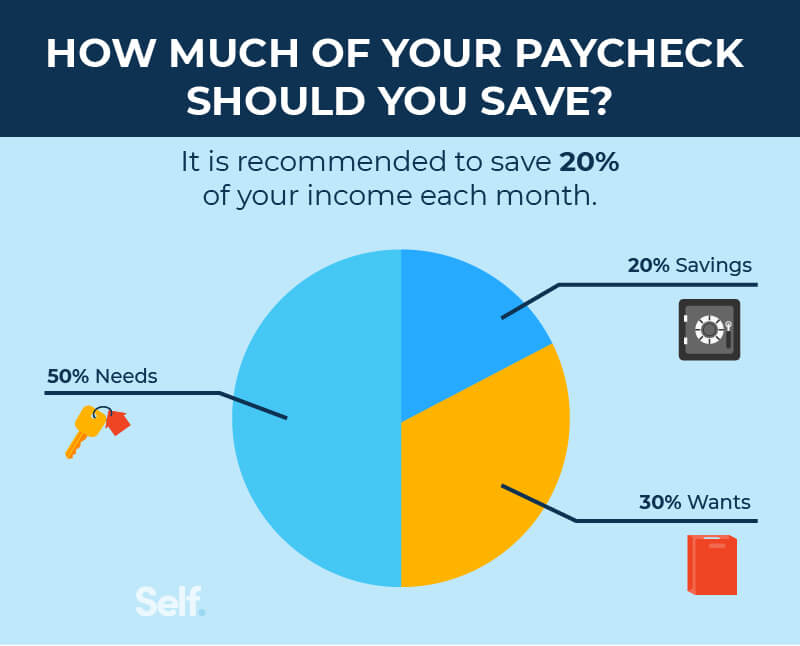
One of the most widely cited budgeting guidelines is the 50/30/20 rule. This rule suggests allocating your after-tax income as follows:
- 50% for Needs: This category covers essential expenses like housing (rent or mortgage), utilities, groceries, transportation, insurance, and minimum loan payments.
- 30% for Wants: This includes discretionary spending that improves your quality of life but isn’t strictly necessary, such as dining out, entertainment, hobbies, vacations, and shopping.
- 20% for Savings & Debt Repayment: This crucial portion is dedicated to building your emergency fund, retirement contributions, other savings goals, and any extra payments on debt beyond the minimums.
The 50/30/20 rule provides a flexible framework that helps balance current enjoyment with future security. If your “needs” consume more than 50% of your income, it signals a need to reduce essential expenses or increase income. Conversely, if you can reduce “wants,” you can accelerate your savings.

The “Pay Yourself First” Principle
This simple yet powerful principle advises that when you receive your paycheck, the very first thing you do is allocate a portion to your savings. Before paying bills, buying groceries, or indulging in wants, money is automatically transferred to your savings and investment accounts. This strategy ensures that saving is a non-negotiable part of your financial plan, rather than an afterthought that only happens if there’s money left over (which, for many, rarely happens). Automating these transfers makes it even more effective, removing the temptation to spend the money before it can be saved.
Emergency Fund Benchmarks
As mentioned, a common benchmark for an emergency fund is 3 to 6 months of essential living expenses. To calculate this, sum up your mandatory monthly expenses (rent/mortgage, utilities, food, transportation, insurance premiums, minimum debt payments). Multiply that by 3, 6, or even 9-12 to get your target. This provides a clear, actionable goal for your immediate savings efforts.
Retirement Savings Targets
Retirement savings targets are often expressed as a percentage of your income or as a multiple of your annual salary.
- Percentage of Income: Many experts recommend saving between 10-15% of your gross income for retirement throughout your working life, ideally starting in your 20s. This percentage can be adjusted based on when you start, your desired retirement age, and your expected lifestyle in retirement.
- Multiple of Salary: Fidelity, for instance, suggests aiming to have 1x your salary saved by age 30, 3x by 40, 6x by 50, 8x by 60, and 10x by 67. These benchmarks provide useful milestones to track your progress towards a financially secure retirement.
Tailoring Your Savings Strategy
While rules of thumb provide excellent guidance, your personal circumstances are unique. A truly effective savings plan is one that is customized to your individual financial situation and life stage.
Assessing Your Current Financial Situation
Before you can effectively save, you need a clear picture of your current financial landscape. This involves:
- Net Worth Calculation: Summing up all your assets (cash, investments, property, etc.) and subtracting your liabilities (debts). This gives you a snapshot of your financial health.
- Income Analysis: Understanding your reliable monthly income from all sources.
- Expense Tracking: Diligently tracking where every dollar goes. This can reveal areas where spending can be reduced and where more funds can be redirected to savings. Tools like budgeting apps or spreadsheets can be invaluable here. Understanding your cash flow is paramount.
Adjusting for Income Fluctuations
Not everyone has a stable, predictable income. Freelancers, commission-based workers, and those in seasonal industries often experience fluctuating earnings. For these individuals, a dynamic savings strategy is crucial. This might involve:
- Saving a larger percentage during high-income months to build a buffer for leaner periods.
- Setting a base savings amount for low-income months and an ambitious target for high-income months.
- Prioritizing the emergency fund to cover essential expenses during income dips.
The key is flexibility and foresight, ensuring you don’t overcommit when income is high and aren’t caught unprepared when it’s low.
Accounting for Life Stages
Your savings priorities and capacity will naturally shift throughout different life stages:
- Early Career (20s-30s): Focus on building an emergency fund, starting retirement contributions (to leverage compounding), and perhaps saving for a first home. Debt repayment (especially high-interest student loans) is often a major focus.
- Mid-Career (30s-50s): Family expenses might increase (children, larger home), but income generally rises. This stage involves increasing retirement contributions, saving for children’s education, and perhaps investing in career development.
- Late Career/Pre-Retirement (50s-60s): The focus shifts to maximizing retirement savings (catch-up contributions) and potentially paying off the mortgage. Less emphasis on long-term growth, more on capital preservation as retirement nears.
- Retirement: Managing withdrawals, ensuring longevity of funds, and enjoying the fruits of decades of saving.
Recognizing these shifts allows you to adapt your savings targets and strategies proactively.
The Role of Debt in Your Savings Plan
Debt, particularly high-interest debt like credit card balances, can be a major impediment to saving. In many cases, paying down high-interest debt should be prioritized alongside, or even before, aggressive savings for non-retirement goals. The “interest saved” by paying off debt is often a guaranteed, high-return “investment.” However, it’s crucial to strike a balance: maintaining a small emergency fund while attacking debt is usually wise to prevent new debt from forming in a crisis. Once high-interest debt is cleared, the money freed up can be redirected entirely to savings and investments, significantly accelerating your wealth-building.
Tools and Strategies to Boost Your Savings
Beyond the theoretical “how much,” practical implementation is key. Leveraging the right tools and strategies can make saving easier, more efficient, and ultimately more successful.
Automating Your Savings
Automation is arguably the most powerful tool for consistent saving. Set up automatic transfers from your checking account to your savings and investment accounts on payday. Treat these transfers like any other bill – non-negotiable. This “out of sight, out of mind” approach ensures you consistently contribute to your goals without relying on willpower or remembering to do it manually. Most banks and investment platforms offer this feature, making it incredibly simple to implement.
Budgeting and Expense Tracking
You can’t manage what you don’t measure. A clear understanding of your income and expenses is the bedrock of effective saving.
- Budgeting: Create a budget that aligns with your income and desired savings goals. Tools range from simple spreadsheets to sophisticated budgeting apps like Mint, YNAB (You Need A Budget), or Personal Capital.
- Expense Tracking: Regularly review your spending. Categorize your expenses to identify areas where you might be overspending and where cuts can be made to free up more money for savings. This isn’t about deprivation, but about intentional spending aligned with your values and goals.
High-Yield Savings Accounts and Investment Vehicles
Where you store your savings matters.
- High-Yield Savings Accounts (HYSAs): For your emergency fund and short-term goals, HYSAs offer significantly better interest rates than traditional savings accounts, allowing your money to grow modestly while remaining liquid and secure.
- Retirement Accounts: Maximize tax-advantaged accounts like 401(k)s, 403(b)s, and IRAs (Traditional or Roth). These accounts offer tax benefits (tax-deferred growth or tax-free withdrawals in retirement) that supercharge your long-term savings.
- Brokerage Accounts: For non-retirement long-term goals, a taxable brokerage account allows you to invest in a wider range of assets, offering potential for higher returns over the long run, albeit without the specific tax advantages of retirement accounts.
Maximizing Workplace Benefits
If your employer offers a retirement plan like a 401(k) with a matching contribution, contributing at least enough to get the full match is often the smartest financial move you can make. An employer match is essentially free money – an immediate, guaranteed return on your investment that you shouldn’t leave on the table. Explore other workplace benefits too, such as health savings accounts (HSAs) if you have a high-deductible health plan, which offer a triple tax advantage for healthcare expenses and can serve as another investment vehicle.
Reviewing and Adjusting Your Plan
Your financial life is dynamic. Your income might change, your expenses could fluctuate, new goals might emerge, and market conditions will shift. Therefore, your savings plan shouldn’t be set in stone.
- Regular Reviews: Schedule annual or semi-annual financial reviews to assess your progress, adjust your budget, and realign your savings goals with your current reality.
- Flexibility: Be prepared to adjust your contribution amounts based on life events. A pay raise is an excellent opportunity to increase your savings rate. A temporary financial setback might require a brief pause or reduction in contributions, but the goal should always be to get back on track.
The question “how much to save” doesn’t have a single, static answer. Instead, it’s an ongoing conversation you have with your finances, evolving as your life unfolds. By understanding the critical importance of saving, setting clear goals, employing smart strategies, and regularly reviewing your progress, you can construct a robust financial future, one consistent contribution at a time. The journey to financial security and freedom is a marathon, not a sprint, and every dollar saved is a step forward.
aViewFromTheCave is a participant in the Amazon Services LLC Associates Program, an affiliate advertising program designed to provide a means for sites to earn advertising fees by advertising and linking to Amazon.com. Amazon, the Amazon logo, AmazonSupply, and the AmazonSupply logo are trademarks of Amazon.com, Inc. or its affiliates. As an Amazon Associate we earn affiliate commissions from qualifying purchases.