
In the dynamic world of cryptocurrency, platforms like Coinbase have emerged as vital gateways for individuals looking to participate in the digital asset revolution. While the allure of significant gains is undeniable, successful trading on Coinbase, or any exchange, demands a strategic approach rooted in financial understanding, discipline, and a clear grasp of market mechanics. This guide delves into the core principles and practical steps for effective trading on Coinbase, emphasizing financial prudence and informed decision-making within the broader context of personal finance and investing.
Understanding Coinbase: Your Gateway to Crypto Trading
Coinbase has established itself as one of the most recognized and widely used cryptocurrency exchanges globally, offering a user-friendly interface that appeals to both novices and experienced traders. Understanding its structure and offerings is the first step toward effective trading.
What is Coinbase and Why Choose It?
At its core, Coinbase is a secure online platform for buying, selling, transferring, and storing cryptocurrency. Its appeal lies in its accessibility, regulatory compliance, and robust security measures. For many new to crypto, Coinbase serves as an intuitive entry point, simplifying the often-complex process of acquiring digital assets. It supports a wide range of cryptocurrencies, from Bitcoin and Ethereum to numerous altcoins, allowing for diversified portfolio building. The platform’s emphasis on user experience, coupled with its strong reputation, makes it a preferred choice for individuals seeking a reliable and regulated environment to engage with the crypto market. Its institutional-grade security protocols, including cold storage for the majority of client funds and FDIC insurance for USD balances, provide a significant layer of confidence for investors.
Differentiating Coinbase from Coinbase Advanced Trade
While often used interchangeably, it’s crucial to distinguish between the basic Coinbase platform and Coinbase Advanced Trade (formerly Coinbase Pro). The standard Coinbase app is designed for simplicity, offering a straightforward “buy” and “sell” button experience, ideal for quick transactions and beginners. However, it typically comes with higher trading fees for this convenience.
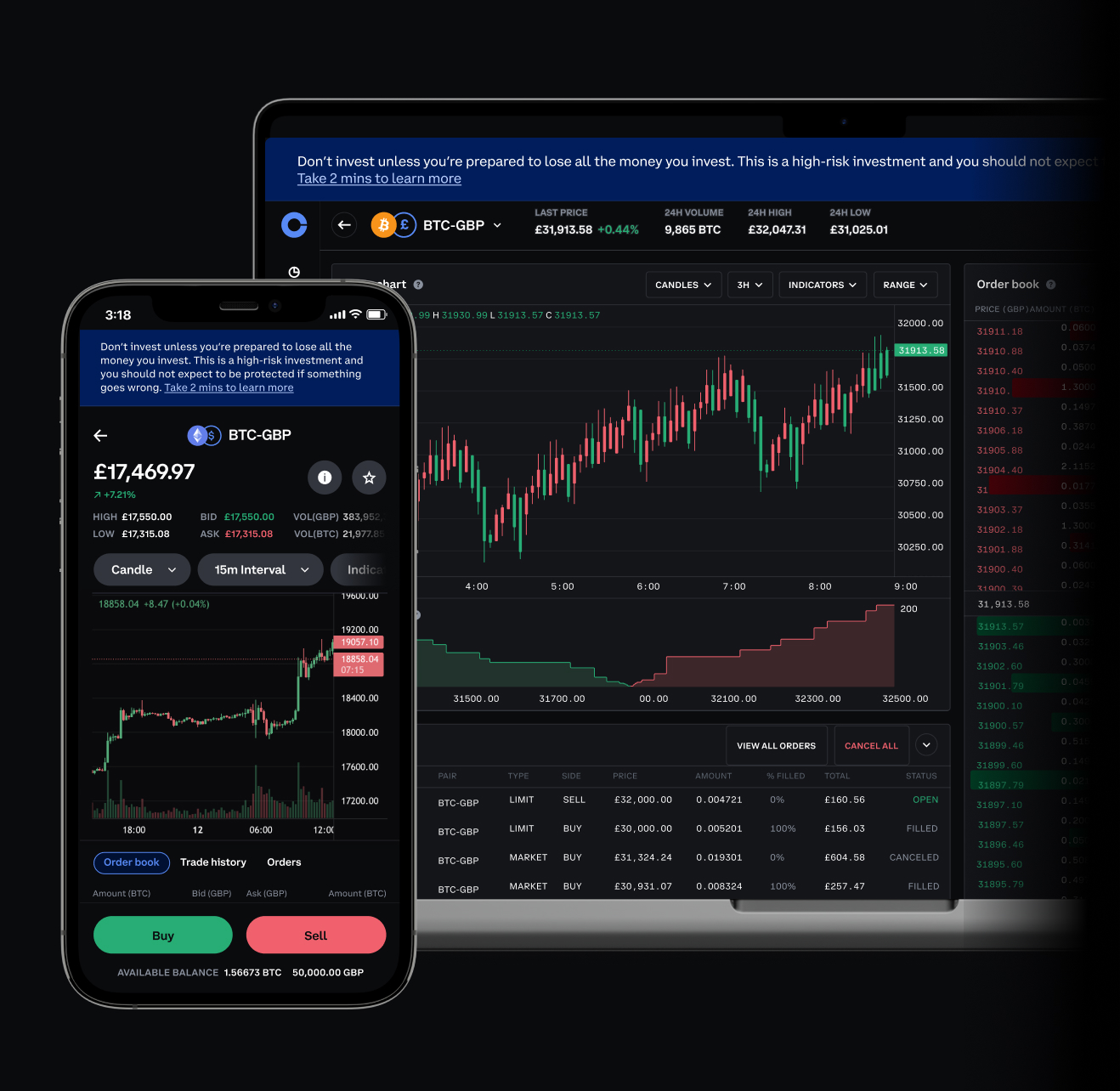
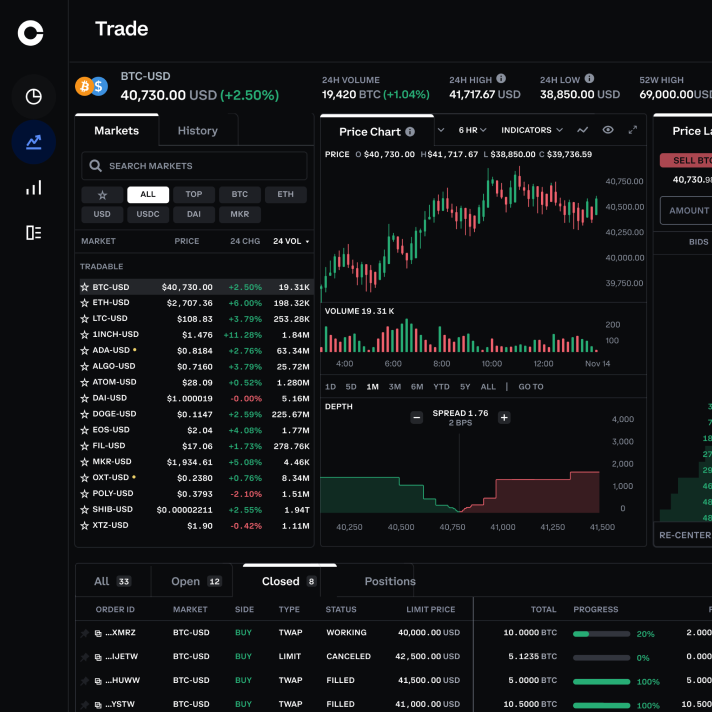
Coinbase Advanced Trade, on the other hand, is built for more active traders and offers a more sophisticated set of tools, including detailed charting, order books, and various order types (limit orders, stop orders, etc.). Crucially, Advanced Trade boasts a maker-taker fee structure that is generally significantly lower than the basic Coinbase platform, making it a more cost-effective option for frequent trading or larger transaction volumes. For anyone serious about maximizing their trading efficiency and minimizing costs, transitioning to or directly utilizing Coinbase Advanced Trade is a financially savvy decision.
Account Setup and Verification
Before any trading can commence, establishing and securing your Coinbase account is paramount. This involves a multi-step process designed to comply with Know Your Customer (KYC) and Anti-Money Laundering (AML) regulations, while also safeguarding your assets. You’ll need to provide personal details, link a payment method, and complete identity verification by submitting government-issued identification. This process is not merely a formality; it’s a critical security measure that protects both you and the platform from illicit activities. Furthermore, enabling two-factor authentication (2FA) is non-negotiable. This adds an essential layer of security, ensuring that even if your password is compromised, unauthorized access to your funds remains incredibly difficult. Treat your Coinbase account with the same level of financial security diligence as you would your traditional bank accounts.
Laying the Foundation: Essential Pre-Trading Steps
Effective trading begins long before you place your first order. It involves thorough preparation, understanding the platform’s mechanics, and familiarizing yourself with the unique lexicon of the crypto world.
Funding Your Account: Methods and Considerations
To begin trading, you’ll need to fund your Coinbase account with fiat currency (e.g., USD, EUR, GBP) or by transferring existing cryptocurrencies. Coinbase offers various funding methods, each with its own advantages, limitations, and fee structures. Bank transfers (ACH in the US, SEPA in Europe) are typically the most cost-effective option, though they may take several business days to clear. Debit card purchases offer instant access to funds but often come with higher transaction fees. PayPal integration is another convenient option for some users.
When choosing a funding method, consider both the speed of transaction and the associated costs, as these can significantly impact your overall profitability, especially for smaller trades. It’s also wise to understand the deposit and withdrawal limits associated with your chosen method, as these can vary based on your verification level and the region. Efficient capital management starts with smart funding choices.
Navigating the User Interface
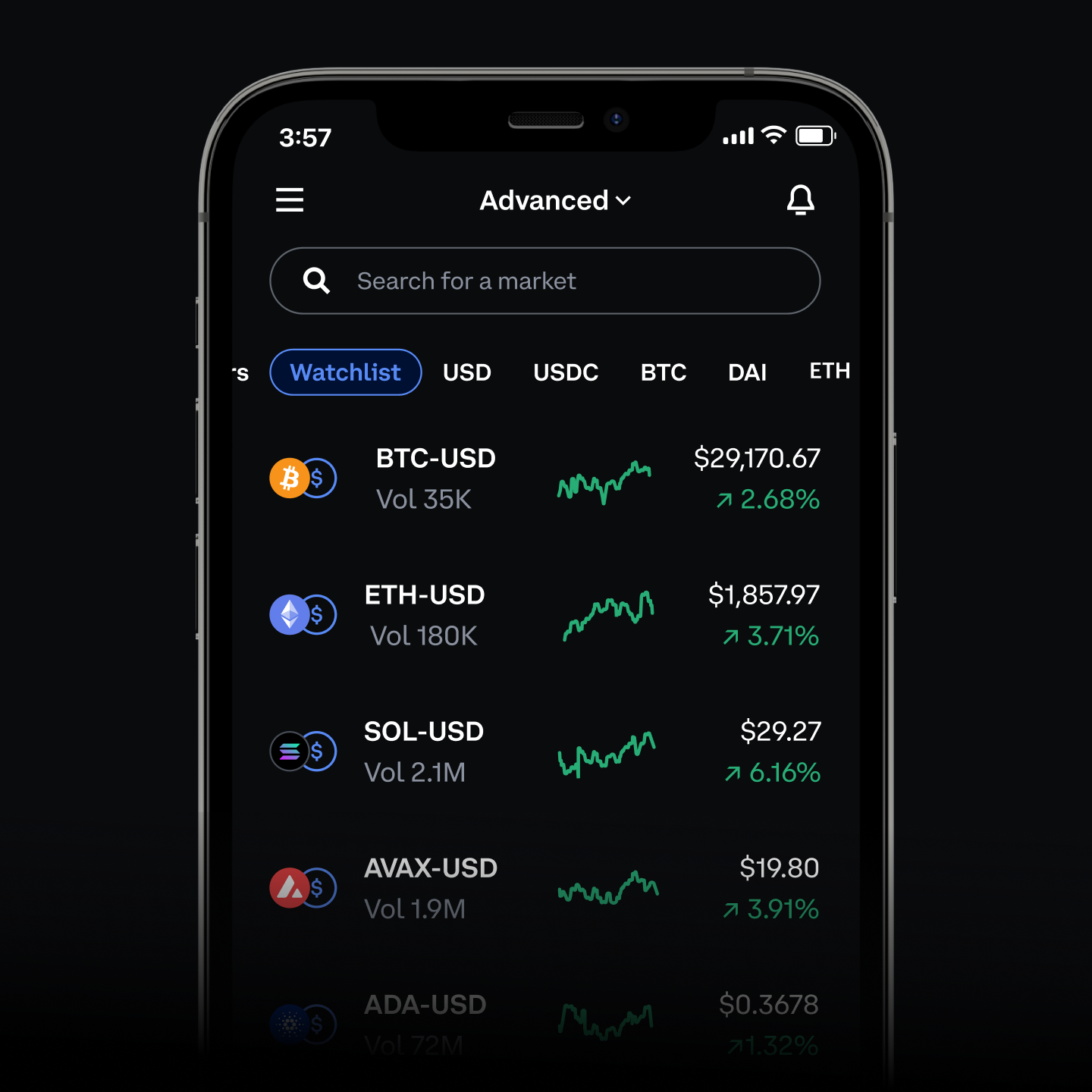
The Coinbase interface, whether basic or Advanced Trade, is designed to be intuitive, but familiarity is key. On the standard Coinbase app, you’ll find clear sections for your portfolio, a simple buy/sell interface, and price charts. On Advanced Trade, the dashboard becomes more complex, featuring a live order book, candlestick charts with various indicators, and a more granular order entry panel. Take time to explore these features without the pressure of immediate trading. Understand where to view your balances, track asset performance, review transaction history, and access support. The ability to quickly find relevant information and execute trades efficiently can be the difference between capitalizing on a market opportunity and missing it.
Understanding Basic Crypto Terminology
The world of crypto trading has its own specialized vocabulary. A solid grasp of these terms is essential for understanding market commentary, analyzing charts, and executing trades effectively. Key terms include:
- Market Order: An order to buy or sell immediately at the best available current market price. Offers speed but can lead to slippage in volatile markets.
- Limit Order: An order to buy or sell a specified amount of cryptocurrency at a specific price or better. This allows traders to set their desired entry or exit points and is crucial for strategic trading.
- Stop-Loss Order: An order to sell an asset once it reaches a certain price, designed to limit potential losses. A critical risk management tool.
- Volatility: The degree of variation of a trading price series over time. Crypto markets are known for high volatility, meaning prices can fluctuate rapidly.
- Market Cap (Market Capitalization): The total value of all circulating coins of a particular cryptocurrency, calculated by multiplying the current price by the total number of coins in circulation.
- Blockchain: The decentralized, distributed ledger technology underpinning cryptocurrencies.
Familiarizing yourself with these and other terms will empower you to make more informed trading decisions and engage confidently with market analysis.
Executing Your Trades: Strategies and Order Types
Once your account is funded and you’re familiar with the platform, the next step is to execute trades. Understanding different order types and basic trading strategies is crucial for managing risk and maximizing potential returns.
The Simplest Approach: Market Orders
For beginners or those prioritizing speed, market orders are the most straightforward way to trade. When you place a market order, you instruct Coinbase to buy or sell a cryptocurrency immediately at the current best available price. This guarantees execution, but it doesn’t guarantee a specific price, especially in fast-moving or low-liquidity markets. The convenience of instant execution comes at the potential cost of price slippage, where the actual execution price might be slightly different from the price you saw just before placing the order. While easy to use, relying solely on market orders can be detrimental to profitability, particularly for larger trade sizes.
Strategic Trading with Limit Orders
For more controlled and strategic trading, limit orders are indispensable. A buy limit order allows you to set the maximum price you’re willing to pay for an asset, while a sell limit order allows you to set the minimum price you’re willing to accept. Your order will only be filled if the market reaches your specified price or better.
This order type provides excellent control over your entry and exit points, allowing you to patiently wait for favorable market conditions. It’s a cornerstone of disciplined trading, helping to avoid impulsive decisions and secure better prices. While there’s no guarantee your limit order will be filled (if the market never reaches your price), it is a superior tool for managing price risk and optimizing trade execution compared to market orders.
Advanced Order Types: Stop-Loss and Take-Profit
Beyond basic market and limit orders, advanced order types are crucial for sophisticated risk management and profit-taking. Coinbase Advanced Trade offers these functionalities:
- Stop-Loss Orders: This is a vital risk management tool. A stop-loss order tells the exchange to sell your asset if its price falls to a predetermined level. This helps to cap your potential losses on a trade, preventing further downside if the market moves against your position. It’s an essential component of protecting your capital.
- Take-Profit Orders: Similar to a stop-loss, a take-profit order is an instruction to sell an asset once it reaches a certain desired profit level. This helps secure gains automatically, preventing a profitable trade from turning negative if the market reverses.
Utilizing these advanced orders allows for a more automated and disciplined trading strategy, minimizing emotional decision-making and adhering to a pre-defined financial plan.
Dollar-Cost Averaging (DCA): A Long-Term Strategy
For investors taking a longer-term view or looking to mitigate the impact of market volatility, dollar-cost averaging (DCA) is a powerful strategy. Instead of investing a large lump sum at once, DCA involves investing a fixed amount of money at regular intervals (e.g., weekly, monthly), regardless of the asset’s price.
On Coinbase, you can easily set up recurring buys for various cryptocurrencies. This strategy helps to average out your purchase price over time, reducing the risk of buying at a market peak. While it may not maximize returns during a consistent bull run, it significantly reduces risk and provides a disciplined approach to accumulating assets, making it a sound financial strategy for long-term wealth building in volatile markets like crypto.
Risk Management and Responsible Trading
The allure of cryptocurrency comes with significant risks. Responsible trading on Coinbase means prioritizing capital preservation and understanding the inherent volatility of the market.
Understanding Market Volatility
Cryptocurrency markets are notoriously volatile, meaning prices can swing dramatically within short periods. This high volatility presents opportunities for significant gains but also carries the risk of substantial losses. It’s crucial to understand that past performance is not indicative of future results, and sudden market corrections are a common feature of this asset class. Never invest more than you can afford to lose, and be prepared for substantial price fluctuations. Emotional responses to market swings are common but can lead to poor trading decisions. A calm, analytical approach is essential.
Setting Realistic Goals and Stop-Losses
Before entering any trade, define your financial goals and your risk tolerance. What percentage gain are you aiming for? How much are you willing to lose? Setting realistic profit targets and, more importantly, strict stop-loss levels is fundamental. A stop-loss order, as discussed, automatically closes your position if the price drops to a certain point, limiting your downside. This acts as an automated safety net, preventing minor losses from escalating into catastrophic ones. Disregarding stop-losses is one of the most common pitfalls for new traders.
Diversification: Spreading Your Bets
While it’s tempting to put all your capital into a single, high-performing asset, diversification is a cornerstone of sound financial management. Spreading your investment across multiple cryptocurrencies reduces your overall risk exposure. If one asset underperforms, the impact on your entire portfolio is cushioned by the performance of others. Coinbase offers access to a broad range of digital assets, making diversification relatively easy. However, diversify wisely; simply owning many different coins doesn’t constitute effective diversification if they are all highly correlated or share similar risk profiles. Research the fundamentals of each asset you include in your portfolio.
The Importance of Research
In the rapidly evolving crypto space, continuous research is non-negotiable. Before investing in any cryptocurrency, conduct thorough due diligence. This includes:
- Project Whitepaper: Understand the technology, use case, and vision behind the project.
- Team: Research the credentials and experience of the development team.
- Market Cap and Liquidity: Assess the project’s size and how easily it can be traded.
- Roadmap and Developments: Evaluate future plans and progress.
- Community and Adoption: Gauge the level of engagement and real-world utility.
Relying on “hype” or unqualified advice is a recipe for financial disaster. Informed decisions, based on solid research, are the bedrock of profitable trading.
Tax Implications of Crypto Trading
A frequently overlooked aspect of crypto trading is its tax implications. In many jurisdictions, buying and holding cryptocurrency is generally not a taxable event, but selling it, trading it for another crypto, or using it to pay for goods and services can trigger capital gains or losses. It is crucial to maintain meticulous records of all your transactions, including dates, prices, and the nature of each transaction. Consult with a tax professional specializing in cryptocurrency to understand your obligations and ensure compliance with local tax laws. Failure to do so can result in significant penalties and legal issues, impacting your overall financial health.
Beyond Basic Trading: Growth and Advanced Considerations
As you gain experience and confidence, you may wish to explore more advanced strategies and leverage additional features on Coinbase and the broader crypto ecosystem.
Staking and Earning Rewards
Coinbase offers opportunities to earn passive income through staking. Staking involves holding certain cryptocurrencies in your wallet to support the network’s operations. In return, you receive rewards in the form of additional crypto. This can be a compelling way to grow your holdings without actively trading, generating a yield on your invested capital. Coinbase simplifies the staking process for eligible assets like Ethereum (ETH 2.0), Solana (SOL), and Cardano (ADA), making it accessible even for those new to the concept. Always research the specific staking rewards and lock-up periods before committing.
Monitoring Your Portfolio
Regularly monitoring your portfolio’s performance is essential for effective financial management. Coinbase provides intuitive dashboards to track the value of your assets, view historical performance, and identify trends. Periodically review your investment thesis for each asset and consider rebalancing your portfolio if certain assets have grown significantly, or if their fundamentals have changed. Rebalancing involves selling high-performing assets to buy underperforming ones (or vice-versa) to maintain your desired asset allocation and risk profile.
Staying Informed: News and Market Analysis
The cryptocurrency market is heavily influenced by global economic news, regulatory developments, technological advancements, and even social media sentiment. Staying informed through reputable news sources, market analysis websites, and expert commentary can provide valuable insights that inform your trading decisions. Understand how macroeconomic factors, interest rate changes, and regulatory announcements can impact the crypto market as a whole and specific assets within it. Continuous learning is key to adapting to market shifts and identifying emerging opportunities.
When to Seek Professional Financial Advice
While this guide provides a foundation for trading on Coinbase, complex financial situations, large investment sums, or specific wealth management goals may warrant professional financial advice. A qualified financial advisor can help you integrate your crypto investments into a broader financial plan, provide personalized tax guidance, and offer objective insights tailored to your individual circumstances. Never hesitate to seek expert guidance when dealing with significant financial decisions.
In conclusion, trading on Coinbase, while accessible, is a serious financial endeavor that requires discipline, education, and a commitment to risk management. By understanding the platform, mastering order types, conducting thorough research, and adopting a responsible trading mindset, you can navigate the exciting world of cryptocurrency with greater confidence and work towards achieving your financial objectives.
aViewFromTheCave is a participant in the Amazon Services LLC Associates Program, an affiliate advertising program designed to provide a means for sites to earn advertising fees by advertising and linking to Amazon.com. Amazon, the Amazon logo, AmazonSupply, and the AmazonSupply logo are trademarks of Amazon.com, Inc. or its affiliates. As an Amazon Associate we earn affiliate commissions from qualifying purchases.