
Renting a car can be an essential part of travel, a practical solution for temporary transportation needs, or a convenient option for specific events. However, many consumers often focus solely on the advertised daily rate, only to be surprised by a significantly higher bill upon return. Understanding the true cost of renting a car involves dissecting the various components that contribute to the final price. This comprehensive guide will delve into the financial nuances of car rental, empowering you to budget accurately, identify hidden costs, and ultimately make more informed decisions. By exploring base rates, additional fees, insurance options, and smart saving strategies, you can navigate the car rental market with confidence and avoid unexpected financial pitfalls.

Deconstructing the Base Rental Rate: What Influences the Initial Price Tag?
The advertised daily or weekly rate for a rental car is merely the starting point. Several factors significantly influence this initial figure, making it crucial to understand their impact before you even consider add-ons. The interplay of these variables can cause prices to fluctuate wildly, even for the same vehicle type.
Vehicle Type and Size
Logically, larger, more luxurious, or specialized vehicles command higher rental rates. A compact economy car will almost always be cheaper than a full-size SUV, a premium sedan, or a specialty vehicle like a convertible or van. Consider your actual needs: How many passengers will you have? How much luggage? Will you be driving in challenging terrain? Opting for a vehicle that’s “just enough” rather than “more than enough” can lead to considerable savings. For example, a solo traveler might find a subcompact perfectly adequate, while a family of four with luggage will likely need a mid-size or full-size sedan, or even an SUV. Evaluate the trade-off between comfort, space, and cost.
Rental Duration
The length of your rental period often has a tiered pricing structure. Daily rates can be the highest, while weekly or even monthly rentals frequently come with a reduced average daily cost. Rental companies prefer longer bookings as they guarantee utilization of their fleet. If your trip extends beyond a few days, always compare the cumulative daily rate against the weekly rate – you might find that renting for a full week is only slightly more expensive than renting for five or six days. Conversely, extremely short rentals, like a few hours, might incur a minimum daily charge regardless of actual usage.
Pick-up and Drop-off Locations
Where you pick up and drop off your vehicle can significantly impact the base rate. Airport locations, while convenient, almost universally come with higher surcharges due and concession fees that rental companies pass on to the customer. These fees compensate the airports for the rental company’s operating presence. Renting from an off-airport downtown or suburban location can often shave a noticeable amount off the base price, provided the commute to get there is manageable and cost-effective. One-way rentals, where you pick up in one city and drop off in another, also incur substantial “drop charges” or “one-way fees” because the rental company needs to reposition the vehicle back to its original location or a market where it’s needed.
Time of Year and Demand
Like many services, car rental prices are subject to the laws of supply and demand. Peak travel seasons (e.g., summer holidays, spring break, major festivals, public holidays) see a surge in demand, leading to higher rates. Conversely, off-peak seasons or booking well in advance during shoulder seasons can yield more favorable prices. Local events, conventions, or even adverse weather conditions impacting other modes of transport can temporarily spike demand and prices. Being flexible with your travel dates, if possible, can be a powerful tool for cost savings.
Unveiling Additional Fees and Charges: The Hidden Costs That Inflate Your Bill
Beyond the base rate, a labyrinth of additional fees and optional charges awaits, often transforming a seemingly affordable rental into an expensive one. Understanding these potential add-ons is critical for accurate budgeting.
Insurance Options and Waivers
This is arguably the most significant area for unexpected costs. Rental companies aggressively offer various insurance products:
- Loss Damage Waiver (LDW) or Collision Damage Waiver (CDW): Waives your financial responsibility for damage or theft of the rental car. This is often the most expensive add-on.
- Supplemental Liability Insurance (SLI): Provides additional liability coverage beyond the state minimums if you’re at fault in an accident.
- Personal Accident Insurance (PAI): Covers medical expenses for you and your passengers in an accident.
- Personal Effects Coverage (PEC): Covers loss or damage to personal belongings in the rental car.
Before opting for any of these, check your existing car insurance policy (it might extend to rentals), your credit card benefits (many offer CDW as a perk), or travel insurance policies. Duplicating coverage is a common and costly mistake.
Fuel Policies and Refueling Charges
Rental companies typically offer a few fuel options:
- Full-to-Full: Pick up with a full tank, return with a full tank. This is usually the most cost-effective if you plan to refuel yourself at a local gas station before returning.
- Pre-paid Fuel: You pay for a full tank upfront at a per-gallon rate determined by the rental company. This can be convenient but is often more expensive than market rates, especially if you don’t return the car nearly empty.
- Rental Company Refuels: If you return the car with less than a full tank without having pre-paid, the rental company will refuel it and charge you a premium price per gallon, plus a service fee. This is almost always the most expensive option.
Additional Driver Fees and Young Driver Surcharges
Most rental agreements cover only the primary renter. If another person will be driving the vehicle, they must be added to the contract, often incurring an “additional driver fee” per day. Some states or rental companies might waive this for spouses or domestic partners. Similarly, drivers under a certain age (typically 25) are subject to a “young driver surcharge” due to perceived higher risk. These fees can add up quickly over a multi-day rental.
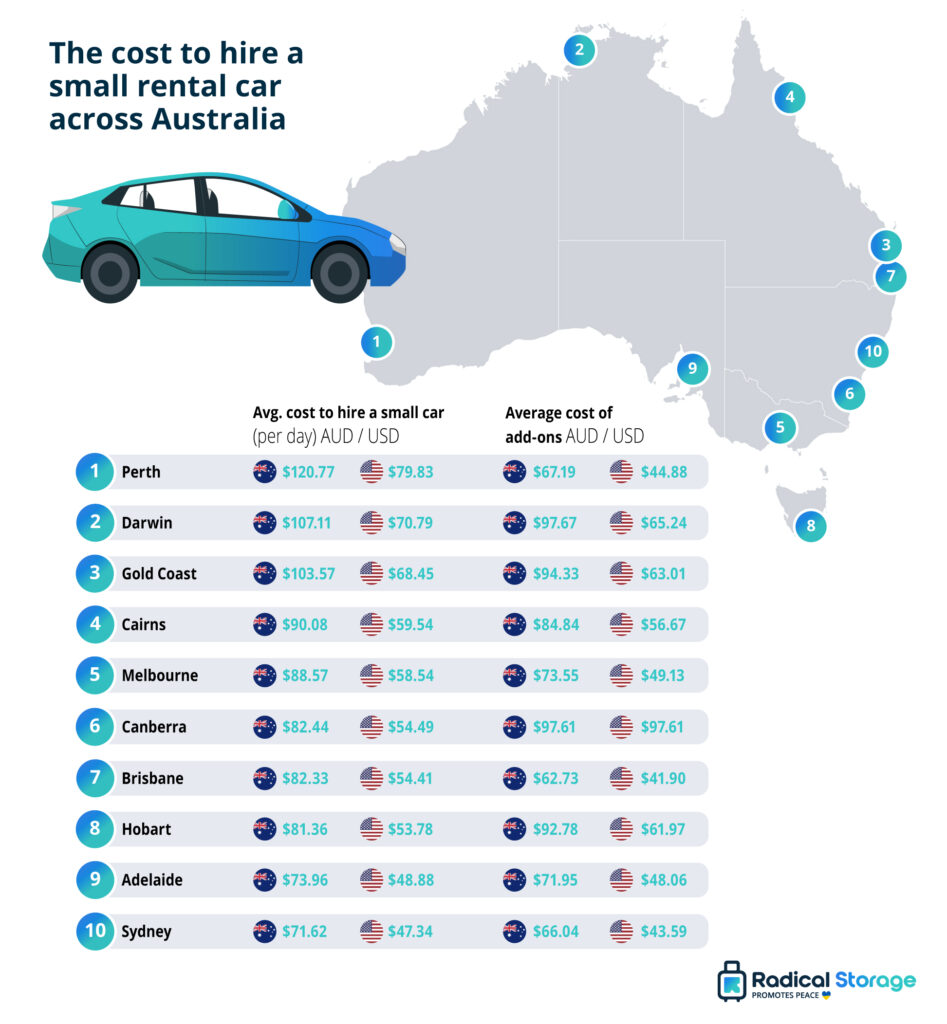
Optional Extras and Miscellaneous Fees
A host of other items can push up the price:
- GPS Navigation Systems: Often available in smartphones, making the rental company’s GPS redundant and costly.
- Child Safety Seats: Essential for families but come at a daily charge. Bringing your own can save money.
- Toll Pass/Transponder Services: Rental companies often offer their own toll payment systems. While convenient, they usually involve a daily service fee plus the tolls themselves, which can be much more expensive than using your own transponder or paying cash.
- Roadside Assistance: An optional extra that some personal auto policies or credit cards might already provide.
- Cleaning Fees: If you return the car excessively dirty (e.g., pet hair, mud), you may incur a special cleaning fee.
Strategies for Cost-Effective Car Rentals: Maximizing Value and Minimizing Expense
With a clear understanding of the cost components, you can employ various strategies to significantly reduce your car rental expenses without compromising your travel plans. Smart planning and leveraging available resources are key.
Booking in Advance and Comparing Providers
Early booking, particularly during peak seasons, generally secures better rates and a wider selection of vehicles. Last-minute rentals, especially at airports, are often more expensive as demand is high and supply is limited. Furthermore, never settle for the first quote. Use online aggregators (like Kayak, Expedia, Pricovago) to compare prices across multiple rental companies (Hertz, Enterprise, Avis, Budget, National, Alamo, Thrifty, Sixt, etc.). Also, check the rental company’s direct website, as sometimes they offer exclusive deals not found on third-party sites. Don’t forget smaller, local rental agencies, which can sometimes offer competitive rates, especially for longer rentals.
Leveraging Loyalty Programs and Discounts
If you frequently rent cars, joining a rental company’s loyalty program can provide benefits like faster check-out, free upgrades, and discounted rates. Many programs also offer accumulated points that can be redeemed for free rental days. Beyond loyalty programs, look for discount codes. AAA, AARP, Costco, and various corporate affiliations often offer significant rental car discounts. Travel websites, airline loyalty programs, and credit card providers also frequently have special rental car deals. Always check for promotional codes before finalizing your booking.
Utilizing Credit Card Benefits for Insurance
This is one of the most powerful cost-saving strategies. Many premium travel credit cards offer secondary or even primary collision damage waiver (CDW) coverage as a complimentary benefit when you use that card to pay for the rental. “Secondary” means it kicks in after your personal auto insurance, while “primary” means it covers damage before your personal policy is involved. Carefully review your credit card’s guide to benefits to understand the specific coverage, exclusions (e.g., certain vehicle types, rental durations), and requirements for activation (e.g., declining the rental company’s CDW). This benefit alone can save you tens of dollars per day.
Smart Fuel Management and Avoiding Unnecessary Add-ons
Always opt for the “full-to-full” fuel policy and diligently refuel the car yourself before returning it. Use a fuel app to find the cheapest gas stations nearby, rather than relying on the more expensive options close to airports or rental car facilities. As for add-ons, critically evaluate each one. Do you truly need the rental company’s GPS when your smartphone has free navigation? Can you bring your own child seat? Are you covered for roadside assistance through your personal auto policy or credit card? Say “no” to anything you don’t genuinely need or already have covered. These small daily charges accumulate rapidly.
Financial Planning and Budgeting for Your Car Rental
Effective financial planning is essential to ensure your car rental experience remains within budget and free from unpleasant surprises. It involves calculating potential costs, understanding financial holds, and meticulous review of documentation.
Calculating the Total Anticipated Cost
Before confirming your reservation, create a comprehensive budget that includes:
- Base Rental Rate: The daily/weekly rate for the vehicle type.
- Estimated Taxes and Fees: These vary by location but can add 10-30% to the base rate.
- Airport Surcharges (if applicable): Typically a percentage of the rental or a flat daily fee.
- One-Way Fees (if applicable): The cost for picking up and dropping off in different locations.
- Additional Driver Fees (if applicable): Per day, per driver.
- Young Driver Surcharges (if applicable): Per day, for drivers under 25.
- Estimated Fuel Costs: Based on your itinerary and the car’s fuel efficiency.
- Optional Extras: GPS, child seats, toll passes (if you opt for them).
- Insurance Costs (if purchasing from the rental company): Daily rates for LDW, SLI, etc.
- Deposit/Hold: Understand the amount the rental company will pre-authorize on your credit card.
This holistic calculation will provide a much more accurate picture of your likely expenditure than just the base rate.
Understanding Your Credit Card Hold
Rental companies typically place a significant security deposit or authorization hold on your credit card at the time of pick-up. This hold can range from a few hundred dollars to over a thousand, depending on the rental company, vehicle type, and estimated rental cost. While this is not an actual charge (unless damage occurs), it reduces your available credit limit for the duration of the rental. Ensure you have sufficient credit available to cover this hold, in addition to your expected rental charges and other travel expenses. Inquire about the exact hold amount when you pick up the car.
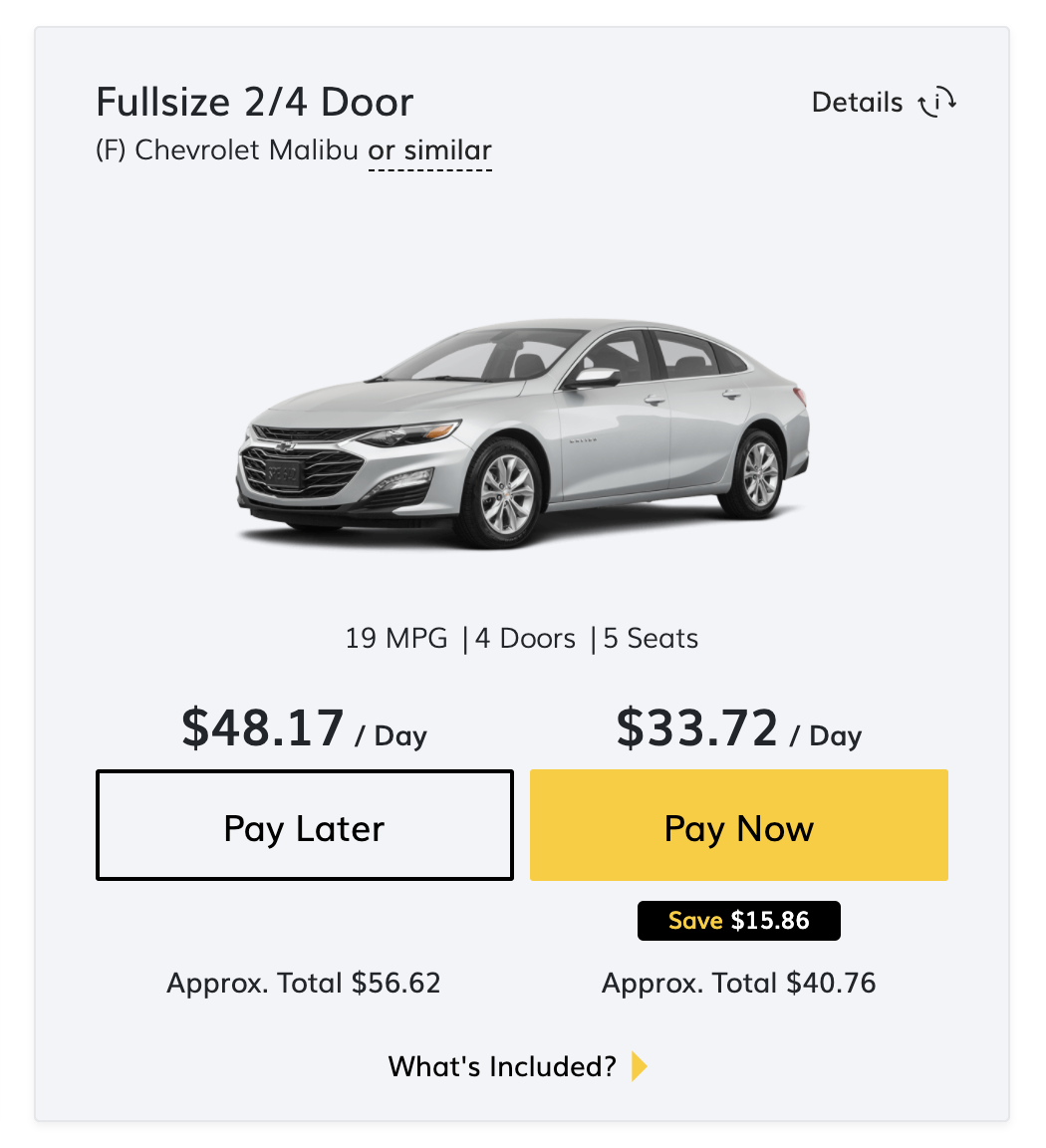
Reviewing the Rental Agreement Carefully
The rental agreement is a legally binding contract. Before you sign, read it thoroughly. Verify that the agreed-upon rates, fees, and optional extras are correctly listed. Check for any unexpected charges and clarify them with the agent. Pay close attention to fuel policies, mileage limits (if any), geographic restrictions, and what constitutes “return condition.” Document the car’s existing condition with photos or videos at pick-up and drop-off to avoid disputes over pre-existing damage. This due diligence can save you significant money and stress in the long run.
By approaching car rental with a robust financial strategy, consumers can move beyond simply asking “how much is to rent a car?” to truly understanding and controlling the costs involved. Armed with this knowledge, your next car rental experience can be both convenient and economically sound.
aViewFromTheCave is a participant in the Amazon Services LLC Associates Program, an affiliate advertising program designed to provide a means for sites to earn advertising fees by advertising and linking to Amazon.com. Amazon, the Amazon logo, AmazonSupply, and the AmazonSupply logo are trademarks of Amazon.com, Inc. or its affiliates. As an Amazon Associate we earn affiliate commissions from qualifying purchases.