
The advent of cryptocurrencies has ushered in a new era of financial opportunities, captivating millions worldwide with the promise of unprecedented returns and financial autonomy. What began as a niche interest for tech enthusiasts has evolved into a global phenomenon, giving rise to a dynamic and often volatile trading landscape. For many, the idea of “trading crypto coins” evokes images of quick riches, yet the reality is far more nuanced, requiring a blend of strategic thinking, continuous learning, and robust risk management. This guide aims to demystify the process, providing a professional, insightful, and engaging roadmap for individuals looking to navigate the exciting, yet challenging, world of cryptocurrency trading. It’s a journey into the heart of modern finance, where digital assets offer new avenues for wealth creation, but also demand a disciplined approach to investment.

Understanding the Crypto Landscape: Basics for Aspiring Traders
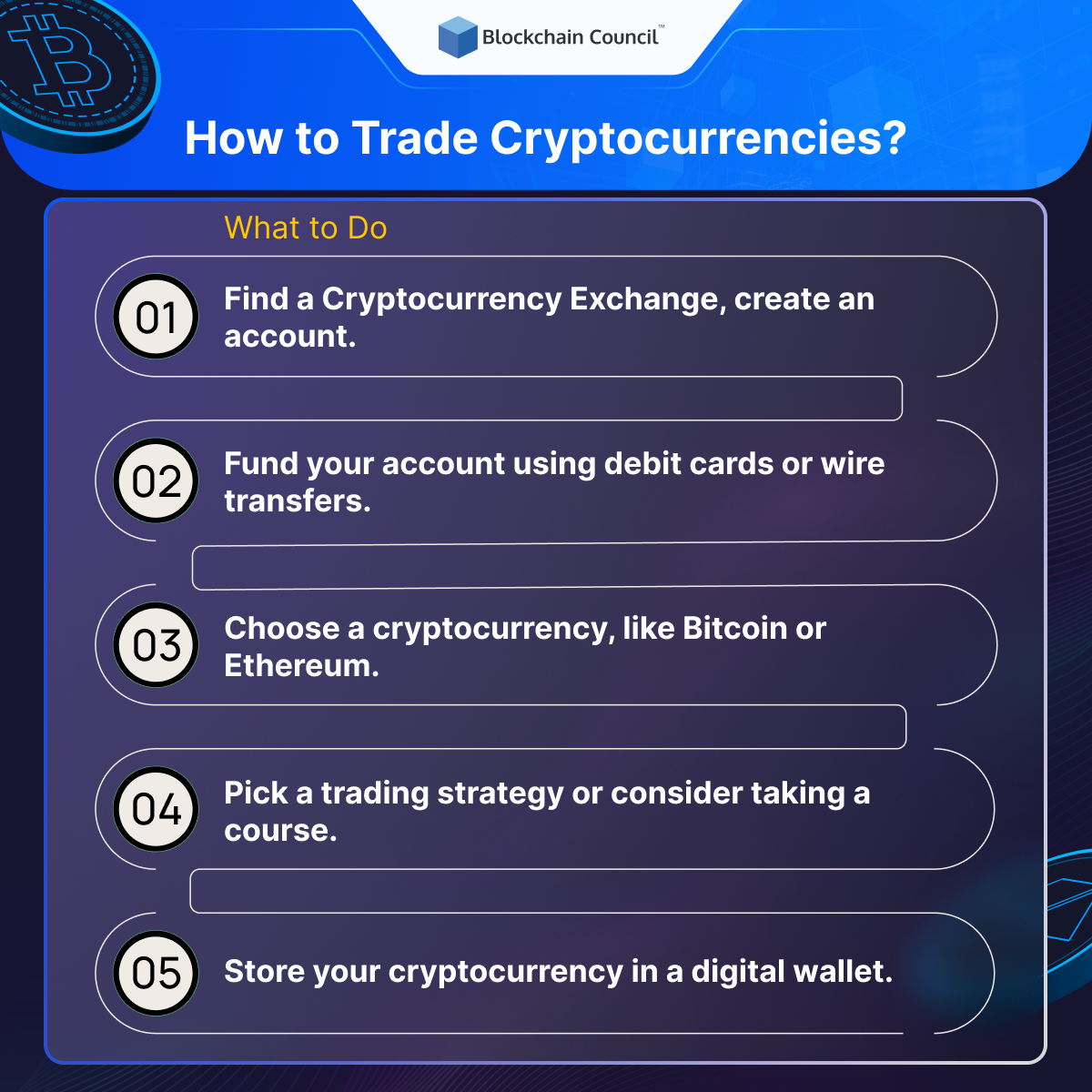
Before diving into the mechanics of buying and selling, it’s crucial to grasp the fundamental nature of cryptocurrencies and the environment in which they operate. The digital asset market is distinct from traditional financial markets, characterized by unique properties that influence trading strategies and potential outcomes.
What is Cryptocurrency Trading?
At its core, cryptocurrency trading involves speculating on the price movements of digital assets. Traders buy a cryptocurrency, such as Bitcoin (BTC) or Ethereum (ETH), with the expectation that its value will increase, allowing them to sell it later for a profit. Conversely, traders might short-sell a cryptocurrency, betting on a price decline. Unlike traditional stocks or commodities, cryptocurrencies are decentralized, meaning they are not issued or backed by a central authority like a government or bank. They operate on blockchain technology, a distributed ledger that records all transactions securely and transparently. This decentralization is a double-edged sword: it offers freedom from traditional financial intermediaries but also introduces unique risks and regulatory uncertainties.
Key Characteristics of the Crypto Market
The cryptocurrency market is renowned for its volatility. Prices can fluctuate dramatically within short periods, driven by factors ranging from technological advancements and regulatory news to market sentiment and macroeconomic events. This volatility presents both significant opportunities for profit and substantial risks of loss.
Another defining characteristic is its 24/7 nature. Unlike traditional stock exchanges that operate during specific hours, crypto markets never close, allowing for continuous trading across different time zones. This constant activity demands vigilance and adaptability from traders.
Furthermore, the market is highly fragmented across numerous exchanges, leading to potential price discrepancies and varying liquidity levels for different assets. Understanding these characteristics is the first step toward developing a realistic and effective trading mindset.
Essential Terminology for New Traders
To navigate the crypto world effectively, a basic understanding of key terms is indispensable:
- Altcoin: Any cryptocurrency other than Bitcoin.
- Blockchain: The decentralized, distributed ledger technology underlying cryptocurrencies.
- Fiat: Government-issued currency (e.g., USD, EUR).
- HODL: A deliberate misspelling of “hold,” meaning to hold onto a cryptocurrency rather than selling it, often in anticipation of long-term gains.
- Market Cap: The total value of a cryptocurrency in circulation (Price x Circulating Supply).
- Whale: An individual or entity holding a very large amount of cryptocurrency, capable of influencing market prices.
- Bear Market: A market experiencing prolonged price declines.
- Bull Market: A market experiencing prolonged price increases.
- DEX: Decentralized Exchange, which operates without a central authority.
- CEX: Centralized Exchange, a traditional platform for trading cryptocurrencies that acts as an intermediary.
Familiarity with these terms forms the bedrock of effective communication and comprehension within the crypto trading community.
Setting Up Your Trading Foundation
With a foundational understanding of the crypto landscape, the next step involves establishing the practical infrastructure needed to begin trading. This includes selecting the right platform, securing your account, and funding it responsibly.
Choosing the Right Cryptocurrency Exchange
The exchange is your gateway to the crypto market. The choice of exchange is critical and depends on various factors:
- Centralized Exchanges (CEXs): These are the most common platforms (e.g., Binance, Coinbase, Kraken). They offer user-friendly interfaces, high liquidity, and robust security features, often with fiat on-ramps. However, they are centralized, meaning you entrust your assets to a third party, and they are subject to regulatory oversight.
- Decentralized Exchanges (DEXs): (e.g., Uniswap, PancakeSwap). DEXs allow peer-to-peer trading directly from your wallet, enhancing privacy and user control over assets. They often require more technical proficiency and may have lower liquidity for certain pairs.
- Key Considerations: Look for exchanges with a strong security track record, competitive fees, a wide range of supported cryptocurrencies, and excellent customer support. Always verify an exchange’s regulatory compliance in your jurisdiction.
Account Setup and Security Measures
Once an exchange is chosen, setting up an account typically involves:
- Registration: Providing personal details, including email and sometimes phone number.
- Know Your Customer (KYC): Most reputable CEXs require identity verification (uploading ID, proof of address) to comply with anti-money laundering (AML) regulations.
- Two-Factor Authentication (2FA): This is paramount. Enable 2FA using an authenticator app (e.g., Google Authenticator, Authy) rather than SMS for superior security.
- Strong Passwords: Use unique, complex passwords for your exchange account.
- Whitelisting Withdrawal Addresses: If available, enable this feature to only allow withdrawals to pre-approved wallet addresses, adding an extra layer of security.
Never underestimate the importance of robust security. The crypto space is unfortunately rife with scams and hacks, making personal security practices non-negotiable.
Funding Your Trading Account
After securing your account, you’ll need to deposit funds. Common methods include:
- Bank Transfer (ACH/SEPA): Often the most cost-effective method for fiat deposits, though processing times can vary.
- Debit/Credit Card: Convenient for instant deposits but typically incurs higher fees.
- Peer-to-Peer (P2P) Trading: Some exchanges offer P2P options for buying crypto directly from other users with various payment methods.
- Cryptocurrency Deposits: If you already own crypto in a private wallet, you can transfer it to your exchange wallet.
Start with an amount you are comfortable losing. The golden rule of investing applies particularly strongly to crypto: never invest more than you can afford to lose. This mindset helps manage emotional responses to market volatility.
Developing Your Trading Strategy
Successful crypto trading is not just about having an account; it’s about having a well-defined strategy. This involves understanding market analysis, choosing appropriate trading styles, and rigorously managing risk.
Fundamental vs. Technical Analysis
Two primary approaches guide trading decisions:
- Fundamental Analysis (FA): This involves evaluating the intrinsic value of a cryptocurrency by examining factors such as its underlying technology, use cases, development team, community support, tokenomics (how the token is distributed and used), and real-world adoption. FA aims to identify undervalued assets with strong long-term potential. For example, analyzing the Ethereum network’s upgrade roadmap or the partnerships of a DeFi project falls under FA.
- Technical Analysis (TA): This involves studying historical price charts and trading volumes to predict future price movements. TA uses various indicators (e.g., moving averages, Relative Strength Index (RSI), MACD, Bollinger Bands) and chart patterns (e.g., head and shoulders, triangles) to identify trends, support and resistance levels, and potential entry/exit points. TA is often favored by short-term traders.
Many successful traders combine both FA and TA, using fundamental analysis to select strong projects and technical analysis to time their entries and exits.
Common Trading Approaches: HODLing, Swing, and Day Trading
Different trading styles suit different risk tolerances and time commitments:
- HODLing (Long-Term Investing): This strategy involves buying cryptocurrencies and holding them for extended periods (months or years), weathering short-term volatility in anticipation of significant long-term growth. It requires strong conviction in the asset’s fundamentals and a patient mindset.
- Swing Trading: Traders aim to capture short-to-medium term price swings, typically holding positions for a few days to several weeks. Swing traders often use TA to identify assets that are overbought or oversold and capitalize on anticipated reversals or continuations of trends.
- Day Trading: This involves opening and closing positions within the same trading day, aiming to profit from small intra-day price movements. Day traders rely heavily on TA, fast execution, and strict risk management. It is extremely demanding and high-stress, not recommended for beginners due to the significant risk and required expertise.
- Scalping: An even shorter-term strategy than day trading, scalpers make numerous trades throughout the day, holding positions for minutes or even seconds to profit from tiny price changes. This requires even more discipline, speed, and advanced tools.
Choosing a strategy that aligns with your personality, available time, and risk appetite is paramount. Beginners are often advised to start with HODLing or swing trading as they offer more leeway for learning.
Risk Management and Position Sizing
Effective risk management is the cornerstone of sustainable crypto trading. Without it, even a few bad trades can decimate a portfolio.
- Never Risk More Than You Can Afford to Lose: Reiterate this golden rule.
- Diversification: Don’t put all your capital into a single cryptocurrency. Diversify across different assets with varying risk profiles to mitigate the impact of any single asset’s underperformance.
- Stop-Loss Orders: These are crucial tools that automatically sell your asset if it drops to a predetermined price, limiting potential losses. Always define your stop-loss before entering a trade.
- Take-Profit Orders: Conversely, these automatically sell your asset when it reaches a specific profit target, helping to lock in gains and avoid greed-driven decisions.
- Position Sizing: Determine how much capital to allocate to each trade. A common rule is to risk only a small percentage (e.g., 1-2%) of your total trading capital on any single trade. This ensures that a losing trade doesn’t severely impact your overall portfolio.
- Emotional Discipline: Fear and greed are powerful emotions that can lead to impulsive and irrational decisions. Stick to your trading plan, avoid chasing pumps, and don’t panic sell during dips.
Risk management is not about avoiding losses entirely, but about managing them systematically to preserve capital and ensure long-term viability.
Advanced Trading Concepts and Considerations
As you gain experience, you might explore more complex trading instruments and delve deeper into market dynamics. However, these areas come with significantly higher risks and require advanced understanding.
Exploring Derivatives and Leverage
- Futures and Options: These are financial contracts whose value is derived from an underlying asset (e.g., Bitcoin). Futures contracts obligate you to buy or sell an asset at a predetermined price on a future date, while options give you the right, but not the obligation, to do so. They allow traders to speculate on price movements without owning the underlying asset.
- Leverage Trading (Margin Trading): This involves borrowing funds from an exchange to amplify your trading position. While it can magnify profits, it also significantly amplifies potential losses, leading to liquidation if the market moves against your position. Leverage is a double-edged sword and should only be used by experienced traders with a thorough understanding of its mechanisms and risks.
These advanced tools are not suitable for beginners and can lead to rapid capital depletion if not handled with extreme caution and expertise.
Understanding Market Psychology and Emotional Discipline
Beyond charts and fundamentals, the psychological aspect of trading is paramount. Collective market sentiment, driven by fear of missing out (FOMO) and fear, uncertainty, and doubt (FUD), can cause irrational price swings. A successful trader cultivates:
- Patience: Waiting for the right entry points and allowing trades to play out.
- Discipline: Sticking to your trading plan, even when emotions are high.
- Objectivity: Making decisions based on data and analysis, not speculation or hearsay.
- Resilience: Learning from losses and moving forward without letting them derail your strategy.
Developing emotional intelligence is as important as developing analytical skills in trading.
Navigating Regulations, Taxes, and Security Best Practices
The regulatory landscape for cryptocurrencies is still evolving and varies significantly by jurisdiction. It is crucial to:
- Understand Local Regulations: Be aware of how your country’s laws apply to crypto trading and ownership.
- Tax Compliance: Cryptocurrency gains are often subject to capital gains tax. Keep meticulous records of all your trades, including purchase price, sale price, dates, and fees, to accurately report your taxes. Consult a tax professional familiar with crypto regulations.
- Enhanced Security: Beyond exchange security, consider hardware wallets (cold storage) for storing significant amounts of cryptocurrency for the long term. This keeps your private keys offline, away from potential online threats. Be wary of phishing scams, fake websites, and unsolicited offers.
Compliance and security are not just safeguards for your capital, but also for your legal and financial well-being.
The Path to Consistent Profitability
Trading crypto coins is a marathon, not a sprint. The journey to consistent profitability is iterative, marked by continuous learning, adaptation, and unwavering self-discipline.
Continuous Learning and Adaptation
The crypto market is notoriously fast-paced and ever-changing. New projects emerge daily, technological advancements are constant, and the regulatory environment shifts. Successful traders are perpetual students:
- Stay Informed: Follow reputable crypto news sources, analysts, and blockchain development updates.
- Review and Adjust: Regularly review your trading performance, analyze both successful and unsuccessful trades, and adjust your strategy based on insights gained.
- Experiment Cautiously: As you gain experience, cautiously explore new strategies or assets, starting with small positions.
The market rewards those who are agile and willing to evolve their understanding and approach.
Building a Resilient Trading Mindset
Ultimately, success in trading often boils down to psychological fortitude. You will encounter losses, volatile swings, and moments of doubt. A resilient trading mindset involves:
- Realistic Expectations: Understand that not every trade will be a winner, and losses are an inevitable part of the process.
- Patience and Persistence: Don’t get discouraged by setbacks. Learn from them and keep refining your craft.
- Self-Care: Avoid burnout. Step away from the screens when needed, maintain a balanced lifestyle, and ensure your decisions are made from a clear and rested state.
Trading crypto coins offers a unique and potentially lucrative path within the realm of personal finance and investing. While the allure of significant gains is strong, it is matched by inherent risks. By approaching the market with a foundation of knowledge, a well-defined strategy, rigorous risk management, and a commitment to continuous learning and emotional discipline, aspiring traders can significantly enhance their chances of navigating this exciting frontier successfully. Remember, financial independence through crypto trading is built not on luck, but on informed decisions and unwavering dedication.
aViewFromTheCave is a participant in the Amazon Services LLC Associates Program, an affiliate advertising program designed to provide a means for sites to earn advertising fees by advertising and linking to Amazon.com. Amazon, the Amazon logo, AmazonSupply, and the AmazonSupply logo are trademarks of Amazon.com, Inc. or its affiliates. As an Amazon Associate we earn affiliate commissions from qualifying purchases.