
In an increasingly interconnected world, travel has become a central aspiration for many, offering opportunities for cultural enrichment, personal growth, and vital relaxation. However, the cost of airfare remains one of the most significant barriers to realizing these dreams. For the financially savvy individual, understanding how to effectively track flight prices isn’t just a convenient trick; it’s an indispensable financial strategy that can lead to substantial savings, freeing up capital for other investments, experiences, or simply bolstering one’s personal savings. This guide delves into the financial rationale behind diligent flight price tracking, outlining practical tools and strategies to empower you as a more economically astute traveler.
The Financial Imperative of Flight Price Tracking
At its core, tracking flight prices is a direct application of prudent personal finance principles. It’s about optimizing expenditure, managing a budget, and making informed financial decisions in the volatile travel market. The dynamic nature of airfare pricing means that overlooking this aspect can lead to unnecessarily inflated travel costs, directly impacting your overall financial health.
Understanding Market Volatility and Its Impact on Your Wallet
Airline pricing is a complex algorithm-driven beast, influenced by a myriad of factors including demand, supply, fuel costs, competitive landscapes, booking class availability, and even the time of day you search. Prices can fluctuate dramatically within hours, days, or weeks. For instance, a flight that costs $300 today might jump to $500 tomorrow and dip to $350 the day after. Without a system to monitor these shifts, you’re essentially gambling with your travel budget. Every dollar saved on a flight ticket is a dollar that doesn’t deplete your savings account, doesn’t add to credit card debt, or can be reallocated towards other travel expenses like accommodations, dining, or activities, thereby enhancing your overall travel experience without overextending your finances. Recognizing this volatility is the first step towards taking financial control of your travel plans.
Why Proactive Tracking Leads to Significant Savings
The traditional approach to booking flights often involves a sporadic search when travel dates are firm, leading to purchases at suboptimal price points. Proactive tracking flips this script, transforming you from a passive consumer into an active market participant. By setting up alerts and continuously monitoring price trends, you gain insights into the typical price range for your desired route and dates. This knowledge empowers you to identify genuine deals and act decisively when prices drop to a financially attractive level. Imagine saving $100-$200 on a single round trip ticket; over several trips a year, these savings compound, potentially amounting to hundreds or even thousands of dollars annually. These funds can then contribute to an emergency fund, a retirement account, or a down payment on a major purchase, illustrating how seemingly small travel savings can have a profound impact on long-term financial goals.
Integrating Travel Costs into Your Personal Budget
For many, travel is often viewed as an intermittent expense, separate from daily or monthly budgeting. However, for a holistic financial plan, travel costs, especially airfare, must be integrated as a significant budget line item. Proactive flight tracking facilitates this integration by allowing for more accurate forecasting of travel expenses. When you know roughly how much a flight will cost by observing market trends, you can allocate funds more effectively in the months leading up to your trip. This prevents last-minute financial strain, the need to dip into savings unnecessarily, or accumulating debt to finance a vacation. It transforms travel from an impulse purchase into a well-planned, financially responsible endeavor, aligning with broader personal finance principles of mindful spending and saving.
Essential Financial Tools and Strategies for Price Monitoring
Harnessing the right tools and employing smart strategies is crucial for effective flight price tracking. These aren’t just tech gadgets; they are financial instruments designed to help you manage and optimize your travel expenditures.
Leveraging Price Alert Systems for Optimal Entry Points
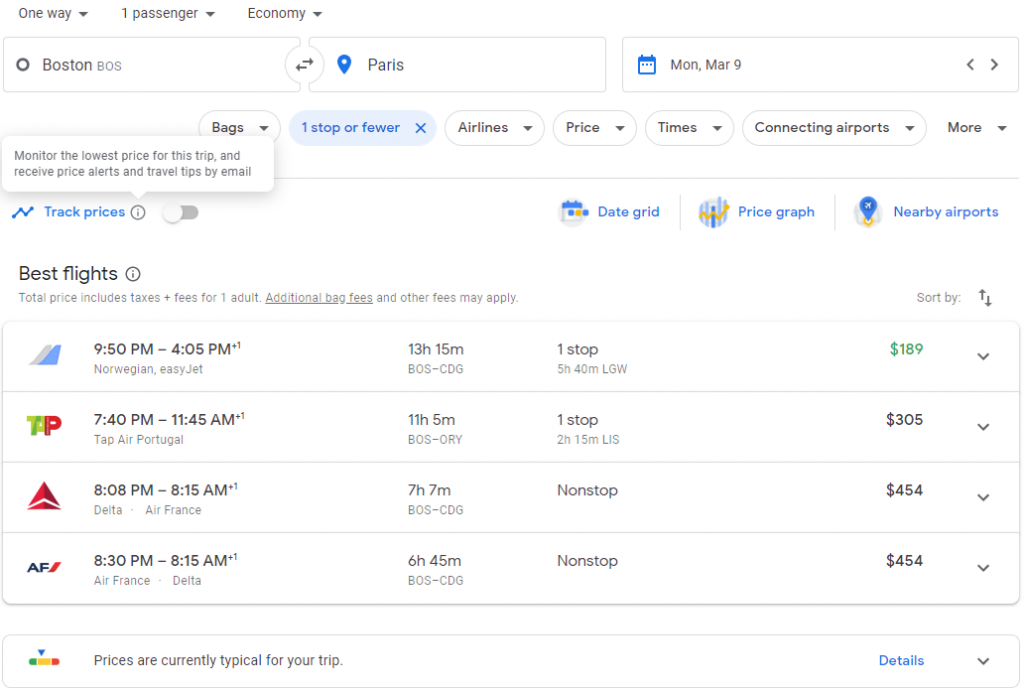
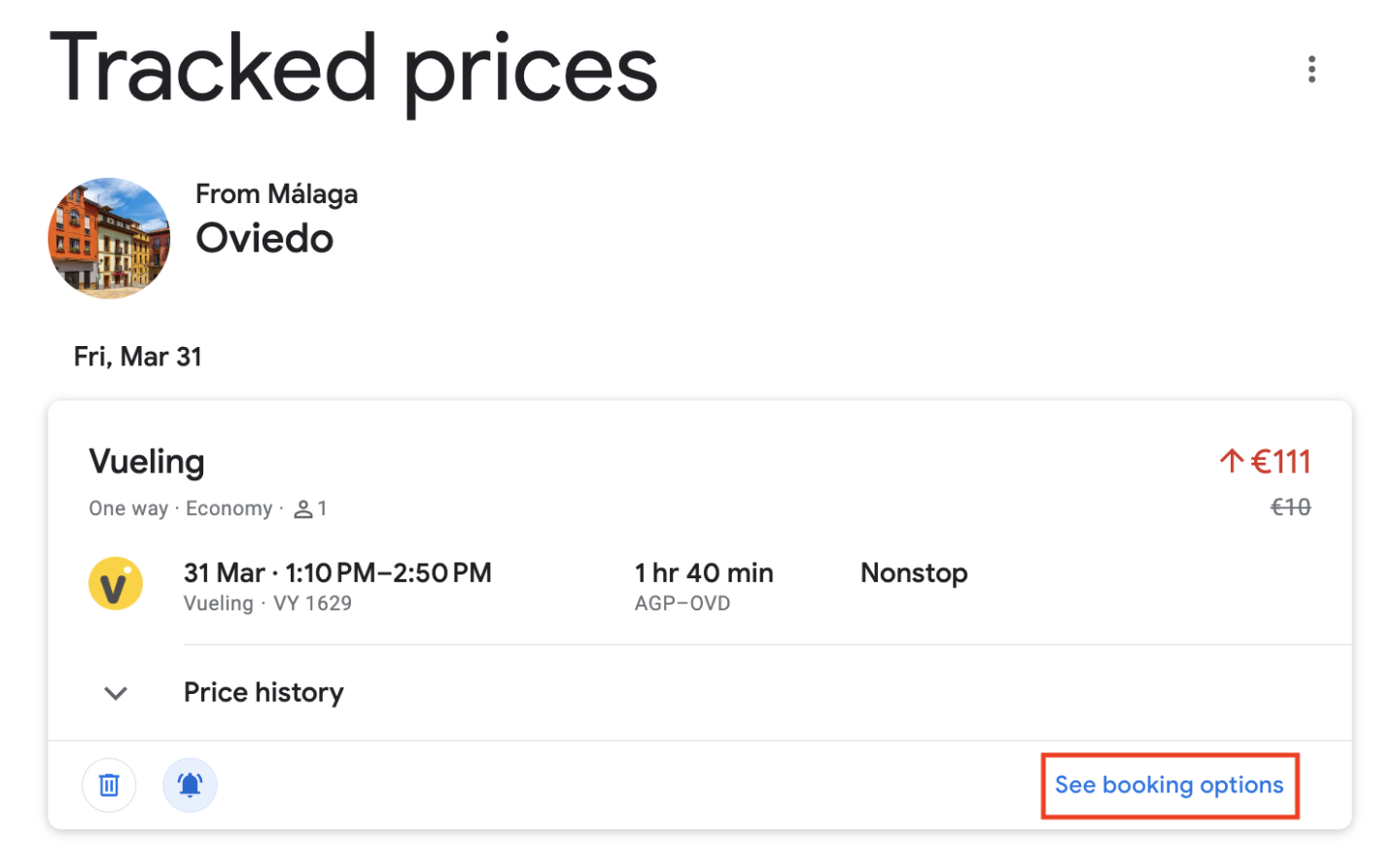
The cornerstone of modern flight price tracking is the price alert system. Major travel search engines and dedicated flight tracking apps offer features that notify you via email or push notification when the price for a specific route and date range drops. Services like Google Flights, Skyscanner, Hopper, and Kayak are excellent examples. By enabling these alerts, you automate the monitoring process, eliminating the need for constant manual checks. This passive monitoring ensures you don’t miss out on fleeting deals. From a financial perspective, these alerts act like a stock market “buy signal,” telling you when the “price” (of a flight) has reached a favorable “entry point.” Setting these up for multiple potential destinations or flexible date ranges further increases your chances of securing the best financial deal.
Smart Use of Aggregators and Comparison Websites
Flight aggregators and comparison websites are indispensable financial tools that provide a comprehensive overview of the market. Instead of checking individual airline websites, these platforms (e.g., Google Flights, Skyscanner, Kayak, Expedia, Priceline) pull data from hundreds of airlines and online travel agencies (OTAs), presenting you with a consolidated list of options. This allows for quick side-by-side price comparisons, which is vital for identifying the most cost-effective routes and carriers. When using these, pay close attention to the filters—they can help you refine your search by budget, layovers, airline preferences, and even specific times, further aligning your choices with your financial goals and travel comfort. Remember, sometimes booking through an OTA can be cheaper than directly with the airline, but always weigh the financial savings against potential customer service differences.
The ‘Best Time to Buy’ Myth vs. Data-Driven Decisions
The internet is rife with advice about the “best day” to book flights, often citing Tuesdays or Wednesdays. While there might be historical trends, relying solely on these anecdotes is a financially naive approach in today’s dynamic market. A data-driven approach, enabled by tracking tools, is far more reliable. These tools analyze historical price data for specific routes, showing you when prices are typically lowest. For example, Hopper’s “buy now” or “wait” recommendations are based on vast datasets, offering a probabilistic financial forecast. Instead of adhering to a rigid, outdated rule, empower yourself with real-time data and predictive analytics. This strategic shift from myth to data ensures your booking decision is based on the most accurate financial insights available, maximizing your chances of getting the lowest fare.
When to Pounce: Understanding Price Drop Psychology

Identifying a price drop is one thing; knowing when to book is another. This requires a bit of financial intuition and understanding the “psychology” of airline pricing. Is the current price an anomaly, or part of a larger trend? Generally, prices tend to be lower during off-peak seasons, mid-week travel, or for bookings made well in advance (but not too far in advance, as early birds can sometimes pay a premium). Understanding the sweet spot for booking—often between 1-3 months for domestic flights and 2-8 months for international flights—can guide your decision. When a price drops significantly within this window, and your tracking tools suggest it’s a good deal, it’s often wise to act. Over-waiting for an even lower price can lead to regret as prices inevitably rise closer to the departure date. It’s about balancing the desire for the absolute lowest price with the risk of missing a great deal.
Maximizing Your Savings: Advanced Techniques and Financial Discipline
Beyond basic tracking, incorporating advanced strategies and exercising financial discipline can further amplify your savings and optimize your travel budget.
The Value of Flexibility: Dates, Airports, and Destinations
Financial flexibility is a powerful asset in the realm of flight booking. Being open to slightly altering your travel dates, even by a day or two, can yield substantial savings. Mid-week flights (Tuesday-Thursday) are almost invariably cheaper than weekend travel due to lower business and leisure demand. Similarly, consider flying into or out of alternative airports in the same region. A major international airport might have higher direct flight prices, but a smaller regional airport nearby could offer significantly cheaper fares, even after accounting for ground transportation costs. Furthermore, if your travel purpose is less destination-specific (e.g., “a beach vacation” instead of “Maui”), using tools that show “everywhere” prices from your departure city can reveal incredibly cheap flights to unexpected but desirable locations. This financial agility directly translates into more disposable income.
Beyond Direct Flights: Budgeting for Multi-Leg Journeys
While direct flights are convenient, they often come at a premium. For budget-conscious travelers, considering flights with layovers, or even self-connecting flights, can lead to significant cost reductions. A multi-leg journey, even with a longer travel time, might be hundreds of dollars cheaper, allowing you to reallocate those savings to your destination experience. However, when budgeting for these options, factor in potential additional costs like meals during layovers, checked baggage fees (if different airlines are used), and the risk of missed connections if self-connecting. A thorough cost-benefit analysis is essential here to ensure that the apparent financial saving isn’t eroded by unforeseen expenses or undue stress.
Avoiding Hidden Costs and Fees
A financially savvy traveler scrutinizes the total cost, not just the base fare. Airlines are notorious for “unbundling” services, charging extra for baggage, seat selection, in-flight meals, and even printing boarding passes at the airport. When tracking prices, always account for these potential hidden costs, especially when comparing budget airlines to full-service carriers. Sometimes a slightly more expensive base fare on a full-service airline might actually be cheaper overall once all fees are considered. This meticulous approach to financial assessment ensures that the “deal” you found remains a deal after all add-ons.
Group Bookings vs. Individual Purchases: A Cost Analysis
For families or groups traveling together, a common question arises: is it cheaper to book as a group or individually? The answer isn’t always straightforward. Airlines often price tickets in fare classes. If there are only a few seats left in a lower fare class, and you try to book multiple tickets in one go, the system might automatically push all tickets into a higher fare class to accommodate the group. In such cases, booking tickets individually (or in smaller batches) might result in a lower total cost, even if some members end up in slightly different fare classes. A careful comparison by trying both methods is a worthwhile financial exercise before committing.
Integrating Flight Savings into Your Long-Term Financial Planning
The act of tracking flight prices and securing deals isn’t just about saving money on a single trip; it’s a practice that can contribute meaningfully to your broader long-term financial health and goals.
Allocating Funds for Future Travel: A Budgeting Approach
By consistently tracking and understanding travel costs, you gain a clearer picture of how much money you need to save for future adventures. This enables you to create a dedicated travel fund within your budget, regularly allocating a specific amount towards future trips. This proactive savings strategy prevents debt accumulation and ensures that travel remains a financially stress-free and enjoyable activity. It’s the difference between an impulsive, debt-ridden vacation and a thoughtfully funded, rewarding experience, reinforcing the principles of responsible financial planning.
The ROI of Travel Hacking and Loyalty Programs
Beyond finding cheap flights, financially astute travelers often delve into “travel hacking” – strategically using credit card sign-up bonuses, loyalty programs, and airline miles to further reduce travel costs, sometimes to zero. While a deeper dive into travel hacking is beyond the scope of flight price tracking itself, understanding its potential return on investment (ROI) is crucial. The savings from effectively tracking flight prices can free up cash that might otherwise have gone towards airfare, allowing you to invest in travel-specific credit cards (if financially responsible), or to maximize loyalty program accruals without overspending. It’s about creating a synergistic financial ecosystem where smart spending habits complement strategic rewards accumulation.
Financial Freedom Through Strategic Travel Planning
Ultimately, mastering the art of tracking flight prices and integrating it into your financial regimen contributes to a broader sense of financial freedom. When you can consistently secure good deals on airfare, you reduce a significant variable cost in your travel budget. This predictability and cost efficiency allow you to travel more frequently, explore new destinations, or reallocate those savings to other financial priorities. Strategic travel planning, anchored by effective price tracking, transforms travel from a luxury burdened by unpredictable costs into an accessible and sustainable part of a well-managed financial life, proving that being financially savvy can indeed open up the world.
aViewFromTheCave is a participant in the Amazon Services LLC Associates Program, an affiliate advertising program designed to provide a means for sites to earn advertising fees by advertising and linking to Amazon.com. Amazon, the Amazon logo, AmazonSupply, and the AmazonSupply logo are trademarks of Amazon.com, Inc. or its affiliates. As an Amazon Associate we earn affiliate commissions from qualifying purchases.