
For millions of Americans, the Electronic Benefits Transfer (EBT) card is a vital tool, providing access to essential government assistance. While often associated with food benefits (SNAP), many EBT cards also deliver cash benefits, typically through programs like Temporary Assistance for Needy Families (TANF). Understanding how to effectively access and manage these cash funds is a crucial aspect of personal finance for recipients. This guide delves into the mechanisms, best practices, and financial considerations involved in taking cash off your EBT card, empowering you to manage your benefits wisely and securely.
Understanding Your EBT Card: More Than Just Food Benefits
Before delving into withdrawal methods, it’s essential to grasp the dual functionality that many EBT cards possess. This foundational understanding is key to differentiating between the types of benefits and how they can be utilized.
What is an EBT Card?
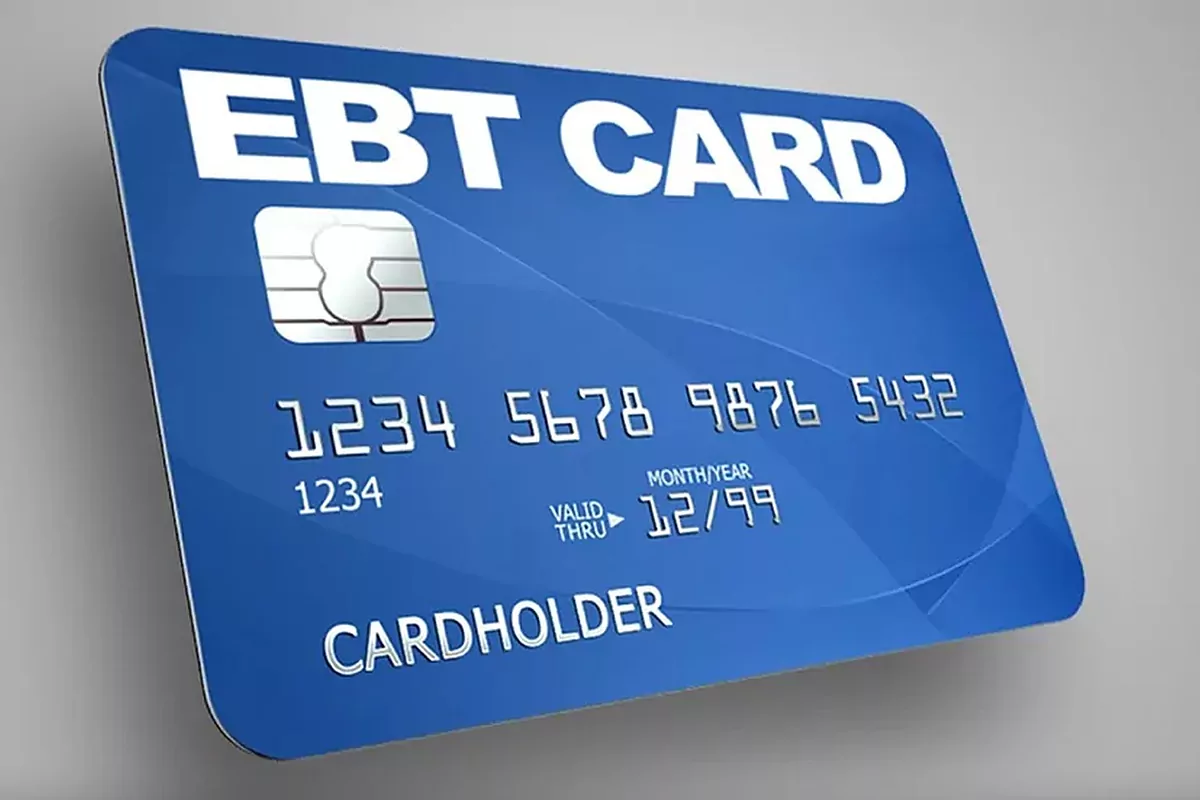
An EBT card functions much like a debit card, but instead of drawing from a bank account, it accesses government-issued benefits. These benefits are electronically loaded onto the card by state agencies, providing a secure and convenient way to deliver assistance. The system aims to streamline the distribution of aid, reduce fraud, and offer recipients a dignified method of managing their entitlements. While the core technology is similar across states, specific program names and administrative details can vary.
Differentiating SNAP and TANF
The most common confusion arises between the two primary types of benefits delivered via EBT:
-
Supplemental Nutrition Assistance Program (SNAP): Formerly known as food stamps, SNAP benefits are strictly for purchasing eligible food items at authorized grocery stores, farmers’ markets, and some online retailers. These funds cannot be converted into cash.
-
Temporary Assistance for Needy Families (TANF) / General Assistance (GA): These programs provide cash assistance to eligible low-income families and individuals, often with dependent children. The funds loaded onto the EBT card from these programs can be withdrawn as cash. It’s crucial for recipients to know which type of benefit balance they are attempting to access, as only the cash benefits are withdrawable. Your EBT card statement or online portal will typically show separate balances for food and cash benefits.
Checking Your Balance and Transaction History
Effective financial management begins with knowing your current standing. Regularly checking your EBT card balance and reviewing your transaction history is paramount.
-
Online Portal: Most states offer a dedicated online portal where you can log in to view your current balances, track spending, and review past transactions. This is often the most comprehensive way to monitor your benefits.
-
Phone Number: The back of your EBT card will have a toll-free customer service number. Calling this number allows you to access automated balance information or speak with a representative.
-
Receipts: When you make a purchase or withdrawal, your receipt will typically show your remaining balance for both food and cash benefits.
-
ATMs: When using an ATM for a cash withdrawal, you can often select an option to view your balance without making a transaction, though some ATMs may charge a fee for this service.
Accessing Cash Benefits: Your Financial Withdrawal Options
Once you’ve confirmed you have a cash benefit balance, several methods are available to withdraw funds. Each option comes with its own set of considerations, including convenience, fees, and limits.
ATM Withdrawals: Fees, Limits, and Network Access
Using an Automated Teller Machine (ATM) is one of the most common ways to access cash benefits from your EBT card.
-
Finding an ATM: Look for ATMs that display the QUEST® logo, which is the national symbol for EBT processing. Many ATMs at banks, credit unions, and retail locations will accept EBT cards.
-
Fees: Be aware of potential fees.
-
Surcharge Fees: These are fees charged by the ATM owner for using their machine. Many states have networks of surcharge-free ATMs for EBT cardholders. Check your state’s EBT program website or customer service line for a list of participating ATMs to avoid these charges.
-
Transaction Fees: Your state might charge a small fee for excessive ATM withdrawals beyond a certain limit within a month. Understand your state’s policy to avoid unexpected costs.
-
-
Withdrawal Limits: EBT cash withdrawals often have daily limits imposed by your state, which can range from $100 to $500 or more per day. Individual ATMs may also have their own per-transaction limits, typically $200-$300. If your state’s daily limit is higher than the ATM’s per-transaction limit, you may need to perform multiple transactions to reach your full daily allowance.
Cash Back at Retailers: Convenience and Considerations
Many grocery stores, drug stores, and other retailers that accept EBT for purchases also offer cash back with an EBT cash transaction.
-
How it Works: When making a purchase (e.g., buying a non-food item like soap or paper towels with your cash benefits), you can ask for cash back at the point of sale. The requested cash amount is then deducted from your cash benefit balance along with the purchase amount.
-
Advantages: This method often avoids ATM fees, making it a cost-effective option. It’s also convenient as it can be done during your regular shopping trips.
-
Limitations: Retailers typically have their own limits on how much cash back they will provide per transaction, which can range from $10 to $50 or more. Not all retailers that accept EBT will offer cash back, so it’s wise to inquire before checking out. You cannot get cash back on SNAP (food benefit) transactions.
Over-the-Counter Transactions: Direct Access from Banks/Credit Unions
In some instances, particularly with credit unions or smaller banks, you may be able to withdraw cash directly from a teller inside the financial institution.
-
Identifying Participating Institutions: This option is less common than ATMs or cash back at retailers. You would need to check with your state’s EBT program or directly with local banks and credit unions to see if they offer this service for EBT cardholders.
-
Process: If available, you would present your EBT card and a valid form of identification to the teller, much like a regular bank withdrawal.
-
Benefits: This method can be useful for larger withdrawals, potentially bypassing ATM daily limits (within your state’s overall daily limit) or for those who prefer face-to-face transactions. Fees are usually not associated with this type of withdrawal, but confirmation is always recommended.
Navigating Cash Withdrawals: Best Practices and Pitfalls to Avoid

Successful management of EBT cash benefits extends beyond just knowing how to withdraw money; it also involves strategic planning and security awareness.
Understanding Withdrawal Limits and Fees
A clear understanding of both state-imposed and ATM/retailer-imposed limits and fees is critical for maximizing your benefits.
-
State Limits: Familiarize yourself with your state’s specific daily and monthly cash withdrawal limits. Exceeding these limits can result in denied transactions or additional fees.
-
ATM Surcharges: Always prioritize using surcharge-free ATMs. A $2-$3 fee might seem small, but it can quickly erode your limited benefits, especially if you make frequent, small withdrawals. Look for signage or consult your state’s EBT website for lists of participating ATMs.
-
Transaction Tracking: Keep a personal record of your withdrawals or regularly check your EBT account online to ensure you stay within limits and track your spending accurately.
Security Measures: Protecting Your Benefits
Your EBT card and its associated Personal Identification Number (PIN) are your financial keys. Protecting them is paramount to safeguarding your benefits.
-
Keep Your PIN Private: Never share your PIN with anyone, including family members, friends, or anyone claiming to be from the EBT program or government.
-
Memorize Your PIN: Avoid writing your PIN down, especially on the card itself or anything kept with the card.
-
Be Discreet at ATMs/Checkouts: When entering your PIN, shield the keypad from view. Be aware of your surroundings and avoid suspicious-looking ATMs.
-
Report Lost or Stolen Cards Immediately: If your EBT card is lost, stolen, or compromised, contact your state’s EBT customer service number immediately. Reporting it promptly can help prevent unauthorized use of your benefits and facilitate the issuance of a replacement card.
-
Review Statements Regularly: Periodically review your transaction history for any unauthorized activity. Report discrepancies promptly.
Avoiding Scams and Misinformation
Unfortunately, individuals receiving government benefits are sometimes targets for scams.
-
Be Skeptical of Unsolicited Requests: Government agencies will rarely ask for your PIN, Social Security Number, or other sensitive information over the phone, via email, or text message.
-
Beware of Phishing: Do not click on suspicious links in emails or text messages that claim to be from EBT or a government agency. These are often attempts to steal your personal information.
-
Official Sources Only: Always refer to your state’s official EBT website or the customer service number on the back of your card for accurate information and assistance. Never trust information from unofficial sources that sound too good to be true.
Managing Your EBT Cash: Budgeting and Financial Prudence
Receiving cash benefits offers flexibility but also demands responsible financial management. Budgeting and careful spending can help ensure your benefits last and truly support your essential needs.
Budgeting Your Cash Benefits Effectively
Creating a simple budget is the cornerstone of responsible financial management, regardless of your income source.
-
Identify Core Needs: Prioritize essential expenses such as housing (rent/mortgage), utilities, transportation, and healthcare costs that cannot be covered by other means.
-
Track Spending: Monitor where your cash goes. This can be done with a simple notebook, a spreadsheet, or a budgeting app. Understanding your spending habits is the first step to making informed financial decisions.
-
Allocate Funds: Before withdrawing, decide how much cash you need for specific categories and stick to those allocations. Avoid withdrawing large sums all at once if you don’t have an immediate, specific use for it, as this can make it harder to track and protect.
Prioritizing Needs vs. Wants
Cash benefits are intended to help cover basic necessities. Differentiating between needs and wants is crucial for making your benefits stretch further.
-
Needs: Expenses that are absolutely essential for survival and well-being (e.g., shelter, food not covered by SNAP, utilities, essential transportation, necessary medications).
-
Wants: Discretionary spending that, while perhaps enjoyable, is not fundamental for survival (e.g., entertainment, dining out, non-essential shopping).
-
Mindful Spending: Before making a purchase with your cash benefits, pause and ask yourself if it’s a true need. This small habit can significantly improve your financial stability.
Saving for Emergencies (Even Small Amounts)
While cash benefits are often designed for immediate needs, creating a small emergency fund, even if it’s just a few dollars, can provide a crucial safety net.
-
Designate a Small Amount: If your financial situation allows, try to set aside a small, consistent portion of your cash benefits each month into a separate envelope or a secure place.
-
Unexpected Expenses: This small reserve can be invaluable for unexpected costs like a minor car repair, an unforeseen medical co-pay, or a sudden household emergency, preventing you from facing greater financial hardship.
-
Financial Discipline: This practice instills financial discipline and resilience, laying a foundation for more robust financial planning in the future.
Beyond Withdrawals: Maximizing Your EBT Benefits and Financial Well-being
Your EBT card is a financial tool, and like any tool, understanding its full potential and integrating it into a broader financial strategy can yield significant benefits for your overall well-being.
Connecting with Financial Literacy Resources
Empowering yourself with financial knowledge is one of the most impactful steps you can take.
-
Community Organizations: Many non-profit organizations, community centers, and local government agencies offer free or low-cost financial literacy workshops and counseling. These resources can cover topics from budgeting and debt management to saving and credit building.
-
Online Resources: Reputable websites from government agencies (e.g., Consumer Financial Protection Bureau), universities, and established financial education charities provide a wealth of free information and tools.
-
Benefit-Specific Guidance: Some EBT program websites offer resources specifically tailored to managing government benefits, which can include tips for budgeting and avoiding common pitfalls.
Exploring Additional Support Programs
EBT cash benefits are often part of a broader network of support programs. Understanding and accessing these additional resources can further strengthen your financial stability.
-
Energy Assistance: Programs like the Low Income Home Energy Assistance Program (LIHEAP) can help with utility bills, freeing up your cash benefits for other needs.
-
Housing Assistance: If housing costs are a major concern, inquire about local housing assistance programs, rent subsidies, or homelessness prevention services.
-
Child Care Subsidies: For families with children, child care assistance can significantly reduce a substantial financial burden.
-
Workforce Development: Many TANF programs are linked to workforce development initiatives, offering training, job search assistance, and educational opportunities that can lead to increased earning potential and long-term financial independence.

Long-Term Financial Planning and Self-Sufficiency
While EBT benefits provide immediate relief, the ultimate goal for many recipients is often greater financial self-sufficiency.
-
Setting Goals: Define clear, achievable financial goals, such as securing stable employment, building an emergency fund, or pursuing further education.
-
Incremental Steps: Financial planning is a journey of small, consistent steps. Celebrate small victories and remain persistent.
-
Leveraging Support: Utilize the benefits and resources available to you not just as a handout, but as a stepping stone towards a more secure financial future. The cash benefits from your EBT card can be a critical component in stabilizing your immediate situation, allowing you the space to plan for and work towards long-term goals.
In conclusion, managing cash off your EBT card effectively is a critical financial skill. By understanding your benefits, choosing appropriate withdrawal methods, exercising security precautions, and integrating these practices into a thoughtful budget, you can maximize the value of your assistance and take meaningful steps towards greater financial well-being.
aViewFromTheCave is a participant in the Amazon Services LLC Associates Program, an affiliate advertising program designed to provide a means for sites to earn advertising fees by advertising and linking to Amazon.com. Amazon, the Amazon logo, AmazonSupply, and the AmazonSupply logo are trademarks of Amazon.com, Inc. or its affiliates. As an Amazon Associate we earn affiliate commissions from qualifying purchases.