
In an increasingly globalized and consolidated marketplace, the vibrancy of local economies often hinges on the success of its small businesses. These enterprises, ranging from independent bookstores and artisanal bakeries to local consultancies and boutique services, form the bedrock of community character and economic resilience. Understanding how to effectively support them goes beyond simple patronage; it involves a conscious commitment to fostering their financial health, ensuring local wealth creation, and building a sustainable economic future for our communities. This article delves into the profound financial implications of supporting small businesses, highlighting how individual actions translate into significant collective economic benefits.
The Economic Power of Small Businesses: Fueling Local Economies
Small businesses are far more than just points of transaction; they are critical engines of economic growth, innovation, and community development. Their collective financial impact far outweighs their individual scale, contributing significantly to national GDP, job creation, and local wealth retention. Recognizing this fundamental financial role is the first step in understanding the imperative of supporting them.
Local Wealth Generation and Retention
When consumers spend money at a small, locally-owned business, a substantial portion of that revenue remains within the local economy, circulating to other local businesses, suppliers, and service providers. This phenomenon is often referred to as the “multiplier effect.” Studies consistently show that a dollar spent at an independent business generates two to three times more local economic activity compared to a dollar spent at a large chain store. This means more money available for local wages, investments, and taxes, directly enriching the community’s financial ecosystem. This retained capital allows for further local investment, infrastructure improvements, and enhanced public services, all without increasing the tax burden on residents. It’s a self-reinforcing cycle of financial prosperity that begins with local consumer choices.
Job Creation and Community Stability
Small businesses are the undisputed leaders in job creation, often employing a larger percentage of the local workforce than larger corporations. These jobs are not only crucial for individual financial stability but also contribute to the overall economic health and social fabric of a community. Employees of small businesses often live locally, further reinforcing the multiplier effect through their own spending within the community. Moreover, the stability of these jobs fosters a sense of security and belonging, reducing unemployment rates and mitigating social disparities. Financially, a diverse array of small businesses helps to insulate a local economy from the boom-and-bust cycles often associated with reliance on a single large employer or industry. Their ability to adapt and innovate provides a crucial buffer against economic shocks, offering a more stable financial outlook for the community at large.
Diversifying the Local Tax Base
A healthy ecosystem of small businesses contributes significantly to the local tax base through property taxes, sales taxes, and business income taxes. This revenue is vital for funding essential public services such as schools, libraries, public safety, and infrastructure projects. A diversified tax base, supported by numerous small businesses across various sectors, makes a community less vulnerable to the financial downturn of any single industry or large corporation. This financial robustness ensures that communities can continue to invest in their future, maintaining high-quality services and attracting further investment. By supporting small businesses, citizens are indirectly investing in the financial stability and future prosperity of their own towns and cities, securing a robust financial foundation for generations to come.
Direct Financial Support: Maximizing Your Purchasing Power
The most immediate and impactful way to support small businesses is through direct financial patronage. Every purchase, every service availed, acts as a vote of confidence and a direct injection of capital into their operations. Conscious consumer choices, focused on channeling purchasing power towards local enterprises, can dramatically shift the financial landscape of a community.
Conscious Consumerism and Local Spending
Conscious consumerism involves making purchasing decisions with an awareness of their broader economic, social, and environmental impacts. When applied to small businesses, this means prioritizing local options over national or international chains, even if it sometimes entails a slightly higher price point or a minor inconvenience. This deliberate choice to spend locally is a direct financial investment in the community. It provides small businesses with the revenue necessary to cover their operating costs, pay fair wages, and reinvest in their growth. Educating oneself about the origins of products, the business practices of local entrepreneurs, and the true cost of convenience can empower consumers to make financially impactful decisions that benefit the entire local economic ecosystem.
The Multiplier Effect of Local Purchases
As mentioned, money spent at a local business circulates within the community more effectively. This “multiplier effect” means that your $10 purchase at a local coffee shop doesn’t just benefit the owner; it helps pay the barista’s salary, who then spends money at the local grocery store, which in turn pays its local suppliers. This continuous financial flow generates several times the initial value within the local economy before eventually leaving. Understanding this tangible financial benefit can reinforce the motivation for local spending. It highlights how each individual purchasing decision, no matter how small, contributes to a collective financial momentum that fosters growth and resilience.
Exploring Diverse Small Business Offerings

Actively seeking out and exploring the full spectrum of small businesses in your area is another powerful form of financial support. Many consumers may default to large retailers for certain categories of goods or services without realizing that local, independent options exist. From financial advisors and legal services to specialty food stores and artisanal crafts, small businesses often offer unique products, personalized services, and expert knowledge that large chains cannot replicate. By diversifying your patronage across various small business sectors, you help to stabilize their collective financial footing, encourage entrepreneurship across different industries, and ensure a rich, varied economic landscape for the community.
Beyond the Purchase: Financial Advocacy and Tools
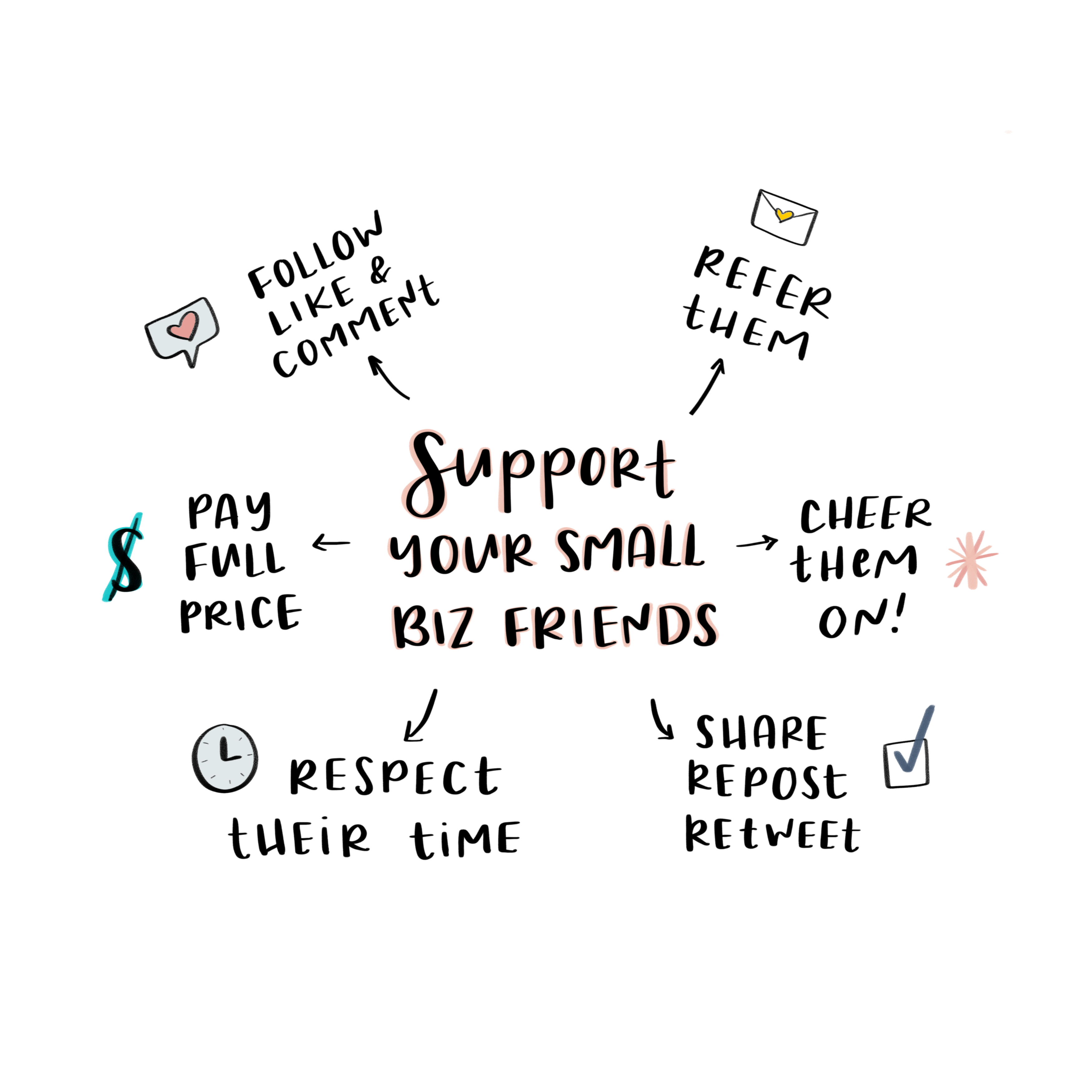
Supporting small businesses extends beyond merely opening your wallet for transactions. It also involves leveraging your influence and utilizing available financial tools and behaviors to amplify their reach and bolster their long-term financial viability. This form of support, while indirect, is incredibly potent in shaping their market presence and profitability.
The Value of Positive Financial Reviews
In the digital age, online reviews are a powerful currency, directly impacting a small business’s reputation and its ability to attract new customers. Positive reviews on platforms like Google, Yelp, and specialized industry sites provide invaluable social proof, influencing potential customers’ purchasing decisions. From a financial perspective, a high volume of positive reviews can lead to increased foot traffic, higher conversion rates, and ultimately, greater revenue. Taking a few minutes to write a thoughtful review about a positive experience is a free, yet incredibly effective, form of financial advocacy. It signals trustworthiness and quality to prospective customers, directly contributing to the business’s bottom line.
Gifting and Supporting Small Business Services
When considering gifts for friends, family, or colleagues, choosing gift cards or products from local small businesses is a fantastic way to extend financial support. This not only channels money directly into these businesses but also introduces new customers to their offerings. Similarly, opting for services provided by local independent professionals – whether it’s a financial planner, a graphic designer, or a personal trainer – rather than larger firms, directly supports their income and contributes to the local economy. This conscious shift in gifting and service procurement habits can significantly boost the revenue streams of numerous small enterprises.
Utilizing Financial Incentives and Loyalty Programs
Many small businesses offer loyalty programs, discounts, or special promotions to reward returning customers. Engaging with these programs is a win-win: you often save money, and the business benefits from repeat patronage and increased customer lifetime value. Furthermore, some local governments or community organizations offer financial incentives, such as grants or low-interest loans, to encourage small business growth. Actively participating in or promoting these initiatives, even as a consumer, can contribute to a more robust financial ecosystem for local entrepreneurs. Understanding and utilizing these financial tools helps cement a long-term relationship between the consumer and the small business, fostering mutual economic benefit.
Building a Resilient Local Economy: Long-Term Financial Health
True support for small businesses culminates in fostering an environment where they can thrive financially for the long term, contributing to the overall resilience and prosperity of the local economy. This requires a collective mindset focused on sustainable financial practices and community-wide collaboration.
Fostering a Culture of Local Investment
Beyond mere consumer spending, nurturing a culture where residents and local institutions actively invest in their community’s small businesses is paramount. This can manifest through local venture capital funds, crowdfunding initiatives targeting local startups, or simply prioritizing local contractors and suppliers for larger projects. When local money is invested locally, it creates a virtuous cycle of growth, encouraging innovation, expanding job opportunities, and solidifying the community’s financial independence. Education about the financial mechanisms and benefits of local investment can empower citizens to become not just patrons, but genuine stakeholders in their local economic success.
Collaborative Financial Initiatives
Small businesses often face unique financial challenges that large corporations do not, such as limited access to capital or economies of scale. Collaborative initiatives, where multiple small businesses or community organizations pool resources or share financial risks, can be incredibly beneficial. This might include cooperative marketing funds, shared purchasing agreements to reduce costs, or collective advocacy for favorable local financial policies. From a consumer perspective, supporting events like “Small Business Saturday” or local markets not only provides direct financial injections but also fosters a sense of collective identity and shared purpose among local entrepreneurs, strengthening their collective financial resilience.

The Long-Term Financial Security of Communities
Ultimately, the goal of supporting small businesses is to ensure the long-term financial security and vibrancy of communities. A diverse and robust small business sector creates a more stable tax base, reduces reliance on external economic forces, and fosters a sense of local pride and ownership. This financial independence translates into better public services, higher property values, and an overall enhanced quality of life for residents. Every act of support, whether a direct purchase, a positive review, or an advocacy effort, contributes to this grander vision of a financially secure and prosperous community, built on the foundations of local enterprise and mutual support.
By consciously directing our financial resources and advocating for local enterprises, we don’t just help individual businesses survive; we actively participate in building stronger, more resilient, and more financially independent communities for everyone.
aViewFromTheCave is a participant in the Amazon Services LLC Associates Program, an affiliate advertising program designed to provide a means for sites to earn advertising fees by advertising and linking to Amazon.com. Amazon, the Amazon logo, AmazonSupply, and the AmazonSupply logo are trademarks of Amazon.com, Inc. or its affiliates. As an Amazon Associate we earn affiliate commissions from qualifying purchases.