
The landscape of home entertainment has undergone a radical transformation over the last decade. Gone are the days when accessing premium television content like AMC required a physical cable connection and a restrictive long-term contract. Today, the shift toward internet-based distribution—commonly known as “cord-cutting”—has democratized access to high-quality programming. To stream AMC effectively, one must navigate a sophisticated ecosystem of hardware, software, and networking protocols. This guide explores the technical requirements, platform options, and optimization strategies necessary to transition from linear broadcasting to a high-performance streaming setup.
The Evolution of Digital Distribution: Understanding the Tech Stack
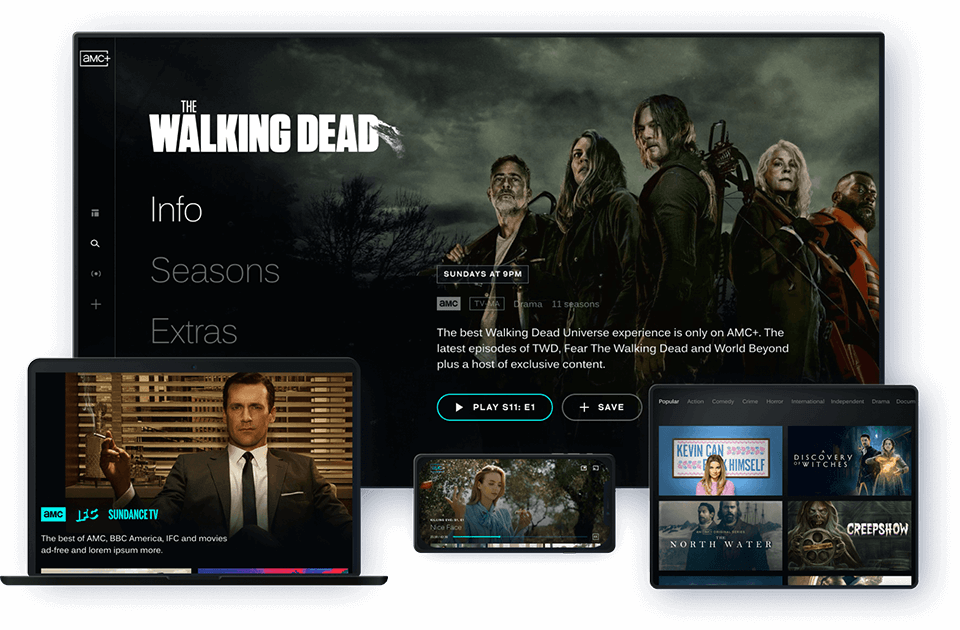
Streaming AMC is not merely about clicking a “play” button; it involves a complex chain of digital events. When you stream a show like The Walking Dead or Better Call Saul, you are engaging with a Content Delivery Network (CDN). These networks consist of geographically distributed servers that store cached versions of the content to minimize latency.
Video Encoding and Compression Standards
To deliver high-definition video over the internet without constant buffering, streaming services utilize advanced video codecs. Most platforms hosting AMC content use H.264 (AVC) or the more efficient H.265 (HEVC). These codecs compress raw video data into manageable bitrates. For a smooth 1080p experience, a consistent downstream of at least 5 Mbps is required, while 4K streaming (available on select AMC+ content) demands roughly 25 Mbps. Understanding these technical baselines is essential for any user looking to optimize their digital viewing environment.
The Role of Application Architecture
The AMC+ app and other third-party streaming services are built using cross-platform frameworks. Whether you are using a Tizen-based Samsung TV, an Android-based Sony TV, or an iOS device, the application architecture ensures a consistent User Interface (UI) and User Experience (UX). These apps communicate with centralized databases via APIs (Application Programming Interfaces) to manage user authentication, watch history, and content metadata.
Hardware Ecosystems: Choosing the Right Streaming Device
The quality of your AMC streaming experience is heavily dictated by the hardware you use. While many modern televisions are “smart” out of the box, dedicated streaming peripherals often offer superior processing power and more frequent software updates.
Dedicated Streaming Media Players
Devices such as the Apple TV 4K, Roku Ultra, and Amazon Fire TV Cube are the gold standard for cord-cutters. These gadgets house powerful ARM-based processors that handle video decoding more efficiently than the integrated chips found in many budget TVs.
-
Apple TV 4K: Known for its robust integration with the Apple ecosystem and its high-performance A-series chips, it offers the smoothest UI navigation.
-
Roku: Offers a platform-agnostic approach with a simple interface, making it an excellent choice for users who prioritize ease of use.
-
Amazon Fire TV: Deeply integrated with Alexa, these devices are ideal for users who have invested in the Amazon smart home ecosystem.
Smart TVs and Game Consoles
Most major TV manufacturers (LG, Samsung, Vizio) include the AMC+ app in their proprietary app stores. Similarly, the PlayStation 5 and Xbox Series X/S function as powerful media hubs. The advantage here is the reduction of “HDMI clutter,” as the hardware is already built into your existing setup. However, users should be aware that older Smart TVs may eventually lose software support, leading to sluggish performance or app incompatibility.
The Software Layer: Subscription Models and Platform Integration
Once the hardware is in place, the next step is selecting the software platform through which you will access the AMC channel. There are two primary technical pathways: Direct-to-Consumer (DTC) apps and Virtual Multichannel Video Programming Distributors (vMVPDs).

AMC+ and the Direct-to-Consumer Shift
AMC+ is the network’s standalone streaming service. Technically, it is a bundle that includes content from AMC, BBC America, IFC, and SundanceTV, along with specialized hubs like Shudder and IFC Films Unlimited. From a technical standpoint, subscribing directly via the AMC+ app simplifies the “handshake” between the user’s credentials and the content server.
Virtual MVPDs: The Digital Cable Replacement
If you prefer a traditional channel-surfing experience, vMVPDs are the solution. These services deliver a live feed of AMC over the internet, complete with a digital program guide.
-
Sling TV: One of the most cost-effective ways to stream AMC. It uses a “skinny bundle” tech model, allowing users to pay for smaller packages of channels.
-
Philo: A lifestyle-focused streaming service that omits sports and local news to keep costs low. Its backend is optimized for high-capacity Cloud DVR, allowing users to save AMC shows for up to a year.
-
YouTube TV and Hulu + Live TV: These are high-bandwidth services that offer the most comprehensive features, including unlimited cloud storage and multi-user profiles. Their sophisticated recommendation engines use machine learning to suggest AMC content based on previous viewing habits.
Optimizing the Digital Home Theater Infrastructure
To achieve a “broadcast-quality” stream of AMC, the underlying network infrastructure must be robust. Even the best streaming device will struggle if the local network is congested or poorly configured.
Wired vs. Wireless Connectivity
While Wi-Fi 6 and 6E have significantly improved wireless stability, a hardwired Ethernet connection remains the most reliable method for streaming. Connecting your Roku or Apple TV directly to your router via a Cat6 cable eliminates “jitter” and reduces the likelihood of resolution drops during peak usage hours.
Network Congestion and Quality of Service (QoS)
In a household with multiple connected devices, bandwidth competition is a common issue. Many modern routers feature Quality of Service (QoS) settings. By accessing your router’s firmware settings, you can prioritize traffic to your streaming device. This ensures that even if another user is downloading a large file, your AMC stream maintains priority access to the available bandwidth.
Digital Rights Management (DRM) and Security
Streaming AMC involves complex DRM protocols like Widevine or FairPlay. These systems ensure that the content is being viewed by a legitimate subscriber. For users who value digital security, using a VPN (Virtual Private Network) can protect viewing habits from ISP tracking. However, it is vital to choose a high-speed VPN provider to avoid the latency penalties often associated with encrypted tunnels.
Troubleshooting and Future Tech Trends in Streaming
Even with a high-end setup, technical glitches can occur. Understanding how to diagnose these issues can save significant time.
Common Technical Fixes
If the AMC app is crashing or buffering, the first step is a “cold boot” of the device. This clears the system cache and re-establishes the connection to the CDN. Additionally, checking for firmware updates is crucial; developers frequently release patches that optimize video playback and fix security vulnerabilities.
The Future: AI and Interactivity
Looking ahead, the technology used to stream AMC will become increasingly personalized. AI-driven bitstream adjustment will allow apps to predict network fluctuations before they happen, adjusting the video quality seamlessly to prevent buffering. Furthermore, we are seeing the rise of interactive overlays and synchronized second-screen experiences, where your smartphone can display cast information or trivia in real-time as you watch AMC on your main screen.
Conclusion
Streaming AMC in the modern era is a fusion of sophisticated software engineering and powerful hardware. By choosing the right device, selecting a service that fits your viewing habits, and optimizing your home network, you can enjoy a television experience that far surpasses the capabilities of traditional cable. Whether you are deep-diving into the horror of Shudder via AMC+ or watching a live premiere on YouTube TV, the technology at your fingertips ensures that premium entertainment is more accessible, more stable, and more immersive than ever before.
aViewFromTheCave is a participant in the Amazon Services LLC Associates Program, an affiliate advertising program designed to provide a means for sites to earn advertising fees by advertising and linking to Amazon.com. Amazon, the Amazon logo, AmazonSupply, and the AmazonSupply logo are trademarks of Amazon.com, Inc. or its affiliates. As an Amazon Associate we earn affiliate commissions from qualifying purchases.