
Starting a business is often romanticized as an exercise in creativity or a pursuit of passion. While those elements are necessary for long-term motivation, a business is, at its core, a financial entity. Without a robust economic engine, the most innovative ideas eventually stall. To transition from an aspiring entrepreneur to a successful business owner, one must shift focus from the “product” to the “profit model.” This guide explores the financial mechanics of launching a business, focusing on capital structures, revenue sustainability, and the fiscal infrastructure required to scale.

1. Capitalization and Funding Strategies: Building Your War Chest
The first hurdle every entrepreneur faces is capitalization. How much money do you need to move from a concept to a functional operation? Underestimating the “cost of entry” is one of the leading causes of early-stage business failure. Before you register a domain or sign a lease, you must conduct a rigorous capital requirements analysis.
Understanding the Cost of Entry
Every industry has a different financial threshold for entry. A digital service-based business might require only a few thousand dollars for legal fees and software, whereas a manufacturing startup might require millions in CAPEX (Capital Expenditure). To determine your needs, you must categorize your expenses into “One-Time Startup Costs” (incorporation fees, initial inventory, equipment) and “Operating Runway” (rent, salaries, and marketing for at least six months). A prudent founder ensures they have a “buffer” of 20% beyond their highest estimates to account for the unforeseen volatility of a new market.
Bootstrapping vs. External Capital
The decision between bootstrapping and seeking external investment is the most significant financial fork in the road. Bootstrapping—funding the business through personal savings and early revenue—allows the founder to retain 100% equity and control. It forces a “lean” operational style that prioritizes immediate profitability. However, it can limit the speed of growth.
On the other hand, external capital (Angel investors, Venture Capital, or small business loans) provides the “fuel” to capture market share rapidly. While this introduces debt or equity dilution, it allows for aggressive scaling. The key is to match your funding source to your business model. If you are building a high-growth tech platform, VC might be necessary. If you are building a high-margin consultancy, bootstrapping is often the more financially sound path to wealth.
2. Building a Sustainable Revenue Model: The Unit Economics of Success
A business is not truly a business until it has a repeatable way to generate cash. Many founders make the mistake of focusing on “gross revenue” without understanding the underlying “unit economics.” If it costs you $100 to acquire a customer who only spends $80, you aren’t growing—you are subsidizing your customers’ lives until you go bankrupt.
Analyzing CAC and LTV
The two most critical metrics in your financial model are Customer Acquisition Cost (CAC) and Lifetime Value (LTV). CAC is the total spend on sales and marketing divided by the number of new customers acquired. LTV is the total net profit you expect to earn from a customer over the duration of your relationship.
For a business to be financially viable, the LTV should ideally be at least three times the CAC (the 3:1 ratio). In the early stages of starting your business, your focus should be on “optimizing the funnel”—finding ways to lower your acquisition costs while increasing the frequency or volume of customer purchases.
Pricing Strategies for Healthy Margins
Pricing is often treated as a marketing decision, but it is primarily a financial one. Founders frequently underprice their offerings in an attempt to “undercut the competition.” This is a dangerous race to the bottom that erodes margins.
To build a sustainable business, you must implement “Value-Based Pricing” rather than “Cost-Plus Pricing.” Instead of simply adding a small markup to your expenses, price your product based on the financial ROI or value it provides to the client. High margins provide the “oxygen” your business needs to reinvest in better talent, better systems, and more aggressive marketing. Without a healthy gross margin (typically 50% or higher for services and 20-30% for physical goods), your business will remain perpetually fragile.
3. Financial Infrastructure and Compliance: The Foundation of Growth
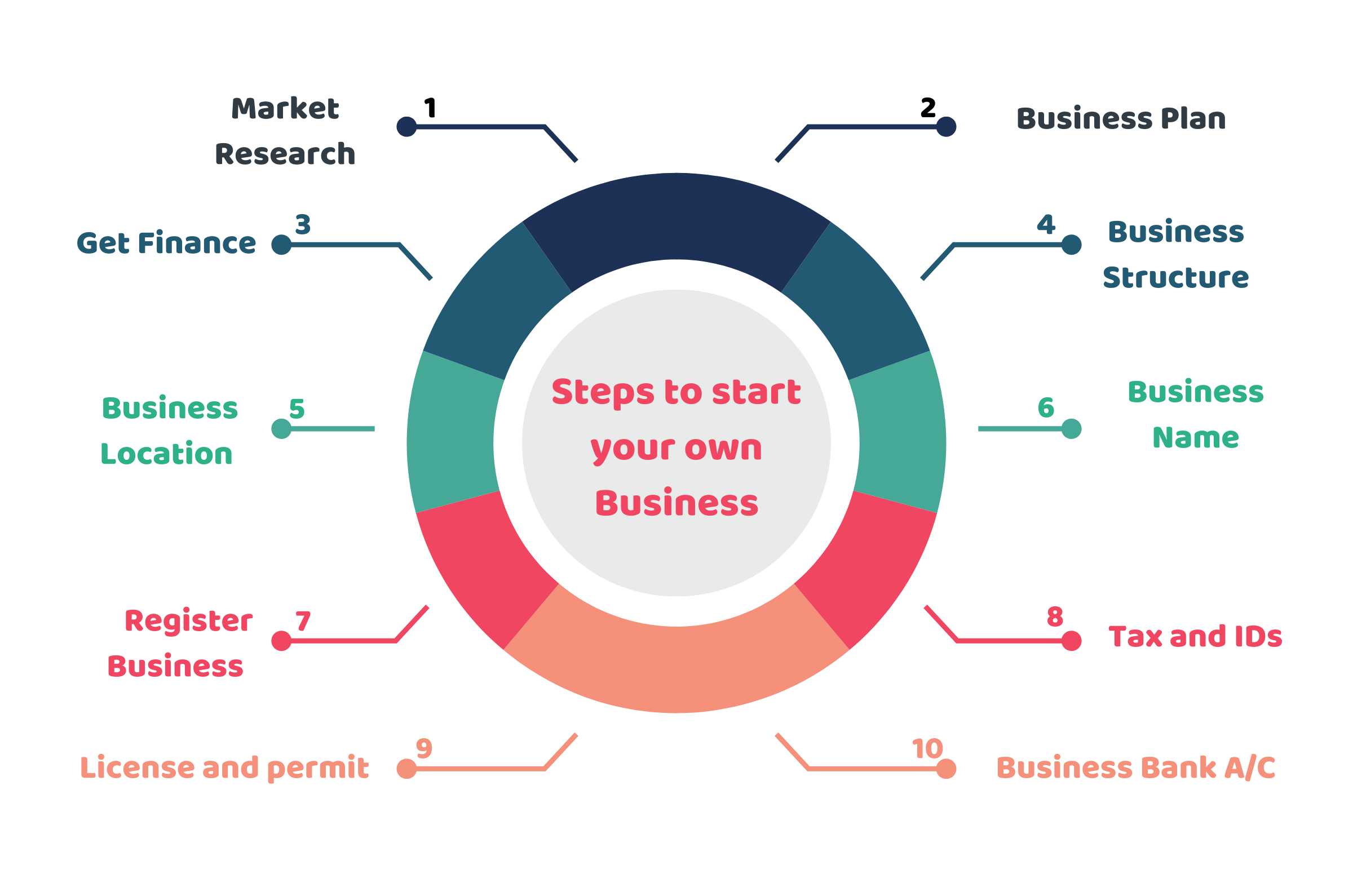
Many entrepreneurs view accounting and legal structures as “paperwork” to be handled later. However, the way you structure your business from day one has massive implications for your tax liability, personal asset protection, and future ability to raise capital or sell the company.
Choosing the Right Business Entity
From a financial perspective, the choice between an LLC, an S-Corp, or a C-Corp is about optimizing your tax “leakage.” For many small business owners in the United States, an LLC with an S-Corp election is a popular choice because it allows the owner to avoid double taxation and reduce self-employment taxes through a combination of salary and distributions.
Conversely, if your goal is to eventually go public or seek institutional VC funding, a Delaware C-Corp remains the gold standard due to its established legal precedents and investor-friendly structure. Consulting with a tax strategist before you file your articles of incorporation can save you tens of thousands of dollars in the first three years of operation.
Setting Up Your Banking and Accounting Ecosystem
Financial transparency is the hallmark of a professional business. The first rule of business finance is the total separation of personal and professional funds. Commingling funds not only creates an accounting nightmare but can also lead to “piercing the corporate veil,” potentially making you personally liable for business debts.
Invest in a robust cloud-based accounting system (like QuickBooks or Xero) from month one. Automate your bookkeeping by linking your business bank accounts and credit cards to these platforms. This provides you with a real-time “Profit and Loss” (P&L) statement, which is your primary dashboard for decision-making. If you don’t know your numbers, you don’t know your business.
4. Cash Flow Management and Growth Reinvestment
There is a common saying in finance: “Profit is an opinion, but cash is a fact.” Many businesses report a profit on their P&L while simultaneously running out of money in their bank account. This is the “Cash Flow Gap,” and managing it is the difference between survival and insolvency.
Managing Burn Rates and the Cash Conversion Cycle
The “Burn Rate” is the amount of cash your business spends each month in excess of its income. In the startup phase, your primary objective is to reach “Default Alive” status—the point where your current cash on hand and projected revenue allow you to reach profitability before you run out of capital.
To manage this, you must analyze your Cash Conversion Cycle (CCC). This is the time it takes for a dollar spent on inventory or labor to return to your bank account as revenue. If you pay your suppliers in 30 days but your customers don’t pay you for 60 days, you have a 30-day “gap” that must be financed. Reducing this cycle—either by negotiating better terms with vendors or requiring upfront payments from customers—dramatically improves your business’s financial health.
The Rule of 40 and Scalability
Once your business is stable, the focus shifts to reinvestment. How do you know when to hire more staff or increase your marketing budget? Financiers often look at the “Rule of 40,” a principle typically applied to SaaS businesses but relevant to many industries. It states that your growth rate plus your profit margin should equal at least 40%.
If you are growing at 30% and have a 10% profit margin, you are on a healthy trajectory. If you are growing at 80% but losing 40% in margins, you are scaling aggressively but must watch your “runway” carefully. Use your profits to invest in “High-Leverage Assets”—software, automated systems, or key personnel—that will allow you to increase output without a linear increase in costs. This is the definition of scalability.
Conclusion: The Discipline of Financial Sovereignty
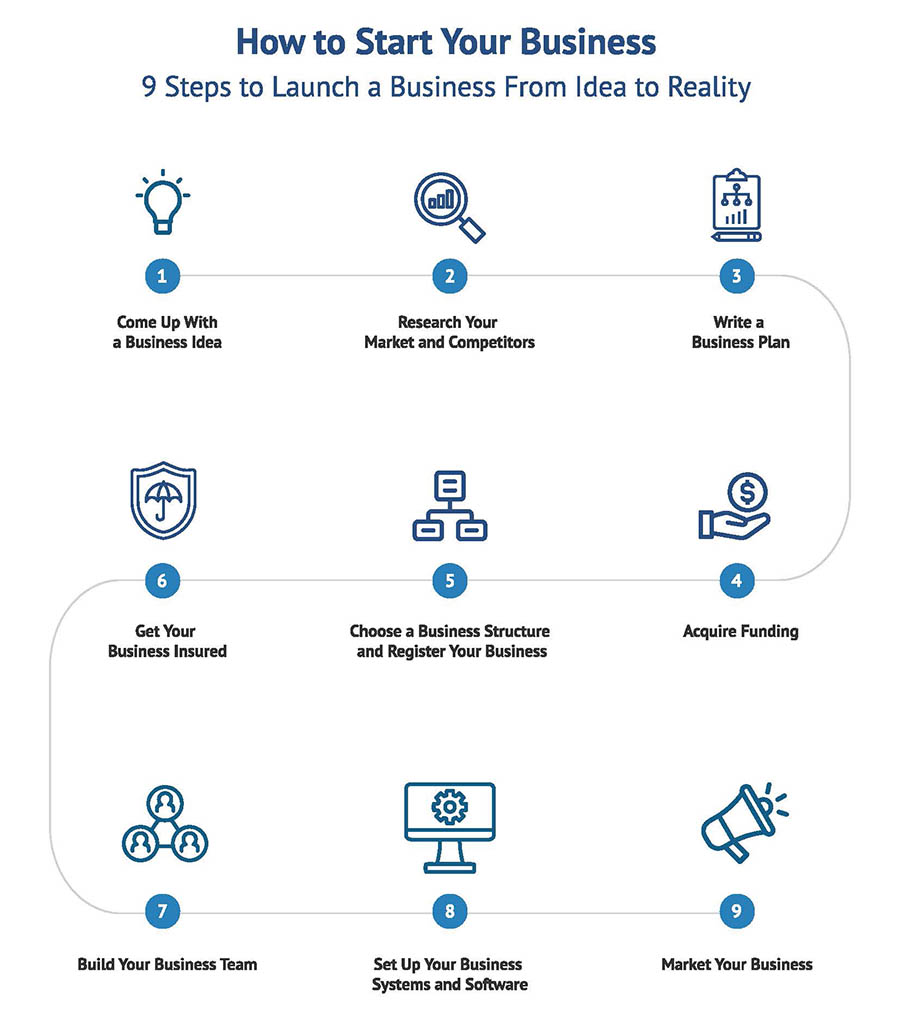
Starting your own business is the most effective path to financial independence, provided you treat the venture with the discipline it deserves. By focusing on capitalization, unit economics, infrastructure, and cash flow, you transition from being a “technician” who does the work to an “owner” who manages an asset.
Financial mastery in business isn’t about complex calculus; it is about the relentless monitoring of margins, the strategic allocation of capital, and the refusal to grow at the expense of stability. When you build your business on a foundation of fiscal responsibility, you aren’t just creating a job for yourself—you are building a wealth-generating engine that can sustain you, your employees, and your vision for years to come.
aViewFromTheCave is a participant in the Amazon Services LLC Associates Program, an affiliate advertising program designed to provide a means for sites to earn advertising fees by advertising and linking to Amazon.com. Amazon, the Amazon logo, AmazonSupply, and the AmazonSupply logo are trademarks of Amazon.com, Inc. or its affiliates. As an Amazon Associate we earn affiliate commissions from qualifying purchases.