
Starting a new business is an endeavor fraught with both immense potential and significant challenges. While passion, innovation, and market understanding are crucial, the bedrock upon which any successful venture is built is sound financial planning and astute money management. Ignoring the financial realities can quickly transform an exciting idea into a costly failure. This guide delves into the essential financial considerations and strategies every aspiring entrepreneur must master to navigate the complex journey from concept to sustainable profitability.
The Indispensable Role of Financial Planning
Before a single product is sold or a service rendered, the financial blueprint of your business must be meticulously drafted. This isn’t merely an administrative task; it’s a strategic exercise that defines your venture’s viability, sets its trajectory, and underpins every subsequent decision. Without a robust financial plan, you are essentially sailing without a compass, vulnerable to unexpected storms and unable to chart a course to success.
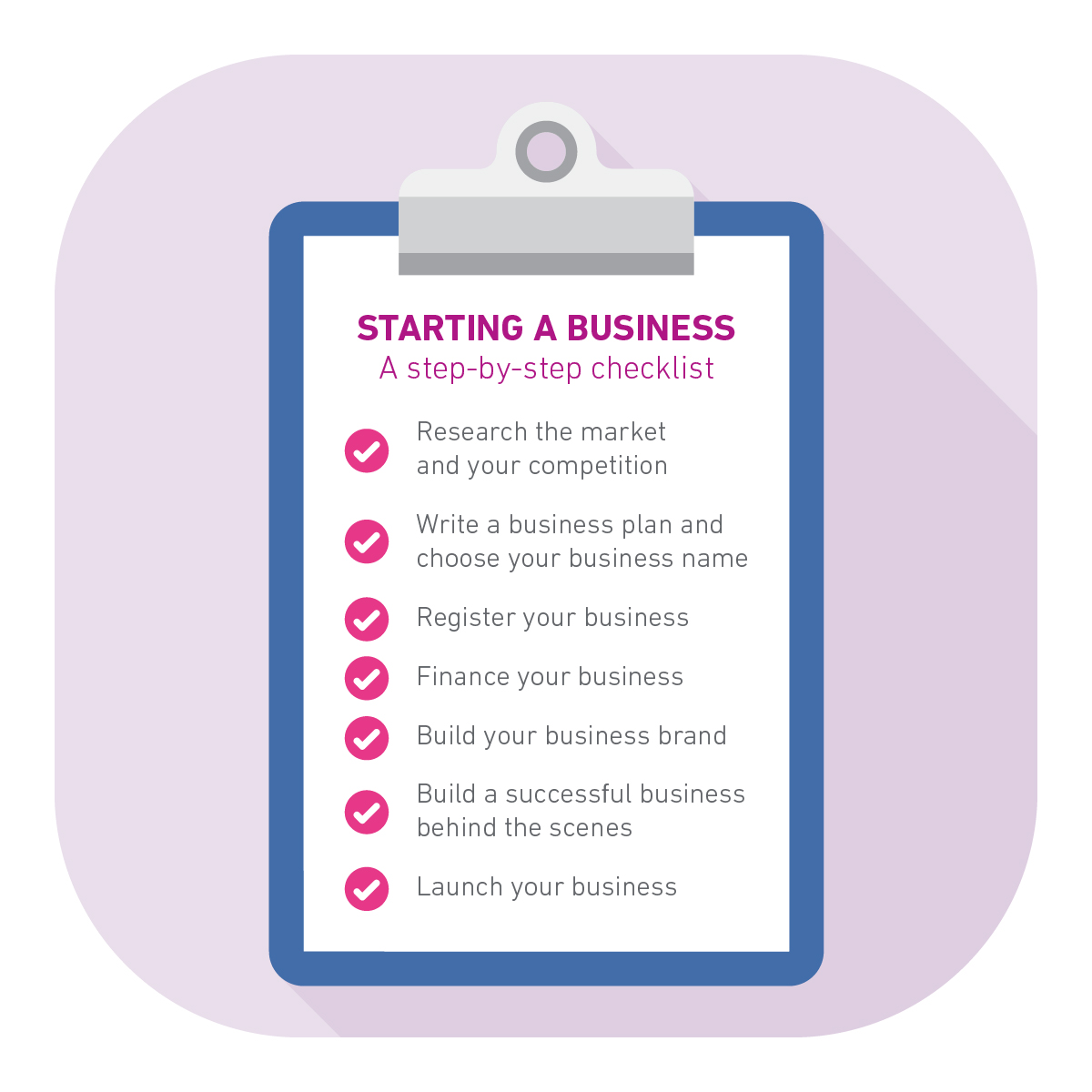
Crafting a Robust Business Plan with Financial Projections
At the heart of your startup journey lies the business plan, and its financial section is arguably the most critical component. This section must articulate your revenue model, expense structure, and projected profitability. It should include detailed financial statements:
- Income Statement (Profit & Loss): Projecting sales, cost of goods sold, operating expenses, and net profit over a 3-5 year period. This shows potential investors and lenders whether your business can generate a profit.
- Balance Sheet: Outlining assets, liabilities, and owner’s equity at specific points in time. This provides a snapshot of your company’s financial health and solvency.
- Cash Flow Statement: Forecasting the movement of cash in and out of your business. This is paramount because a profitable business can still fail if it runs out of cash. It helps identify potential cash shortfalls and allows for proactive management.
These projections shouldn’t be pulled from thin air. They should be based on thorough market research, competitor analysis, and realistic assumptions about pricing, sales volume, and operational costs. Sensitivity analysis – considering best-case, worst-case, and most likely scenarios – adds credibility and prepares you for various market conditions.
Understanding Startup Costs and Funding Requirements
One of the most common pitfalls for new businesses is underestimating startup costs. These are the one-time expenses incurred before your business officially opens its doors and begins generating revenue. Categorize them meticulously:
- Fixed Assets: Equipment, machinery, vehicles, office furniture, leasehold improvements.
- Initial Inventory: Stock to begin operations.
- Pre-Operating Expenses: Legal fees (business registration, permits, licenses), accounting setup, initial marketing and branding, website development, software subscriptions, initial rent deposits, utility hookups.
- Working Capital Buffer: Crucially, set aside funds to cover operating expenses for the first 3-6 months before your revenue streams become consistent. This buffer is often the difference between survival and early collapse.
Accurately tallying these costs will determine your total funding requirement. This figure is fundamental when approaching investors or lenders, demonstrating you have a clear understanding of the capital needed to launch and sustain operations until profitability.
The Importance of a Detailed Budget and Cash Flow Forecast
Beyond the initial startup costs, a comprehensive operational budget is essential. This ongoing document allocates financial resources across all business functions (marketing, sales, operations, administration, R&D) for a specific period, typically monthly or quarterly. It acts as a financial roadmap, guiding spending decisions and ensuring resources are utilized efficiently.
Complementing the budget is a dynamic cash flow forecast. Unlike profit, cash is king for day-to-day operations. The cash flow forecast predicts when cash will enter (from sales, investments) and leave (expenses, loan repayments) your business. It highlights potential periods of cash deficit, allowing you to proactively arrange for short-term financing, negotiate payment terms with suppliers, or accelerate collections from customers. Regular monitoring and updating of your budget and cash flow forecast are non-negotiable for maintaining financial health.
Securing Capital: Funding Your Venture
Once you’ve quantified your financial needs, the next critical step is to secure the necessary capital. This phase requires strategic thinking and often significant persistence, as different funding sources come with varying implications for ownership, control, and repayment obligations.
Bootstrapping and Personal Investment
Bootstrapping, or self-funding, is the most common way entrepreneurs start. It involves using personal savings, credit cards, or small loans from friends and family. The primary advantage is maintaining full ownership and control, avoiding debt obligations, and proving the business concept without external pressure. However, it limits the scale and speed of growth and places personal assets at risk. Many successful businesses began this way, demonstrating resourcefulness and a lean operational mindset.
Exploring Debt Financing: Loans and Lines of Credit
Debt financing involves borrowing money that must be repaid with interest.
- Small Business Loans: Offered by traditional banks, credit unions, and online lenders. They often require a solid business plan, collateral, and a good personal credit score. Government-backed loans (e.g., SBA loans in the US) can offer more favorable terms.
- Lines of Credit: Provide flexible access to funds up to a certain limit, which can be drawn upon as needed and repaid, similar to a credit card. This is ideal for managing short-term cash flow fluctuations.
The key benefit of debt financing is retaining full ownership. The downside is the obligation to make regular payments, regardless of your business’s current profitability.
Attracting Equity Investment: Angels and Venture Capital
Equity financing involves selling a percentage of your company to investors in exchange for capital.
- Angel Investors: High-net-worth individuals who invest their own money, often taking a hands-on mentorship role. They typically invest smaller amounts in early-stage startups.
- Venture Capital (VC) Firms: Professional investment firms that manage funds from institutional investors and high-net-worth individuals. They invest larger sums in high-growth potential companies, often in later stages, in exchange for significant equity and a board seat.
The advantage of equity funding is access to substantial capital without repayment obligations, along with invaluable expertise and networks. The trade-off is relinquishing a portion of ownership and control, and being accountable to investors for growth and returns.
Alternative Funding Sources: Grants and Crowdfunding
- Grants: Non-repayable funds provided by government agencies, foundations, or corporations, often for businesses operating in specific sectors (e.g., technology, social enterprise) or addressing particular challenges. Identifying and applying for grants can be a time-consuming process but offers “free” money.
- Crowdfunding: Raising small amounts of money from a large number of people, typically via online platforms.
- Reward-based crowdfunding: Pre-selling products or offering unique experiences in exchange for funding (e.g., Kickstarter, Indiegogo).
- Equity crowdfunding: Selling small equity stakes to individual investors (often retail investors) (e.g., SeedInvest, StartEngine).
Crowdfunding can be an excellent way to validate your product/market fit, build a community, and raise capital simultaneously, though it requires a compelling campaign and significant marketing effort.
Managing Your Business Finances from Day One
Securing capital is just the beginning. Effective financial management is an ongoing, daily discipline that determines your business’s ability to survive, grow, and thrive. This involves setting up robust systems, controlling expenditures, optimizing pricing, and constantly monitoring financial health.
Setting Up Your Financial Systems (Accounting Software)
From the outset, implement a reliable accounting system. Cloud-based accounting software like QuickBooks, Xero, or FreshBooks can automate many tasks, categorize transactions, generate financial reports, and integrate with banking and payment processing systems. This not only saves time but ensures accuracy and provides real-time insights into your financial position. Separate personal and business finances strictly from day one to avoid legal and tax complications.
Effective Expense Management and Cost Control
Every dollar spent should contribute to your business’s objectives. Implement a rigorous expense management strategy:
- Track Everything: Maintain detailed records of all expenses.
- Negotiate with Suppliers: Always seek competitive pricing and favorable payment terms.
- Review Recurring Costs: Regularly evaluate subscriptions, software, and services to eliminate unnecessary expenditures.
- Implement Budget Controls: Empower employees with spending limits and require approvals for significant purchases.
- Prioritize ROI: Ensure marketing spend, technology investments, and staffing decisions are yielding measurable returns. Lean operations are often the most financially resilient.
Pricing Strategies for Profitability
Your pricing strategy is a direct determinant of your revenue and profit margins. It’s a delicate balance:
- Cost-Plus Pricing: Adding a markup percentage to your cost of goods sold.
- Value-Based Pricing: Pricing based on the perceived value to the customer, rather than just production cost.
- Competitive Pricing: Setting prices relative to competitors, which requires thorough market analysis.
- Dynamic Pricing: Adjusting prices based on real-time market demand, inventory levels, or customer segments.
Consider the psychological aspects of pricing, market demand, competitor prices, and most importantly, your target profit margins. Regularly review and adjust your pricing as market conditions or costs change.
Monitoring Key Financial Metrics (KPIs)
To make informed decisions, you must continuously monitor key performance indicators (KPIs). These financial metrics provide early warnings of problems and highlight opportunities for improvement:
- Gross Profit Margin: (Revenue – Cost of Goods Sold) / Revenue. Indicates the profitability of your core products/services.
- Net Profit Margin: Net Profit / Revenue. Shows overall business profitability after all expenses.
- Cash Conversion Cycle: The time it takes for an investment in inventory and accounts receivable to be converted into cash. Shorter cycles are better.
- Burn Rate: The rate at which your business is spending cash, especially before becoming profitable. Crucial for understanding how long your current cash reserves will last.
- Customer Acquisition Cost (CAC): The total cost of sales and marketing divided by the number of new customers acquired.
- Customer Lifetime Value (CLTV): The predicted revenue a customer will generate over their relationship with your business.
Regularly review these and other relevant KPIs to identify trends, diagnose issues, and celebrate successes.
Navigating Legal and Financial Compliance
Operating a business involves a web of legal and financial obligations. Non-compliance can lead to hefty fines, legal battles, and reputational damage, all of which have severe financial repercussions. Proactive engagement with legal and financial professionals is an investment, not an expense.
Choosing the Right Business Structure (Tax Implications)
The legal structure you choose for your business (sole proprietorship, partnership, LLC, S-Corp, C-Corp) has profound implications for liability, taxation, and administrative burden.
- Sole Proprietorship/Partnership: Simpler to set up, but owners have unlimited personal liability.
- LLC (Limited Liability Company): Offers personal liability protection while maintaining pass-through taxation (profits/losses reported on personal tax returns).
- Corporation (S-Corp/C-Corp): Provides the strongest liability protection but involves more complex regulations and corporate tax structures. C-Corps face “double taxation” on profits and dividends.
Consult with an attorney and a tax advisor to select the structure that best aligns with your business goals, risk tolerance, and financial strategy.
Understanding Tax Obligations and Deductions
Taxes are an unavoidable part of doing business. Understanding your obligations is critical for financial planning:
- Federal, State, and Local Income Taxes: Based on your profits.
- Sales Tax: If you sell taxable goods or services, you must collect and remit sales tax.
- Payroll Taxes: If you have employees, you’ll be responsible for withholding and remitting federal and state payroll taxes (Social Security, Medicare, unemployment).
- Self-Employment Tax: For sole proprietors and partners, covering Social Security and Medicare.
Beyond obligations, understand eligible business deductions (e.g., office rent, equipment depreciation, marketing costs, professional fees) to legally minimize your taxable income. Keeping meticulous records is essential for tax preparation and potential audits.
Insurance: Protecting Your Financial Assets
Insurance is a critical financial safeguard, protecting your business from unforeseen events that could otherwise lead to devastating financial losses.
- General Liability Insurance: Covers claims of bodily injury or property damage caused by your business operations.
- Property Insurance: Protects your physical assets (buildings, equipment, inventory) from damage or theft.
- Professional Liability (E&O) Insurance: For service-based businesses, covering claims of negligence or errors in professional services.
- Workers’ Compensation Insurance: Mandatory in most places if you have employees, covering medical costs and lost wages for work-related injuries.
- Business Interruption Insurance: Replaces lost income and covers extra expenses if your business is forced to close temporarily due to a covered peril.
Assess your risks carefully and work with an insurance broker to secure adequate coverage, ensuring your financial stability is protected against various adversities.
Scaling for Sustainable Financial Growth
Once your business is established and generating revenue, the focus shifts to strategic growth. Scaling efficiently requires careful financial management to ensure expansion doesn’t outstrip cash flow or undermine profitability.
Reinvesting Profits for Expansion
Smart reinvestment of profits is a cornerstone of sustainable growth. Instead of immediately drawing out all profits, consider channeling a portion back into the business for:
- Product Development: Enhancing existing offerings or launching new ones.
- Market Expansion: Entering new geographical markets or customer segments.
- Technology Upgrades: Investing in automation, efficiency tools, or cutting-edge software.
- Talent Acquisition: Hiring key personnel to drive growth.
Strategic reinvestment, guided by your financial projections and growth objectives, ensures your business has the resources to capitalize on opportunities and build long-term value.
Managing Debt and Equity Dilution
As you scale, you may need additional funding. Carefully evaluate the implications of taking on more debt versus seeking further equity investment. Excessive debt can create a heavy repayment burden, especially during economic downturns. Repeated rounds of equity financing can lead to significant dilution of your ownership stake, reducing your control and share of future profits. A balanced approach, considering your business stage, growth rate, and market conditions, is crucial. Understand the true cost of capital for each option.

Exit Strategies and Valuation Considerations
While it might seem premature to think about exiting when you’re just starting, having a potential exit strategy in mind can inform your financial decisions from day one. Whether you envision selling the business, passing it on, or taking it public, understanding how your business will be valued impacts how you build its financial structure. Key factors influencing valuation include recurring revenue, profit margins, intellectual property, market share, and operational efficiency. Building a financially robust and attractive business from the outset maximizes your options and potential returns down the line.
Starting a new business is an exhilarating journey that demands much more than a brilliant idea. It requires a profound understanding of finance, from meticulous planning and securing capital to diligent management and strategic growth. By prioritizing financial prudence, setting up robust systems, and continuously monitoring your fiscal health, you lay a solid foundation for not just survival, but for achieving lasting success and realizing your entrepreneurial vision.
aViewFromTheCave is a participant in the Amazon Services LLC Associates Program, an affiliate advertising program designed to provide a means for sites to earn advertising fees by advertising and linking to Amazon.com. Amazon, the Amazon logo, AmazonSupply, and the AmazonSupply logo are trademarks of Amazon.com, Inc. or its affiliates. As an Amazon Associate we earn affiliate commissions from qualifying purchases.