
Embarking on the journey of stock trading can be both exhilarating and daunting. For many, the stock market represents a powerful engine for wealth creation, offering the potential to grow savings significantly faster than traditional methods. However, it’s a world that demands respect, knowledge, and discipline. Without a clear understanding of its mechanisms, risks, and strategies, new traders can quickly find themselves overwhelmed.
This comprehensive guide is designed to demystify the process, providing a structured roadmap for aspiring traders to confidently step into the world of stock trading. We’ll navigate the essential concepts, preparation steps, platform selection, strategy development, and crucial risk management principles necessary to build a solid foundation for your trading endeavors. Whether your goal is long-term investment, supplementary income, or simply a deeper engagement with financial markets, understanding these fundamentals is your first, most critical step.
Understanding the Fundamentals of Stock Trading
Before placing your first trade, it’s vital to grasp the core concepts that underpin the stock market. A strong theoretical foundation is the bedrock of intelligent trading decisions.
What is Stock Trading?
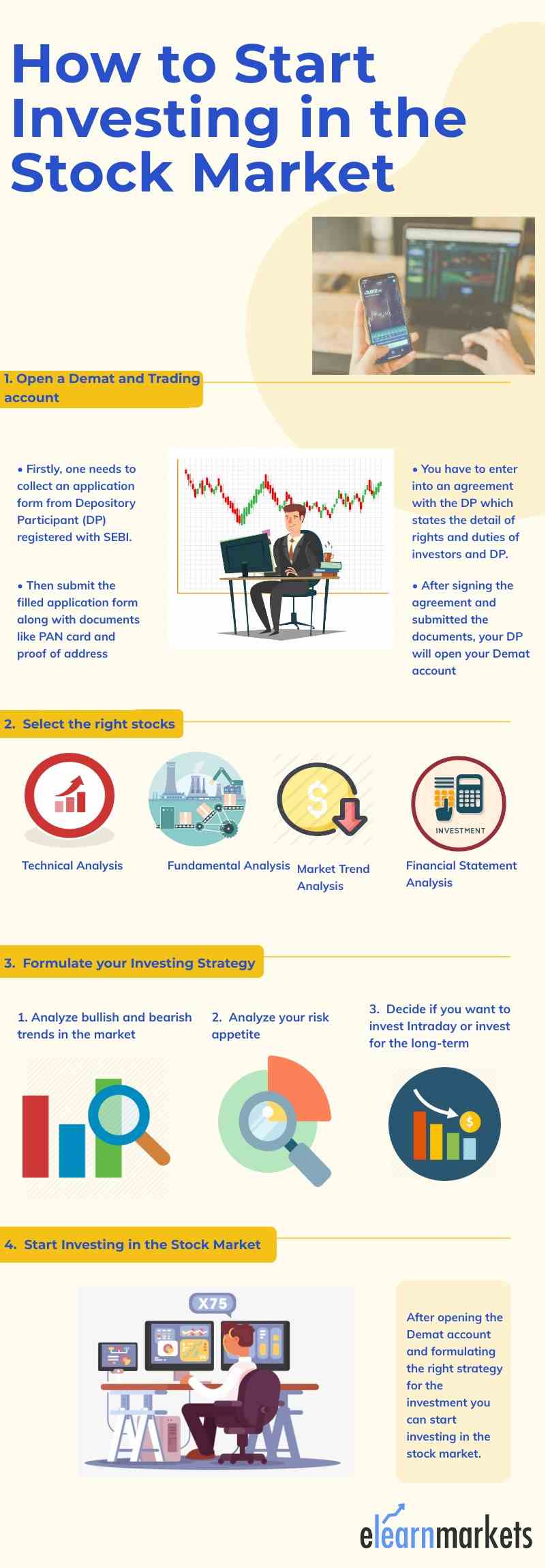
At its simplest, stock trading involves buying and selling shares of publicly listed companies on a stock exchange. When you buy a stock, you’re purchasing a small ownership stake in that company. The primary goal of stock trading is to profit from changes in a stock’s price. Traders aim to buy stocks at a lower price and sell them at a higher price, or, in more advanced strategies, to profit from declining prices through short selling. The dynamic interplay of supply and demand, influenced by company performance, economic indicators, industry trends, and global events, constantly shifts these prices. Unlike long-term investing, which often involves holding assets for years or decades, trading typically implies a shorter timeframe, ranging from minutes (day trading) to weeks or months (swing trading).
Stocks vs. Other Investments
While stocks are a popular investment vehicle, they are just one piece of a broader financial puzzle. It’s helpful to understand how they compare to other common investments:
- Bonds: Often considered less volatile than stocks, bonds are essentially loans made to governments or corporations, paying fixed interest over a specified period. They typically offer lower returns but also lower risk.
- Mutual Funds & ETFs (Exchange-Traded Funds): These are professionally managed portfolios that pool money from multiple investors to buy a diversified collection of stocks, bonds, or other assets. They offer diversification and professional management but come with management fees. ETFs are similar but trade like individual stocks on an exchange throughout the day.
- Real Estate: Investing in physical properties can offer rental income and appreciation, but it’s illiquid and often requires significant capital and management.
- Commodities: Gold, oil, agricultural products, etc., can be traded directly or via futures contracts. They are often used as inflation hedges but can be highly volatile.
Stocks offer the potential for significant capital appreciation, but this comes with higher risk, particularly if your portfolio is not diversified. Understanding your personal financial goals and risk tolerance will guide your choice of investment vehicles.
Key Terminology for Beginners
Navigating the stock market requires familiarity with its unique language. Here are some fundamental terms:
- Stock/Share: A unit of ownership in a company.
- Broker: An individual or firm that facilitates the buying and selling of stocks on behalf of clients.
- Exchange: A marketplace where stocks are bought and sold (e.g., NYSE, NASDAQ).
- Bid Price: The highest price a buyer is willing to pay for a stock.
- Ask Price (Offer Price): The lowest price a seller is willing to accept for a stock.
- Spread: The difference between the bid and ask price.
- Market Capitalization (Market Cap): The total value of a company’s outstanding shares (share price multiplied by the number of shares).
- Volatility: The degree of variation of a trading price series over time. High volatility means prices can change dramatically.
- Dividend: A portion of a company’s earnings paid out to shareholders, usually quarterly.
- Bull Market: A period of rising stock prices.
- Bear Market: A period of falling stock prices.
Preparing for Your Trading Journey
Successful trading isn’t just about understanding the market; it’s equally about understanding yourself and your financial situation. Careful preparation can save you from costly mistakes down the line.
Setting Clear Financial Goals
Before you even consider placing a trade, define what you hope to achieve. Are you looking for aggressive capital growth, a modest supplement to your income, or a long-term strategy for retirement?
- Short-term Goals: Aiming for quick profits (e.g., day trading, swing trading). These strategies are high-risk and demand significant time and expertise.
- Long-term Goals: Investing for several years or decades (e.g., retirement, saving for a major purchase). This often involves holding well-established companies and benefiting from compounding returns.
- Specific Targets: Define concrete objectives, such as “I want to grow my capital by 10% annually” or “I want to generate $500 per month in trading income.” Clear goals provide direction and help measure progress.
Assessing Your Risk Tolerance
The stock market carries inherent risks, and losing money is always a possibility. Your risk tolerance is your ability and willingness to endure potential losses in exchange for higher potential returns.
- Capital at Risk: Only trade with money you can truly afford to lose without impacting your financial stability or daily life. This is often referred to as “risk capital.”
- Emotional Preparedness: Trading can be an emotional rollercoaster. Can you handle significant price drops without panic selling? Can you stick to your plan even when others are fearful or greedy? Honest self-assessment here is crucial.
- Lifestyle Impact: Consider how potential losses might affect your lifestyle, mental health, and relationships. Trading under duress often leads to poor decisions.
Building a Foundation of Knowledge
Ignorance is not bliss in stock trading; it’s a recipe for financial setbacks. Dedicate time to continuous learning.
- Books and Courses: Invest in reputable books on fundamental analysis, technical analysis, trading psychology, and risk management. Consider online courses from recognized financial educators.
- Reputable Websites & News: Follow trusted financial news sources (e.g., Wall Street Journal, Bloomberg, Financial Times) and educational websites. Be wary of get-rich-quick schemes.
- Financial Professionals: While not necessary for self-directed trading, a financial advisor can help clarify your overall financial plan.
Starting with a Budget and Investment Capital
Sound financial management is non-negotiable. Ensure your personal finances are in order before allocating funds to trading.
- Emergency Fund First: Before risking money in the stock market, ensure you have a robust emergency fund (3-6 months of living expenses) in a liquid, easily accessible account.
- Eliminate High-Interest Debt: Prioritize paying off high-interest credit card debt or personal loans, as the guaranteed savings often outweigh potential trading returns.
- Define Your Trading Capital: Once your finances are secure, determine a specific amount of money you can allocate to trading – remembering this is money you can afford to lose. Start small; you don’t need a large sum to begin.
Choosing the Right Trading Platform and Broker
Your broker and trading platform are your gateways to the market. Selecting the right one is a critical decision that impacts your trading experience, costs, and access to tools.
Types of Brokers
- Full-Service Brokers: Offer comprehensive services including financial advice, portfolio management, research, and estate planning. They come with higher fees and commissions but are ideal for those who prefer a hands-off approach or extensive guidance.
- Discount Brokers: Focus on executing trades at lower commissions, offering self-directed investors access to trading platforms, basic research tools, and customer support. This category is generally the most suitable for new traders learning the ropes.
- Robo-Advisors: Automated, algorithm-driven financial planners that manage portfolios based on your risk tolerance and goals. They are cost-effective for passive investing but not for active trading.
For beginners, a discount broker is usually the best starting point due to lower costs and direct control over your trades.
Key Factors When Selecting a Broker
When evaluating discount brokers, consider these crucial aspects:
- Fees and Commissions: Compare trading commissions (many now offer commission-free stock and ETF trading), account maintenance fees, inactivity fees, and fees for fund transfers. Hidden fees can erode profits.
- Platform Features & User Experience: Is the trading platform intuitive and easy to navigate? Does it offer real-time data, customizable charts, and analytical tools? Look for a platform that aligns with your technical comfort level.
- Research Tools: Access to fundamental data (financial statements), technical indicators, news feeds, and analyst reports can be invaluable for making informed decisions.
- Customer Support: Responsive and knowledgeable customer service is essential, especially when you’re starting out and may have questions about the platform or trade execution.
- Regulation and Security: Ensure the broker is regulated by relevant authorities (e.g., SEC and FINRA in the U.S.) and offers strong security measures for your account and data.
- Account Minimums: Some brokers require a minimum deposit to open an account. Choose one that fits your initial investment capital.
Understanding Different Account Types
- Cash Account: Requires you to pay for all stock purchases in full with cleared funds. This is the recommended starting point for beginners, as it prevents you from trading with borrowed money.
- Margin Account: Allows you to borrow money from the broker to buy additional securities, amplifying both potential gains and losses. This significantly increases risk and is generally not advisable for novice traders.
Practicing with a Demo Account
Before committing real money, utilize a broker’s demo account, also known as paper trading or a simulated trading account. This allows you to:
- Familiarize yourself with the trading platform.
- Test out different trading strategies without financial risk.
- Experience market dynamics and the emotional responses they evoke.
- Build confidence in your decision-making process.
Treat your demo account seriously, as if it were real money, to get the most valuable learning experience.
Developing Your Trading Strategy
A trading strategy is your detailed plan for identifying opportunities, entering and exiting trades, and managing risk. Without a coherent strategy, trading becomes mere speculation.
Fundamental Analysis vs. Technical Analysis
These are the two primary approaches to analyzing stocks:
- Fundamental Analysis: Involves evaluating a company’s intrinsic value by examining its financial statements (income statement, balance sheet, cash flow statement), management, industry, competitive landscape, and economic outlook. The goal is to identify undervalued companies that are likely to appreciate over time. This approach is often favored by long-term investors.
- Technical Analysis: Involves studying historical price charts and volume data to identify patterns and predict future price movements. Technical analysts believe all relevant information is already reflected in the stock’s price, and patterns tend to repeat. Tools include moving averages, Bollinger Bands, RSI, and MACD. This approach is more common among short-term traders.
Many successful traders combine elements of both fundamental and technical analysis, using fundamentals to select promising companies and technicals to time entry and exit points.
Common Trading Styles
Your chosen trading style will depend on your personality, time commitment, and risk tolerance:
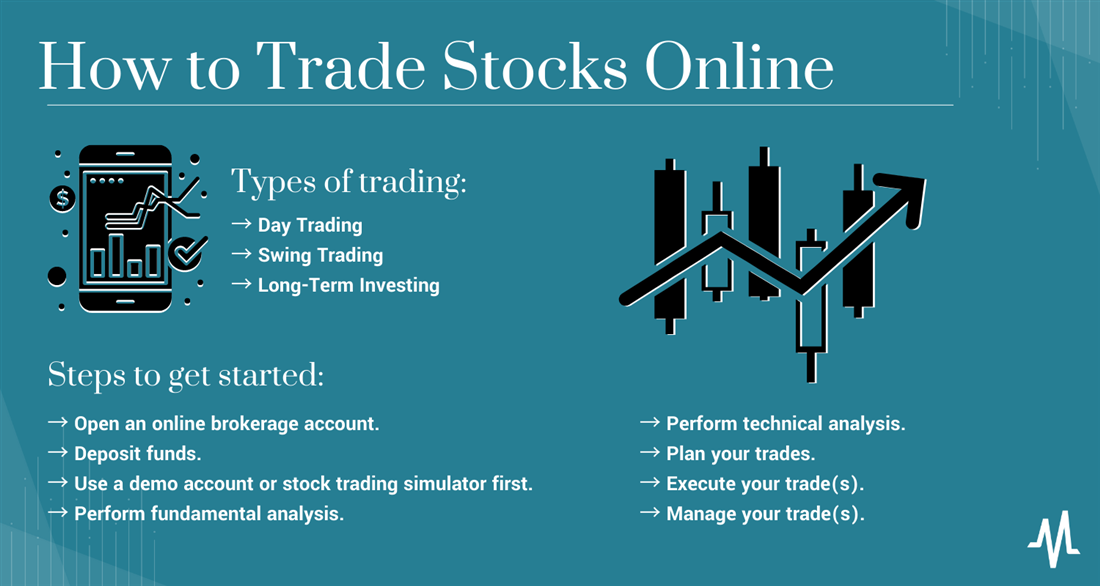
- Day Trading: Buying and selling stocks within the same trading day, closing all positions before the market closes. Extremely high-risk and requires intense focus and rapid decision-making.
- Swing Trading: Holding stocks for a few days to several weeks to profit from short-to-medium term price swings. Requires less continuous monitoring than day trading but still active management.
- Long-Term Investing: Holding stocks for months, years, or even decades, focusing on a company’s growth potential and compounding returns. This is generally the most beginner-friendly and less stressful approach.
For beginners, starting with a long-term investment approach or conservative swing trading is highly recommended to learn market dynamics without the immense pressure of day trading.
Crafting a Personalized Trading Plan
A trading plan is a written document outlining your specific rules and guidelines for every trade. It helps eliminate emotional decision-making.
- Entry Criteria: Under what specific conditions will you buy a stock? (e.g., “Company A’s earnings beat estimates and stock price breaks above its 200-day moving average”).
- Exit Criteria (Take Profit): At what point will you sell to secure profits? (e.g., “Sell if stock gains 15%”).
- Stop-Loss Orders: The predetermined price at which you will sell a stock to limit potential losses (e.g., “Sell if stock falls 8% below purchase price”). This is a crucial risk management tool.
- Position Sizing: How much capital will you allocate to each trade? (e.g., “Never risk more than 1-2% of total trading capital on any single trade”).
- Market Conditions: How will you adjust your strategy based on overall market sentiment (bullish, bearish, volatile)?
The Role of Research and Due Diligence
Effective research is the cornerstone of informed trading decisions.
- Company Financials: Understand key metrics like revenue, earnings per share (EPS), price-to-earnings (P/E) ratio, debt-to-equity ratio, and cash flow.
- Industry Trends: Analyze the sector in which a company operates. Is it growing, stagnant, or in decline? Who are the competitors?
- News and Events: Stay abreast of company-specific news (product launches, mergers, acquisitions, lawsuits) and broader economic news (interest rate changes, inflation reports, geopolitical events) that can impact stock prices.
- Analyst Reports: While not gospel, professional analyst reports can offer valuable insights and different perspectives.
Managing Risk and Emotions in Trading
Even the best strategies can fail without robust risk management and emotional discipline. These are perhaps the most critical aspects of long-term trading success.
Implementing Risk Management Techniques
Protecting your capital is paramount.
- Diversification: Don’t put all your eggs in one basket. Spread your investments across different stocks, industries, and asset classes to mitigate company-specific or sector-specific risks.
- Stop-Loss Orders: Always use stop-loss orders. These automatically sell your stock if it falls to a predetermined price, limiting your potential loss on a single trade. It’s a non-negotiable safety net.
- Position Sizing: Carefully determine how much capital you allocate to each trade. A common rule of thumb is to risk no more than 1-2% of your total trading capital on any single trade. This means if you have $10,000, you shouldn’t lose more than $100-$200 on one trade.
- Risk-Reward Ratio: Before entering a trade, evaluate the potential profit versus the potential loss. Aim for trades where the potential reward is significantly greater than the potential risk (e.g., a 2:1 or 3:1 risk-reward ratio).
The Psychology of Trading
Emotions are often the biggest enemy of a trader.
- Overcoming Fear and Greed: Fear can lead to selling winning stocks too early or holding losing stocks too long. Greed can lead to overtrading, taking excessive risks, or refusing to take profits. Adhere to your trading plan to counteract these powerful emotions.
- Discipline: Stick to your plan rigorously. Avoid impulsive decisions based on “gut feelings” or market hype.
- Avoiding Emotional Decisions: Don’t trade when you’re feeling stressed, angry, or overly confident. Take breaks, review your strategy, and maintain a calm, rational mindset.
- Accepting Losses: Losses are an inevitable part of trading. The ability to accept small losses and move on, rather than letting them snowball, is a hallmark of successful traders.

Continuous Learning and Adaptation
The market is constantly evolving, and so should your approach.
- Market Changes: Economic conditions, geopolitical landscapes, and technological advancements continually reshape the market. Stay informed and be prepared to adapt your strategies.
- Strategy Adjustments: Regularly review your trading performance. What’s working? What’s not? Be willing to refine or even overhaul your strategy based on objective data, not stubbornness.
- Post-Trade Analysis: After each trade, win or lose, analyze what happened. Why did you enter? Was your exit timely? What lessons can be learned? Maintain a trading journal to track these insights.
In conclusion, embarking on stock trading is a journey that requires significant dedication, continuous learning, and unwavering discipline. By understanding the fundamentals, meticulously preparing your financial and mental landscape, selecting appropriate tools, developing a robust strategy, and most importantly, mastering risk and emotional management, you can build a solid foundation for navigating the complexities of the stock market. Remember, there are no shortcuts to sustainable success; patience, perseverance, and a commitment to lifelong learning are your greatest assets.
aViewFromTheCave is a participant in the Amazon Services LLC Associates Program, an affiliate advertising program designed to provide a means for sites to earn advertising fees by advertising and linking to Amazon.com. Amazon, the Amazon logo, AmazonSupply, and the AmazonSupply logo are trademarks of Amazon.com, Inc. or its affiliates. As an Amazon Associate we earn affiliate commissions from qualifying purchases.