
Starting an online business has never been more accessible, and Shopify stands out as a leading platform for entrepreneurs worldwide. While the allure of setting up an e-commerce store can be exciting, the true foundation of a sustainable and successful venture lies not just in a great product or eye-catching design, but in meticulous financial planning and management. This article will guide you through the process of launching your Shopify business with a sharp focus on the monetary aspects, ensuring that every decision you make contributes to long-term profitability and financial stability.
Laying the Financial Foundation: Pre-Launch Planning
Before a single product is listed or a marketing campaign conceived, the financial groundwork for your Shopify business must be meticulously laid. This initial phase is critical for defining your path to profitability and understanding the capital required to get off the ground.
Identifying Your Profitable Niche and Product Selection
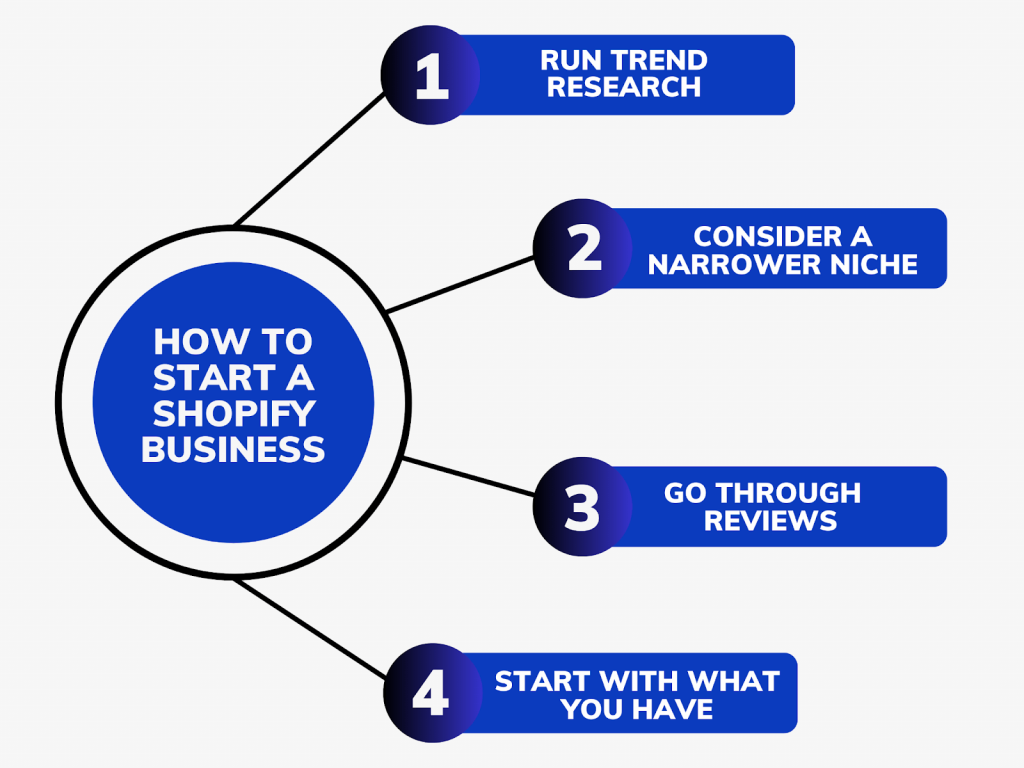
The first financial decision you make is often the most impactful: what to sell. A profitable niche is one where there’s sufficient market demand, a clear target audience, and ideally, healthy profit margins. Begin by researching product ideas, analyzing trends, and assessing the competitive landscape. Consider factors like:
-
Demand vs. Supply: Is there a gap in the market? Can you offer something unique or better than existing solutions? Tools like Google Trends, Shopify’s Burst, or product research platforms can provide valuable insights.
-
Product Cost and Sourcing: Understand the cost of goods sold (COGS) for various products. Dropshipping offers low upfront inventory costs but often higher per-item costs and lower margins. Wholesale purchasing requires more upfront capital but can lead to better margins. Print-on-demand eliminates inventory risk entirely. Your choice directly impacts your required capital and potential profit.
-
Pricing Potential: Can you price your product competitively while still ensuring a healthy profit margin after accounting for COGS, shipping, marketing, and Shopify fees? Value-based pricing, cost-plus pricing, and competitive pricing are strategies to consider, all of which hinge on a deep understanding of your financial objectives.
-
Shipping and Logistics: Factor in the cost of shipping, both to you from suppliers and from you to customers. These costs can significantly erode profits if not managed carefully.
By focusing on these financial parameters from the outset, you position your business for monetary success rather than merely chasing popular trends.
Budgeting Your Startup Costs and Initial Investment
Every business requires an initial investment, and a Shopify store is no exception. A detailed budget is crucial to understand how much capital you need and where it will be allocated. Key startup costs typically include:
-
Shopify Subscription: Choose a plan that fits your current needs, but be aware of the costs as you scale.
-
Domain Name: An essential, low-cost investment for branding.
-
Premium Theme (Optional): While free themes exist, a paid theme can offer enhanced functionality and design, potentially improving conversion rates.
-
Product Inventory: This can be a significant upfront cost, depending on your sourcing model.
-
Photography/Videography: High-quality visuals are crucial for sales. Budget for professional services or equipment.
-
Marketing and Advertising: Initial ad spend to drive traffic to your new store.
-
Legal Fees: Business registration, intellectual property, and compliance can incur costs.
-
App Subscriptions: Many Shopify apps enhance functionality but often come with monthly fees.
-
Payment Processor Fees: These are ongoing, transaction-based costs that need to be factored into your pricing.
Once you have a clear picture of your startup costs, you can assess your funding options. Will you use personal savings, seek a small business loan, or attract angel investors? Each option has different implications for interest rates, equity, and repayment schedules, all of which directly impact your business’s financial health.
Crafting a Financial Business Plan with Projections
A comprehensive business plan, with a strong financial section, is your roadmap to success. It forces you to think through every aspect of your business and provides a solid framework for decision-making. Key financial components include:
-
Sales Forecasts: Based on market research, estimate your potential sales volume and revenue over 1-3 years. Be realistic and consider different scenarios (best-case, worst-case, realistic).
-
Expense Tracking: Detail all anticipated operating expenses, both fixed (Shopify plan, app subscriptions) and variable (COGS, marketing spend, shipping).
-
Profit and Loss (P&L) Statement: Project your revenue minus your expenses to estimate your net profit.
-
Cash Flow Projections: This is critical. It shows when money comes in and when it goes out, helping you anticipate potential shortfalls and manage liquidity.
-
Break-Even Analysis: Determine how many units you need to sell or how much revenue you need to generate to cover all your costs. This is a crucial benchmark.
-
Funding Requirements: Clearly outline how much capital you need and how it will be used, especially if you’re seeking external funding.
A robust financial business plan not only guides your own actions but also serves as a persuasive document for potential investors or lenders, demonstrating your understanding of your venture’s economic viability.
Building for Profit: Setting Up Your Shopify Store
With your financial foundation laid, the next step involves configuring your Shopify store itself, always with an eye on optimizing costs and maximizing revenue potential.
Selecting the Right Shopify Plan and Understanding Fees
Shopify offers various pricing plans, each with different features, monthly costs, and, crucially, transaction fees.
-
Basic Shopify: Good for beginners, with a lower monthly fee but a slightly higher transaction fee if not using Shopify Payments.
-
Shopify: The most popular plan, offering more features and lower transaction fees.
-
Advanced Shopify: For larger businesses requiring advanced reporting and lower transaction fees.
Beyond the monthly subscription, understand the transaction fees. If you use Shopify Payments, Shopify charges 0% transaction fees. If you use a third-party payment gateway (e.g., PayPal, Stripe directly), Shopify adds a transaction fee (2.0% on Basic, 1.0% on Shopify, 0.5% on Advanced), in addition to the payment processor’s own fees. These fees directly impact your profit margins, so choosing the right plan and payment solution is a significant financial decision.
Optimizing Product Sourcing and Inventory Costs
The way you manage your products and inventory profoundly impacts your cash flow and profitability.
-
Dropshipping: This model eliminates the need for upfront inventory investment. You only purchase a product from a third-party supplier once a customer places an order. While reducing financial risk, it often leads to lower profit margins per sale and less control over product quality and shipping.
-
Wholesale/Bulk Purchasing: Buying products in larger quantities directly from manufacturers or wholesalers typically yields better per-unit costs, leading to higher profit margins. However, it requires a substantial upfront capital investment in inventory and introduces the risk of unsold stock. Careful forecasting and inventory management are critical to avoid tying up excessive capital in goods.
-
Print-on-Demand (POD): Similar to dropshipping, POD services allow you to sell custom-designed products (T-shirts, mugs, etc.) without holding inventory. The product is created and shipped only after an order is placed. This is a cost-effective way to offer unique items, with the main costs being design time and the per-item production cost.
-
Manufacturing Your Own Products: This offers the highest control over quality and branding but demands significant investment in production, materials, and labor.
Regardless of the model, establish clear terms with your suppliers regarding pricing, minimum order quantities (MOQs), shipping costs, and return policies. These details directly affect your financial health.
Implementing Strategic Pricing and Payment Gateways
Effective pricing is a delicate balance between covering your costs, generating profit, and remaining competitive.
-
Cost-Plus Pricing: Adding a fixed percentage markup to your product’s cost. Simple but might not reflect market value.
-
Value-Based Pricing: Pricing based on the perceived value to the customer, often allowing for higher margins.
-
Competitive Pricing: Setting prices in line with or slightly below competitors.
Consider offering various payment options (credit cards, PayPal, Apple Pay, Google Pay) through Shopify Payments or other trusted gateways. While offering more choice can boost conversions, be mindful of the transaction fees associated with each processor. Understand the payout schedules – how long it takes for funds to reach your bank account – as this directly impacts your cash flow. Integrating financial apps for tax calculation and currency conversion can also streamline operations and prevent financial surprises.
Driving Revenue: Marketing and Sales Strategies
Even the most meticulously planned store needs customers. Your marketing and sales strategies are the engines of revenue generation, and every dollar spent here must be justified by a positive return on investment (ROI).
Allocating Marketing Budgets for Maximum ROI
Marketing is an investment, not just an expense. Your budget should be strategically allocated across channels that offer the best return.
-
Paid Advertising: Platforms like Facebook Ads, Instagram Ads, and Google Ads can quickly drive targeted traffic. Start with a small budget, test different ad creatives and audiences, and scale what works. Constantly monitor your Customer Acquisition Cost (CAC) – the cost to acquire one customer – and compare it to your Customer Lifetime Value (CLTV) to ensure profitability.
-
Search Engine Optimization (SEO): Investing in SEO (optimizing your product descriptions, blog content, and site structure) helps your store rank higher in organic search results, providing free, sustained traffic over time. This is a long-term investment that reduces reliance on paid ads.
-
Email Marketing: Building an email list allows you to nurture leads, announce promotions, and re-engage customers at a very low cost per engagement. Your email list is a valuable asset that directly contributes to repeat purchases and higher CLTV.
-
Content Marketing: Creating valuable blog posts, videos, or guides related to your products can attract an audience and position your brand as an authority, indirectly leading to sales.
Regularly review the performance of your marketing channels. Cut ineffective campaigns and reallocate budgets to those generating the highest ROI.
Analyzing Key Financial Performance Indicators (KPIs)
To understand if your marketing and sales efforts are financially viable, you must track specific KPIs:
-
Conversion Rate: The percentage of visitors who make a purchase. A low conversion rate means you’re spending money on traffic that isn’t converting into sales.
-
Average Order Value (AOV): The average amount spent per customer order. Strategies like upselling, cross-selling, and bundle offers can increase AOV, directly boosting revenue per transaction.
-
Customer Acquisition Cost (CAC): As mentioned, how much it costs to gain a new customer.
-
Customer Lifetime Value (CLTV): The total revenue you expect to generate from a customer over their relationship with your brand. Aim for CLTV to be significantly higher than CAC for a profitable business model.
-
Gross Profit Margin: The percentage of revenue left after deducting the cost of goods sold.
-
Return on Ad Spend (ROAS): How much revenue your advertising generates for every dollar spent.
These metrics provide a clear picture of your store’s financial health and guide adjustments to your sales funnels and marketing strategies.
Developing Effective Sales Funnels and Conversion Tactics
Your store’s design and the customer journey are critical for converting visitors into paying customers.
-
Compelling Product Descriptions and Imagery: High-quality visuals and persuasive copy can justify pricing and drive impulse purchases.
-
Clear Calls to Action (CTAs): Guide customers through the buying process efficiently.
-
Streamlined Checkout Process: Minimize friction to reduce cart abandonment.
-
Trust Signals: Display customer reviews, security badges, and clear return policies to build confidence.
-
Promotions and Discounts: Strategically offer discounts, but ensure they don’t eat too heavily into your profit margins. Use them to drive urgency, clear old stock, or reward loyal customers.
Every element of your sales funnel should be designed to improve conversion rates and increase the average value of each transaction, directly boosting your bottom line.
Sustaining Growth: Post-Launch Financial Management
Launching your store is just the beginning. Ongoing financial discipline and strategic management are paramount for sustained growth and profitability.
Implementing Robust Bookkeeping and Expense Tracking Systems
Once your Shopify store is live and generating sales, meticulous bookkeeping becomes non-negotiable.
-
Track All Income and Expenses: Categorize every transaction, from sales revenue to Shopify fees, marketing spend, product costs, shipping, and app subscriptions.
-
Use Accounting Software: Integrate your Shopify store with accounting software like QuickBooks, Xero, or FreshBooks. These tools automate data entry, generate financial reports, and simplify tax preparation.
-
Regular Reconciliation: Periodically compare your bank statements with your accounting records to ensure accuracy.
Accurate financial records are essential not only for understanding your current financial position but also for making informed business decisions, managing cash flow effectively, and complying with tax regulations.
Managing Cash Flow and Reinvesting for Scale
Cash flow is the lifeblood of any business. Even a profitable business can fail if it runs out of cash.
-
Monitor Cash Inflows and Outflows: Understand your typical sales cycles and expense schedules.
-
Maintain a Cash Reserve: Aim to keep enough cash on hand to cover a few months of operating expenses.
-
Optimize Inventory Levels: Avoid overstocking, which ties up capital, and understocking, which can lead to lost sales. Just-in-time inventory can be an effective strategy if your supply chain is reliable.
-
Reinvest Profits Strategically: As your business becomes profitable, decide where to reinvest. This could be in more inventory, enhanced marketing campaigns, new product development, or improving customer service. Smart reinvestment fuels sustainable growth, while frivolous spending can deplete your reserves.
-
Monitor Profitability Margins: Continuously analyze your gross and net profit margins. Identify areas where costs can be reduced without compromising quality or customer experience.
Effective cash flow management ensures your business remains liquid and has the financial capacity to seize opportunities and weather challenges.

Understanding Tax Obligations and Legal Compliance
Financial health also means being compliant. Tax obligations can be complex and vary by region and sales volume.
-
Sales Tax: Understand your nexus (where you are required to collect sales tax) and the varying rates. Shopify offers tools to help with sales tax calculation, but ultimately, it’s your responsibility to remit it correctly.
-
Income Tax: Your business’s profits will be subject to income tax. The structure of your business (sole proprietorship, LLC, corporation) will dictate how these taxes are filed.
-
Other Business Taxes: Depending on your location and industry, there may be other local or state taxes, licenses, or permits required.
-
Legal Entity: Register your business appropriately. This not only offers legal protection but also impacts your tax structure.
Consulting with an accountant or tax professional specializing in e-commerce is highly recommended. Proactive tax planning and compliance prevent costly penalties and ensure your business operates within legal frameworks, securing its financial future.
Starting a Shopify business is an entrepreneurial journey that blends passion with pragmatism. By adopting a financially savvy approach from the initial niche selection to ongoing cash flow management, you equip your venture with the resilience and structure needed to thrive in the competitive e-commerce landscape. Focus on profitability, manage your money wisely, and build a business that not only sells products but also generates lasting financial success.
aViewFromTheCave is a participant in the Amazon Services LLC Associates Program, an affiliate advertising program designed to provide a means for sites to earn advertising fees by advertising and linking to Amazon.com. Amazon, the Amazon logo, AmazonSupply, and the AmazonSupply logo are trademarks of Amazon.com, Inc. or its affiliates. As an Amazon Associate we earn affiliate commissions from qualifying purchases.