
The transition from a saver to an investor is one of the most significant milestones in a person’s financial journey. While saving money is an essential practice for short-term security, investing in the stock market is the primary engine for long-term wealth creation. Historically, the stock market has provided an average annual return of approximately 10% before inflation, outperforming traditional savings accounts and bonds over long horizons. However, for the uninitiated, the stock market can appear as a complex labyrinth of jargon, volatility, and risk.
Starting your investment journey does not require a degree in finance or millions of dollars in capital. With the advent of fractional shares, commission-free trading, and robust educational resources, the barrier to entry has never been lower. This guide provides a strategic roadmap for the aspiring investor, focusing on the fundamental principles of the “Money” niche: capital preservation, risk management, and consistent growth.
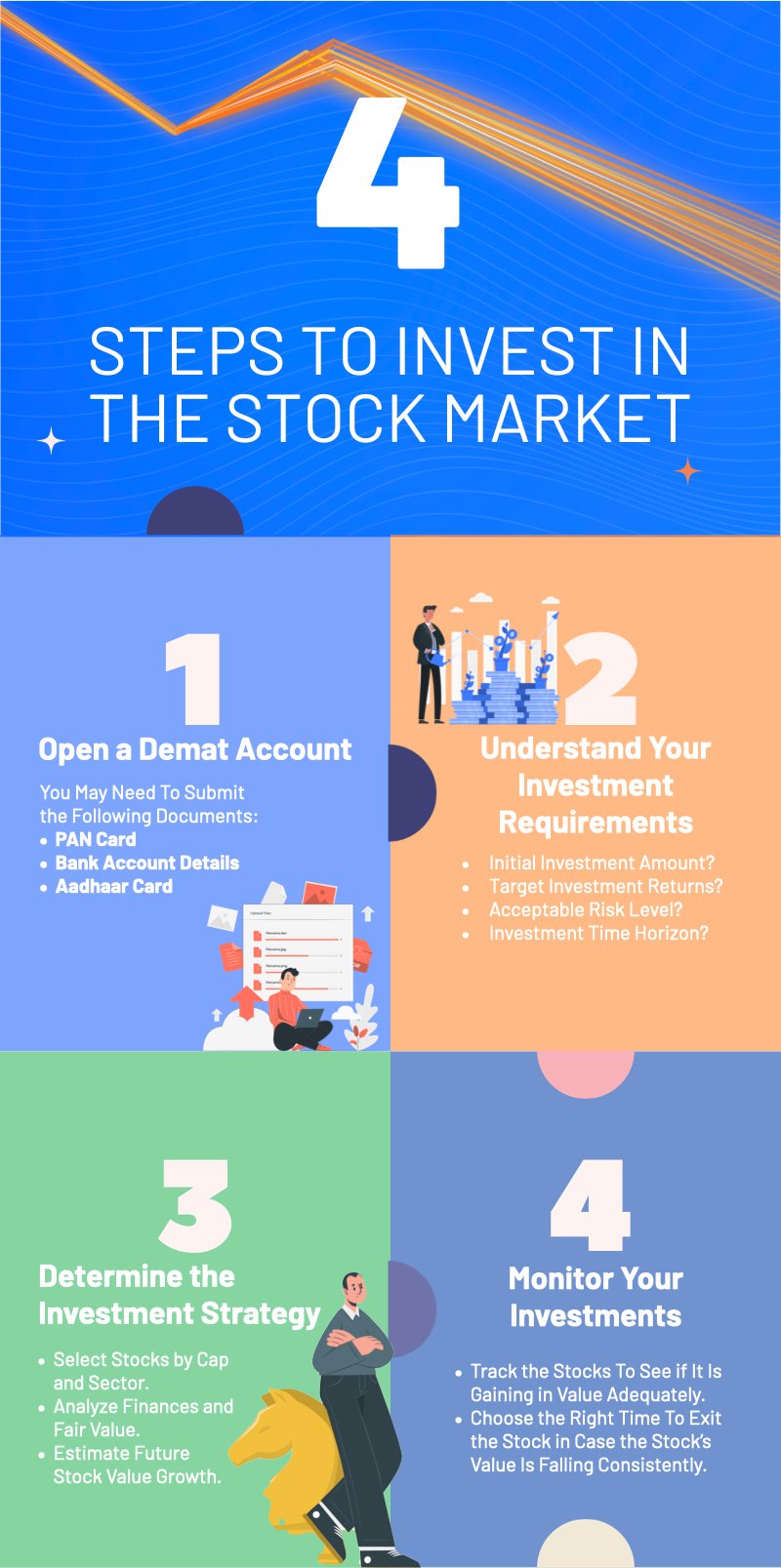
Establishing Your Financial Foundation
Before you purchase your first share of stock, you must ensure your financial house is in order. Investing is inherently risky; prices fluctuate, and there are no guarantees of profit. Therefore, you should never invest money that you cannot afford to lose or that you might need in the immediate future.
Clearing High-Interest Debt
The first step in any sound financial strategy is addressing high-interest debt, specifically credit card balances. If you are paying 20% interest on a credit card while the stock market is returning an average of 10%, you are effectively losing 10% of your net worth annually. Paying off high-interest debt provides a guaranteed “return” equal to the interest rate you were paying. It is only after these predatory liabilities are cleared that you should shift your focus to the equity markets.
Building an Emergency Fund
Volatility is a natural characteristic of the stock market. Economic cycles and market corrections can lead to temporary declines in your portfolio value. If an unexpected expense arises—such as a medical bill or job loss—during a market downturn, you may be forced to sell your stocks at a loss to cover the cost. To prevent this, aim to have three to six months of living expenses tucked away in a high-yield savings account. This “cash cushion” ensures that your investments can remain untouched, allowing time to heal any market-driven wounds.
Defining Your Investment Goals and Timeline
Are you investing for retirement forty years away, or are you looking to fund a down payment on a home in five years? Your “time horizon” dictates your risk tolerance. Generally, the longer your time horizon, the more risk you can afford to take, as you have more time to recover from market dips. Conversely, if you need the money soon, your strategy should lean toward capital preservation and low-volatility assets.
Choosing Your Investment Account and Platform
Once your foundation is secure, the next step is determining where your money will live. Not all investment accounts are created equal; some offer significant tax advantages that can accelerate your wealth-building process by thousands of dollars over time.
Tax-Advantaged Retirement Accounts
For many, the best place to start is an employer-sponsored 401(k) or 403(b). If your employer offers a “match”—meaning they contribute a certain amount based on your contributions—this is effectively a 100% return on your money and should be your top priority.
Beyond employer plans, Individual Retirement Accounts (IRAs) are powerful tools. A Traditional IRA may offer tax-deductible contributions, while a Roth IRA allows for tax-free withdrawals in retirement. Choosing the right one depends on whether you believe you will be in a higher tax bracket now or when you retire. For those focused on long-term growth, the Roth IRA is often a favorite due to the immense benefit of tax-free compounding.
Taxable Brokerage Accounts
If you have already maximized your tax-advantaged options or if you want the flexibility to withdraw your money at any time without penalty, a standard taxable brokerage account is the way to go. Modern platforms like Fidelity, Charles Schwab, and Vanguard offer robust tools for both beginners and experienced traders. When selecting a brokerage, look for zero-commission trades, a user-friendly interface, and access to fractional shares, which allow you to buy a portion of a high-priced stock for as little as $1.
Robo-Advisors vs. DIY Investing
For those who prefer a “hands-off” approach, robo-advisors like Betterment or Wealthfront use algorithms to build and rebalance a diversified portfolio based on your risk profile. While they charge a small management fee, they take the guesswork out of investing. However, if you enjoy researching companies and want full control over your assets, a self-directed brokerage account is the better fit.
Selecting Your Assets: Index Funds vs. Individual Stocks
The core of your investment strategy lies in what you actually buy. For most beginners, the debate centers on whether to buy individual company stocks or to diversify through funds.
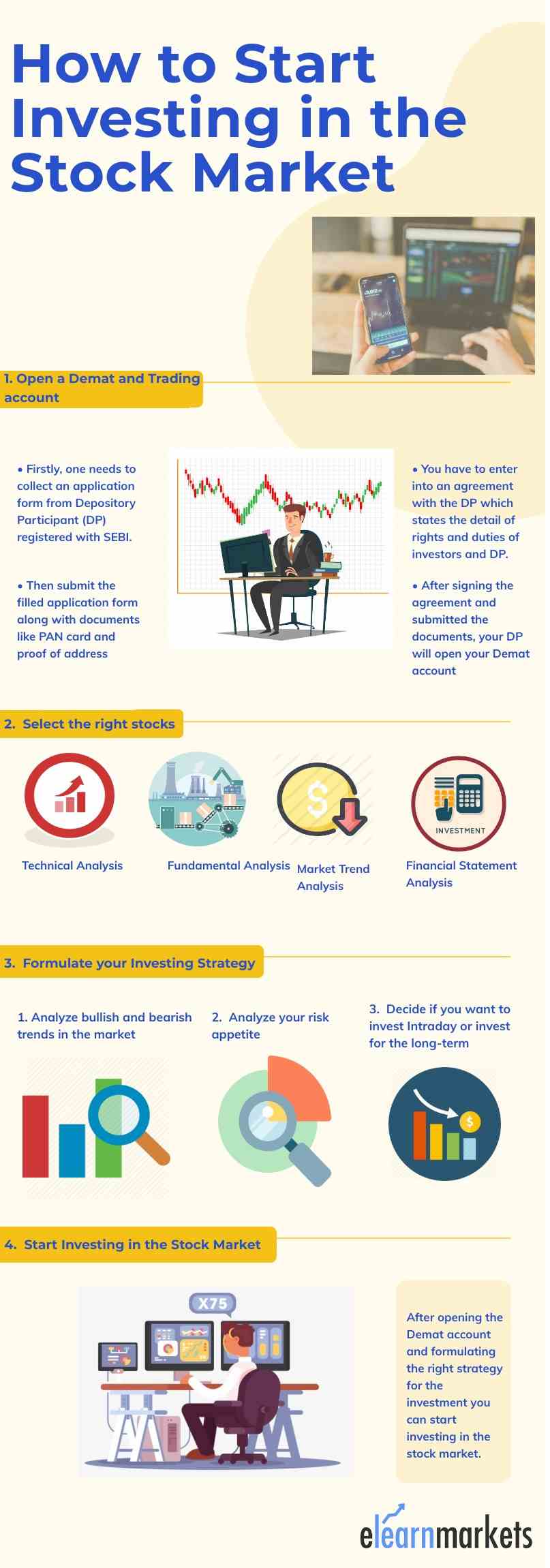
The Power of Index Funds and ETFs
An index fund is a type of mutual fund or Exchange-Traded Fund (ETF) designed to mimic the performance of a specific market benchmark, such as the S&P 500. When you buy one share of an S&P 500 ETF (like VOO or SPY), you are effectively buying a small piece of the 500 largest companies in the United States.
This approach offers instant diversification. If one company in the index fails, it is balanced out by the growth of others. For the vast majority of retail investors, low-cost index funds are the most reliable path to wealth. They require minimal research and historically outperform the majority of actively managed funds over the long run.
The Appeal of Individual Stocks
Investing in individual stocks—like Apple, Amazon, or Tesla—allows for the potential of “alpha,” or returns that beat the market average. However, this requires significant due diligence. You must understand how to read a balance sheet, analyze a company’s competitive advantage (its “moat”), and evaluate management.
If you choose to invest in individual stocks, it is wise to limit them to a small percentage of your total portfolio (e.g., 5% to 10%) while keeping the core of your wealth in diversified funds. This “Core and Satellite” strategy allows you to gamble on high-growth companies without risking your entire financial future.
Understanding Dividends
Some companies pay out a portion of their earnings to shareholders in the form of dividends. For the beginning investor, these are a secret weapon. By setting your account to “DRIP” (Dividend Reinvestment Plan), those payments are automatically used to buy more shares of the stock, creating a powerful feedback loop of compounding growth.
Executing the Strategy and Managing Risk
With your account funded and your targets identified, it is time to move from theory to action. How you enter the market can be just as important as what you buy.
Dollar-Cost Averaging
Many beginners wait for the “perfect time” to buy, fearing they will invest right before a crash. This is known as market timing, and it is notoriously difficult even for professionals. A more effective strategy is Dollar-Cost Averaging (DCA).
DCA involves investing a fixed amount of money at regular intervals (e.g., $200 every payday), regardless of the stock price. When prices are high, your $200 buys fewer shares; when prices are low, your $200 buys more. Over time, this lowers your average cost per share and removes the emotional stress of trying to time the market’s peaks and valleys.
Diversification and Asset Allocation
Diversification is often called the only “free lunch” in finance. It involves spreading your investments across different sectors (Tech, Healthcare, Energy) and even different asset classes (Stocks, Bonds, Real Estate). Proper asset allocation ensures that a downturn in one specific area doesn’t wipe out your entire portfolio. As you age, your allocation typically shifts from aggressive (more stocks) to conservative (more bonds) to protect your accumulated wealth.
The Importance of Expense Ratios
In the world of investing, you get what you don’t pay for. Every fund has an expense ratio—an annual fee charged as a percentage of your investment. While 0.50% might seem small, it can eat away tens of thousands of dollars over a thirty-year period. Always look for low-cost funds, particularly those with expense ratios below 0.10%.
Maintaining Discipline and Emotional Intelligence
The greatest challenge in stock market investing is not math or economics; it is psychology. The ability to remain calm during market turbulence is what separates successful investors from those who lose money.
Ignoring the Noise
The financial news cycle is designed to generate clicks through fear and excitement. “Market Crashes” and “The Next Big Stock” are common headlines that can trigger impulsive decisions. Successful investing requires a long-term mindset. Once you have built a diversified portfolio, the best thing you can do is check it infrequently. Checking your balance daily often leads to “tinkering,” which usually results in lower returns due to taxes and transaction costs.
Understanding Market Cycles
Markets move in cycles. “Bull markets” are periods of rising prices and optimism, while “Bear markets” are periods of declining prices (usually a drop of 20% or more) and pessimism. It is essential to understand that Bear markets are a normal part of the economic ecosystem. Historically, every single market downturn has eventually been followed by a new all-time high. Viewing a market drop as a “sale” rather than a disaster is the hallmark of a sophisticated investor.
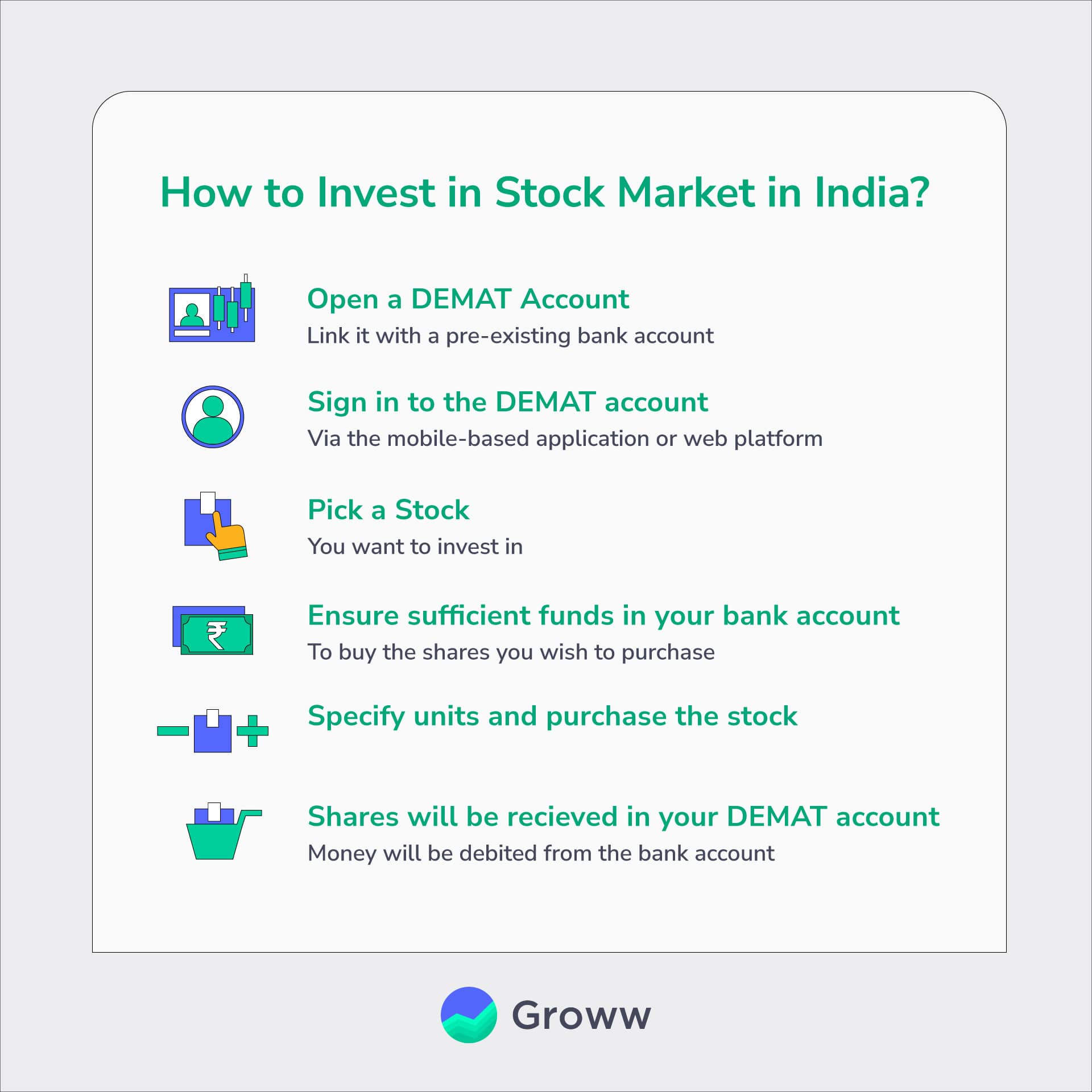
Rebalancing Your Portfolio
Over time, some of your investments will grow faster than others, causing your original asset allocation to drift. For example, if your goal was 80% stocks and 20% bonds, a big year in the stock market might leave you with 90% stocks. Rebalancing involves selling a bit of what has performed well and buying what has lagged to return to your target allocation. This forced discipline ensures you are naturally “buying low and selling high.”
Investing in stocks is a marathon, not a sprint. By starting early, staying diversified, and maintaining the discipline to keep buying through both good times and bad, you harness the most powerful force in finance: time. The best time to start was ten years ago; the second best time is today. Through consistent education and a focus on the fundamentals of the money niche, anyone can transform their financial reality and build a legacy of lasting wealth.
aViewFromTheCave is a participant in the Amazon Services LLC Associates Program, an affiliate advertising program designed to provide a means for sites to earn advertising fees by advertising and linking to Amazon.com. Amazon, the Amazon logo, AmazonSupply, and the AmazonSupply logo are trademarks of Amazon.com, Inc. or its affiliates. As an Amazon Associate we earn affiliate commissions from qualifying purchases.