
The digital transformation of the financial sector has fundamentally altered how individuals and business owners interact with regulatory bodies. Gone are the days when settling a federal tax liability required the physical mailing of a paper check, often accompanied by the anxiety of potential transit delays or lost documentation. Today, the Internal Revenue Service (IRS) offers a robust suite of digital payment tools designed to streamline the fulfillment of tax obligations. For anyone operating in the modern economy—whether you are a traditional employee, a freelancer navigating the gig economy, or a small business owner—understanding the nuances of these online payment systems is essential for effective cash flow management and financial compliance.

IRS Direct Pay: The Premier Solution for Individual Taxpayers
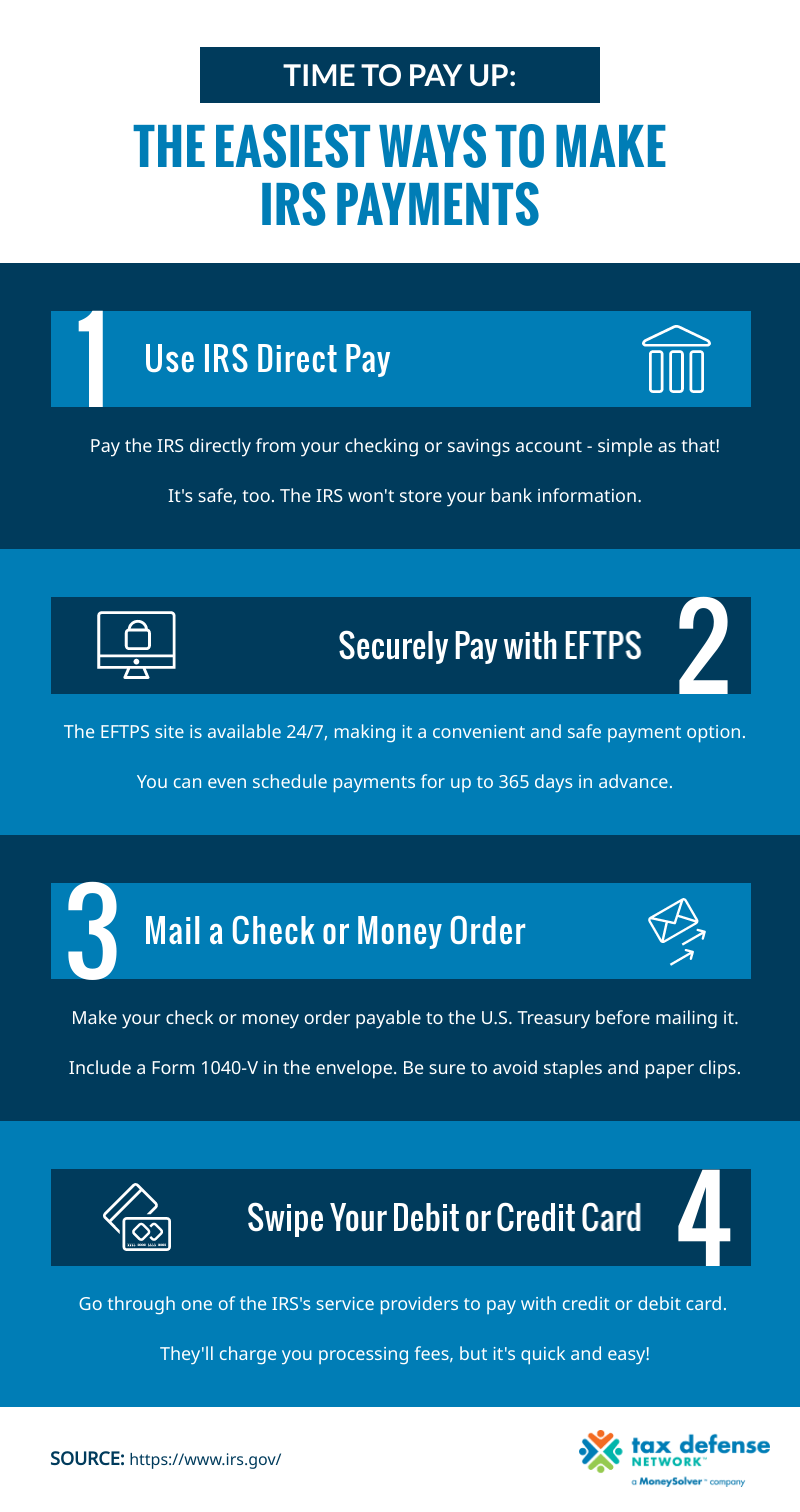
For the majority of individual taxpayers, IRS Direct Pay represents the most efficient and cost-effective method for settling balances. This system allows you to pay your taxes directly from a checking or savings account without the need for prior registration or account creation. It is specifically tailored for individuals filing Form 1040, as well as those making estimated tax payments or paying off a prior year’s balance.
Navigating the Identity Verification Process
The security of financial transactions is a paramount concern for the IRS. To use Direct Pay, the system requires a multi-step verification process to ensure the person making the payment is indeed the taxpayer of record. You will need to provide information from a tax return filed within the last five to six years. This includes your Social Security Number (SSN) or Individual Taxpayer Identification Number (ITIN), your filing status, and the address listed on that specific return.
This verification acts as a bridge between your current financial intent and your historical tax records. Once verified, you can select the “Reason for Payment,” such as “Estimated Tax,” “Extension,” or “Balance Due.” Selecting the correct category is vital for your personal finance tracking, as it ensures the IRS applies the funds to the correct tax year and specific obligation, preventing future notices or automated penalties.
The Benefits of Immediate Confirmation and Scheduling
One of the primary advantages of using Direct Pay is the immediacy of the digital paper trail. Upon completion of the transaction, you receive a confirmation number. From a personal finance management perspective, this number is your receipt; it should be archived alongside your tax documents.
Furthermore, Direct Pay offers a level of liquidity control that paper checks cannot match. You can schedule payments up to 365 days in advance. For those managing a side hustle or irregular income, this allows for the “set it and forget it” strategy. You can schedule your quarterly estimated payments the moment you have the funds available, ensuring you remain compliant without having to remember specific deadlines throughout the fiscal year.
Leveraging Credit Cards, Debit Cards, and Digital Wallets
While Direct Pay is free, many taxpayers prefer the flexibility or rewards associated with using credit and debit cards or digital wallets like PayPal and Google Pay. The IRS does not process these payments directly; instead, it utilizes three authorized third-party payment processors: ACI Payments, Inc., Link2Gov, and EveryTaxPayment.
Understanding the Cost-Benefit of Processing Fees
When choosing to pay via card or digital wallet, you must account for the convenience fees charged by these third-party processors. These fees are not paid to the IRS but cover the processing costs of the transaction. Typically, debit card payments carry a flat fee (ranging from approximately $2.00 to $4.00), while credit card payments charge a percentage of the total amount (usually between 1.82% and 1.98%).
From a business finance perspective, it is important to calculate whether the benefits outweigh these costs. If you are using a high-rewards credit card that offers 2% cash back or significant travel points, the rewards might effectively offset the processing fee. However, if your card’s rewards rate is lower than the fee percentage, you are essentially paying a premium for the convenience of using credit. This method is often utilized by individuals who need to manage short-term liquidity, allowing them to pay their tax bill immediately while deferring the actual cash outflow until their credit card statement is due.
The Rise of Digital Wallets in Tax Compliance
In recent years, the inclusion of PayPal and Google Pay has modernized the tax payment landscape. These options are particularly popular among younger taxpayers and those who keep their “side hustle” income within digital ecosystems. By allowing payments directly from a PayPal balance, for instance, a freelancer can move money earned from clients directly to the IRS without first transferring it to a traditional bank account. This minimizes “friction” in the financial workflow and simplifies the process of separating business income from personal spending.
The Electronic Federal Tax Payment System (EFTPS): A Deep Dive for Professionals
While Direct Pay is excellent for individuals, the Electronic Federal Tax Payment System (EFTPS) is the heavy-duty tool designed for business entities, high-net-worth individuals, and tax professionals. Managed by the U.S. Department of the Treasury, EFTPS is a free service that provides a higher level of reporting and security than the standard individual portals.
The Registration Hurdle and Strategic Planning
Unlike Direct Pay, EFTPS requires a formal registration process. After providing your Taxpayer Identification Number and banking information, the Treasury Department mails a PIN to your registered address via the U.S. Postal Service. This process can take seven to ten business days. Therefore, EFTPS is not a “last-minute” solution.
For the savvy investor or business owner, the setup is well worth the wait. EFTPS allows you to schedule payments up to 365 days in advance and offers a comprehensive 16-month history of all payments made through the system. This level of transparency is invaluable during an audit or when reconciling business books at the end of the quarter. It provides a centralized dashboard for all federal tax obligations, including corporate income tax, payroll taxes, and excise taxes.
Managing Complex Business Liabilities
For those running a business with employees, EFTPS is the standard for handling employment tax deposits. The system allows for “batch” payments and provides a secure environment for tax professionals to make payments on behalf of their clients. By using EFTPS, a business can ensure that its payroll tax obligations are met with precision, avoiding the heavy penalties associated with late or incorrect employment tax filings. This tool is a cornerstone of responsible corporate financial management.
Optimizing Financial Health Through the IRS Online Account
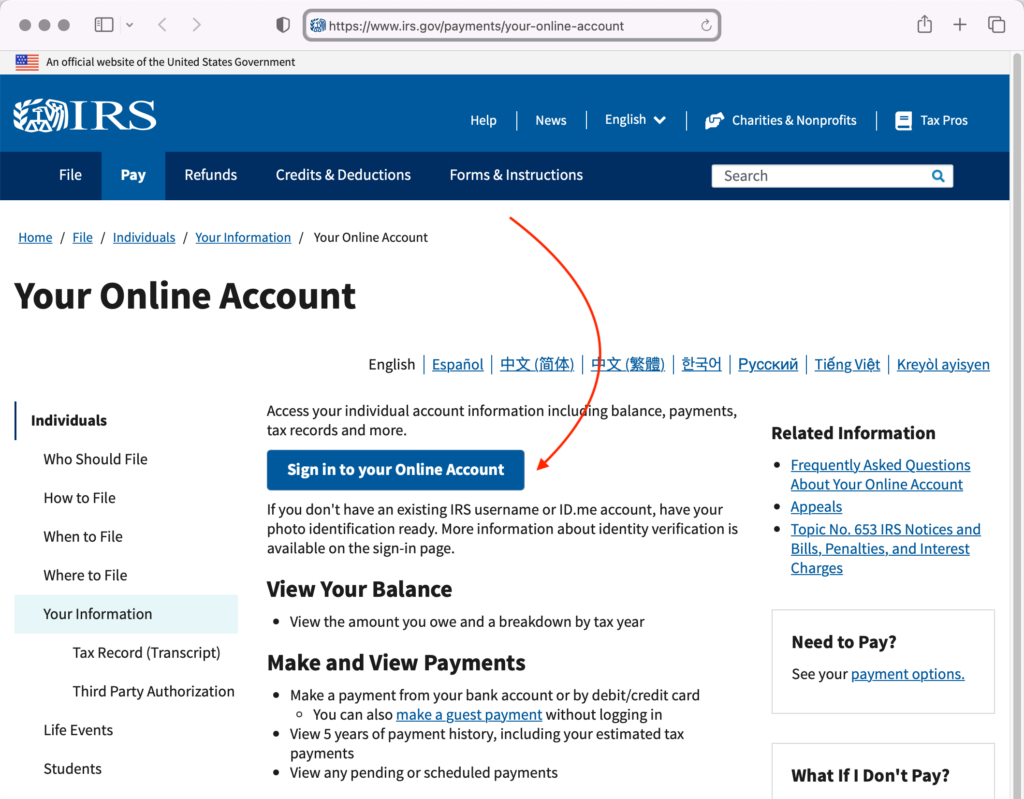
Beyond simply making a one-time payment, the IRS Online Account is a powerful financial tool that offers a panoramic view of your standing with the federal government. Accessing this account requires identity verification through ID.me, a secure credential service. Once inside, the platform serves as a nerve center for your tax-related personal finances.
Real-Time Monitoring and Transcript Access
Within your online account, you can see the total amount you owe, including the breakdown of tax, penalties, and interest. You can also view your payment history, which is essential for ensuring that any estimated payments made throughout the year have been correctly credited to your account.
For those looking to secure a mortgage or a business loan, the ability to download tax transcripts directly from the online account is a significant advantage. Lenders often require several years of transcripts to verify income, and having immediate, digital access to these documents can expedite the loan approval process.
Strategic Debt Management and Payment Plans
If you find yourself in a position where you cannot pay your full tax liability at once, the IRS Online Account offers the ability to apply for an Online Payment Agreement. From a financial planning perspective, this is often the best way to handle tax debt. The system allows you to set up a short-term extension (up to 180 days) or a long-term installment agreement (monthly payments).
Setting up an installment agreement online is significantly cheaper than doing so via phone or mail, with lower setup fees for those who agree to have payments debited automatically from their bank account. This automated approach ensures you never miss a payment, thereby avoiding default and the subsequent escalation of collection actions. By proactively managing tax debt through the online portal, you protect your credit score and maintain a degree of control over your financial future.
Integrating Tax Payments into a Comprehensive Financial Strategy
Viewing IRS payments not as a seasonal burden but as a component of your broader financial strategy is the mark of an informed taxpayer. Whether you are choosing Direct Pay for its simplicity, using a credit card to maximize rewards, or utilizing EFTPS for business compliance, the shift to online payments provides transparency and speed that paper-based systems cannot replicate.
By leveraging these digital tools, you can optimize your cash flow, ensure accurate record-keeping, and maintain a positive relationship with the nation’s revenue service. In the modern financial landscape, the ability to navigate these systems with confidence is an essential skill for anyone looking to master their personal or business finances. Professionalism in tax compliance, facilitated by these online platforms, provides the peace of mind necessary to focus on what truly matters: growing your income and building long-term wealth.
aViewFromTheCave is a participant in the Amazon Services LLC Associates Program, an affiliate advertising program designed to provide a means for sites to earn advertising fees by advertising and linking to Amazon.com. Amazon, the Amazon logo, AmazonSupply, and the AmazonSupply logo are trademarks of Amazon.com, Inc. or its affiliates. As an Amazon Associate we earn affiliate commissions from qualifying purchases.