
The journey toward financial independence often begins with a single step: entering the stock market. For decades, stock investing has been one of the most effective vehicles for wealth creation, allowing everyday individuals to own a piece of the world’s most successful companies. However, for the uninitiated, the world of tickers, dividends, and market volatility can appear daunting. Investing is not merely about “picking winners”; it is a disciplined process of asset allocation, risk management, and psychological fortitude. This guide will walk you through the essential stages of starting your investment journey, ensuring you build a foundation that can withstand market cycles and deliver sustainable growth.
Building a Solid Financial Foundation Before Your First Trade
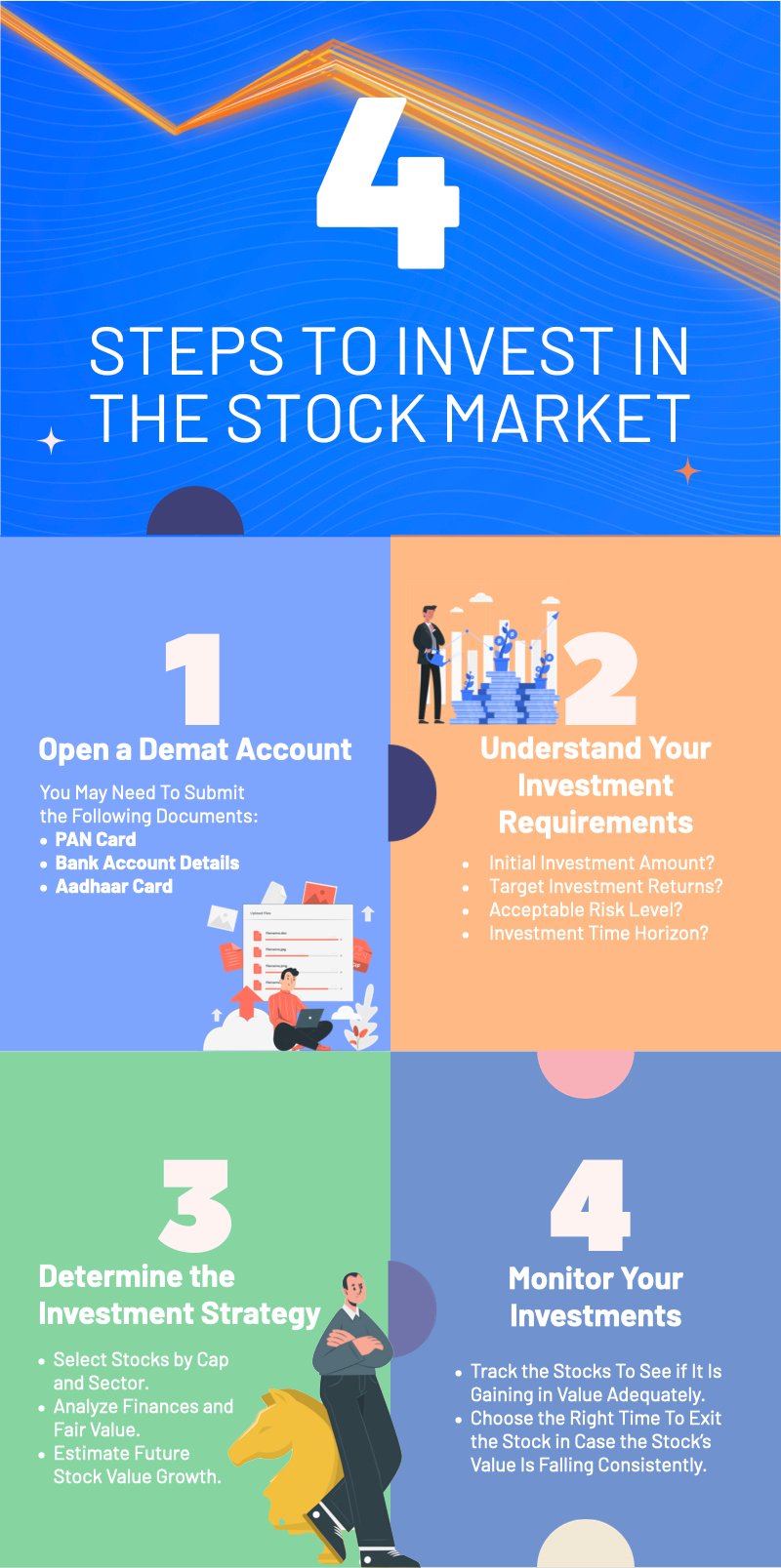
Before you commit a single dollar to the stock market, you must ensure your personal finances are resilient enough to handle the inherent risks of investing. Investing is a long-term endeavor, and the worst position to be in is having to liquidate your portfolio during a market downturn because of an unexpected personal expense.
Establishing an Emergency Fund and Managing Debt
The first rule of investing is to never invest money you might need in the next three to five years. Before buying stocks, aim to save three to six months of living expenses in a high-yield savings account. This “emergency fund” acts as a buffer, ensuring that if you lose your job or face a medical emergency, your investments remain untouched. Furthermore, it is mathematically vital to address high-interest debt, such as credit card balances. If your debt carries an interest rate of 15% to 20%, paying it off provides a guaranteed “return” that is far higher than the average annual return of the stock market (historically around 10%).
Defining Your Financial Goals and Risk Tolerance
Every investor has a different “why.” Are you investing for a retirement that is thirty years away, or are you saving for a down payment on a house in five years? Your timeline—often called your investment horizon—dictates how much risk you can afford to take. Risk tolerance is your emotional and financial ability to handle a drop in the value of your investments. A younger investor can typically afford a more aggressive, stock-heavy portfolio because they have decades to recover from market corrections. Conversely, someone nearing retirement may prioritize capital preservation over high growth.
Choosing the Right Investment Account and Platform
The “where” and “how” of your investing journey are just as important as the “what.” In the modern era, the barrier to entry for the stock market has never been lower, but choosing the right account type and brokerage platform can significantly impact your tax liabilities and long-term returns.
Understanding Brokerage Accounts and Tax-Advantaged Options
In the United States and many other regions, you have two primary choices: taxable brokerage accounts and tax-advantaged retirement accounts. A standard taxable account offers the most flexibility, allowing you to withdraw money at any time, but you will owe taxes on capital gains and dividends.
Tax-advantaged accounts, such as an Individual Retirement Account (IRA) or a 401(k), are designed for long-term savings. They offer either “tax-deferred” growth (where you pay taxes upon withdrawal) or “tax-free” growth (as seen in a Roth IRA, where you contribute after-tax dollars). Utilizing these accounts first is often the most efficient way to build wealth, as they shield your gains from the eroding effects of annual taxation.
Evaluating Trading Platforms and Fees
The rise of fintech has revolutionized the brokerage industry. When selecting a platform, consider three main factors: fees, usability, and research tools. Most major brokerages now offer $0 commissions for stock and ETF trades, which is a massive win for the retail investor. Look for platforms that allow for “fractional shares,” which let you buy a portion of a high-priced stock for as little as $1 or $5. This is particularly beneficial for beginners who want to diversify their holdings without needing thousands of dollars in initial capital.
Strategic Asset Allocation and Portfolio Construction
Once your account is funded, the temptation is to jump into “hot” stocks seen on social media or news cycles. However, successful investing is built on a strategic framework. Diversification—the practice of spreading your investments across different sectors and asset classes—is the only “free lunch” in finance.
Individual Stocks vs. Exchange-Traded Funds (ETFs)
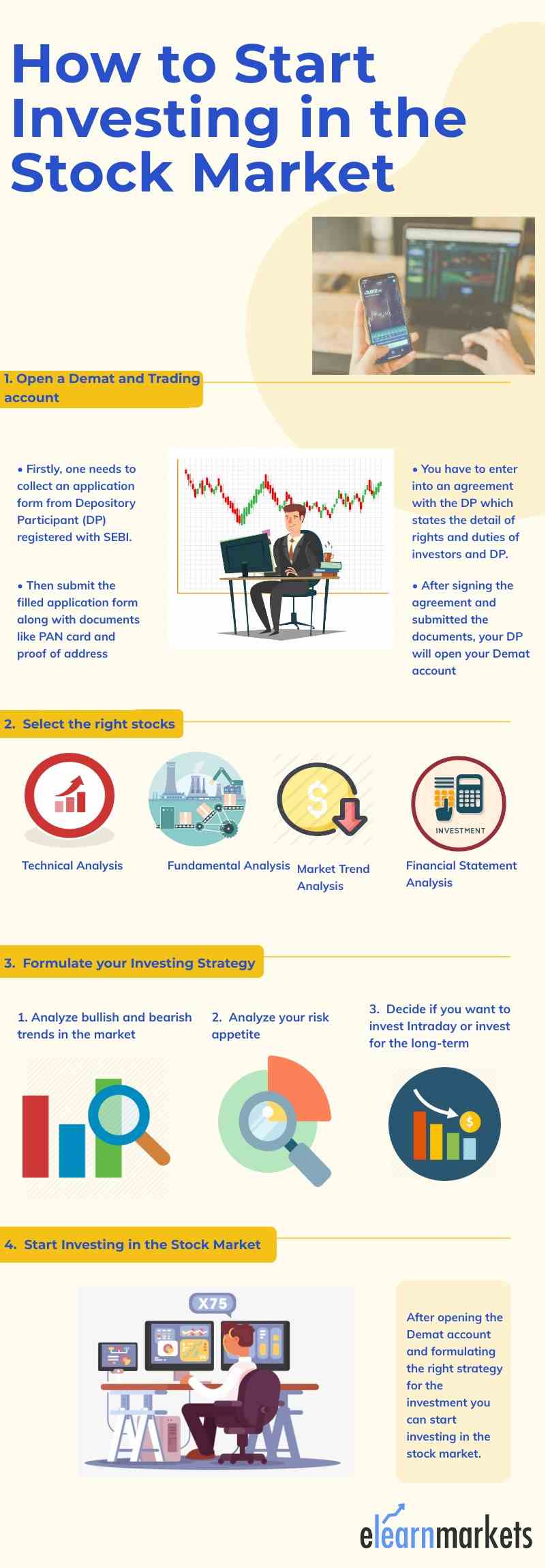
As a beginner, you face a choice: do you want to pick individual companies (active investing) or track the broader market (passive investing)? Buying individual stocks requires significant time for research and the ability to read financial statements.
For most beginners, Exchange-Traded Funds (ETFs) or Index Funds are a superior starting point. An ETF like one that tracks the S&P 500 allows you to own a small piece of the 500 largest companies in the U.S. simultaneously. This provides instant diversification. If one company in the index fails, the impact on your total portfolio is minimal. Indexing has historically outperformed the majority of professional fund managers over long periods, making it a cornerstone of a sound “money” strategy.
The Importance of Sector Diversification
If you do choose to invest in individual stocks, it is critical not to put all your eggs in one basket. If your entire portfolio consists of technology companies, a downturn in the tech sector will devastate your net worth. A balanced portfolio should ideally span various sectors, such as healthcare, consumer staples, energy, and financials. This ensures that when one sector underperforms, another might be thriving, smoothing out your investment returns over time.
Mastering the Mechanics of Buying Your First Stock
The actual act of purchasing a stock is a technical process that requires an understanding of market terminology. Being “market literate” helps you avoid simple mistakes that could result in paying more for a stock than necessary.
Fundamental Analysis: Evaluating a Company
Before buying an individual stock, you must understand the business. Look at the company’s revenue growth, its profit margins, and its competitive advantage (often called a “moat”). Check the Price-to-Earnings (P/E) ratio to see how the stock is valued relative to its peers. Is the company generating consistent cash flow? Does it pay a dividend? These metrics provide a snapshot of the company’s financial health and help you move beyond “speculating” toward “investing.”
Understanding Order Types: Market vs. Limit
When you are ready to buy, your brokerage will ask what “order type” you want to use.
- Market Order: This executes the trade immediately at the current best available price. It is fast, but in a volatile market, you might pay slightly more than the price you see on your screen.
- Limit Order: This allows you to set a specific price at which you are willing to buy. The trade will only execute if the stock hits that price. This gives you more control over your entry point and is generally recommended for investors who want to ensure they don’t overpay during price swings.
Long-Term Maintenance and Behavioral Finance
The final and perhaps most difficult part of investing is the “wait.” Wealth is not created in days or months, but over decades. The greatest challenge for most investors is not the market itself, but their own psychology.
The Power of Compound Interest and Reinvestment
The “magic” of the stock market is compound interest. As your stocks grow and pay dividends, you can reinvest those dividends to buy even more shares. Over time, you begin to earn interest on your interest. This exponential growth is why starting early is so much more important than starting with a large sum of money. Even small monthly contributions can blossom into a significant fortune over 20 or 30 years.
Managing Emotions During Market Volatility
The stock market does not move in a straight line. Corrections (a 10% drop) and Bear Markets (a 20% or more drop) are a natural part of the economic cycle. The most successful investors are those who can control their emotions when the market is “in the red.”
A proven strategy to combat emotional decision-making is Dollar-Cost Averaging (DCA). Instead of trying to “time the market” (waiting for the perfect low), you invest a fixed amount of money at regular intervals (e.g., $200 every month). When prices are high, you buy fewer shares; when prices are low, you buy more. This strategy lowers your average cost per share over time and removes the stress of trying to predict the future.
Conclusion
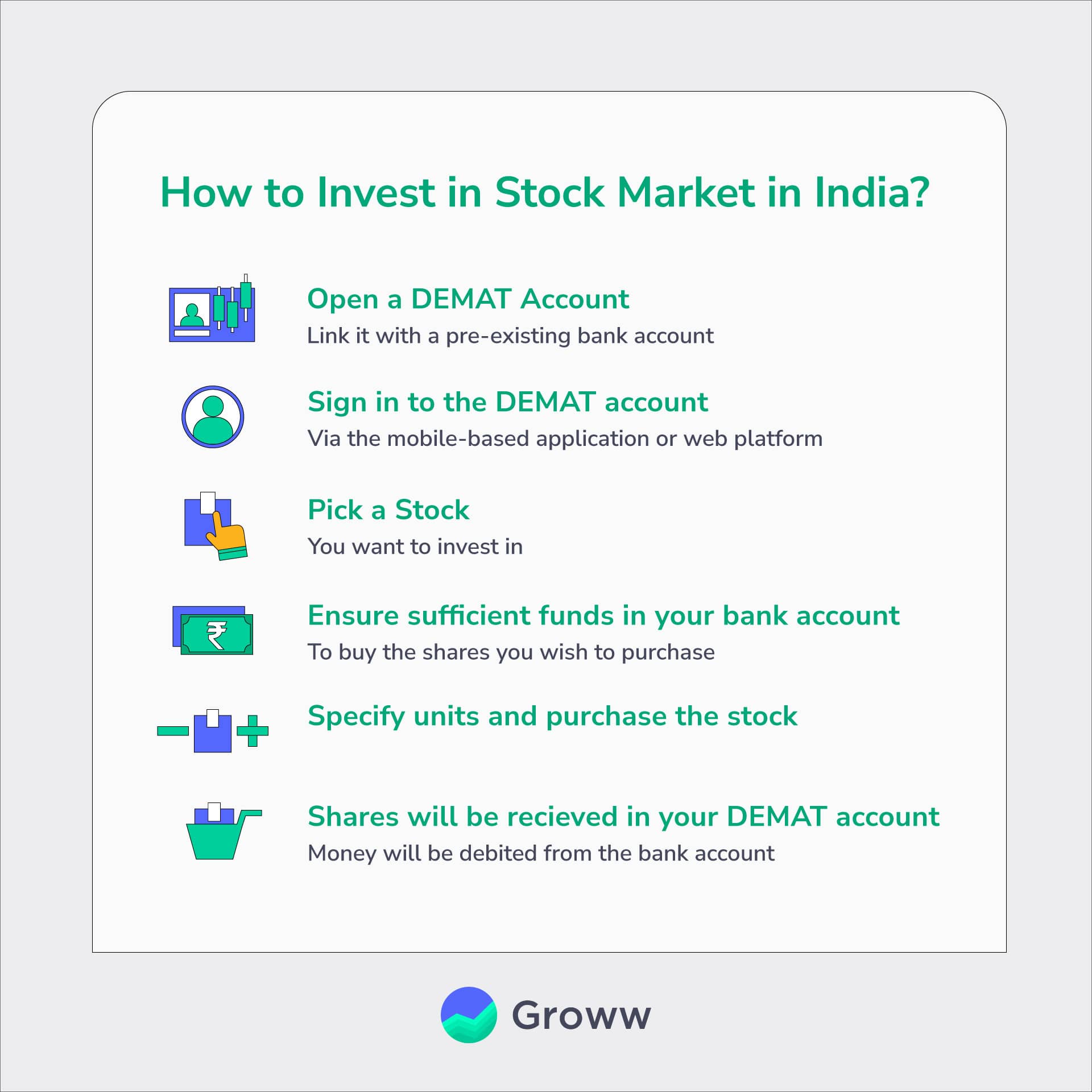
Starting your journey in the stock market is one of the most empowering financial decisions you can make. By focusing on a strong financial foundation, choosing the right tax-advantaged accounts, diversifying your holdings through ETFs or well-researched stocks, and maintaining a long-term perspective, you position yourself to capture the growth of the global economy. Remember that investing is a marathon, not a sprint. The goal is not to get rich overnight, but to build a sustainable financial future that provides security, freedom, and the ability to reach your life’s most important goals. Stick to your plan, keep learning, and let the power of the markets work for you.
aViewFromTheCave is a participant in the Amazon Services LLC Associates Program, an affiliate advertising program designed to provide a means for sites to earn advertising fees by advertising and linking to Amazon.com. Amazon, the Amazon logo, AmazonSupply, and the AmazonSupply logo are trademarks of Amazon.com, Inc. or its affiliates. As an Amazon Associate we earn affiliate commissions from qualifying purchases.