
The digital age has democratized entrepreneurship, offering numerous avenues for individuals to build lucrative online businesses. Among these, dropshipping has emerged as a particularly attractive model, lauded for its low barrier to entry and significant earning potential. When paired with a robust e-commerce platform like Shopify, dropshipping transforms from a theoretical concept into a tangible pathway to generating substantial online income. This guide delves into the financial underpinnings of starting a dropshipping business on Shopify, offering a professional, insightful, and engaging roadmap for aspiring entrepreneurs focused on financial growth and sustainable profitability.

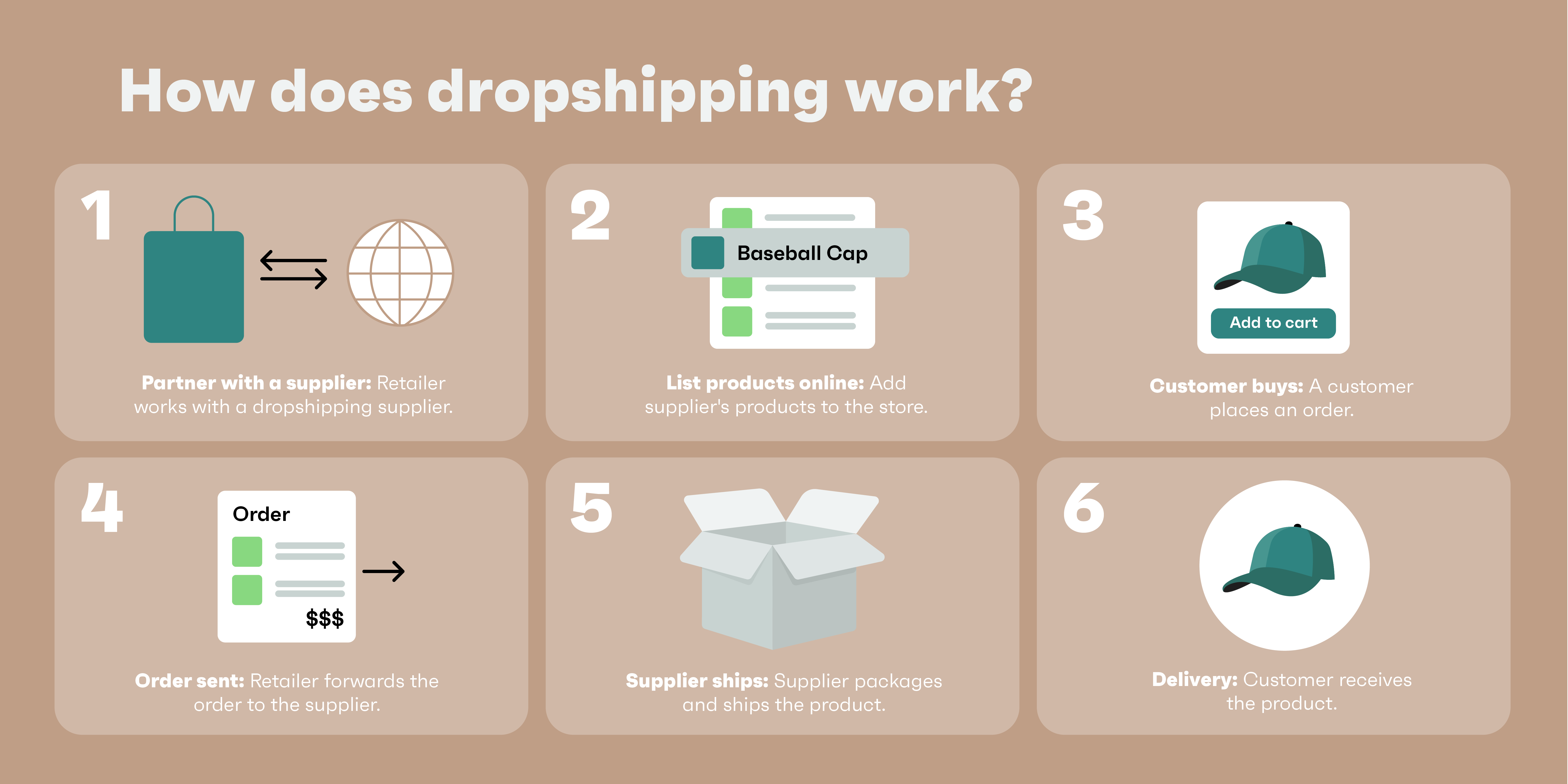
Dropshipping, at its core, is a retail fulfillment method where a store doesn’t keep the products it sells in stock. Instead, when a store sells a product, it purchases the item from a third party (a supplier) and has it shipped directly to the customer. The dropshipper never sees or handles the product. This model eliminates the need for upfront inventory investment, warehousing, and logistics management – traditionally significant capital expenditures for retail businesses. Shopify, as the leading e-commerce platform, provides the essential infrastructure to build, manage, and scale such a business with remarkable efficiency, making it the preferred choice for those looking to convert entrepreneurial spirit into tangible financial returns. Understanding how to leverage this combination for maximum financial benefit is paramount to success in this dynamic online income niche.
Understanding Dropshipping’s Financial Landscape
Before diving into the operational aspects, it’s crucial to grasp the financial architecture of dropshipping. Unlike traditional retail, where large capital outlays for inventory dominate the initial investment, dropshipping shifts this burden, allowing for a more agile and less capital-intensive start. This fundamental difference positions dropshipping as an ideal side hustle or primary income stream for individuals with limited startup capital but a keen eye for market demand and profitability.
The Core Business Model: Capitalizing on Low Overhead
The primary financial advantage of dropshipping lies in its minimal overhead. Traditional retail requires significant upfront investment in inventory, which ties up capital and carries the risk of unsold stock. Dropshipping bypasses this entirely. You only purchase a product after a customer has paid for it, effectively eliminating inventory risk. This means your initial financial outlay is primarily confined to setting up your Shopify store (monthly subscription, theme, apps) and initial marketing efforts.
Consider the implications for cash flow: instead of purchasing hundreds or thousands of units hoping they sell, you operate on a “just-in-time” purchasing model. This preserves working capital and allows for greater flexibility in product testing and market adaptation. The goal is to generate revenue first, then fulfill the order, ensuring that cash is consistently flowing into your business before it flows out for product costs. This dynamic makes dropshipping exceptionally appealing for those focused on rapid financial bootstrapping and achieving profitability without substantial personal financial exposure. The financial health of a dropshipping business often correlates directly with efficient order processing and timely supplier payments, ensuring the revenue-to-cost cycle remains positive and sustainable.
Identifying Profit Margins and Market Opportunities
Profit margins are the lifeblood of any business, and dropshipping is no exception. While some perceive dropshipping margins as inherently thin due to the reseller model, strategic product selection and astute pricing can yield significant returns. The key is to identify products with high demand, low competition from established brands, and a healthy difference between the supplier’s cost and your selling price. This often involves niche markets where you can position yourself as a specialized retailer, commanding premium prices through effective branding and customer service.
Market research is not just about identifying popular products; it’s about uncovering profitable products. Tools like Google Trends, competitor analysis, and dropshipping product research platforms help pinpoint items with consistent search volume, rising interest, and a favorable supplier cost relative to market price. For example, a trending gadget might have a supplier cost of $15 and a market selling price of $40, offering a gross margin of $25 per unit. From this, you’d subtract your advertising costs, Shopify fees, and payment processing fees to arrive at your net profit. Focusing on products that solve a specific problem or cater to a passionate hobby group often allows for higher markups, enhancing overall financial performance. The art is in finding products where perceived value far exceeds your cost price, enabling robust profit margins even after accounting for marketing spend.
Shopify as Your Financial Command Center
Shopify isn’t just an e-commerce platform; it’s a comprehensive business operating system designed to facilitate online income generation. From a financial perspective, it provides invaluable tools. Its intuitive dashboard allows you to track sales, revenue, average order value, and conversion rates—all critical metrics for assessing financial health. The platform integrates seamlessly with various payment gateways (Shopify Payments, PayPal, Stripe), simplifying transaction processing and ensuring secure fund transfers.
Furthermore, Shopify’s app store offers a vast ecosystem of tools that can directly impact your bottom line. Apps for accounting, expense tracking, inventory management (even for dropshipping, to monitor supplier stock levels), and conversion optimization can all contribute to better financial control and increased profitability. For instance, an accounting app can automate expense categorization and revenue reconciliation, saving valuable time and ensuring accurate financial reporting for tax purposes. By centralizing your sales data, customer information, and financial performance metrics, Shopify empowers you to make data-driven decisions that directly influence your business’s financial growth and long-term sustainability. It acts as the nerve center for all financial activities, providing clear visibility into cash flow and profit drivers.
Setting Up Your Shopify Store for Profitability
The foundation of a successful dropshipping business on Shopify is not just about having a store; it’s about building a store optimized for conversion and financial efficiency. Every decision, from niche selection to payment gateway integration, should be viewed through the lens of maximizing revenue and minimizing costs. This strategic approach ensures that your efforts translate directly into tangible financial gains.
Niche Selection and Product Sourcing: The Foundation of Revenue
The niche you choose and the products you source are directly correlated with your potential revenue. A well-defined niche allows you to target a specific audience with tailored marketing, increasing conversion rates and reducing customer acquisition costs. Instead of selling “everything,” focus on a category where you can become an authority. Examples include eco-friendly pet supplies, minimalist home decor, or smart travel accessories. These niches often have dedicated communities and specific pain points that your products can address.
Product sourcing is equally critical. For dropshipping, this primarily involves identifying reliable suppliers, typically through platforms like AliExpress, SaleHoo, Doba, or specialized dropshipping apps like Oberlo (now Dsers). When evaluating suppliers, prioritize those offering competitive pricing (to ensure healthy profit margins), consistent product quality (to minimize returns and preserve reputation), and efficient shipping times (to enhance customer satisfaction). Always negotiate for better pricing if buying in volume, even if it’s “virtual” volume, or look for suppliers who offer ePacket shipping for faster delivery to key markets. Remember, a poor supplier can quickly erode your profits through customer complaints, refunds, and lost sales. Your financial success hinges on selecting products that resonate with your target market and can be reliably supplied at a cost that allows for healthy markups.
Building an E-commerce Store with Financial Efficiency
Your Shopify store is your virtual storefront, and its design and functionality directly impact conversion rates, thus affecting your financial outcomes. While premium themes can enhance aesthetics, a well-optimized free theme can be just as effective if configured correctly. Focus on clear product photography, compelling descriptions that highlight benefits and features, and a seamless user experience.
Critically, optimize your store for mobile responsiveness, as a significant portion of online shopping occurs on smartphones. Implement clear call-to-action buttons, intuitive navigation, and a streamlined checkout process to minimize cart abandonment. Each abandoned cart represents lost revenue. Furthermore, leverage Shopify’s built-in features for upsells and cross-sells on product pages and at checkout to increase average order value (AOV), a key metric for improving overall profitability without necessarily increasing traffic. Every dollar added to AOV goes a long way towards boosting your bottom line, as the marketing cost to acquire that customer has already been incurred. Building financial efficiency into your store design means making it easy and appealing for customers to spend more.
Payment Gateways and Transaction Management
Selecting the right payment gateways is crucial for transaction efficiency and cost management. Shopify Payments, the platform’s native gateway, often offers competitive rates and simplifies reconciliation within your Shopify admin. However, offering multiple payment options (e.g., PayPal, Apple Pay, Google Pay) can cater to diverse customer preferences and increase conversion rates, as customers prefer to use trusted and convenient methods.
Be mindful of transaction fees associated with each gateway, as these directly impact your net profit per sale. While a small percentage, these fees can accumulate significantly as your sales volume grows. Regularly review your transaction costs and compare them across providers if you use multiple. Moreover, implement robust fraud prevention measures offered by Shopify or third-party apps to protect your financial assets from chargebacks and fraudulent purchases. Understanding and managing these financial intricacies ensures that your revenue translates into actual profit, rather than being eroded by unnecessary fees or financial risks. Effective transaction management is a hidden but vital component of financial success in dropshipping.
Driving Sales and Optimizing for Financial Growth
Generating sales is the lifeblood of any business, and for dropshipping, it’s about doing so cost-effectively to maximize financial returns. The goal is not just to make sales, but to make profitable sales. This section focuses on strategies to attract customers, convert them, and optimize your pricing, all with an eye on financial growth and sustained profitability.
Cost-Effective Marketing Strategies for Initial Sales
For a dropshipping business, especially in its infancy, every marketing dollar must work hard. Paid advertising on platforms like Facebook, Instagram, and Google can deliver targeted traffic, but it requires careful optimization to ensure a positive return on ad spend (ROAS). Start with small budgets and A/B test different ad creatives, audiences, and offers to identify what resonates most effectively. Focus on conversion-focused campaigns rather than broad branding efforts initially, as immediate sales are critical for cash flow.
Beyond paid ads, explore free or low-cost marketing channels. Social media marketing, particularly on platforms relevant to your niche, can build organic reach and engagement. Content marketing, through blog posts or video reviews of your products, can attract customers seeking solutions or information, leading to highly qualified traffic. Email marketing is also incredibly cost-effective; building an email list from day one allows you to nurture leads, announce new products, and run promotions directly to interested customers without incurring further ad spend. Remember, every customer acquired through organic channels contributes more significantly to your net profit than one acquired through expensive paid campaigns. The judicious allocation of marketing budget directly impacts your financial trajectory.
Pricing Strategies: Balancing Competitiveness and Profit
Pricing your products correctly is an art that directly impacts your profitability and market positioning. Price too low, and you’ll struggle to cover costs and marketing; price too high, and you’ll deter customers. A common dropshipping pricing strategy is cost-plus pricing, where you add a fixed percentage or amount to your product cost to cover expenses and profit. However, also consider value-based pricing, where you price according to the perceived value to the customer, especially if your product solves a unique problem or offers significant benefits.
Monitor competitor pricing, but don’t blindly match it. Differentiate your offering through superior customer service, unique product bundles, or compelling store branding to justify a slightly higher price point. Implement tiered pricing, offer discounts for buying multiple items, or create bundles to increase your average order value (AOV). Strategically placed sales and limited-time offers can create urgency and boost sales, but ensure these promotions are calculated to remain profitable. Constantly analyze your pricing against sales volume and profit margins to find the sweet spot that maximizes your revenue without sacrificing your bottom line. Dynamic pricing strategies, where prices adjust based on demand or competition, can also be explored as your business matures, further enhancing financial optimization.
Managing Inventory and Supplier Relationships for Margin Protection
While you don’t hold physical inventory, effective “virtual” inventory management and robust supplier relationships are crucial for protecting your profit margins. Out-of-stock products from your supplier lead to canceled orders, disappointed customers, and lost revenue. Utilize Shopify apps that integrate with your dropshipping suppliers to monitor stock levels in real-time, preventing you from selling items that aren’t available.
Furthermore, a strong relationship with your supplier can yield several financial benefits. Reliable suppliers mean fewer returns due to quality issues, faster shipping times (leading to happier customers and repeat business), and potentially better pricing as your order volume increases. Clear communication regarding product specifications, shipping expectations, and return policies can prevent costly disputes and chargebacks. For high-volume products, consider diversifying your suppliers to mitigate risks associated with a single point of failure. Ultimately, sound supplier management is a critical factor in maintaining product quality, ensuring timely fulfillment, and protecting your hard-earned profit margins from unforeseen operational hiccups. This directly influences customer retention and the long-term financial health of your dropshipping venture.
Scaling Your Dropshipping Business and Maximizing Returns
Once your Shopify dropshipping store is generating consistent sales and profits, the next logical step is to explore avenues for scaling and maximizing your financial returns. Scaling isn’t just about making more sales; it’s about increasing profitability and efficiency, ensuring that your business grows sustainably and provides an increasing stream of online income.
Analyzing Financial Performance and Key Metrics
To scale effectively, you must understand your business’s financial performance inside and out. Regularly review key metrics available in your Shopify analytics and integrated accounting apps. These include:
- Gross Profit Margin: The percentage of revenue left after subtracting the cost of goods sold. A healthy margin is crucial for covering operational expenses and generating net profit.
- Net Profit: Your true earnings after all expenses (product costs, marketing, Shopify fees, apps, taxes) have been deducted.
- Customer Acquisition Cost (CAC): How much it costs to acquire a new customer. Aim to keep this low relative to your Average Order Value and Customer Lifetime Value.
- Average Order Value (AOV): The average amount spent per customer order. Increasing AOV directly boosts revenue without needing more customers.
- Conversion Rate: The percentage of visitors who make a purchase. Optimizing this significantly impacts sales volume and efficiency.
- Return on Ad Spend (ROAS): The revenue generated for every dollar spent on advertising. Essential for determining the effectiveness of paid marketing.
By meticulously tracking these metrics, you can identify areas for improvement, pinpoint successful strategies, and make data-driven decisions about where to invest more resources to drive further financial growth. A deep dive into your financials is not a periodic task; it’s an ongoing process that informs every strategic decision for scaling.
Expanding Product Lines for Diversified Income
As your initial niche matures, consider expanding your product offerings to diversify your income streams and tap into new customer segments. This could involve introducing complementary products within your existing niche (e.g., if you sell pet beds, add pet toys or grooming supplies), or venturing into closely related niches that share your target audience. For example, if you sell minimalist home decor, you might expand into sustainable living products.
Before expanding, conduct thorough market research to validate demand and profitability. Use your existing customer data to understand their needs and preferences – what else are they buying? What problems can you solve for them? Expanding wisely mitigates risk; avoid introducing too many disparate products that dilute your brand or overwhelm your operational capacity. Each new product line should be evaluated for its potential to generate additional revenue and maintain healthy profit margins, ensuring that growth is profitable, not just busywork. Diversifying your product portfolio effectively can protect your income against market shifts and seasonal fluctuations.
Automating Operations for Enhanced Profitability
As your dropshipping business scales, manual tasks can become time-consuming and inefficient, eating into your profits. Embracing automation is key to enhancing profitability and freeing up your time to focus on strategic growth. Shopify’s app store offers a wealth of automation tools:
- Order Fulfillment Automation: Apps that automatically send orders to your suppliers once a customer purchases, saving countless hours.
- Email Marketing Automation: Set up automated welcome series, abandoned cart reminders, and post-purchase follow-ups to nurture customers and drive repeat business without manual intervention.
- Customer Service Automation: Chatbots can handle common customer queries, providing instant support and reducing the workload on your customer service team (or yourself).
- Inventory Syncing: Apps that constantly update product stock levels from your supplier, preventing overselling and subsequent financial liabilities.
By automating repetitive tasks, you reduce operational costs, minimize errors, and free up valuable time that can be reinvested into higher-value activities like strategic planning, marketing optimization, or product research. This operational efficiency directly translates into higher net profits and a more scalable business model, ultimately maximizing your financial returns from dropshipping on Shopify. The ultimate goal is to create a well-oiled machine that generates income consistently with minimal hands-on effort, embodying true financial leverage.
In conclusion, starting a dropshipping business on Shopify is a financially compelling venture for those seeking to build online income. By understanding the low-overhead model, meticulously managing profit margins, optimizing your store for conversions, employing cost-effective marketing, and leveraging automation, entrepreneurs can build a sustainable and highly profitable business. The journey requires strategic thinking, continuous optimization, and a keen focus on financial metrics, but the rewards of a successful dropshipping enterprise can be substantial, offering a viable path to financial independence in the digital economy.
aViewFromTheCave is a participant in the Amazon Services LLC Associates Program, an affiliate advertising program designed to provide a means for sites to earn advertising fees by advertising and linking to Amazon.com. Amazon, the Amazon logo, AmazonSupply, and the AmazonSupply logo are trademarks of Amazon.com, Inc. or its affiliates. As an Amazon Associate we earn affiliate commissions from qualifying purchases.