
Florida, the Sunshine State, beckons entrepreneurs with its dynamic economy, growing population, and business-friendly policies. From the bustling metropolises of Miami and Orlando to the vibrant communities along its coastlines, the state offers fertile ground for a diverse array of small businesses to flourish. However, the path to entrepreneurial success, particularly in a competitive market like Florida, is paved not just with innovation and passion, but with meticulous financial planning and astute monetary management. This comprehensive guide delves into the essential financial considerations and steps aspiring business owners must navigate to successfully launch and sustain a small business in Florida, focusing exclusively on the critical “Money” aspects.
Laying the Financial Foundation: Initial Planning and Capital
The genesis of any successful business, especially in a state with unique economic characteristics like Florida, lies in a robust financial foundation. This involves more than just having an idea; it necessitates a deep dive into the monetary viability and resource allocation from day one.
Defining Your Business Idea and Market Opportunity
Before a single dollar is spent, understanding the financial landscape of your proposed business idea is paramount. This isn’t just about what you want to sell, but how much demand exists for it in Florida, what price point the market will bear, and what your potential revenue streams look like. Conduct thorough market research to assess the economic viability of your niche within Florida’s specific regions. For instance, a tourism-related business might thrive in coastal areas, while a tech startup might find more financial backing in major tech hubs like Orlando or Tampa. Analyze the financial health of your target customer base and the pricing strategies of competitors to gauge potential profitability and revenue forecasting. This initial financial viability assessment saves significant capital down the line by preventing investment in economically unfeasible ventures.
Crafting a Robust Business Plan with Financial Projections
A business plan is your financial roadmap. While it covers various aspects of your business, its financial section is arguably the most crucial. For a Florida small business, this section should detail your startup costs, projected profit and loss statements, cash flow analysis, and balance sheets for at least the first three to five years. Be realistic and conservative with revenue projections and liberal with expense estimates. Include a detailed breakdown of fixed costs (rent, insurance, salaries) and variable costs (raw materials, utilities, marketing spend). This financial blueprint will not only guide your operational decisions but is also indispensable when seeking funding from banks or investors who prioritize a clear understanding of your financial health and potential returns.
Estimating Startup Costs and Operating Expenses
One of the most common pitfalls for new entrepreneurs is underestimating the financial commitment required. In Florida, startup costs can vary wildly depending on your industry and location. Consider costs such as business registration fees, obtaining necessary Florida state and local licenses and permits, office/retail space rent or purchase, equipment, initial inventory, marketing launch expenses, and professional services (legal, accounting). Beyond initial setup, carefully calculate your monthly operating expenses. This includes salaries, utilities, marketing, insurance premiums (which can vary significantly in Florida due to factors like hurricane risk), loan repayments, and a contingency fund for unexpected expenses. A comprehensive understanding of these costs will inform your pricing strategy and help determine how much initial capital you truly need.
Exploring Funding Options for Your Florida Business
Securing adequate capital is often the biggest hurdle. Florida offers a diverse ecosystem of funding options.
- Personal Savings/Bootstrapping: Many entrepreneurs start by self-funding, which minimizes debt and maximizes control.
- Small Business Administration (SBA) Loans: The SBA partners with lenders to offer various loan programs, including 7(a) loans and microloans, often with more favorable terms than traditional bank loans. Florida has numerous SBA resource partners who can guide you.
- Traditional Bank Loans: Local Florida banks and credit unions may offer business loans, lines of credit, or term loans. A solid business plan and good personal credit history are usually required.
- Angel Investors and Venture Capital: For high-growth potential businesses, particularly in tech or specialized sectors, Florida has a growing network of angel investors and venture capital firms looking to invest in promising startups.
- Grants: While less common for general small businesses, specific grants may be available for businesses in certain industries, or those focused on innovation, community development, or located in economically distressed areas. Research state and local Florida government programs, as well as private foundations.
Navigating Legal and Financial Formalities in Florida
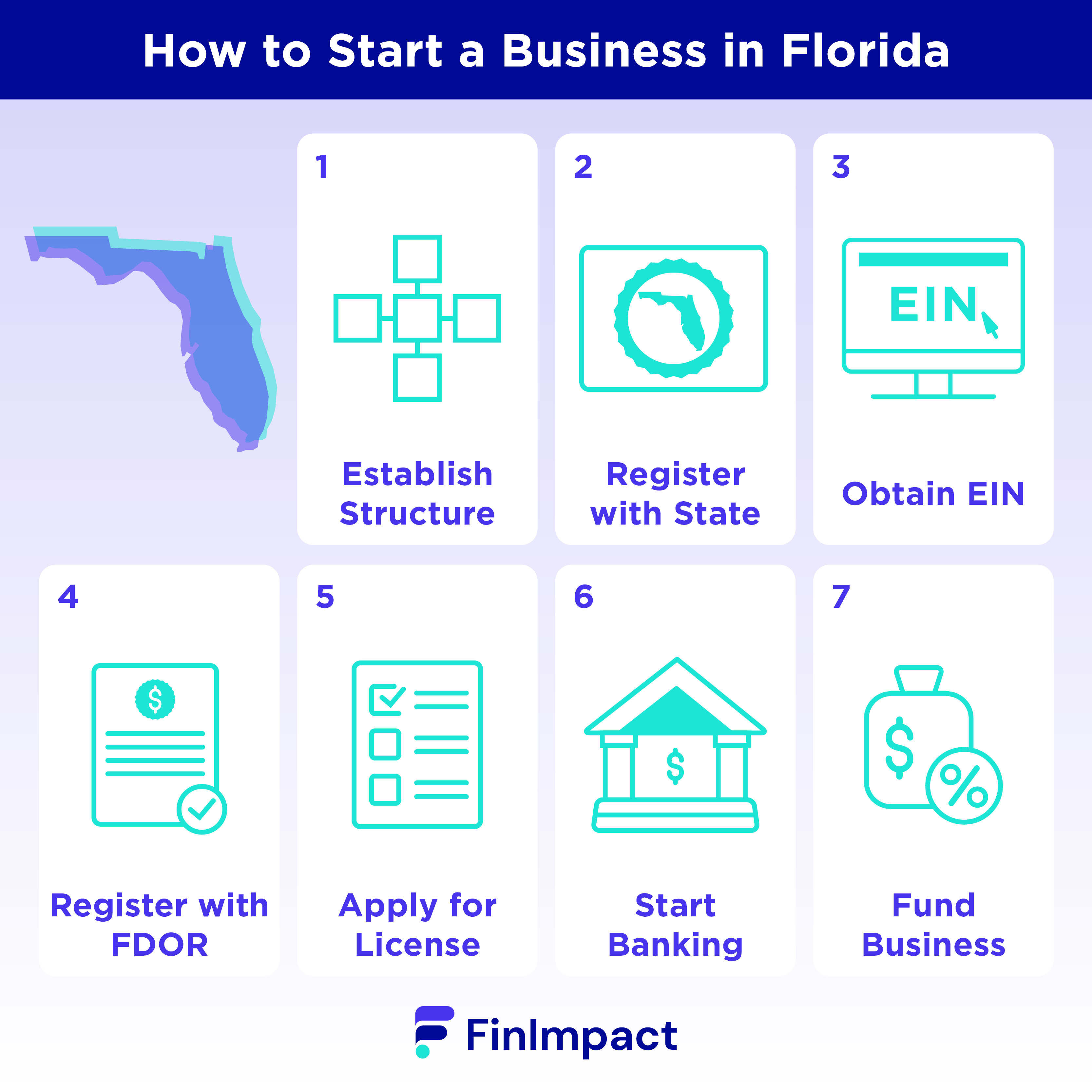
Once your financial plan is solid, the next step involves formalizing your business within Florida’s legal and financial framework. This ensures compliance and sets the stage for sound financial management.
Choosing the Right Business Structure
The legal structure of your business has significant financial and tax implications.
- Sole Proprietorship: Simple to set up, but offers no personal liability protection, meaning your personal assets are at risk. Taxes are filed on your personal income tax return.
- Partnership: Similar to sole proprietorships but with multiple owners. Financial liability is shared, and personal assets can still be at risk.
- Limited Liability Company (LLC): A popular choice in Florida, an LLC provides personal liability protection, separating your personal assets from your business debts. It offers flexible taxation options (pass-through taxation like a sole prop/partnership, or electing to be taxed as an S-corp or C-corp). This financial protection is invaluable.
- Corporation (C-Corp or S-Corp): Offers the strongest liability protection, but has more complex setup and compliance requirements. S-Corps allow profits and losses to be passed through directly to the owners’ personal income without being subject to corporate tax rates, avoiding “double taxation.” C-Corps are taxed separately from their owners. The choice depends on your financial goals, anticipated profits, and investor needs.
Understanding Florida Business Licenses and Permits
Florida has a multi-layered system for business licenses and permits, which carry associated costs. While Florida does not have a state-level general business operating license, most businesses require licenses or permits at the county and/or city level. Additionally, many professions are regulated by the Florida Department of Business and Professional Regulation (DBPR) or the Florida Department of Agriculture and Consumer Services (FDACS), requiring specific occupational licenses (e.g., real estate agents, contractors, barbers). Researching and budgeting for these fees is critical to avoid fines and ensure legal operation. Depending on your business, federal permits might also be necessary.
EIN, Bank Accounts, and Basic Bookkeeping Setup

Obtaining an Employer Identification Number (EIN) from the IRS is crucial for most business structures (required for LLCs with employees, partnerships, and corporations). This is your business’s federal tax ID. Once you have your EIN and business structure formalized, open a separate business bank account. This is a non-negotiable step for financial integrity and legal protection. Commingling personal and business funds can lead to financial chaos, complicate tax filing, and undermine the liability protection offered by an LLC or corporation. Finally, establish a basic bookkeeping system from day one. This can be as simple as a spreadsheet or dedicated accounting software (like QuickBooks, Xero, or FreshBooks). Accurate financial records are essential for tracking income and expenses, managing cash flow, preparing taxes, and making informed financial decisions.
Managing Your Business Finances for Sustainable Growth
Beyond the initial setup, continuous, diligent financial management is the bedrock of long-term success for any Florida small business.
Essential Financial Management Practices
- Budgeting: Regularly create and adhere to budgets. Track actual performance against your budget to identify deviations and adjust spending.
- Cash Flow Management: Understand your cash inflows and outflows. A healthy business can fail if it runs out of cash, even if it’s profitable on paper. Forecast cash flow regularly and maintain adequate working capital.
- Profit & Loss (P&L) Analysis: Review your P&L statements monthly or quarterly to understand your revenue, cost of goods sold, and operating expenses, ultimately revealing your net profit or loss.
- Balance Sheet Review: Periodically examine your balance sheet to understand your assets, liabilities, and owner’s equity, providing a snapshot of your business’s financial health.
- Cost Control: Continuously look for ways to reduce unnecessary expenses without compromising quality or operational efficiency.
Understanding Florida Sales Tax and Other State-Specific Taxes
Florida is one of the few states without a state income tax, which is a significant financial advantage for business owners. However, businesses are responsible for collecting and remitting Florida sales tax on taxable goods and services. The statewide sales tax rate is currently 6%, but local option surtaxes can increase the rate in specific counties. You must register with the Florida Department of Revenue to collect and remit sales tax. Furthermore, businesses may be subject to other Florida-specific taxes such as reemployment tax (unemployment insurance), corporate income tax (if structured as a C-Corp), and potentially property taxes. Understanding and complying with these tax obligations is vital to avoid penalties and ensure financial integrity.
Securing Business Insurance
Protecting your financial assets from unforeseen events is critical. In Florida, securing appropriate business insurance is not just a good practice, it’s often a necessity due to the state’s unique risks.
- General Liability Insurance: Protects your business from claims of bodily injury, property damage, and advertising injury.
- Property Insurance: Essential for protecting your business’s physical assets, especially in Florida where hurricane risk is a significant factor. Consider flood insurance separately if your location is in a flood zone.
- Workers’ Compensation Insurance: Legally required for most Florida businesses with employees, protecting both employees and the business from costs associated with work-related injuries or illnesses.
- Professional Liability (E&O) Insurance: For businesses offering professional services, protecting against claims of negligence or errors.
- Cyber Liability Insurance: Increasingly important to protect against financial losses from data breaches and cyberattacks.
Pricing Strategies for Profitability in the Florida Market
Your pricing strategy is a direct determinant of your financial success. In Florida’s diverse market, this requires careful consideration. Don’t just set prices based on costs; also factor in market demand, competitor pricing, perceived value, and your target profit margins. Consider dynamic pricing models if applicable, especially in tourist-heavy areas where demand fluctuates seasonally. Understand the price elasticity of your product or service within your specific Florida market segment. Regularly review and adjust your pricing to ensure it remains competitive and profitable while reflecting the value you provide.
Leveraging Florida’s Economic Landscape for Financial Advantage
Florida’s unique economic environment offers specific advantages that small business owners can leverage for financial benefit.
Identifying Local Incentives and Support Programs
Many Florida counties and cities offer incentives to attract and retain businesses, ranging from tax abatements and grant programs to favorable loan terms or reduced permitting fees. Economic development agencies at both the state (e.g., Enterprise Florida) and local levels often have programs designed to support small businesses. Research these opportunities thoroughly. Organizations like Florida Small Business Development Centers (SBDCs) and SCORE chapters are invaluable resources, offering free or low-cost financial consulting, workshops, and mentorship tailored to navigating Florida’s business landscape and accessing available funding or incentives.
Understanding Florida’s Business-Friendly Tax Environment
Beyond the absence of a state personal income tax, Florida generally boasts a business-friendly tax climate. The state has a relatively low corporate income tax rate for C-corporations, and many small businesses structured as pass-through entities (LLCs, S-Corps, Sole Proprietorships) avoid corporate income tax altogether. This can significantly reduce the tax burden compared to other states, allowing businesses to retain more capital for reinvestment or growth. However, it’s crucial to understand all local taxes, such as property taxes (for owned commercial real estate) and specific local surtaxes, which can vary by county.

Accessing Local Resources for Financial Guidance
Florida is rich with organizations dedicated to supporting small business financial health.
- Small Business Development Centers (SBDCs): Located across the state, SBDCs provide free, confidential business consulting, including financial analysis, loan packaging assistance, and strategic financial planning.
- SCORE: This non-profit organization offers free mentorship and workshops from experienced business professionals, many with deep financial expertise.
- Chambers of Commerce: Local chambers provide networking opportunities, local market insights, and sometimes access to local incentive programs or financial workshops.
- Certified Public Accountants (CPAs): Engaging a Florida-licensed CPA from the outset can be one of the best financial investments. They can assist with business structure advice, tax planning, payroll, financial statement preparation, and ensuring compliance with all state and federal financial regulations.
Starting a small business in Florida offers immense potential, but realizing that potential hinges on a steadfast commitment to financial diligence. From the meticulous planning of your initial capital and navigating the state’s legal and tax framework, to the ongoing management of cash flow and leveraging local financial resources, every step is a monetary decision. By focusing intently on these “Money” aspects, entrepreneurs can build a resilient, profitable, and enduring small business in the Sunshine State.
aViewFromTheCave is a participant in the Amazon Services LLC Associates Program, an affiliate advertising program designed to provide a means for sites to earn advertising fees by advertising and linking to Amazon.com. Amazon, the Amazon logo, AmazonSupply, and the AmazonSupply logo are trademarks of Amazon.com, Inc. or its affiliates. As an Amazon Associate we earn affiliate commissions from qualifying purchases.