
Dropshipping has emerged as a groundbreaking model for aspiring entrepreneurs seeking to enter the e-commerce landscape with significantly reduced financial barriers. In an era where online income streams are increasingly sought after, this business model allows individuals to sell products directly to customers without ever holding inventory. By eliminating the need for upfront stock purchases, warehouse management, and shipping logistics, dropshipping dramatically lowers startup costs and operational overhead, making it an attractive venture for anyone aiming to build a substantial online business or a lucrative side hustle. This guide will delve into the intricacies of establishing a successful dropshipping operation, focusing squarely on the financial strategies, management principles, and income generation potential inherent in this dynamic industry.

Understanding the Dropshipping Business Model and Its Financial Appeal
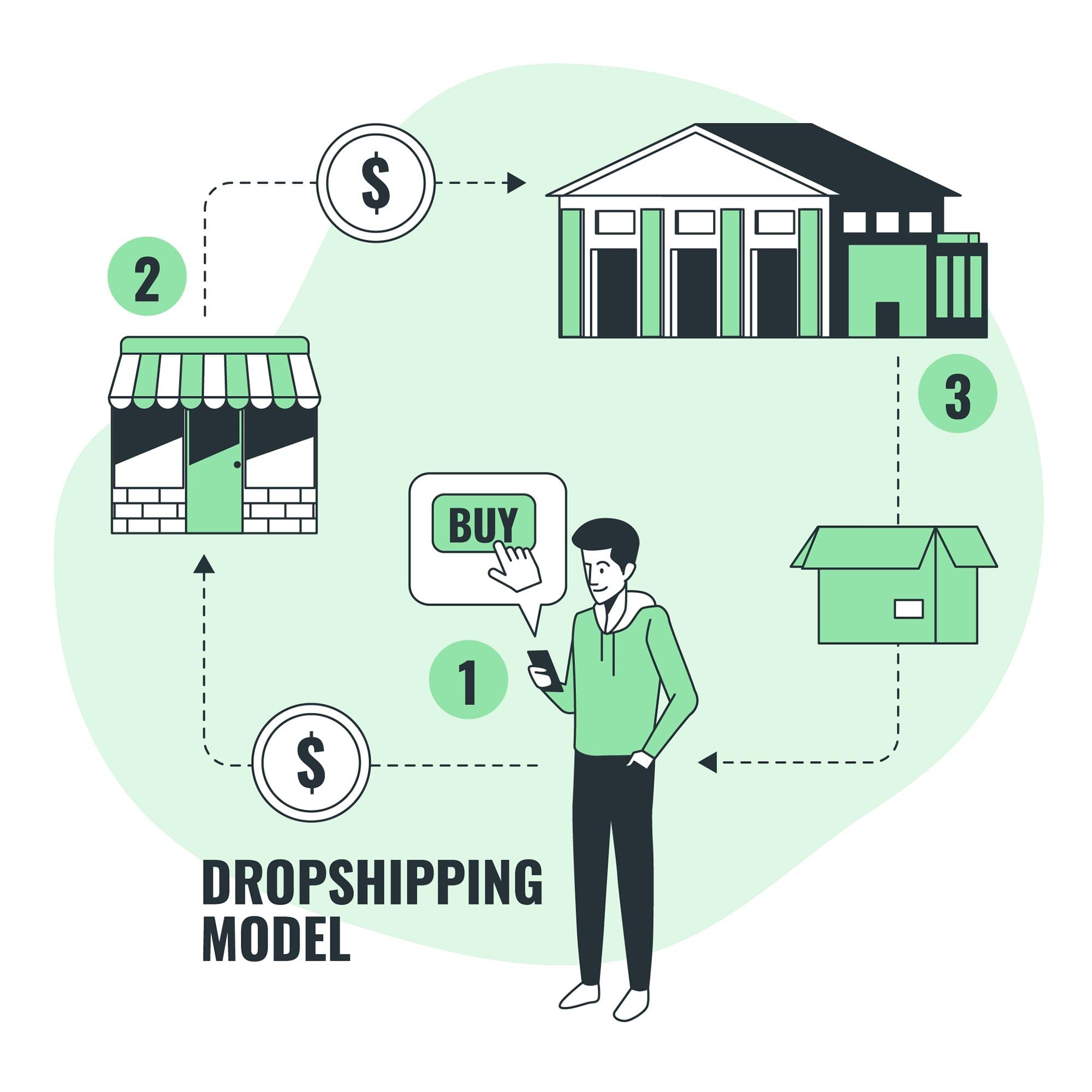
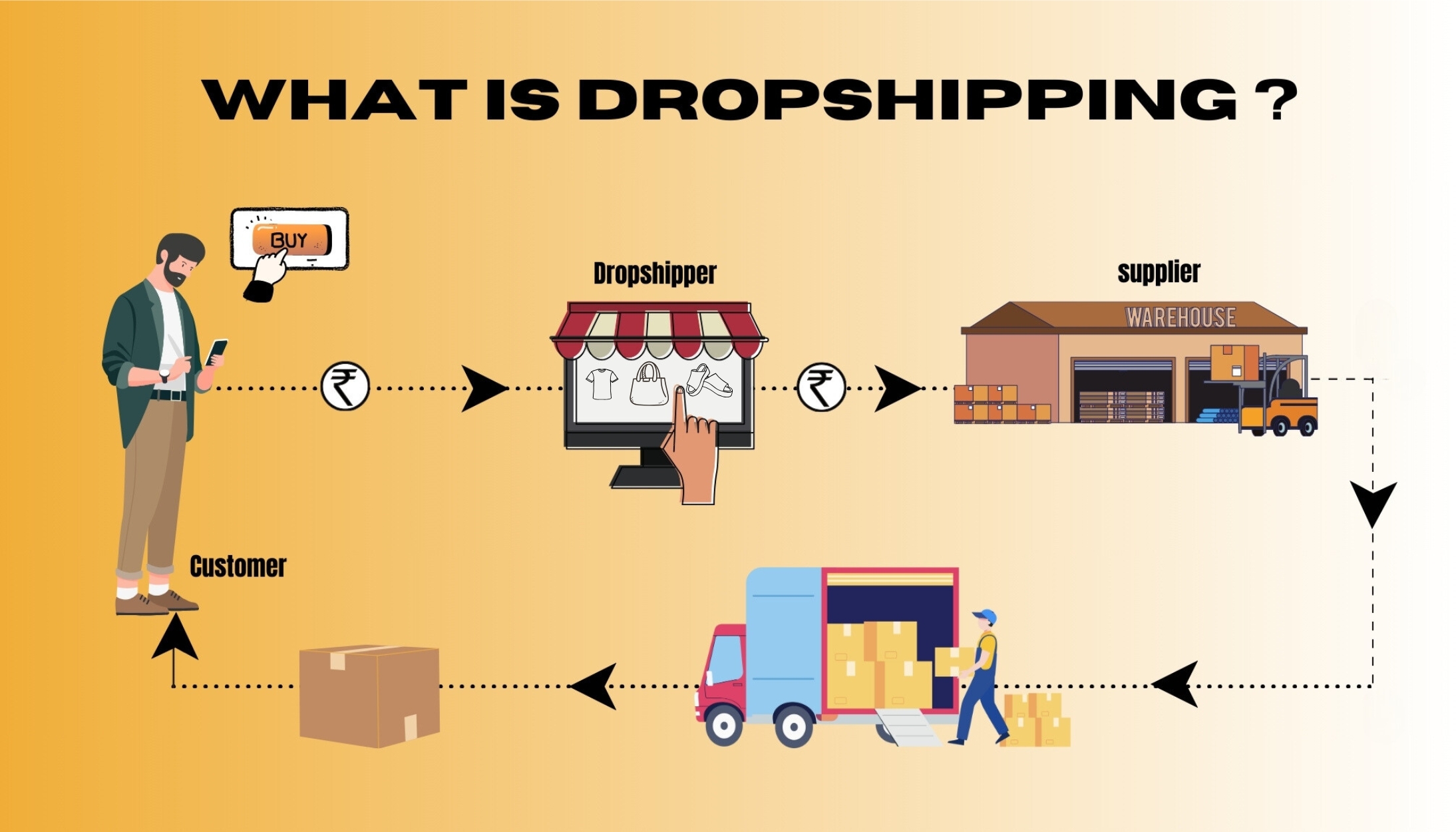
At its core, dropshipping is a retail fulfillment method where a store doesn’t keep the products it sells in stock. Instead, when a store sells a product, it purchases the item from a third party (a supplier or manufacturer) and has it shipped directly to the customer. This simple yet revolutionary concept fundamentally alters the financial dynamics of traditional retail, presenting unique opportunities and challenges that demand careful consideration from a monetary perspective.
What is Dropshipping? Explained Through a Financial Lens
Imagine selling a product you’ve never touched. That’s the essence of dropshipping. Your role is primarily marketing and customer service, acting as the intermediary between the customer and the supplier. From a financial standpoint, this means you only pay for a product after a customer has paid you, effectively eliminating the risk of unsold inventory and the capital tied up in stock. This cash flow advantage is one of the most compelling reasons entrepreneurs are drawn to dropshipping, as it allows for a lean operation that can scale without significant capital injections into physical goods. It transforms inventory from an asset that can become a liability into a direct, post-sale expense.
Why Dropshipping for Online Income? Leveraging Financial Advantages
The financial benefits of dropshipping are substantial. Firstly, low startup costs are paramount. Unlike traditional retail, which demands considerable investment in inventory, storefronts, and staff, dropshipping requires minimal initial capital. You primarily need funds for your e-commerce platform, domain, and initial marketing efforts. Secondly, scalability is inherent. As your business grows, you don’t need to worry about expanding warehouse space or hiring more fulfillment staff; your supplier handles the increased volume. This means your operational costs don’t necessarily skyrocket with increased sales, allowing for greater profit retention. Thirdly, the flexibility and location independence offer significant lifestyle advantages, enabling you to manage your business from anywhere, reducing overheads associated with physical locations. Finally, dropshipping allows for diversified product offerings without financial risk. You can experiment with various niches and products, quickly adapting to market trends without being stuck with outdated stock, maximizing opportunities for profit.
Potential Pitfalls and Financial Realities: Managing Expectations
While dropshipping presents an enticing path to online income, it’s crucial to acknowledge its financial realities and potential pitfalls. One significant challenge is thin profit margins, especially in highly competitive niches. Because the barrier to entry is low, many sellers might offer similar products, leading to price wars that erode profitability. Successful dropshippers often focus on unique niches, strong branding, or exceptional customer service to justify higher prices. Another concern is supplier reliability. Issues such as poor product quality, delayed shipping, or inconsistent stock can lead to customer dissatisfaction, refunds, and chargebacks, directly impacting your bottom line and necessitating diligent financial tracking for returns and allowances. Lastly, managing customer expectations regarding shipping times and product quality, which are largely out of your direct control, requires robust communication and a clear understanding of your refund policies to mitigate financial losses from disputes.
Laying the Financial Foundation: Planning Your Dropshipping Venture
The success of any dropshipping business hinges on meticulous planning, particularly concerning financial viability. Before launching your store, strategic decisions about market selection, budgeting, and supplier relationships will significantly influence your long-term profitability and sustainability.
Market Research and Niche Selection for Profitability
Choosing the right niche is arguably the most critical step in dropshipping. From a financial perspective, you’re looking for products with high demand, healthy profit margins, and manageable competition. Conduct thorough market research using tools like Google Trends, Keyword Planner, and social media analytics to identify trending products and underserved markets. Focus on niches that solve a specific problem or cater to a passionate audience, as these often command higher price points. Analyse competitors’ pricing strategies and marketing efforts to understand the financial landscape. Remember, a niche too broad can lead to intense competition and thin margins, while one too narrow might lack sufficient customer volume. The goal is to find a sweet spot that maximizes your potential for profitable sales.
Budgeting for Startup and Operating Costs: Investing Wisely
Despite the low startup costs, dropshipping is not entirely free. A comprehensive budget is essential. Initial investments typically include:
- E-commerce platform subscription: (e.g., Shopify, BigCommerce)
- Domain name registration: Your unique web address.
- Essential apps/plugins: For automation, marketing, or order fulfillment.
- Initial marketing spend: For ads on social media or search engines.
- Legal fees: For business registration, if applicable.
- Contingency fund: To cover unexpected costs or initial losses.
Ongoing operating costs will include monthly platform fees, transaction fees from payment processors, continuous marketing expenditure, and potentially costs for premium software or virtual assistants as you scale. Carefully track these expenses to ensure your revenue projections remain realistic and your profit margins healthy. A lean approach to spending in the initial phases is vital for financial longevity.
Supplier Vetting for Financial Security and Customer Satisfaction
Your supplier is the backbone of your dropshipping business, and their reliability directly impacts your financial health and customer satisfaction. Thoroughly vet potential suppliers based on several financial and operational criteria:
- Product quality and consistency: Poor quality leads to returns and refunds, draining profits.
- Pricing and discounts: Negotiate favorable terms to ensure healthy margins.
- Shipping times and costs: Long shipping times or expensive fees deter customers.
- Return and refund policies: Understand their process to manage customer service efficiently and avoid financial losses.
- Customer service and communication: Responsive suppliers can help resolve issues quickly, saving you time and money.
Using platforms like AliExpress, SaleHoo, or dedicated dropshipping apps integrated with your e-commerce store can streamline the process, but always test products yourself and read reviews to minimize financial risks associated with unreliable partners.
Building Your Dropshipping Store: The E-commerce Ecosystem
With your financial foundation laid, the next step involves establishing your online storefront. This stage requires strategic decisions regarding your e-commerce platform, product sourcing, pricing, and payment processing, all of which have direct financial implications for your operational efficiency and profitability.
Choosing the Right E-commerce Platform (Cost vs. Features)
The e-commerce platform you select will be the digital home for your dropshipping business. Popular choices include Shopify, WooCommerce (for WordPress), and BigCommerce, each offering a distinct balance of features, ease of use, and pricing structures.
- Shopify: Known for its user-friendliness and comprehensive app ecosystem, Shopify offers various subscription plans (starting around $29/month), making it ideal for beginners and growing businesses. Its integrated payment processor, Shopify Payments, simplifies transactions but incurs fees.
- WooCommerce: A free plugin for WordPress, WooCommerce offers immense flexibility and customization, but requires more technical expertise and managing your own hosting. While the plugin itself is free, you’ll incur costs for hosting, domain, and potentially premium themes or plugins, which can add up.
- BigCommerce: Similar to Shopify in its all-in-one approach, BigCommerce often caters to larger businesses with more robust inventory and sales features. Its pricing tiers scale with your sales volume, which can be a consideration as you grow.
Evaluate each platform’s total cost of ownership, including monthly fees, transaction fees, and potential app costs, against its features and scalability to make a financially sound decision for your specific needs.
Product Sourcing and Pricing Strategies for Profit Maximization
Once your platform is chosen, populating your store with products is next. Automation tools and integrations can significantly streamline product sourcing from platforms like AliExpress or specialized dropshipping suppliers. These tools allow you to import product details, images, and prices directly into your store, saving considerable time.
Your pricing strategy is paramount for profit maximization. A common approach is cost-plus pricing, where you add a desired profit margin percentage to your product’s cost (including shipping). However, consider value-based pricing for unique or high-demand products, where you price based on the perceived value to the customer rather than just your costs. Always factor in all associated costs: product cost, shipping fees, payment processing fees, and marketing expenses, when calculating your retail price. Regularly review competitor pricing to remain competitive while maintaining healthy margins. Dynamic pricing, reacting to demand and supply, can also be a powerful tool.
Setting Up Payment Gateways and Financial Processing
Secure and efficient payment processing is non-negotiable for any online business. Integrate reliable payment gateways like PayPal, Stripe, or your e-commerce platform’s native payment solution.
- Transaction Fees: Be aware of the transaction fees associated with each gateway (typically 2-3% plus a fixed fee per transaction). These fees directly impact your profit margins, so factor them into your pricing strategy.
- Payout Schedules: Understand how quickly funds are transferred from the gateway to your bank account. Cash flow management is crucial, especially in the early stages, and delays can impact your ability to pay suppliers or cover operating costs.
- Security: Ensure your chosen gateways comply with PCI DSS standards to protect customer financial data and build trust. A secure checkout process reduces cart abandonment and safeguards your business from potential fraud-related financial losses.
Driving Sales and Managing Finances for Growth
Generating sales is the lifeblood of any business, and in dropshipping, this often means strategic marketing. Beyond sales, robust financial management is crucial for understanding performance, controlling costs, and fostering sustainable growth.
Effective Marketing Strategies on a Budget
Since dropshipping emphasizes low startup costs, financially efficient marketing is key.
- Search Engine Optimization (SEO): Optimize your product listings and store pages for relevant keywords to attract organic traffic. While time-consuming, it’s a cost-effective long-term strategy for free traffic.
- Social Media Marketing: Leverage platforms like Instagram, Facebook, and TikTok. Create engaging content, run targeted ad campaigns, and utilize platform-specific features to reach your audience. Facebook and Instagram Ads allow precise targeting, enabling you to optimize your ad spend for maximum ROI.
- Email Marketing: Build an email list from day one. Offer incentives for sign-ups and use email campaigns for promotions, abandoned cart recovery, and customer retention. This is one of the most cost-effective marketing channels for repeat business.
- Influencer Collaborations: Partner with micro-influencers in your niche for product shout-outs. This can be more affordable than traditional advertising and often yields higher engagement due to built-in trust.
Focus on understanding your Customer Acquisition Cost (CAC) and Lifetime Value (LTV) to ensure your marketing spend is profitable.
Financial Management and Accounting Essentials
Diligent financial management is non-negotiable for dropshipping success.
- Track Income and Expenses: Implement a system to meticulously record all sales revenue, product costs, shipping fees, marketing expenses, platform subscriptions, and transaction fees. This can be done using spreadsheets or accounting software like QuickBooks or Xero.
- Profit and Loss (P&L) Statements: Regularly review your P&L statements to understand your profitability over specific periods. This helps identify profitable products and marketing channels, and areas where costs can be cut.
- Cash Flow Management: Monitor your cash inflows and outflows to ensure you always have enough liquidity to cover immediate expenses and pay suppliers on time. Dropshipping often involves receiving customer payments before paying suppliers, creating a positive cash flow, but managing refunds and returns is also critical.
- Separate Business Finances: Always keep personal and business finances separate. This simplifies accounting, tax preparation, and presents a professional image.
Scaling Your Business and Reinvesting Profits
As your dropshipping business gains traction, consider strategies for growth. This might involve expanding your product lines into complementary niches, entering new geographical markets, or diversifying your supplier base. Critically, learn to wisely reinvest profits. Instead of immediately withdrawing all earnings, allocate a portion back into the business for:
- Increased marketing budget: To reach a wider audience.
- Premium tools and software: For enhanced automation and analytics.
- Hiring virtual assistants: To offload tasks like customer service or social media management.
- Product development or private labeling: To create unique offerings and increase margins.
Strategic reinvestment fuels sustainable growth, turning a successful side hustle into a substantial online enterprise.
Legal and Tax Considerations for Your Dropshipping Business
Navigating the legal and tax landscape is a crucial, albeit often overlooked, aspect of starting a dropshipping business. Proper compliance protects your financial assets, prevents legal issues, and ensures your business operates legitimately.
Business Registration and Legal Structure (Financial Implications)
Deciding on your business’s legal structure has significant financial and liability implications:
- Sole Proprietorship: The simplest and cheapest to set up, but offers no personal liability protection. Your personal assets are not separate from your business debts.
- Limited Liability Company (LLC): Offers personal asset protection, separating your business debts from your personal finances. While more complex and expensive to set up than a sole proprietorship, the financial security it provides is invaluable for growth.
- Corporation (S-Corp/C-Corp): Offers maximum liability protection and potential tax advantages for larger businesses, but involves more stringent legal and accounting requirements.
Consult with a legal or financial advisor to choose the structure that best aligns with your financial risk tolerance and growth aspirations. Factor in the costs of registration and ongoing compliance.
Understanding Sales Tax and International Regulations
Sales tax compliance can be complex, especially in dropshipping where goods often cross state or national borders.
- Sales Tax Nexus: You generally need to collect sales tax in states where you have a “sales tax nexus”—a significant presence. This can be complex when your supplier is in one state, you are in another, and your customer is in a third. Research the laws for states where you make significant sales.
- Marketplace Facilitator Laws: Many e-commerce platforms (like Shopify) have integrations that can help automate sales tax collection and remittance, but understanding your obligations is key.
- International Sales: Selling to customers outside your country introduces Value-Added Tax (VAT) in Europe, Goods and Services Tax (GST) in Canada and Australia, and other customs duties. These taxes can significantly impact product pricing and customer satisfaction if not handled correctly. Factor these into your financial planning to avoid unexpected costs or customer disputes.
Protecting Your Financial Assets and Reputation
Protecting your business extends beyond sales tax.
- Terms and Conditions & Privacy Policy: Clear, legally compliant terms of service and a privacy policy are essential for managing customer expectations, outlining return/refund processes, and protecting your financial liability in disputes.
- Refund and Return Policies: Clearly define your policies based on your supplier’s terms. Mishandling returns can lead to chargebacks, which not only cost you money but can also negatively impact your payment processor relationships.
- Intellectual Property: Ensure you are not infringing on trademarks or copyrights with your product listings or branding, which can lead to costly legal battles and financial penalties.
A proactive approach to legal and tax compliance will safeguard your financial health and build a trustworthy reputation, essential for long-term success in the dropshipping arena.
Dropshipping offers an unparalleled opportunity to build a thriving online business with a minimal initial investment. By diligently understanding its financial mechanics, strategically planning your venture, optimizing your e-commerce operations, and rigorously managing your finances, you can transform this innovative business model into a powerful source of sustainable online income. Success in dropshipping is not just about selling products; it’s about astute financial management, continuous adaptation, and a keen eye for market opportunities. With dedication and a strategic approach, your dropshipping business can unlock significant financial freedom and entrepreneurial rewards.
aViewFromTheCave is a participant in the Amazon Services LLC Associates Program, an affiliate advertising program designed to provide a means for sites to earn advertising fees by advertising and linking to Amazon.com. Amazon, the Amazon logo, AmazonSupply, and the AmazonSupply logo are trademarks of Amazon.com, Inc. or its affiliates. As an Amazon Associate we earn affiliate commissions from qualifying purchases.