
In an increasingly digital world, the aspiration of building an independent income stream or launching a full-fledged enterprise has become more accessible than ever. Shopify, a leading e-commerce platform, stands as a formidable ally for aspiring and seasoned entrepreneurs alike, offering a comprehensive suite of tools designed to transform a business idea into a profitable reality. This article delves into the financial considerations and strategic approaches required to leverage Shopify for launching and scaling a successful online business, firmly rooting our discussion within the critical domain of Money.

Starting a business is, at its core, a financial endeavor. It involves capital allocation, revenue generation, profit optimization, and sustainable growth. Shopify simplifies many of the operational complexities, allowing entrepreneurs to focus intensely on these financial levers. By understanding how to strategically deploy resources, identify lucrative niches, and manage the flow of money, individuals can harness Shopify not just as a technology platform, but as a robust engine for financial independence and wealth creation.
The Financial Imperative: Why Shopify is a Strategic Choice for Online Ventures
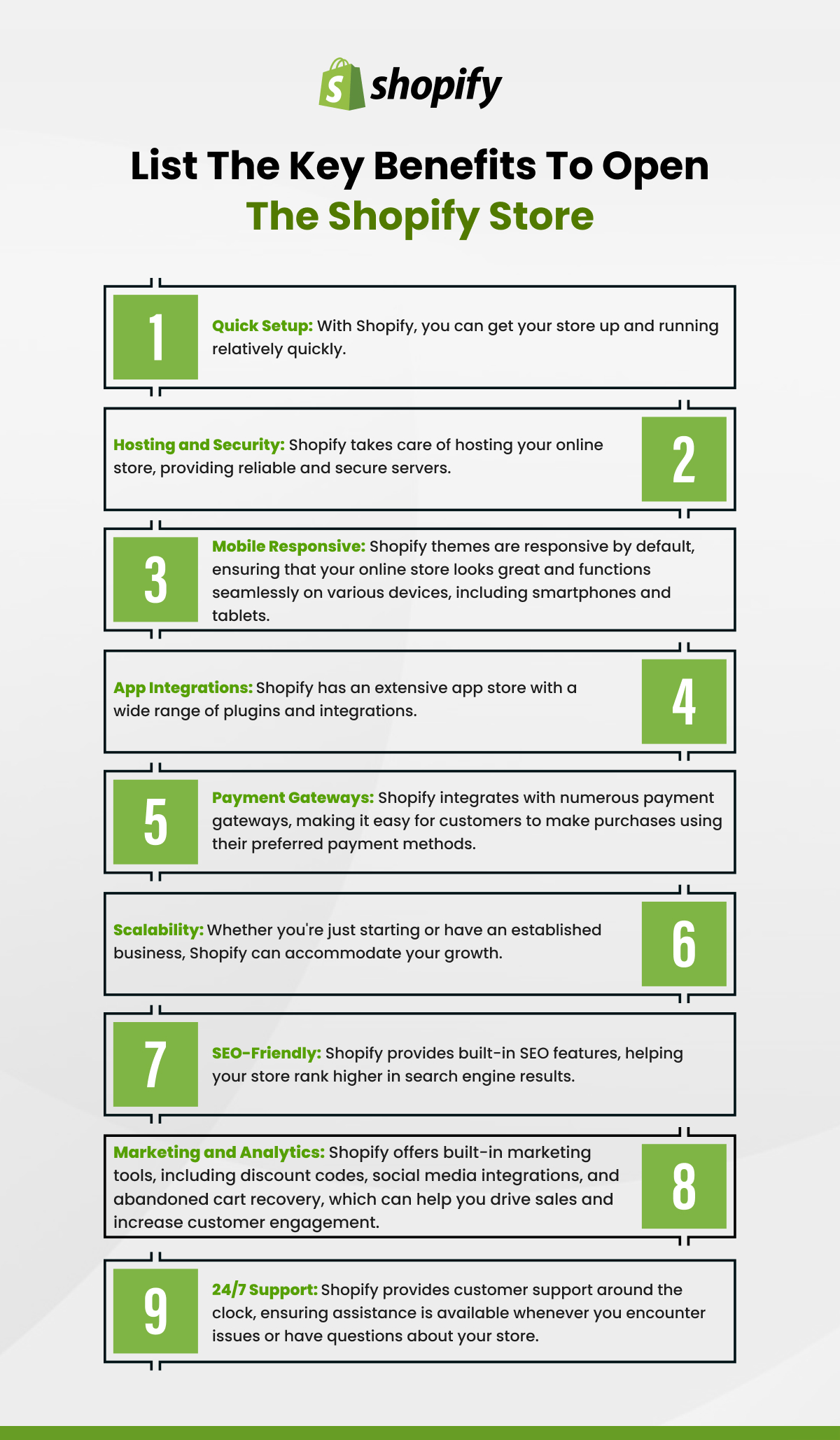
The decision to start a business is often motivated by a desire for financial autonomy, increased income, or the pursuit of a passion project with commercial viability. Shopify, as a platform, directly addresses many of the financial barriers typically associated with launching a new venture, making it an attractive proposition for those focused on bottom-line results and sustainable growth.
Low Barrier to Entry, High Return Potential
One of Shopify’s most compelling financial advantages is its ability to significantly reduce the overheads traditionally associated with starting a business. Unlike brick-and-mortar establishments that demand substantial capital for rent, utilities, fixtures, and staff, an online store on Shopify can be launched with minimal initial investment. Monthly subscription fees are modest, particularly for new businesses, and the robust infrastructure eliminates the need for expensive web development or server maintenance. This low barrier to entry democratizes entrepreneurship, allowing individuals to test market demand, refine product offerings, and iterate on business models without risking large sums of capital.
Furthermore, the scalability inherent in Shopify stores translates directly into high return potential. Once a product or service gains traction, the platform allows for easy expansion of inventory, customer reach through global shipping options, and the integration of marketing tools, all contributing to increased sales volume and, consequently, higher profit margins. The operational efficiencies gained from automated processes mean more revenue can be generated per unit of labor or capital invested, leading to a more favorable return on investment (ROI).
Demystifying Startup Costs and Budgeting
While Shopify significantly lowers the entry barrier, it’s crucial for any aspiring entrepreneur to approach the launch with a clear understanding of potential startup costs and a meticulous budget. Failing to account for these can quickly erode initial capital and stifle growth. Key financial components to budget for include:
-
Shopify Plan Subscription: Basic plans start at a reasonable monthly fee, but it’s important to choose one that aligns with current needs and future growth projections, as transaction fees vary.
-
Domain Name: A professional and memorable domain name is a small but necessary investment, typically an annual fee.
-
Theme (Optional): While free themes are available and highly functional, a premium paid theme might offer enhanced features and a more unique brand aesthetic, potentially improving conversion rates.
-
Apps and Integrations: The Shopify App Store offers a vast array of tools for everything from marketing and SEO to accounting and customer service. Many are free or freemium, but some essential ones might have monthly costs. These should be carefully selected for their direct financial impact and ROI.
-
Product Sourcing/Inventory: This can be the largest upfront cost. Whether it’s manufacturing, wholesale purchasing, or dropshipping (which minimizes inventory costs), a clear financial plan for acquiring goods is essential.
-
Marketing and Advertising: Attracting customers requires investment. Initial budgets for social media advertising, search engine marketing, or influencer collaborations are critical to generate initial sales.
-
Legal and Administrative: Business registration fees, necessary licenses, and professional accounting services should also be factored in.
A detailed budget not only helps in allocating funds but also provides a benchmark against which actual expenses can be measured, allowing for proactive financial adjustments.
Diverse Income Streams with Shopify
Shopify’s versatility means it supports a multitude of business models, each offering distinct income streams and financial characteristics. Understanding these options is key to choosing a path that aligns with one’s capital, risk tolerance, and profit aspirations.
-
Physical Goods: This is the most traditional e-commerce model, involving the sale of tangible products. It requires managing inventory, shipping logistics, and potentially manufacturing. Profitability hinges on competitive pricing, efficient supply chains, and effective marketing.
-
Dropshipping: This model eliminates the need for inventory management. When a customer places an order, the retailer purchases the item from a third-party supplier, who then ships it directly to the customer. This significantly reduces upfront capital and risk but typically involves lower profit margins per sale. Success here lies in identifying high-demand products and strong supplier relationships.
-
Print-on-Demand (POD): Similar to dropshipping, POD allows entrepreneurs to sell custom-designed products (t-shirts, mugs, posters) without holding inventory. Products are printed and shipped only after an order is placed. This is excellent for artists, designers, and those looking to build a brand around unique merchandise with minimal financial outlay.
-
Digital Products: E-books, online courses, software, music, and templates are high-margin products with virtually zero cost of goods sold after initial creation. This model offers incredible scalability and passive income potential, making it very attractive from a financial perspective.
-
Services: Freelancers, consultants, and service providers can use Shopify to sell their time, expertise, or packages. While less automated than product sales, Shopify provides a professional platform to present offerings and manage bookings and payments.
Each of these models presents unique financial dynamics, from initial capital requirements to ongoing operational costs and profit margins. A thorough financial analysis of each option will guide the entrepreneur to the most suitable income stream for their circumstances.
Laying the Financial Foundation: Setting Up Your Shopify Store for Profitability
Building a successful Shopify store isn’t just about selecting products; it’s about making strategic financial decisions from the outset that maximize profitability. This involves meticulous product selection, astute pricing, and the smart utilization of financial tools.
Product Selection and Niche Market Analysis for Revenue Optimization
The cornerstone of any profitable e-commerce business is the product itself. Identifying products with strong market demand, reasonable sourcing costs, and a clear value proposition is critical. This process involves thorough niche market analysis:
-
Identifying Gaps: Look for underserved markets or specific pain points that your product can solve. A narrower, focused niche often allows for more targeted marketing and stronger brand loyalty, leading to higher conversion rates and repeat purchases.
-
Assessing Demand: Use tools like Google Trends, Amazon Bestsellers, or social media listening to gauge interest in potential product categories. High demand translates to higher sales potential.
-
Analyzing Competition: Understand your competitors’ offerings, pricing, and marketing strategies. Identify how you can differentiate your product or service to capture market share.
-
Calculating Profit Margins: Before committing to a product, meticulously calculate its potential profit margin. Factor in all costs: product acquisition, shipping, Shopify fees, payment processing fees, marketing, and any app subscriptions. A healthy margin is essential for sustainable growth and allows for reinvestment.
Choosing a profitable niche and product means fewer resources wasted on ineffective marketing and inventory that doesn’t sell, directly contributing to a stronger financial footing.
Pricing Strategies for Sustainable Margins
Pricing is a delicate balance between attracting customers and ensuring profitability. An effective pricing strategy not only covers costs but also positions your brand in the market and contributes to long-term financial health.
-
Cost-Plus Pricing: The simplest method, where you calculate all costs associated with a product and add a desired profit margin. While straightforward, it doesn’t always account for market demand or perceived value.
-
Value-Based Pricing: Pricing products based on the perceived value they offer to the customer, rather than just their cost. If your product solves a significant problem or offers unique benefits, you might be able to command a premium price. This requires a deep understanding of your target customer and their willingness to pay.
-
Competitive Pricing: Setting prices in line with, or slightly above/below, your competitors. This requires constant monitoring of the market. It’s often used when products are highly commoditized.
-
Psychological Pricing: Utilizing strategies like “charm pricing” (e.g., $9.99 instead of $10.00) or tiered pricing models to influence customer perception and encourage sales.
Beyond the initial price, consider strategies like bundling, discounts for bulk purchases, subscription models for recurring revenue, and flash sales. Each pricing decision should be made with a clear understanding of its impact on your average order value (AOV) and overall profitability.
Essential Financial Tools and Apps within the Shopify Ecosystem
Shopify’s app store is a treasure trove of tools that can streamline financial operations, improve efficiency, and provide crucial insights. Integrating the right apps can save time, reduce errors, and inform better financial decisions.
-
Accounting Integrations: Apps that sync your Shopify sales data directly with accounting software like QuickBooks, Xero, or FreshBooks are invaluable. They automate reconciliation, simplify tax preparation, and provide real-time financial reporting, ensuring you have an accurate picture of your business’s financial health.
-
Inventory Management: For physical products, robust inventory management apps help track stock levels, manage suppliers, automate reordering, and prevent overselling. Efficient inventory management directly impacts cash flow by minimizing capital tied up in unsold goods and preventing lost sales due to stockouts.
-
Sales Tracking and Analytics: Shopify’s built-in analytics are strong, but third-party apps can offer deeper insights into customer behavior, conversion funnels, and marketing ROI. Understanding where sales are coming from and how much each channel costs can optimize your marketing spend and improve overall profitability.
-
Fraud Prevention: E-commerce is susceptible to fraud. Apps designed to detect and prevent fraudulent orders can save businesses significant financial losses from chargebacks and lost merchandise.
-
Subscription Management: For businesses offering subscription products or services, apps that manage recurring billing, payment failures, and customer subscriptions are essential for maintaining a steady, predictable income stream.

Investing in the right financial tools is not an expense but an investment that yields returns through efficiency, accuracy, and informed decision-making.
Monetization and Growth: Strategies for Scaling Your Shopify Business
Once your Shopify store is operational and generating initial sales, the focus shifts to sustained monetization and growth. This phase is heavily dependent on smart financial planning, strategic marketing, and continuous optimization to scale revenue and expand profitability.
Driving Sales and Maximizing Revenue Through Marketing
Effective marketing is the engine of revenue growth. However, in the “Money” context, it’s not just about spending, but about investing in marketing channels that deliver a measurable return on investment (ROI).
-
Search Engine Optimization (SEO): Optimizing your store and product pages for search engines is a long-term investment that yields organic, free traffic. While not an immediate cash injection, consistent SEO efforts can significantly reduce reliance on paid advertising over time, thereby improving profit margins.
-
Paid Advertising (PPC): Platforms like Google Ads, Facebook/Instagram Ads, and TikTok Ads offer immediate visibility and highly targeted reach. Financial discipline here means setting clear budgets, monitoring Cost Per Click (CPC) and Cost Per Acquisition (CPA), and continuously optimizing campaigns for maximum ROI. A/B testing ad creatives and landing pages can significantly improve conversion rates.
-
Email Marketing: Building an email list is one of the most cost-effective ways to drive repeat sales. Automating welcome sequences, abandoned cart reminders, and promotional campaigns can generate significant revenue with minimal ongoing cost once set up. The ROI of email marketing is consistently high, making it a financial cornerstone.
-
Influencer Marketing: Collaborating with influencers can provide access to engaged audiences. It’s crucial to negotiate clear financial terms, track performance (e.g., through unique discount codes), and ensure the influencer’s audience aligns with your target market for optimal spending effectiveness.
-
Conversion Rate Optimization (CRO): Beyond driving traffic, ensuring visitors convert into paying customers is paramount. This involves optimizing product pages, checkout processes, and site navigation. A higher conversion rate means more revenue from the same amount of traffic, effectively reducing the “cost” of each visitor.
Every marketing dollar spent should be viewed as an investment, with clear metrics established to track its financial return.
Financial Planning for Expansion
Growth brings its own set of financial challenges and opportunities. Strategic financial planning is essential to manage cash flow effectively and fund expansion.
-
Reinvesting Profits: A common strategy for early-stage businesses is to reinvest a significant portion of profits back into the business. This could be for increasing inventory, developing new products, enhancing marketing efforts, or upgrading to a higher Shopify plan with better features.
-
Managing Cash Flow: As sales grow, so do expenses like inventory purchases, shipping, and marketing. A robust cash flow forecast helps anticipate periods of surplus and deficit, allowing for proactive measures like securing short-term credit or adjusting spending. Understanding your cash conversion cycle is critical.
-
Understanding Capital Requirements for Growth: Expanding often requires more capital than retained earnings can provide. This might involve seeking business loans, lines of credit, or even external investment. A solid business plan and detailed financial projections are necessary to attract funding. This includes projecting future revenue, costs, and profit.
-
Scaling Infrastructure: Growth necessitates investments in more efficient shipping solutions, potentially larger storage facilities, or hiring additional staff. These operational expansions have direct financial implications that must be planned for.
Failing to plan for the financial demands of growth can lead to cash flow crises, even for businesses with strong sales.
Diversifying Income and Mitigating Financial Risk
Relying on a single product or a narrow customer base can expose a business to significant financial risk. Diversification, both in product offerings and revenue streams, is a key strategy for long-term financial stability.
-
Expanding Product Lines: Once your initial products gain traction, consider introducing complementary items, upsells, or cross-sells. This increases the average order value (AOV) and customer lifetime value (CLTV) from existing customers, which is often cheaper than acquiring new ones.
-
Exploring New Markets: Shopify makes it relatively easy to sell internationally. Expanding into new geographic markets can unlock new revenue streams, but it requires careful consideration of shipping costs, customs duties, currency exchange rates, and local regulations.
-
Building Customer Loyalty for Recurring Revenue: Loyalty programs, subscription boxes, or membership models can create predictable, recurring revenue streams. Retaining existing customers through exceptional service and value is often more cost-effective than constantly acquiring new ones, bolstering your financial resilience.
-
Multiple Marketing Channels: Diversifying marketing efforts across several channels (e.g., SEO, paid ads, email, social media, affiliate marketing) reduces reliance on any single source of traffic, mitigating the financial risk if one channel’s performance declines.
Strategic diversification helps insulate your business from market fluctuations and ensures a more stable financial future.
Operational Finance: Managing the Money Behind Your Shopify Business
Beyond initial setup and growth strategies, the day-to-day financial management of a Shopify business is crucial for sustained profitability and compliance. This involves careful handling of transactions, inventory, and regulatory requirements.
Understanding Payment Gateways and Transaction Fees
Shopify offers various payment processing options, and understanding their financial implications is vital.
-
Shopify Payments: This is Shopify’s native payment gateway, often offering competitive rates and seamless integration. A significant financial advantage of Shopify Payments is that it waives additional transaction fees that Shopify typically charges when using third-party gateways. This can lead to substantial savings, especially for high-volume stores.
-
Third-Party Gateways: While Shopify Payments is often preferred, businesses may opt for other gateways like PayPal, Stripe, or Afterpay for specific reasons (e.g., local market preference, specific financing options). It’s crucial to factor in both the payment gateway’s fees and Shopify’s additional transaction fee (which varies by plan) when calculating your gross profit margin per sale.
-
Chargebacks: E-commerce businesses must also account for the financial impact of chargebacks, where a customer disputes a transaction. While fraud detection tools help, successful chargebacks result in lost revenue, lost product, and often a chargeback fee from the payment processor.
Careful selection of payment methods and clear understanding of all associated fees directly impact your net profit.
Inventory Management and Cost of Goods Sold (COGS)
For businesses selling physical products, efficient inventory management is a direct driver of financial health.
-
Optimizing Stock Levels: Carrying too much inventory ties up capital, incurs storage costs, and increases the risk of obsolescence. Too little inventory leads to stockouts and lost sales. Implementing just-in-time inventory practices or using predictive analytics can optimize stock levels, improving cash flow.
-
Calculating Cost of Goods Sold (COGS): Accurately calculating COGS is essential for determining gross profit. COGS includes all direct costs attributable to the production of the goods sold by a company (e.g., raw materials, direct labor, manufacturing overhead). For retailers, it includes the purchase price of the goods, plus any direct costs to get them ready for sale.
-
Inventory Valuation: Methods like FIFO (First-In, First-Out) or weighted average impact how inventory is valued and how COGS is reported, which in turn affects reported profit and tax liabilities.
-
Managing Returns: Returns are an inevitable part of e-commerce and have a direct financial cost (shipping, restocking, potential loss of product value). A clear, efficient return policy and process can mitigate these costs.
Effective inventory management ensures capital is efficiently utilized, contributing directly to higher profitability and improved cash flow.
Tax Compliance and Record Keeping for E-commerce
Navigating tax obligations is a critical, albeit often overlooked, aspect of operational finance for a Shopify business. Neglecting this can lead to severe financial penalties.
-
Sales Tax: Understanding sales tax nexus (where you are required to collect sales tax) and the varying rates in different jurisdictions is complex. Shopify offers features and apps to help automate sales tax calculation and collection, but the ultimate responsibility lies with the business owner.
-
Income Tax: All profits generated by your Shopify business are subject to income tax. Proper record-keeping is essential to accurately report income and deductions. This includes tracking all revenue, expenses, and assets.
-
VAT/GST (International Sales): If selling internationally, understanding Value Added Tax (VAT) or Goods and Services Tax (GST) requirements in different countries is crucial for pricing and compliance.
-
Record Keeping: Maintaining meticulous financial records – invoices, receipts, bank statements, Shopify sales reports, and payroll records (if applicable) – is non-negotiable. These records are vital for tax purposes, financial analysis, and potential audits. Using integrated accounting software significantly simplifies this process.
-
Legal Structure: The chosen legal structure for your business (sole proprietorship, LLC, corporation) has significant implications for how taxes are filed and personal liability is managed. Consulting with a financial advisor or accountant early on is a wise investment.
Proactive tax planning and diligent record-keeping not only ensure compliance but also provide the accurate financial data needed to make informed strategic decisions for your Shopify business’s sustained financial health and growth.
In conclusion, starting a business with Shopify is a journey firmly rooted in financial strategy. From the initial investment decisions and product profitability analysis to advanced monetization techniques and meticulous financial operations, every step is a financial calculation. By treating Shopify not just as a technology platform but as a powerful financial tool, entrepreneurs can effectively manage costs, maximize revenue, ensure compliance, and ultimately build a financially robust and thriving online enterprise. The potential for financial independence and wealth creation through Shopify is immense for those who approach it with a keen understanding of the money aspects.
aViewFromTheCave is a participant in the Amazon Services LLC Associates Program, an affiliate advertising program designed to provide a means for sites to earn advertising fees by advertising and linking to Amazon.com. Amazon, the Amazon logo, AmazonSupply, and the AmazonSupply logo are trademarks of Amazon.com, Inc. or its affiliates. As an Amazon Associate we earn affiliate commissions from qualifying purchases.