
Navigating the world of significant financial commitments, whether it’s buying a home, a car, or securing a substantial personal loan, often begins with a crucial first step: preapproval. This preliminary assessment by a lender offers a clear financial compass, helping you understand your borrowing capacity before you dive deep into the market. While the question “how much can I get preapproved for?” seems straightforward, the answer is multi-faceted, influenced by a combination of personal financial health, lender policies, and the type of loan you seek.
Preapproval is more than just a rough estimate; it’s a conditional commitment from a lender, outlining the maximum amount they are willing to lend you, along with potential interest rates and terms. It provides immense clarity, empowering you to shop with confidence, negotiate from a stronger position, and streamline the eventual transaction process. This article will demystify the preapproval process, explore the key factors that dictate your preapproved amount, guide you through the steps involved, and offer strategies to maximize your potential.
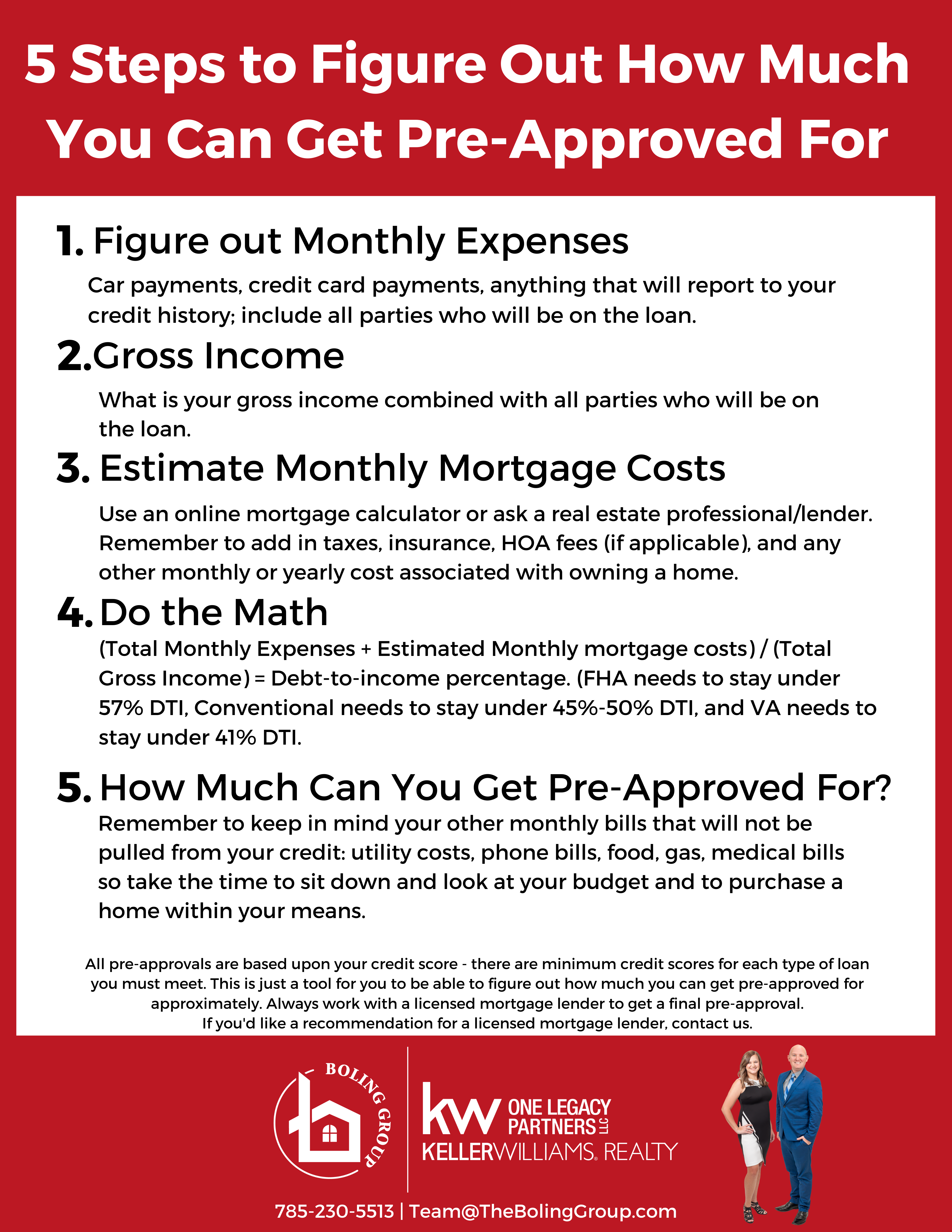
Understanding Preapproval: What It Is and Why It Matters
Before embarking on a major purchase or financial endeavor, understanding your borrowing limits is paramount. Preapproval serves as this vital groundwork, giving you a realistic picture of your financial standing in the eyes of potential lenders.
Defining Preapproval vs. Prequalification
It’s common to confuse prequalification with preapproval, but there’s a significant distinction between the two, particularly concerning their reliability and the depth of the lender’s assessment:
-
Prequalification: This is a much less formal process. It’s often based on self-reported financial information, such as your income, debts, and assets. Lenders typically conduct a “soft credit pull,” which doesn’t affect your credit score. Prequalification provides a rough estimate of how much you might be able to borrow, serving as an early, informal guideline. It’s useful for a very preliminary idea, but it carries no commitment from the lender.
-
Preapproval: This is a more rigorous and reliable process. For preapproval, you’ll need to provide verifiable documentation of your financial situation, including income statements, bank accounts, and employment history. The lender will perform a “hard credit pull,” which may temporarily ding your credit score by a few points. In return, you receive a preapproval letter – a conditional offer stating the exact loan amount the lender is willing to extend, subject to a final property appraisal (for mortgages) and a full review of all documentation.
The key takeaway is that preapproval carries much more weight. It signifies a lender’s serious intent to lend to you, making it a powerful tool when you’re ready to make an offer.
The Strategic Advantages of Being Preapproved
Securing preapproval offers several distinct advantages that can significantly smooth your path toward a major financial goal:
-
Confidence in Searching: Knowing your exact budget eliminates guesswork and prevents you from falling in love with something you can’t afford. For homebuyers, this means only looking at properties within your confirmed price range.
-
Speeding Up Transactions: In competitive markets, time is often of the essence. A preapproval letter demonstrates to sellers (or dealerships, for car loans) that you are a serious and qualified buyer, ready to move quickly. This can be a decisive factor in your offer being accepted over others.
-
Strengthening Your Offer: A preapproval letter acts as a tangible assurance to sellers that you have the financial backing to complete the purchase. This can give your offer a significant edge, particularly when multiple bids are on the table, as it reduces the perceived risk for the seller.
-
Identifying Potential Issues Early: The preapproval process forces a thorough review of your finances. If there are any discrepancies in your credit report, issues with your income verification, or other red flags, you’ll discover them early enough to address them before they derail a potential deal.
-
Potential for Better Terms: While not guaranteed, being preapproved might give you leverage to negotiate more favorable interest rates or loan terms, as lenders see you as a less risky borrower.
Key Factors Influencing Your Preapproval Amount
The amount a lender is willing to preapprove you for is not arbitrary; it’s a meticulously calculated figure based on a comprehensive assessment of your financial health and the lender’s risk appetite. Several critical factors come into play:
Your Credit Score and History
Your credit score is arguably the most influential factor. It’s a numerical representation of your creditworthiness, derived from your credit history. Lenders use scores (like FICO or VantageScore) to quickly gauge your reliability as a borrower.
-
Higher Score, Better Terms: Generally, a higher credit score (typically above 700 for good, 760+ for excellent) indicates a lower risk, making you eligible for larger loan amounts and more favorable interest rates.
-
Key Elements of Credit History: Lenders look at your payment history (on-time payments are crucial), credit utilization (how much credit you’re using versus how much is available), the length of your credit history, and the types of credit you’ve managed (e.g., credit cards, auto loans, mortgages).
-
Impact of Derogatory Marks: Bankruptcies, foreclosures, or a history of missed payments will significantly reduce your preapproval amount or even lead to denial.
Income and Employment Stability
Lenders need assurance that you have a consistent and sufficient income stream to repay the loan.
-
Verifying Income: You’ll typically need to provide pay stubs (for employed individuals), W-2 forms, and sometimes two years of tax returns, especially if you’re self-employed, have variable income, or have undergone recent job changes.
-
Debt-to-Income (DTI) Ratio: This is a crucial metric. Your DTI ratio compares your total monthly debt payments to your gross monthly income. Lenders typically prefer a DTI ratio below 36%, though some programs allow up to 43-50%. A lower DTI signifies that you have more disposable income to cover new loan payments.
-
Employment History: Lenders prefer to see stable employment, ideally with the same employer for at least two years. Frequent job changes, even within the same industry, can sometimes be viewed as a risk factor.
Existing Debts and Financial Obligations
Your current financial commitments directly impact your ability to take on new debt.
-
Common Debts: This includes credit card balances, student loan payments, auto loan payments, personal loan payments, and any existing mortgage payments.
-
Impact on DTI: Every existing monthly debt payment contributes to your DTI ratio, reducing the amount a lender might be willing to extend for a new loan. Even if you have a high income, substantial existing debt can limit your preapproval amount.
Down Payment and Assets (for Mortgages/Large Loans)
For larger loans like mortgages, the amount you can contribute upfront plays a significant role.
-
Down Payment: A larger down payment reduces the loan amount needed and the lender’s risk. It can also help you avoid private mortgage insurance (PMI) on conventional loans if you put down 20% or more.
-
Loan-to-Value (LTV) Ratio: This ratio compares the loan amount to the value of the asset. A lower LTV (meaning a larger down payment) is generally more favorable.
-
Other Liquid Assets: Lenders may also look at your savings accounts, investment portfolios, and other liquid assets as reserves, demonstrating your ability to cover several months of payments if income temporarily ceases, or to cover closing costs.
Loan Type and Lender Policies
The type of loan you’re applying for (e.g., conventional mortgage, FHA loan, VA loan, auto loan, personal loan) will have different qualification criteria, maximum loan limits, and specific requirements.
-
Mortgages: FHA loans have specific down payment and credit requirements, while VA loans offer 0% down for eligible veterans. Conventional loans often require higher credit scores.
-
Auto Loans: Lenders often consider the vehicle’s value and age, alongside your financial profile.
-
Personal Loans: These are often unsecured, making credit score and DTI even more critical.
-
Lender-Specific Criteria: Each lender has its own risk assessment models and policies, meaning you might get slightly different preapproval amounts from different institutions, even with the same financial profile.
The Preapproval Process: Step-by-Step
Understanding the factors influencing your preapproval is one thing; navigating the actual process is another. Here’s a typical walkthrough:
Gathering Your Documents
Preparation is key. Before applying, collect all necessary financial documents. This usually includes:
-
Identification: Government-issued ID (driver’s license, passport).
-
Proof of Income: Recent pay stubs (30-60 days), W-2 forms (last two years), tax returns (last two years, especially for self-employed individuals), proof of other income (alimony, child support, social security).
-
Bank Statements: Statements from all checking and savings accounts (last two months).
-
Asset Information: Statements for investment accounts, retirement accounts.
-
Debt Information: Statements for all outstanding debts (credit cards, student loans, auto loans, personal loans) and any existing mortgage statements.
-
Rent/Mortgage History: Proof of on-time payments.
Choosing a Lender and Application

Don’t settle for the first lender you encounter. Shop around!
-
Compare Lenders: Research different banks, credit unions, and online lenders. Compare their interest rates, fees, customer service reputation, and specific loan programs.
-
Submit Your Application: You can apply online, over the phone, or in person. Be thorough and honest when filling out the application. Providing accurate information from the outset will prevent delays.
Credit Check and Underwriting Review
Once you submit your application:
-
Hard Credit Inquiry: The lender will perform a “hard pull” on your credit report. This allows them to see your full credit history and score. Multiple hard inquiries for the same type of loan within a short window (typically 14-45 days, depending on the scoring model) are usually grouped and treated as a single inquiry, minimizing impact on your score.
-
Underwriting Review: An underwriter will meticulously review all the documents you provided, verifying your income, assets, debts, and employment. They assess the overall risk profile based on both your financial data and the lender’s specific criteria.
Receiving Your Preapproval Letter
If your application is successful, you will receive a preapproval letter.
-
What It Contains: This letter will clearly state the maximum loan amount you are preapproved for, the estimated interest rate (which can still fluctuate until you lock it in), the type of loan, and the terms of the conditional offer. It will also have an expiration date, usually 60 to 90 days.
-
Understanding Limitations: Remember, a preapproval is conditional. For mortgages, it does not guarantee the property you choose will be approved (it needs to appraise correctly and meet lender guidelines). For any loan, it requires that your financial situation remains stable until closing.
Maximizing Your Preapproval Potential
Want to increase the amount you’re preapproved for or secure more favorable terms? Strategic financial management can make a significant difference.
Improving Your Credit Score
A higher credit score is your best friend in the preapproval process.
-
Pay Bills On Time: This is the most crucial factor. Set up autopay or reminders to ensure no payment is missed.
-
Reduce Credit Utilization: Keep your credit card balances low, ideally below 30% of your available credit. Paying down existing balances can quickly boost your score.
-
Review Your Credit Report: Obtain free copies of your credit report from AnnualCreditReport.com and dispute any errors immediately.
-
Avoid New Credit: Don’t open new credit accounts or close old ones before applying for preapproval, as this can negatively impact your score or credit history.
Reducing Your Debt-to-Income Ratio
Lowering your DTI ratio makes you a more attractive borrower.
-
Pay Down Existing Debts: Prioritize paying off high-interest debts or those with large monthly payments.
-
Avoid Taking on New Debt: Refrain from making large purchases on credit or taking out new loans in the months leading up to and during the preapproval process.
-
Increase Income (if possible): While not always feasible in the short term, a stable increase in gross income will also improve your DTI.
Increasing Your Down Payment or Reserves
For large purchases, a larger contribution can significantly enhance your borrowing power.
-
Save Diligently: Start saving early and consistently for your down payment and closing costs.
-
Explore Gift Funds: If you receive gift money for a down payment (e.g., from family), ensure you have proper documentation to satisfy lender requirements.
-
Build Your Reserves: Having a healthy emergency fund or additional liquid assets beyond your down payment demonstrates financial stability.
Strategic Timing and Multiple Applications
While multiple hard inquiries can affect your score, there’s a strategic way to shop for rates.
-
Group Inquiries: Credit scoring models understand that consumers shop for the best rates. If you apply for similar types of loans (e.g., several mortgage preapprovals) within a specific window (typically 14-45 days), these inquiries are often treated as a single event, minimizing the impact on your credit score.
-
Don’t Delay: Once you’re ready to apply for preapproval, don’t wait too long between applications to benefit from this grouping.
What to Do Once You’re Preapproved
Receiving your preapproval letter is a significant milestone, but it’s not the end of the journey. Maintaining your financial standing is crucial until your loan officially closes.
Sticking to Your Budget
The preapproval amount is the maximum you can borrow, not necessarily what you should spend.
-
Comfort vs. Max: Always remember that your preapproval amount represents the lender’s maximum comfort level, not necessarily yours. Stick to a budget that feels comfortable and sustainable, allowing for other financial goals and unexpected expenses.
-
Factor in Additional Costs: Remember to account for other costs beyond the loan amount, such as closing costs, moving expenses, new furniture, or property taxes and insurance (for homes).
Avoiding Major Financial Changes
Your preapproval is based on your financial situation at the time of application. Any significant changes can jeopardize it.
-
Do Not Open New Credit Accounts: Resist the urge to open new credit cards, apply for furniture financing, or take out new loans. This changes your DTI and can trigger additional credit inquiries.
-
Do Not Make Large Purchases: Avoid buying a new car, expensive appliances, or making other major purchases on credit.
-
Do Not Change Jobs: A change in employment, even for a higher salary, can flag your application for re-verification and delay or even cancel your loan.
-
Do Not Miss Payments: Continue to pay all your bills on time to maintain your credit score.
Reaching Out to Your Lender
Maintain open communication with your lender throughout the process.
-
Report Changes: If your financial situation does change (e.g., job loss, unexpected large expense), inform your lender immediately.
-
Monitor Expiration: Keep track of your preapproval letter’s expiration date. If you haven’t closed on your loan by then, you’ll need to reapply, which will involve another hard credit pull and re-verification of documents.
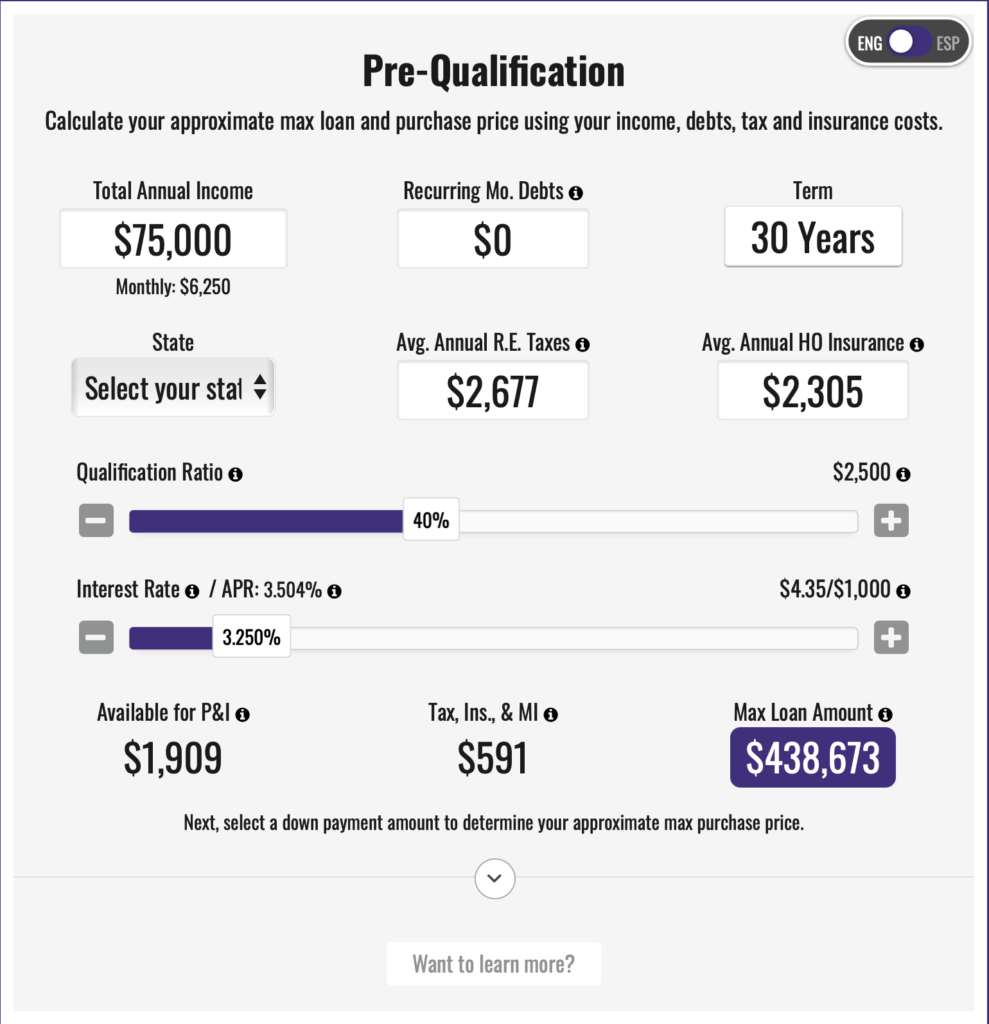
Conclusion
The question “how much can I get preapproved for?” is fundamental to making informed and confident financial decisions for significant life purchases. Preapproval is a powerful financial tool that not only provides a clear budget but also equips you with negotiating power and speeds up transaction processes. It’s a testament to your financial health, backed by a lender’s conditional commitment.
By understanding the key influencing factors – your credit score, income stability, existing debts, and available assets – and proactively managing them, you can significantly enhance your preapproval potential. The process, while requiring careful documentation and a temporary credit inquiry, offers invaluable benefits. Once preapproved, maintaining financial discipline and clear communication with your lender will ensure a smooth journey to securing your loan. With proper preparation and strategic action, you can confidently determine your borrowing capacity and achieve your financial goals.
aViewFromTheCave is a participant in the Amazon Services LLC Associates Program, an affiliate advertising program designed to provide a means for sites to earn advertising fees by advertising and linking to Amazon.com. Amazon, the Amazon logo, AmazonSupply, and the AmazonSupply logo are trademarks of Amazon.com, Inc. or its affiliates. As an Amazon Associate we earn affiliate commissions from qualifying purchases.