
In an era of unprecedented consumer choice and relentless marketing, the ability to manage and deploy one’s financial resources effectively has become more critical than ever. Spending money wisely isn’t merely about frugality; it’s a profound exercise in intentionality, discipline, and foresight that directly impacts one’s financial security, personal well-being, and future aspirations. It’s the cornerstone of personal finance, enabling individuals to not only meet their current needs but also build a robust foundation for long-term prosperity. This article delves into the principles and practical strategies for cultivating intelligent spending habits, transforming your relationship with money from passive consumption to active financial empowerment. By understanding where your money goes, aligning your expenditures with your values, and making deliberate choices, you can unlock a path to financial freedom and a life enriched by smart decisions.
Understanding Your Financial Landscape
Before you can spend money wisely, you must first understand the contours of your current financial situation. This foundational step involves gaining clarity on your income streams, expenditure patterns, and overall financial health. Without this comprehensive view, any attempt at budgeting or strategic spending is akin to navigating a complex terrain without a map.
Tracking Income and Expenses
The first, and arguably most crucial, step is to meticulously track every dollar that enters and exits your accounts. This isn’t about judgment; it’s about awareness. Many individuals are surprised to discover where their money truly goes once they start logging every transaction.
- Income Streams: Identify all sources of income, whether it’s your primary salary, freelance work, investment dividends, or side hustles. Understand the frequency and reliability of each stream.
- Fixed Expenses: These are costs that typically remain consistent each month, such as rent/mortgage payments, loan repayments (car, student), insurance premiums, and subscription services. These are usually non-negotiable in the short term.
- Variable Expenses: These fluctuate month-to-month and represent areas where you often have more control. Examples include groceries, dining out, entertainment, clothing, transportation (beyond fixed payments), and utilities.
- Tools for Tracking: Utilize budgeting apps (e.g., Mint, YNAB), spreadsheets, or even a simple notebook to record your spending. The key is consistency and accuracy. Categorize your expenses to identify trends and areas of potential overspending.
Assessing Your Net Worth
While tracking cash flow focuses on what’s coming in and going out, assessing your net worth provides a snapshot of your financial standing at a specific point in time. It’s a critical metric for long-term financial planning.
- Assets: List everything you own that has monetary value. This includes cash in savings and checking accounts, investments (stocks, bonds, mutual funds, retirement accounts), real estate, vehicles, and valuable possessions.
- Liabilities: List everything you owe. This includes credit card debt, personal loans, student loans, car loans, and your mortgage.
- Calculation: Your net worth is simply your total assets minus your total liabilities. Regularly calculating this figure (e.g., quarterly or annually) helps you monitor progress towards your financial goals and identifies if your assets are growing faster than your debts.
Defining Your Financial Goals
Spending wisely is always in service of a larger purpose. Without clear financial goals, your spending habits might lack direction and succumb to immediate gratification.
- Short-Term Goals (1-3 years): Examples include building an emergency fund, saving for a down payment on a car, or funding a vacation.
- Medium-Term Goals (3-10 years): This might involve saving for a house down payment, funding a child’s education, or paying off significant debt.
- Long-Term Goals (10+ years): Retirement planning, significant investments, or leaving a legacy often fall into this category.
- SMART Goals: Ensure your goals are Specific, Measurable, Achievable, Relevant, and Time-bound. This makes them concrete and actionable, providing a powerful motivator for wise spending choices.
Strategic Budgeting and Spending Plans
Once you have a clear picture of your financial landscape and defined your goals, the next step is to create a strategic budget and spending plan. A budget isn’t a restrictive straitjacket; it’s a financial roadmap that allocates your income to align with your priorities and goals.
The 50/30/20 Rule and Other Frameworks
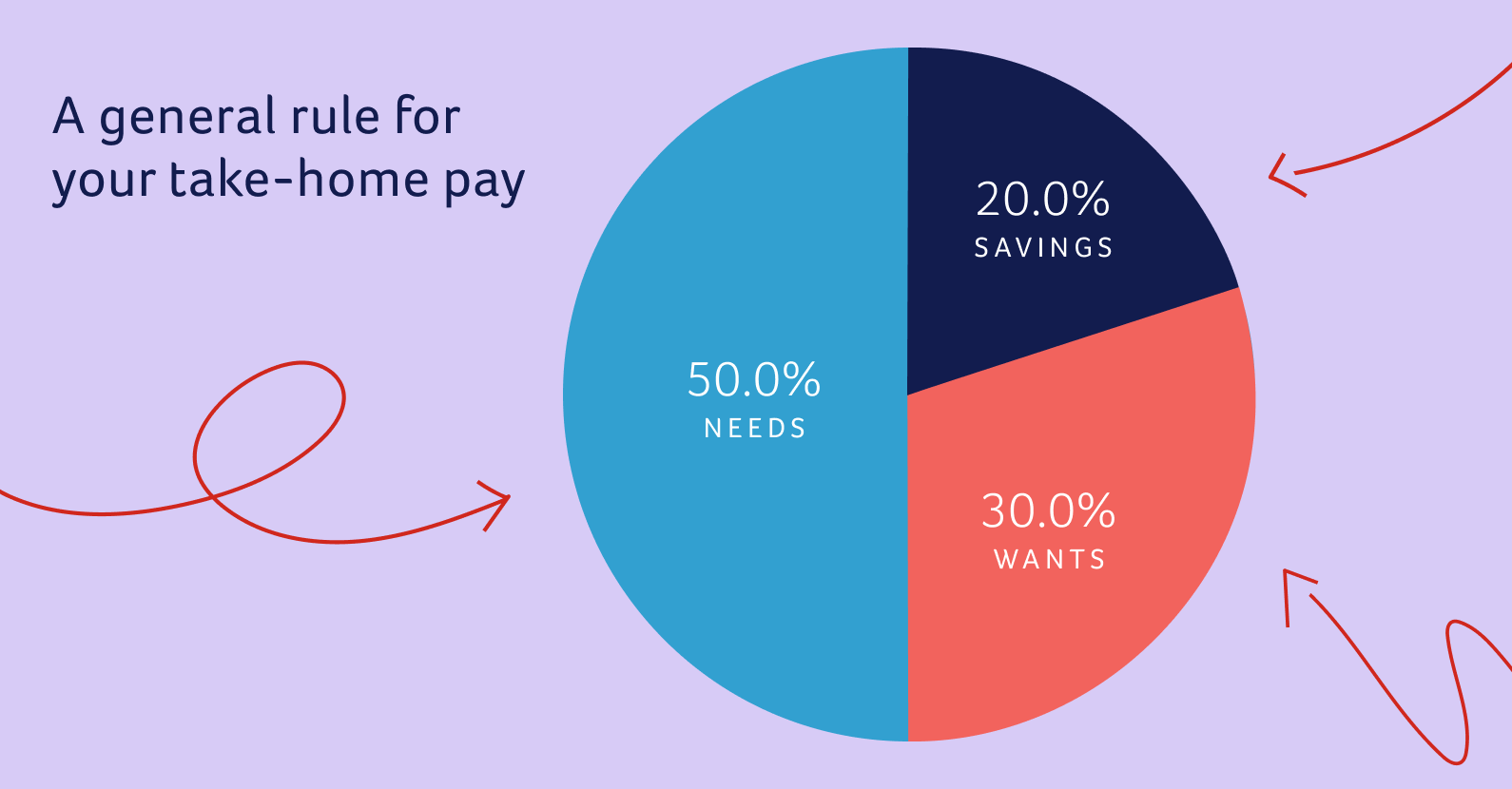
Various budgeting frameworks can simplify the allocation process. The 50/30/20 rule is a popular and straightforward approach:
- 50% for Needs: This covers essential living expenses like housing, utilities, groceries, transportation, insurance, and minimum loan payments.
- 30% for Wants: This category includes discretionary spending such as dining out, entertainment, hobbies, travel, and non-essential shopping. This is where wise choices can have a significant impact.
- 20% for Savings & Debt Repayment: This portion should be dedicated to building an emergency fund, contributing to retirement accounts, investing, and aggressively paying down high-interest debt beyond minimums.
- Other Frameworks: Explore alternatives like the zero-based budget (assigning every dollar a job), the envelope system (using cash envelopes for variable expenses), or a simple pay-yourself-first strategy, especially if you find the 50/30/20 rule too rigid or too loose for your current situation.
Creating a Realistic Budget
A budget is only effective if it’s realistic and sustainable. An overly restrictive budget is often abandoned, leading to cycles of overspending and guilt.
- Review Past Spending: Use your expense tracking data to inform your budget categories. What have you actually spent in the past few months?
- Allocate with Intention: Assign specific amounts to each category based on your income, needs, wants, and savings goals. Be honest about your spending habits.
- Build in Flexibility: Life is unpredictable. Include a small buffer or a “miscellaneous” category for unexpected expenses, or simply adjust your variable spending categories as needed.
- Regular Review and Adjustment: A budget isn’t a static document. Review it monthly to see if it’s working. Are you consistently overspending in one area? Under-spending in another? Adjust it to fit your evolving life and financial circumstances.
Automating Savings and Bill Payments
One of the most powerful strategies for wise spending is to remove decision fatigue and human error from critical financial tasks. Automation ensures consistency and helps you “pay yourself first.”
- Automated Savings Transfers: Set up automatic transfers from your checking account to your savings account, investment accounts, or retirement funds immediately after each payday. Even small, consistent contributions add up significantly over time.
- Automated Bill Payments: Schedule automatic payments for all your fixed expenses (rent, mortgage, loans, utilities, subscriptions). This prevents late fees, protects your credit score, and frees up mental energy.
- The “Out of Sight, Out of Mind” Principle: When money is automatically moved to savings or investments before you even see it in your checking account, you naturally adjust your spending on the remaining funds. This forces wise allocation.
Making Informed Purchasing Decisions
Once your budget is in place, the daily act of spending requires conscious thought. Wise spending isn’t about deprivation; it’s about making deliberate choices that align with your financial goals and values, ensuring you get the most value for every dollar.
Needs vs. Wants: The Essential Distinction
This is the fundamental principle of wise spending. Before any purchase, ask yourself: Is this a need or a want?
- Needs: Items essential for survival and basic functioning (e.g., food, shelter, basic clothing, necessary transportation, healthcare). These are non-negotiable.
- Wants: Items that enhance your comfort, enjoyment, or convenience but are not strictly necessary (e.g., dining out, designer clothes, entertainment subscriptions, luxury vacations, the latest gadgets). These are where mindful choices create flexibility in your budget.
- The Grey Area: Be honest with yourself. A car might be a need for commuting, but a luxury car is a want. Groceries are a need, but gourmet ingredients or expensive prepared meals are a want. Consciously choosing to allocate funds to wants is fine, as long as it aligns with your budget and goals.
Researching Before Buying
Impulse purchases are often regrettable and wasteful. Wise consumers take the time to research before making significant purchases.
- Compare Prices: Use online tools and visit multiple stores to find the best deals. Don’t assume the first price you see is the best.
- Read Reviews: Consumer reviews provide valuable insights into product quality, durability, and customer satisfaction.
- Understand Features and Benefits: Ensure the product or service genuinely meets your specific needs without paying for unnecessary bells and whistles.
- Consider Alternatives: Is there a more affordable brand? Can you buy used or refurbished? Is there a DIY solution?
Leveraging Discounts and Sales Wisely
Sales, coupons, and discounts can be excellent opportunities to save money, but only if used strategically.
- Avoid “Just Because It’s on Sale”: Don’t buy something you don’t need simply because it’s discounted. This is still spending money unwisely.
- Plan Ahead: If you know you’ll need an item in the future, wait for a sale. Stock up on non-perishable necessities when they are heavily discounted.
- Use Coupons and Loyalty Programs: Sign up for store loyalty programs and use coupons for items you would buy anyway.

Avoiding Impulse Purchases
Impulse buys are budget killers. They often lead to buyer’s remorse and detract from financial goals.
- The 24-Hour Rule: For non-essential items, wait 24 hours (or even 72 hours for larger purchases) before buying. This pause allows you to cool down, reassess if you truly need or want the item, and check your budget.
- Shop with a List: Especially for groceries, stick to your list to avoid distractions and unnecessary items.
- Unsubscribe from Marketing Emails: Reduce exposure to tempting offers that can trigger impulse buying.
- Avoid Shopping When Emotional: Whether it’s stress, boredom, or happiness, emotional states can often lead to irrational spending decisions.
Quality Over Quantity (When Appropriate)
While being frugal is good, sometimes spending a little more upfront can save you money in the long run.
- Durability and Longevity: Investing in higher-quality items (e.g., appliances, furniture, professional tools, classic clothing pieces) that last longer can be more economical than frequently replacing cheaper alternatives.
- Cost Per Use: Calculate the “cost per use” for frequently used items. A more expensive, durable item might have a lower cost per use over its lifetime than a cheap item that breaks quickly.
- Consider Resale Value: Some higher-quality items retain better resale value, which can offset the initial higher cost.
Investing in Your Future
Wise spending extends beyond immediate consumption; it fundamentally involves allocating resources to secure and enhance your future. This is where strategic savings and investments come into play, transforming your money into a tool for growth and security.
Building an Emergency Fund
This is arguably the most critical component of financial stability. An emergency fund acts as a financial safety net, preventing unexpected life events from derailing your budget or forcing you into debt.
- Target Amount: Aim for 3 to 6 months’ worth of essential living expenses (your “needs” budget) saved in an easily accessible, high-yield savings account.
- Purpose: This fund is strictly for emergencies like job loss, medical crises, major home repairs, or unexpected car troubles – not for vacations or non-essential purchases.
- Protection: It protects your investments from being liquidated prematurely and keeps you out of high-interest debt when unforeseen circumstances arise.
Paying Down High-Interest Debt
High-interest debt, particularly credit card debt, is a significant impediment to financial progress. Wisely allocating money to reduce this debt is a form of guaranteed return on investment.
- Prioritize: Make more than the minimum payments on debts with the highest interest rates first (e.g., credit cards, some personal loans). This is often referred to as the “debt avalanche” method.
- Debt Snowball: Alternatively, some prefer the “debt snowball” method, paying off the smallest debt first for psychological momentum, regardless of interest rate. Choose the method that best motivates you.
- Impact: Every dollar paid down on high-interest debt is a dollar saved in future interest payments, freeing up more money for savings and investments.
Exploring Investment Avenues
Once your emergency fund is robust and high-interest debt is managed, wise spending shifts towards growing your wealth through strategic investments.
- Retirement Accounts: Maximize contributions to tax-advantaged accounts like 401(k)s (especially if your employer offers a match – that’s free money!) and IRAs.
- Diversification: Don’t put all your eggs in one basket. Diversify your investments across different asset classes (stocks, bonds, real estate, mutual funds, ETFs) to mitigate risk.
- Long-Term Perspective: Investing is a long game. Avoid trying to time the market and focus on consistent contributions and a diversified portfolio tailored to your risk tolerance and time horizon.
- Education Funds: If applicable, consider 529 plans or other educational savings vehicles for future educational expenses.
Investing in Self-Improvement
The most valuable asset you possess is yourself. Wisely allocating funds to personal growth can yield immense returns.
- Education and Skills: Investing in courses, certifications, workshops, or even books that enhance your professional skills or personal knowledge can lead to higher earning potential and greater life satisfaction.
- Health and Well-being: Spending on gym memberships, healthy food, mental health support, or even quality sleep aids is an investment in your physical and mental capital, which directly impacts your ability to earn and enjoy life.
- Networking: Sometimes, attending conferences, joining professional organizations, or even quality social events can be an investment in expanding your network and opportunities.
Cultivating Mindful Spending Habits
Ultimately, wise spending is a continuous journey that requires ongoing attention and refinement. It’s about developing a mindset that prioritizes long-term well-being over instant gratification, making conscious choices that reflect your true values.
Regular Financial Reviews
Your financial life is dynamic, and your spending habits should be too. Regular reviews are essential for staying on track.
- Monthly Check-ins: Dedicate time each month to review your budget, track your progress toward goals, and identify any areas needing adjustment.
- Annual Financial Health Check: Once a year, conduct a more comprehensive review of your net worth, investment performance, insurance coverage, and overall financial plan. Adjust your goals and strategies as life circumstances change (e.g., new job, marriage, children).
- Celebrate Wins: Acknowledge your progress and celebrate milestones. This positive reinforcement encourages continued wise behavior.
Practicing Delayed Gratification
In a consumer-driven society, instant gratification is a powerful temptation. Cultivating the ability to delay gratification is a cornerstone of wise spending.
- The “Want” List: Instead of immediately buying a desired non-essential item, add it to a “want list.” Revisit the list after a month or two. Often, the desire fades, or you realize the money is better spent elsewhere.
- Focus on Long-Term Rewards: Remind yourself of your financial goals. The satisfaction of achieving a significant goal (e.g., debt-free, retirement security) far outweighs the fleeting pleasure of an impulse purchase.
- Budget for Treats: Instead of forbidding wants entirely, budget for them intentionally. This allows you to enjoy discretionary spending without guilt or derailing your plan.
Seeking Professional Financial Advice
While many aspects of wise spending can be self-taught, complex financial situations often benefit from expert guidance.
- When to Seek Help: Consider a financial advisor when you have significant assets, complex investment needs, specific retirement planning questions, estate planning concerns, or simply need an objective perspective on your financial strategy.
- Types of Advisors: Be aware of different types of advisors (fee-only, commission-based) and ensure their interests are aligned with yours. Look for fiduciaries who are legally obligated to act in your best interest.
- Benefits: A good financial advisor can help you refine your goals, optimize your investments, navigate tax implications, and create a comprehensive plan for your future.

Aligning Spending with Values
Ultimately, truly wise spending is spending that reflects what matters most to you. Your money is a powerful tool to support the life you want to live.
- Identify Your Core Values: What truly brings you joy, fulfillment, and meaning? Is it experiences, relationships, personal growth, security, philanthropy, or environmental sustainability?
- Allocate Accordingly: Once you identify your values, intentionally direct your spending towards them. If experiences are paramount, budget more for travel and less for material possessions. If health is a top value, allocate funds to fitness and nutritious food.
- Conscious Consumerism: Support brands and businesses that align with your ethical and social values. This adds another layer of meaning to your spending decisions.
By embracing these principles and consistently practicing mindful financial habits, you transition from merely spending money to wisely investing in your present and future. It’s a journey of continuous learning, adjustment, and intentional choice that empowers you to build the financial security and life fulfillment you desire.
aViewFromTheCave is a participant in the Amazon Services LLC Associates Program, an affiliate advertising program designed to provide a means for sites to earn advertising fees by advertising and linking to Amazon.com. Amazon, the Amazon logo, AmazonSupply, and the AmazonSupply logo are trademarks of Amazon.com, Inc. or its affiliates. As an Amazon Associate we earn affiliate commissions from qualifying purchases.