
In the landscape of modern digital finance, PayPal stands as a ubiquitous platform for online transactions, money transfers, and managing digital payments. For many, it’s an indispensable tool for e-commerce, receiving payments for freelance work, or simply splitting a bill with friends. However, with the proliferation of online accounts and digital services, it’s not uncommon for individuals to be unsure whether they’ve previously registered for a PayPal account, especially if it was set up years ago for a one-off purchase or under a less frequently used email address. Ascertaining whether you possess an active PayPal account is crucial for personal financial management, security, and ensuring seamless online financial interactions.
Understanding PayPal’s Role in Your Financial Ecosystem
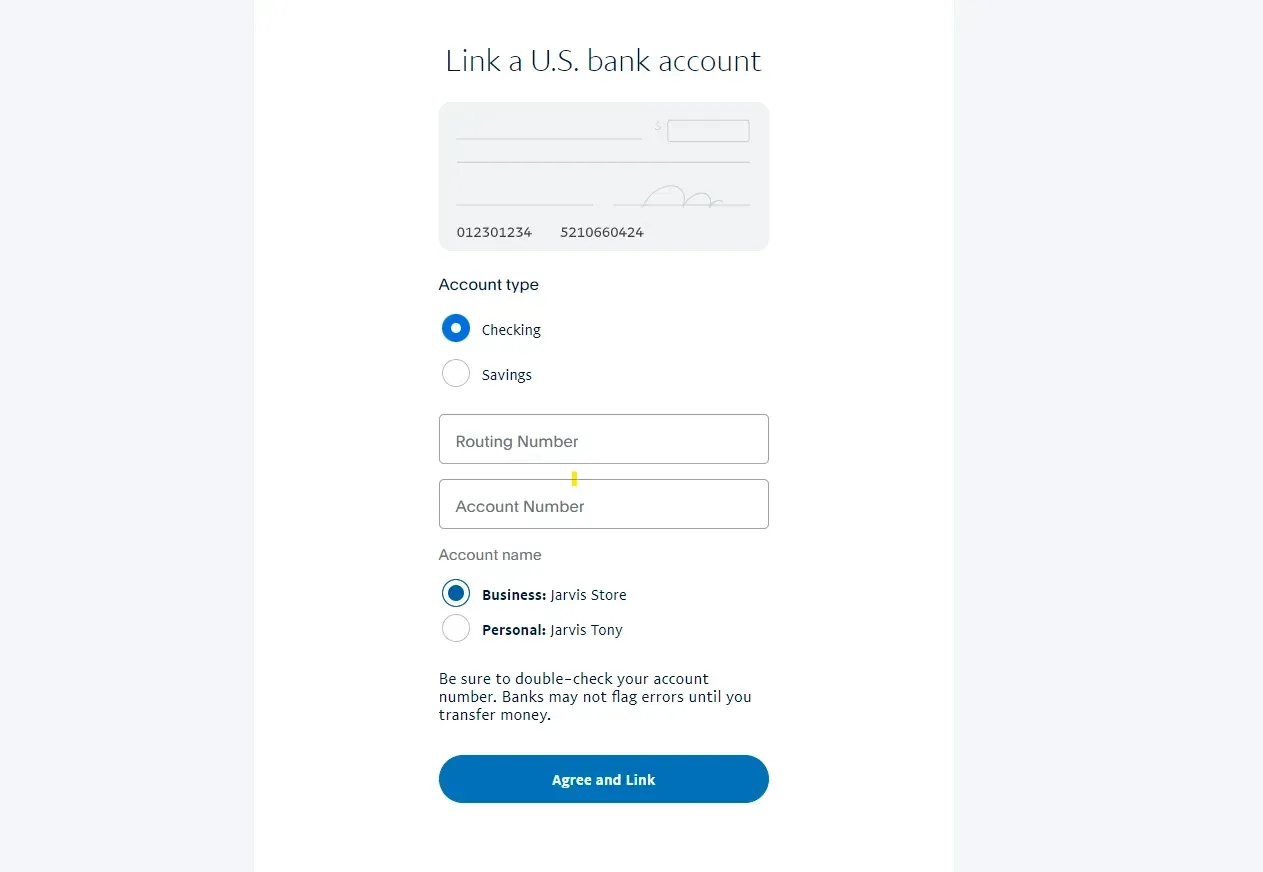
PayPal functions as a digital wallet that allows you to send and receive money securely without directly sharing your bank account or credit card details with every merchant. It bridges the gap between your traditional banking institutions and the vast world of online commerce, making it a pivotal financial tool for millions globally. For individuals, a PayPal account facilitates everything from making purchases on eBay or international websites to receiving payments for online gigs, donating to charities, or even managing recurring subscriptions. From a financial perspective, knowing whether you have an account is the first step towards consolidating your digital financial footprint. An active account means you have a gateway to various online financial activities, potentially holding funds, linked payment methods, and a transaction history that could be relevant to your personal financial records or tax obligations. Conversely, a forgotten account could pose security risks or simply represent an unmanaged aspect of your digital financial life.
The Digital Footprint: Where to Look for Account Clues
Determining if you have an existing PayPal account typically involves retracing your digital steps, focusing on common financial touchpoints. This systematic approach not only helps confirm an account’s existence but also often points towards the credentials needed to access it.
Email Address Checks: The Primary Identifier
Your email address is the most common identifier for a PayPal account. Most users register using their primary email, but it’s worth checking any secondary or older email addresses you might have used for online registrations.
- Search Your Inbox for Past Communications: Conduct a thorough search within all your email accounts for keywords like “PayPal,” “payment,” “transaction,” “receipt,” “account confirmation,” or “welcome.” Look for emails dating back several years. PayPal typically sends a welcome email upon account creation, transaction confirmations for every payment sent or received, and various security or policy updates. Finding any of these indicates a high likelihood of an existing account associated with that email address.
- Password Reset Attempt: Visit the PayPal login page (paypal.com) and click on the “Forgot Password?” or “Trouble Logging In?” link. Enter your suspected email address. If an account is associated with that email, PayPal will usually initiate a password reset process or inform you that an account exists, even if you don’t proceed with the reset. If it states no account is found, try another email address.
Linked Bank Accounts or Credit Cards: Financial Statements as Evidence
PayPal accounts are often linked to bank accounts or credit cards for funding transactions and withdrawals. Your financial statements can serve as a concrete record.
- Review Bank and Credit Card Statements: Scrutinize your bank statements and credit card bills for any transactions labeled “PayPal,” “PYPL,” or “PayPal, Inc.” These might be payments you made, money you transferred to or from your bank account, or even small verification deposits/withdrawals PayPal makes when linking an account. Identifying such transactions confirms not only an account’s existence but also which bank account or credit card was linked. Pay attention to the dates, as this can give you a timeframe for when the account might have been active.
Merchant Websites & Online Marketplaces: Checkout Histories
Think about where you’ve made online purchases in the past, especially on platforms known for using PayPal as a primary payment gateway.
- Check E-commerce History: If you’ve ever bought items on sites like eBay, Etsy, or used PayPal for donations or services, log into those platforms and check your past order details or payment methods. Many sites will display “Paid via PayPal” as a payment option. While this doesn’t directly confirm your account details, it strongly suggests you used a PayPal account for that transaction. You can then use the email address associated with that specific e-commerce account as a potential PayPal login.
- Subscription Services: Have you subscribed to any online services (e.g., streaming, software, digital content) using PayPal as the payment method? Check the payment settings within these services.
Security and Financial Implications of Multiple or Forgotten Accounts
Discovering an old or forgotten PayPal account carries significant financial and security implications. Managing these accounts responsibly is a key aspect of broader personal financial hygiene.
Data Security and Identity Protection
An unmonitored PayPal account can be a potential vulnerability. If an old email account associated with PayPal is compromised, it could provide an attacker a gateway to your financial information.
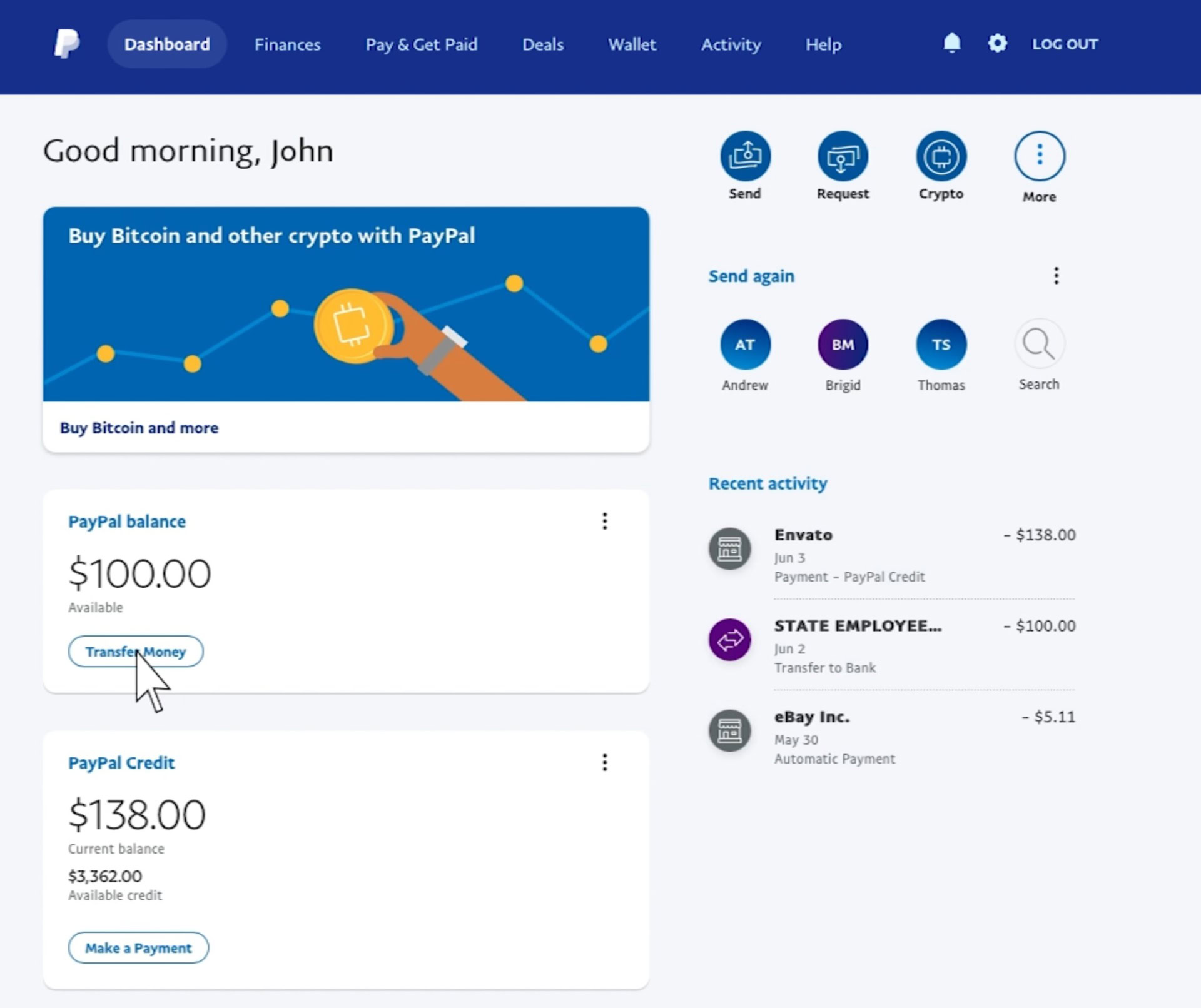
- Risk of Unauthorized Access: If you’ve reused passwords or your associated email account is weak, a forgotten PayPal account could be exploited by malicious actors. They might gain access to any linked bank accounts or credit cards, make unauthorized purchases, or even attempt identity theft.
- Outdated Information: An old account might contain outdated personal information, old linked payment methods, or an outdated mailing address. Keeping your financial information current across all platforms is vital for security and fraud prevention.
Managing Funds and Payments Effectively
Knowing all your active financial accounts, including PayPal, allows for better oversight of your funds.
- Unclaimed Funds: You might have a small balance in an old PayPal account from a refund or a payment received that was never transferred to your bank. These unclaimed funds remain in the PayPal balance until withdrawn.
- Recurring Payments: If you set up recurring payments or subscriptions through an old PayPal account and then created a new one, you might inadvertently be paying for services from two separate PayPal accounts or have forgotten about a recurring charge. Consolidating or verifying all such arrangements is financially prudent.
Avoiding Duplicate Accounts and Confusion
PayPal’s user agreement generally allows for only one personal account per individual. While minor exceptions exist (e.g., a personal account and a separate business account), having multiple personal accounts due to oversight can lead to administrative headaches.
- Account Limitations: PayPal’s systems are designed to detect and flag multiple personal accounts, which could lead to limitations or holds on your accounts until the situation is resolved.
- Confusion in Financial Tracking: Juggling multiple PayPal accounts, each potentially linked to different emails or payment methods, complicates your personal financial tracking, making it harder to reconcile transactions or manage your digital cash flow.
Steps to Take If You Discover an Account (or Don’t)
Once you’ve conducted your investigation, the next steps depend on whether you found an account and your future intentions for using PayPal.
Accessing and Recovering Forgotten Accounts
If you’ve identified an email address associated with an existing PayPal account but cannot log in:
- Initiate Password Recovery: Go to the PayPal login page and use the “Forgot Password?” or “Trouble Logging In?” option. Follow the prompts to reset your password. This usually involves receiving a code via email or text message, or answering security questions.
- Contact PayPal Support: If automated recovery methods fail, contact PayPal’s customer support. Be prepared to verify your identity with personal details, past transaction information, or linked bank account/credit card details to regain access. This process is designed to protect your financial assets.
Deciding to Create a New Account (Financial Planning)
If your search yields no existing PayPal account, or if you discover an old account that you prefer not to reactivate due to outdated information or security concerns, you might decide to create a new one.
- Strategic Account Creation: When setting up a new account, use a strong, unique password and link it to your primary, secure email address and current bank account/credit cards. Ensure all your information is up-to-date. This is an opportunity to build a financially sound digital payment profile from scratch.
- Consider Purpose: Think about your primary use for PayPal. Will it be for personal online shopping, receiving freelance payments, or both? This might influence how you categorize and manage your account within your overall personal finance strategy.
Closing Unused Accounts: Financial Hygiene
If you’ve discovered an old PayPal account that you no longer need or intend to use, closing it is a wise financial hygiene practice.
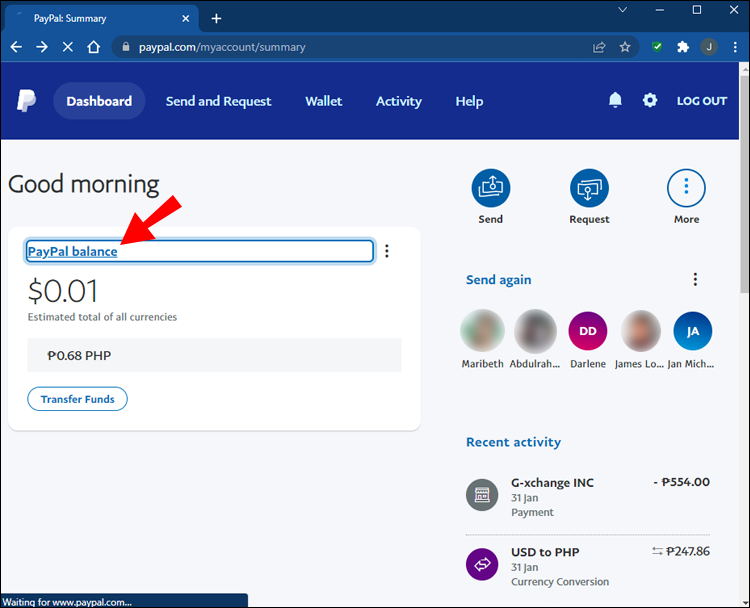
- Withdraw Funds First: Before closing an account, ensure any remaining balance is transferred to your linked bank account. PayPal typically won’t allow account closure if there are pending transactions or a positive balance.
- Cancel Subscriptions: Verify that no active subscriptions or recurring payments are linked to the account. If there are, update them with a new payment method or cancel the services before closing the PayPal account.
- Follow PayPal’s Closure Process: Log into the account, navigate to your settings, and look for an option to “Close your account” or “Terminate account.” Follow the on-screen instructions. PayPal may ask for a reason for closure. This step eliminates potential security risks associated with dormant accounts and simplifies your digital financial landscape.
In conclusion, taking the time to ascertain whether you have a PayPal account, and then managing it effectively, is a fundamental aspect of modern personal financial management. It contributes to better security, clearer financial tracking, and a more streamlined digital experience.
aViewFromTheCave is a participant in the Amazon Services LLC Associates Program, an affiliate advertising program designed to provide a means for sites to earn advertising fees by advertising and linking to Amazon.com. Amazon, the Amazon logo, AmazonSupply, and the AmazonSupply logo are trademarks of Amazon.com, Inc. or its affiliates. As an Amazon Associate we earn affiliate commissions from qualifying purchases.