
In an economic landscape often characterized by rising costs and pervasive consumer culture, the ability to effectively manage and reduce personal expenditure has become an indispensable skill. Spending less money isn’t merely about deprivation; it’s a strategic act of financial empowerment, a pathway to greater savings, debt reduction, and ultimately, financial freedom. This comprehensive guide will delve into practical strategies and cultivate a mindset that not only helps you curtail unnecessary spending but also enhances your overall financial well-being. By understanding your spending habits, implementing smart financial tactics, and leveraging available tools, you can transform your relationship with money and build a more secure future.
Understanding Your Financial Landscape
Before you can effectively cut back on spending, you must first gain a crystal-clear understanding of where your money currently goes. This foundational step is often overlooked but is absolutely critical for sustainable financial change. It’s like trying to navigate a dense fog without a map; you’ll only end up going in circles.
The Power of Budgeting: Beyond Restriction
Budgeting is not about imposing harsh restrictions; it’s about intentionality and control. A budget acts as a roadmap for your money, allocating every dollar to a specific purpose before you even receive it. Popular methods include the 50/30/20 rule (50% needs, 30% wants, 20% savings/debt) or the zero-based budget, where every dollar is assigned a job until nothing is left. Start by listing all your sources of income. Then, meticulously categorize your expenses into fixed (rent, loan payments) and variable (groceries, entertainment). Once you see these numbers laid out, you’ll be able to identify areas ripe for reduction. This proactive approach transforms budgeting from a chore into a powerful tool for achieving your financial goals. It provides clarity and allows you to make conscious decisions about your spending, rather than reacting to dwindling bank balances.
Tracking Your Expenditures: Where Does It All Go?
Many people are genuinely surprised when they see an accurate account of their spending. That daily coffee, the subscription services you barely use, or impulsive online purchases can collectively drain your finances without you realizing it. The first step to tracking is simply awareness. Utilize a spreadsheet, a notebook, or a budgeting app to log every single transaction for a month or two. Be honest and thorough. This exercise isn’t about judgment but about data collection. You’ll likely discover patterns and “leakage points” – areas where money disappears without providing significant value. For instance, you might find that “dining out” is a much larger category than you initially perceived, or that small, frequent purchases add up to a substantial sum. This detailed tracking reveals the truth about your habits and provides the evidence needed to make informed adjustments. It empowers you to make targeted cuts, rather than broad, often ineffective, generalizations.
Differentiating Needs vs. Wants
A fundamental principle of spending less money is the ability to distinguish between needs and wants. Needs are essential for survival and basic living: shelter, food, utilities, essential transportation, and healthcare. Wants are discretionary items that improve your quality of life but are not strictly necessary: dining out, entertainment subscriptions, new gadgets, designer clothes, or frequent vacations. While wants are certainly part of a fulfilling life, understanding which expenses fall into each category is crucial for effective cost-cutting. When faced with financial constraints, prioritizing needs ensures your basic security, while consciously reducing wants allows for greater savings or debt repayment. This distinction becomes particularly important when you’re building your budget or considering a new purchase. Asking yourself, “Is this a need or a want?” before every expenditure can dramatically alter your spending habits and reinforce a mindset of mindful consumption.
Strategic Approaches to Everyday Savings
Once you understand your financial landscape, the next step is to implement practical strategies that target common spending categories. These everyday adjustments, though seemingly minor individually, can collectively lead to substantial savings over time. It’s about making smarter choices in the areas where most of your money is spent.
Mastering Grocery Shopping and Meal Planning
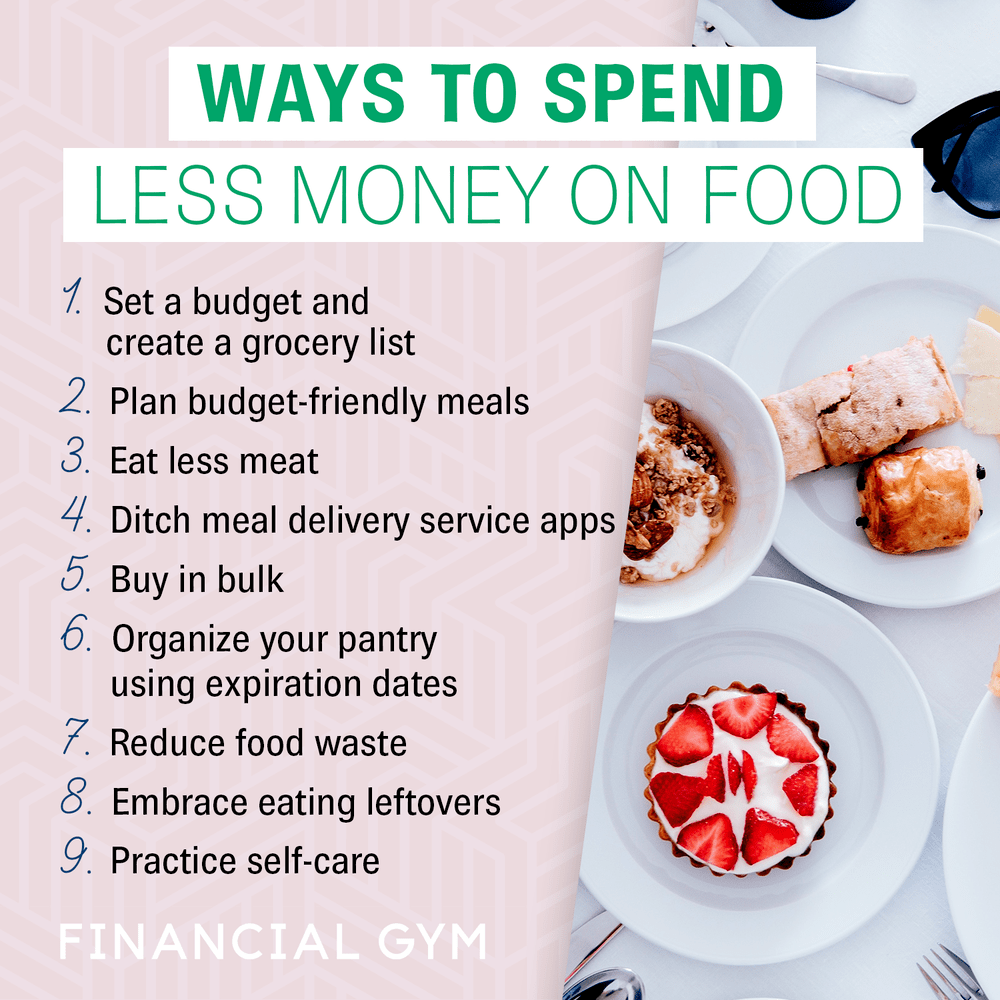
Food is one of the largest variable expenses for most households, and it offers significant opportunities for savings. The cornerstone of reducing food costs is meticulous meal planning. Before you even set foot in a grocery store, plan every meal for the week, create a precise shopping list based on those meals, and stick to it religiously. Avoid shopping when hungry, which can lead to impulse purchases. Look for sales, buy store brands, and consider buying non-perishable items in bulk when prices are low. Learning to cook more at home is paramount; restaurant meals and takeout are notoriously expensive. Repurpose leftovers creatively to avoid waste. Furthermore, incorporate more plant-based meals, which are often cheaper than meat-centric dishes. By adopting these habits, you not only save money but also likely eat healthier and reduce food waste, a win-win for your wallet and the environment.
Reducing Utility and Household Expenses
Utility bills – electricity, gas, water – are often seen as fixed costs, but there are numerous ways to reduce them. Simple habit changes, like turning off lights when leaving a room, unplugging electronics (vampire power), and taking shorter showers, can add up. Invest in energy-efficient appliances, seal drafts around windows and doors, and use programmable thermostats to optimize heating and cooling. For household goods, comparison shop for cleaning supplies, toiletries, and paper products. Consider making your own cleaning solutions using inexpensive ingredients like vinegar and baking soda. Opt for reusable items over disposable ones (e.g., cloth napkins, reusable food containers). Regularly review your internet and cable packages; often, you can negotiate a lower rate or switch to a more affordable plan that still meets your needs. Small adjustments in your home can yield significant savings over the long term.
Smart Transportation Choices
Transportation costs, including fuel, maintenance, insurance, and public transport fares, can be a major drain on finances. If possible, consider reducing your reliance on a personal vehicle. Embrace walking, cycling, or public transportation for daily commutes or errands. Carpooling with colleagues or neighbors can split fuel costs. If you own a car, drive efficiently to save on fuel (avoid rapid acceleration/braking), keep up with regular maintenance to prevent costly repairs, and shop around annually for the best insurance rates. For longer trips, explore ride-sharing apps, buses, or trains as alternatives to flying or driving solo. For those contemplating a new vehicle, evaluate if a less expensive, more fuel-efficient model truly meets your needs, rather than opting for luxury or unnecessary features. Every mile not driven, or driven more efficiently, translates directly into savings.
Cutting Down on Entertainment and Leisure Costs
Entertainment and leisure are vital for well-being, but they don’t have to break the bank. Instead of expensive nights out, explore free or low-cost alternatives. Utilize local libraries for books, movies, and even museum passes. Many cities offer free concerts, festivals, or park events. Host potluck dinners with friends instead of dining at restaurants. Explore nature through hiking, picnicking, or visiting local parks. Review your subscription services (streaming, gyms, apps) regularly; cancel those you don’t use frequently or rotate them throughout the year. Look for matinee prices at cinemas or discounts on local attractions. Even small shifts, like making coffee at home instead of buying it daily, fall into this category. The goal isn’t to eliminate enjoyment but to find creative, budget-friendly ways to relax and socialize, proving that fun doesn’t always come with a hefty price tag.
Leveraging Technology and Tools for Frugality
In the digital age, a myriad of technological tools are available to assist you in your quest to spend less money. These resources can automate savings, track spending, find deals, and simplify financial management, making frugality more accessible and efficient than ever before.

Budgeting Apps and Software
Gone are the days when budgeting solely meant meticulous spreadsheets and manual calculations. Modern budgeting apps and software, such as Mint, YNAB (You Need A Budget), Personal Capital, or PocketGuard, have revolutionized personal finance management. These tools often link directly to your bank accounts and credit cards, automatically categorizing transactions and providing real-time insights into your spending patterns. They offer visual dashboards, set spending limits, and send alerts, helping you stay accountable. Some even project your financial future based on your current habits. By automating the tracking process, these apps significantly reduce the effort involved in maintaining a budget, making it easier to identify overspending instantly and adjust your habits proactively. The right app can turn budgeting from a dreaded task into an engaging and empowering daily practice.
Price Comparison Websites and Couponing Tools
Before making any significant purchase, or even for routine shopping, leveraging price comparison websites and browser extensions is a smart move. Sites like Google Shopping, CamelCamelCamel (for Amazon price history), or Honey (a browser extension that automatically finds and applies coupon codes) can save you substantial amounts of money. These tools scour the internet for the best deals, track price drops, and notify you of sales. Many also offer cashback rewards or loyalty points. For groceries, digital coupon apps and store loyalty programs are essential. Before heading to the store, check for available coupons that align with your shopping list. Combining sales with coupons can lead to significant reductions in your grocery bill. These digital tools remove the manual effort of searching for deals, making saving money a seamless part of your online and in-store shopping experience.
Automating Savings and Bill Payments
One of the most powerful uses of technology in personal finance is automation. Set up automatic transfers from your checking account to your savings account (or investment accounts) immediately after your paycheck arrives. Even a small, consistent amount can grow substantially over time. This “pay yourself first” strategy ensures that saving is prioritized and not an afterthought. Similarly, automate your bill payments. Most banks offer online bill pay services that can be scheduled in advance. This not only helps you avoid late fees but also gives you a clear picture of your recurring expenses, making budgeting more predictable. Automating these crucial financial tasks reduces the cognitive load, minimizes the risk of human error, and ensures that your financial goals are consistently worked towards, without you having to remember to do it manually each time.
Cultivating a Mindset of Mindful Spending
True financial change extends beyond mere tactics; it requires a fundamental shift in mindset. Adopting a philosophy of mindful spending empowers you to make conscious choices that align with your values and long-term goals, rather than falling prey to impulsive desires or societal pressures.
Embracing Delayed Gratification
In an instant-gratification society, the ability to delay gratification is a superpower for saving money. It means consciously choosing to wait for a desired item or experience, often allowing you to save for it, find a better deal, or even realize you don’t need it after all. This practice strengthens your self-control and reduces impulsive purchases driven by emotion rather than necessity. Instead of buying something immediately, implement a 24-hour, 48-hour, or even 30-day rule for non-essential purchases. During this waiting period, research the item, consider its true value and necessity, and assess its impact on your budget. Often, the desire fades, or you find a more affordable alternative. Delayed gratification transforms spending from a reactive impulse into a deliberate, thought-out decision, fostering a healthier, more controlled relationship with your money.
The Psychology of Scarcity and Abundance
Understanding the psychological triggers behind spending can help you counteract them. Marketing often plays on a sense of scarcity (“limited time offer,” “only a few left”) to create urgency and prompt impulse buys. Being aware of these tactics allows you to pause and evaluate whether the urgency is real or manufactured. Conversely, a mindset of abundance, even when on a tight budget, can be empowering. Instead of focusing on what you “can’t” buy, shift your focus to what you “can” achieve with your savings – building an emergency fund, paying off debt, or saving for a significant life goal. This positive reframing prevents feelings of deprivation and instills a sense of purpose behind your frugal choices. It’s about recognizing that saving money creates future opportunities and security, cultivating a richer sense of financial freedom.
Finding Joy in Frugality and Experiences Over Possessions
Frugality should not equate to misery. Instead, it can be a source of immense satisfaction and creativity. Embrace the challenge of finding innovative ways to enjoy life without overspending. This often means prioritizing experiences over material possessions. Research shows that experiences tend to bring more lasting happiness than objects. Invest in memorable moments with loved ones – a picnic in the park, a game night, learning a new skill together – rather than constantly acquiring new things. Seek joy in simple pleasures and appreciate what you already have. Decluttering your home can also highlight how much you own but don’t truly use or need, reinforcing the idea that more possessions don’t always equate to more happiness. When you shift your focus from accumulation to appreciation and meaningful experiences, frugality transforms from a restrictive practice into a liberating lifestyle.
Long-Term Strategies for Sustainable Savings
Spending less money isn’t a one-time fix; it requires ongoing commitment and strategic planning. Incorporating long-term strategies ensures that your efforts today build a solid financial foundation for tomorrow, moving you closer to lasting financial security and prosperity.
Debt Reduction and Management
High-interest debt, particularly credit card debt, is one of the biggest impediments to saving money and building wealth. A significant portion of your income can be siphoned off by interest payments, leaving less for essential spending and savings. Prioritizing debt reduction is crucial. Strategies like the snowball method (paying off smallest debts first for motivational wins) or the avalanche method (paying off highest-interest debts first to save money on interest) can be highly effective. Consolidating debt into a lower-interest loan or negotiating with creditors can also provide relief. As you aggressively pay down debt, the money previously allocated to interest payments becomes available for saving or investing, accelerating your path to financial independence. Reducing your debt burden frees up cash flow and reduces financial stress, allowing your hard-earned money to work for you rather than against you.
Optimizing Insurance and Subscriptions
Regularly reviewing and optimizing your insurance policies and subscription services is a simple yet powerful long-term strategy for saving money. For insurance (auto, home, health, life), don’t just renew automatically. Shop around annually to compare quotes from different providers; rates can vary significantly. Consider bundling policies for discounts, and evaluate your coverage needs – sometimes you’re paying for more than you require. Similarly, meticulously audit all your subscription services. Many people pay for streaming platforms, apps, or gym memberships they rarely use. Cancel those that don’t provide significant value, or consider rotating them (e.g., subscribe to one streaming service for a few months, then switch to another). Even small monthly fees add up over a year. This regular review process ensures you’re not wasting money on services that no longer serve your needs or provide adequate value.
Building an Emergency Fund
One of the most critical long-term savings goals is establishing and maintaining an emergency fund. This dedicated savings account, typically holding three to six months’ worth of essential living expenses, acts as a financial safety net. It protects you from unexpected costs like job loss, medical emergencies, or significant home repairs, preventing you from going into debt or derailing your financial progress when life throws a curveball. By having an emergency fund, you eliminate the need to use credit cards or take out high-interest loans during crises, which are common ways people get into a cycle of debt. Prioritize building this fund as a non-negotiable part of your financial plan, even if it means initially making more aggressive cuts to discretionary spending. It provides peace of mind and is the cornerstone of sustainable financial security, allowing you to weather financial storms without completely depleting your resources or accumulating new debt.
Spending less money is not a sacrifice but an investment in your future self. By systematically understanding your finances, adopting strategic everyday saving habits, leveraging technological aids, cultivating a mindful spending mindset, and implementing long-term financial strategies, you gain control over your money. This empowers you to build savings, reduce debt, and achieve financial security, ultimately paving the way for a life of greater freedom and reduced financial stress. The journey requires discipline and patience, but the rewards of a well-managed financial life are immeasurable.
aViewFromTheCave is a participant in the Amazon Services LLC Associates Program, an affiliate advertising program designed to provide a means for sites to earn advertising fees by advertising and linking to Amazon.com. Amazon, the Amazon logo, AmazonSupply, and the AmazonSupply logo are trademarks of Amazon.com, Inc. or its affiliates. As an Amazon Associate we earn affiliate commissions from qualifying purchases.