
In the modern economic landscape, the transition from physical currency to digital assets has redefined how individuals and businesses manage their liquidity. At the center of this evolution is PayPal, a pioneer in the fintech space that serves as a bridge between traditional banking systems and the global digital marketplace. Whether you are an entrepreneur looking to scale a side hustle into a full-time enterprise or an individual seeking a secure way to manage online transactions, understanding how to effectively set up and utilize a PayPal account is a fundamental step in modern financial management.
This guide explores the strategic process of signing up for PayPal, categorized through the lens of financial planning, business growth, and asset security.
Choosing the Right Account Type for Your Financial Goals
Before beginning the registration process, it is essential to determine which tier of service aligns with your financial objectives. PayPal offers two primary account structures: Personal and Business. Selecting the correct one influences your fee structure, tax reporting capabilities, and the professional image you project to clients and vendors.
The Personal Account: Optimized for Individual Cash Flow
A Personal account is designed for the casual user whose primary goal is to facilitate peer-to-peer transfers and online purchases. From a personal finance perspective, this account type is ideal for managing day-to-day expenditures without the overhead of merchant fees on incoming personal transfers. It allows users to link multiple funding sources, such as debit cards, credit cards, and traditional bank accounts, creating a centralized hub for digital spending. For those focused on budgeting, the Personal account provides a clear digital ledger of transactions, making it easier to track discretionary spending habits.
The Business Account: A Tool for Scaling and Corporate Identity
For freelancers, consultants, and e-commerce entrepreneurs, the Business account is a prerequisite for professional financial operations. Unlike a Personal account, a Business account allows you to operate under a legal company name, providing a layer of professionalism and brand separation from your personal finances.
From a strategic standpoint, a Business account offers advanced financial tools, including the ability to issue professional invoices, accept credit card payments from customers who do not have PayPal accounts, and grant limited access to employees or accountants. Furthermore, it simplifies the transition into formal business finance by providing detailed reports that can be integrated into accounting software like QuickBooks or Xero, ensuring that your tax liabilities and revenue streams are meticulously documented.
Step-by-Step Registration: Onboarding Your Capital
The process of signing up for a PayPal account is governed by strict financial regulations, including Know Your Customer (KYC) and Anti-Money Laundering (AML) protocols. These requirements ensure the integrity of the financial network and protect your assets from unauthorized access.
Initiating the Onboarding Process
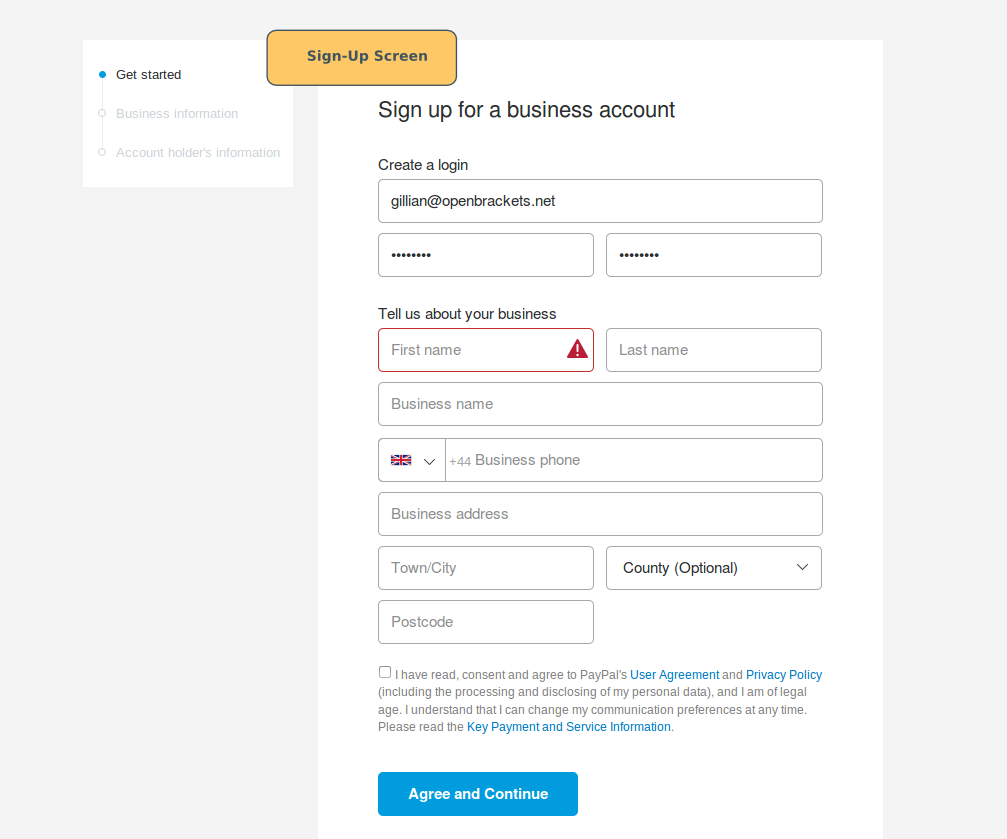
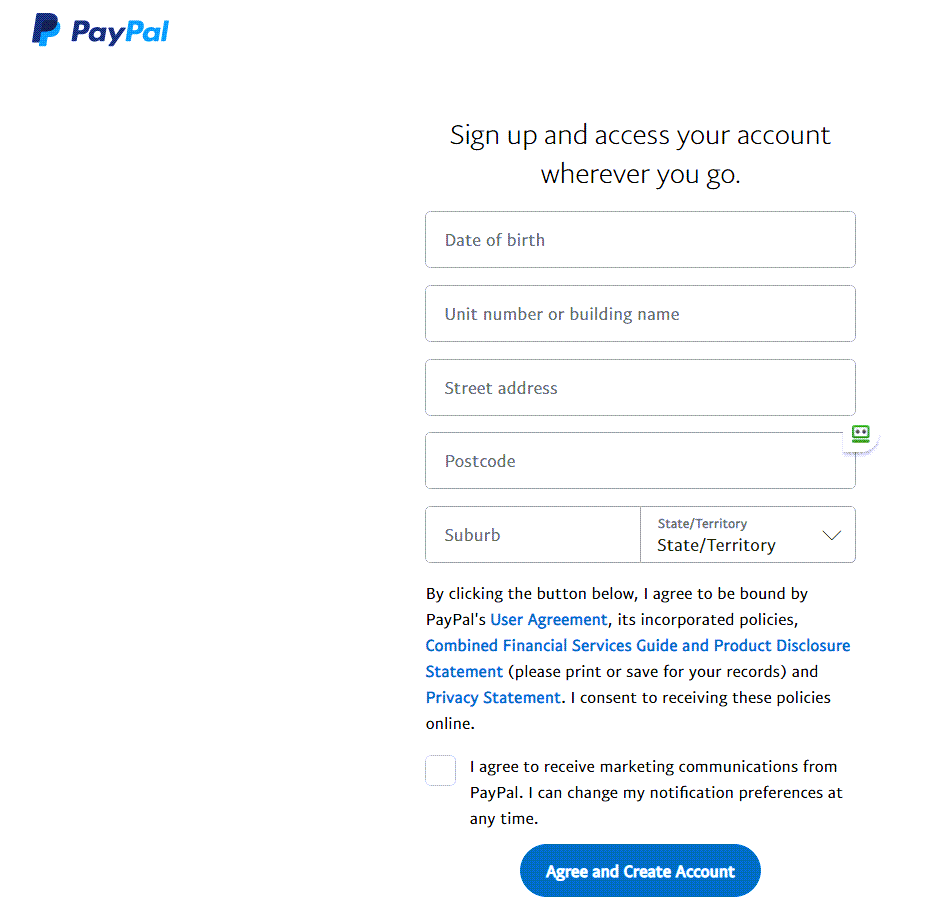
To begin, navigate to the official PayPal platform and select the “Sign Up” option. You will be prompted to choose between the Personal or Business tiers mentioned previously. Once selected, you must provide a valid email address and create a robust password. In the context of financial security, your password should be unique and complex, as this account will serve as a gateway to your liquid assets.
Providing Verifiable Identification
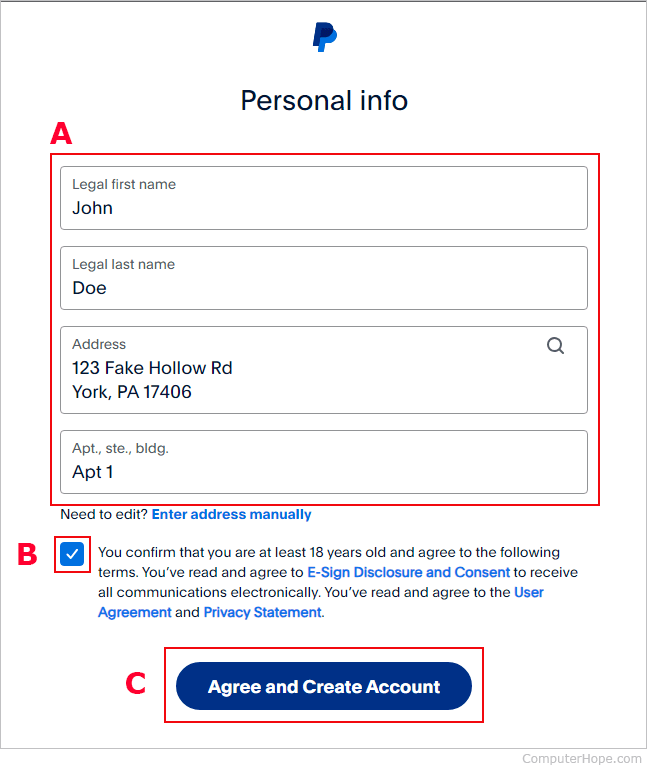
During the setup, you will be required to input legal information, including your full name, physical address, and contact details. For a Business account, you will also need to provide your business’s legal name, employer identification number (EIN) or social security number (SSN), and the nature of your industry. This data is not merely for profile creation; it is a regulatory requirement that allows PayPal to verify your identity and report relevant financial data to government tax authorities when you exceed certain revenue thresholds.
Linking Funding Sources and Achieving Liquidity
An empty digital wallet has limited utility. To fully integrate PayPal into your financial ecosystem, you must link it to a primary funding source. This typically involves connecting a checking or savings account. By doing so, you enable the “transfer” functionality, allowing you to move digital balances into your physical bank account.
Verification is a crucial sub-step here. PayPal will often send two micro-deposits (usually a few cents) to your bank account. Once these appear in your bank statement, you must log back into PayPal and confirm the amounts. This process confirms that you have authorized access to the linked financial institution, thereby securing the bridge between your digital and traditional assets.
Leveraging PayPal for Online Income and Global Business Growth
Once the account is active, it functions as a powerful engine for generating and managing income. For those involved in the “gig economy” or international trade, PayPal’s infrastructure offers several advantages that traditional wire transfers cannot match.
Streamlining International Receivables
One of the most significant hurdles in global finance is the complexity of cross-border payments. Traditional banking systems often involve intermediary banks, high wire fees, and lengthy clearing times. PayPal simplifies this by allowing users to receive payments in over 25 currencies.
From a money management perspective, you can choose to hold these different currencies within your PayPal balance, allowing you to wait for favorable exchange rates before converting them to your local currency. This “currency hedging” strategy can save significant amounts of capital for businesses that deal with high volumes of international sales.
Modern Invoicing and Cash Flow Management
For service-based businesses, maintaining steady cash flow is vital. PayPal’s integrated invoicing tool allows you to send professional payment requests directly to a client’s inbox. These invoices include itemized lists, tax calculations, and “Pay Now” buttons that facilitate immediate settlement. By reducing the friction between the delivery of a service and the receipt of payment, PayPal helps businesses maintain a healthier cash-on-hand ratio, ensuring they have the liquidity needed to cover operational costs and reinvest in growth opportunities.
Maximizing Security and Financial Integrity
In the realm of digital finance, security is synonymous with wealth preservation. A PayPal account offers built-in protections that safeguard your capital from fraud and transactional disputes.
Buyer and Seller Protection Programs
One of the primary reasons PayPal remains a dominant force in the financial sector is its robust protection framework. For buyers, the “Purchase Protection” ensures that if a product does not arrive or significantly differs from its description, the funds can be recovered.
For sellers, “Seller Protection” helps mitigate the risk of fraudulent chargebacks and “unauthorized transaction” claims. Understanding the terms of these protections is essential for any business owner. By ensuring that transactions meet the eligibility criteria—such as shipping to verified addresses and maintaining proof of delivery—you protect your revenue from the inherent risks of online commerce.
Multi-Factor Authentication and Fraud Detection
To maintain the highest level of digital security, users should immediately enable Multi-Factor Authentication (MFA). This requires a secondary code—usually sent via an SMS or an authenticator app—before access to the account is granted. This layer of defense is critical in preventing unauthorized transfers. Additionally, PayPal utilizes sophisticated AI-driven fraud detection algorithms that monitor account activity for anomalies. Being proactive about these security features ensures that your digital capital remains under your exclusive control.
The Future of Digital Wallets in Asset Management
As you integrate PayPal into your broader financial strategy, it is important to recognize how the platform is evolving beyond a mere payment processor. It is increasingly becoming a comprehensive asset management tool.
Diversifying into Digital Assets
In recent years, PayPal has expanded its services to include the ability to buy, hold, and sell cryptocurrencies. For the modern investor, this offers a streamlined way to diversify a portfolio into digital assets like Bitcoin or Ethereum without needing a separate crypto exchange account. While these assets carry higher volatility risks, having them accessible within the same interface as your traditional fiat currency allows for more agile financial decision-making.
Credit Lines and Working Capital
For established businesses, PayPal offers financial products such as “PayPal Working Capital” and “PayPal Business Loans.” These are based on your account’s sales history rather than just a traditional credit score. This can be a vital source of funding for businesses looking to purchase inventory, expand marketing efforts, or manage seasonal cash flow dips. By maintaining a healthy PayPal account with consistent transaction volume, you build a “financial reputation” that can unlock access to credit that traditional banks might be hesitant to provide.
In conclusion, signing up for a PayPal account is more than a simple registration process; it is a strategic move to position yourself within the global digital economy. By choosing the right account type, meticulously verifying your identity, and leveraging the platform’s advanced financial tools, you can optimize your cash flow, protect your assets, and create new pathways for financial growth. Whether for personal utility or professional expansion, a well-managed PayPal account is an indispensable asset in the toolkit of the modern financially-savvy individual.
aViewFromTheCave is a participant in the Amazon Services LLC Associates Program, an affiliate advertising program designed to provide a means for sites to earn advertising fees by advertising and linking to Amazon.com. Amazon, the Amazon logo, AmazonSupply, and the AmazonSupply logo are trademarks of Amazon.com, Inc. or its affiliates. As an Amazon Associate we earn affiliate commissions from qualifying purchases.