
Facing a tax liability that you can’t pay in full by the deadline can be a daunting experience. The Internal Revenue Service (IRS) is a formidable entity, and the thought of owing money to the government can evoke anxiety and stress. However, it’s crucial to understand that the IRS offers several pathways for taxpayers who genuinely cannot meet their immediate payment obligations. Ignoring the problem will only exacerbate it through penalties and interest. Instead, taking proactive steps to set up a payment arrangement with the IRS can provide a structured approach to resolving your debt, offering peace of mind and preventing more severe enforcement actions.

This guide delves into the various options available, outlining the eligibility criteria, application processes, and critical considerations for effectively managing your tax debt. By understanding these mechanisms, you can navigate your financial obligations with the IRS confidently and strategically, ensuring compliance while mitigating potential long-term financial strain. This isn’t just about settling a debt; it’s about safeguarding your financial future and maintaining good standing with federal tax authorities.
Understanding Your IRS Payment Obligations
Before exploring specific payment plans, it’s essential to grasp why you might owe the IRS and the significant implications of non-payment. Procrastination or avoidance can lead to a cascade of financial and legal consequences that are far more difficult to manage than proactive engagement.
When You Might Owe the IRS
Several scenarios can lead to an unexpected tax bill. Common reasons include:
-
Insufficient Withholding: If you’re an employee, your W-4 form dictates how much tax is withheld from each paycheck. If you don’t adjust it after life changes (marriage, children, secondary income), you might not be withholding enough.
-
Self-Employment Income: Self-employed individuals are responsible for paying estimated taxes quarterly. Failure to do so, or underestimating your income, can result in a significant tax due at year-end.
-
Investment Gains: Selling assets like stocks, bonds, or real estate for a profit can create capital gains, which are taxable. If not accounted for throughout the year, this can lead to a large sum owed.
-
Untaxed Income: Income from sources like certain pensions, retirement accounts, or even some types of gambling winnings might not have had taxes withheld, making you responsible for the full amount.
-
Errors on Your Tax Return: Mistakes, even unintentional ones, can result in an inaccurate tax calculation, leading to an underpayment.
The Importance of Timely Action
The moment you realize you owe the IRS more than you can afford to pay, prompt action is paramount. Filing your tax return on time, even if you can’t pay the full amount, is the first critical step. Failing to file can result in a “failure to file” penalty, which is significantly higher (5% per month or part of a month, up to 25% of the unpaid taxes) than the “failure to pay” penalty (0.5% per month or part of a month, up to 25%). While an extension to file gives you more time to submit your return, it does not extend the time to pay your taxes. Interest and penalties will still accrue on any unpaid amounts. The sooner you communicate with the IRS and set up a plan, the more you can minimize these additional costs.
Consequences of Non-Payment
Ignoring your tax debt or failing to make payment arrangements carries severe repercussions:
-
Penalties and Interest: As mentioned, both accrue from the day taxes are due. Interest rates can fluctuate but are generally tied to the federal short-term rate plus 3%.
-
Liens: The IRS can place a federal tax lien on your property (real estate, vehicles, other assets). This is a legal claim to your property and can make it difficult to sell or refinance.
-
Levies: The IRS can seize your property to satisfy your tax debt. This includes bank accounts, wages, and other financial assets. Wage garnishments can severely impact your ability to meet living expenses.
-
Passport Revocation: For seriously delinquent tax debt, the State Department may deny your passport application or renewal, or even revoke an existing passport.
-
Criminal Charges: In rare but extreme cases of intentional tax evasion or fraud, criminal charges can be pursued.
Understanding these consequences underscores the necessity of engaging with the IRS to establish a feasible payment solution.
Navigating IRS Payment Options
The IRS offers several distinct payment arrangements designed to help taxpayers in various financial situations. Each option has specific criteria and benefits, making it crucial to choose the one that best fits your circumstances.
Paying in Full (If Feasible)
While this article focuses on situations where you can’t pay in full, it’s always the best option if possible. Paying your tax liability completely by the due date (usually April 15th) avoids all penalties and interest associated with underpayment. If you have the funds, even by drawing from savings or a temporary loan, it’s often more cost-effective than incurring IRS penalties and interest.
Short-Term Payment Plans (Up to 180 Days)
If you need a little more time but anticipate being able to pay your full tax liability relatively soon, a short-term payment plan might be suitable.
-
Eligibility: You generally qualify if you owe less than $100,000 (including tax, penalties, and interest) and can pay the full amount within 180 days.
-
Application Process: You can request a short-term payment plan online via the IRS website (IRS.gov/payments), by phone, or by mail. While there are no setup fees for a short-term plan, interest and failure-to-pay penalties continue to accrue until the balance is paid in full. This option simply extends your payment window without a formal installment agreement.
Long-Term Payment Plans: Installment Agreements
For taxpayers who need more than 180 days to pay their tax debt, an Installment Agreement (IA) is the most common solution. This allows you to make monthly payments for up to 72 months (six years).
-
What is an Installment Agreement? An IA is a formal agreement with the IRS to pay your tax debt in regular monthly installments over an extended period. Once approved, the failure-to-pay penalty is typically reduced from 0.5% to 0.25% per month, though interest still accrues.
-
Types of Installment Agreements:
-
Guaranteed Installment Agreement: Available if you owe $10,000 or less (excluding penalties and interest), have filed all required returns on time, and have no prior IAs in the last five years. These are relatively straightforward to obtain.
-
Streamlined Installment Agreement: Generally available if you owe up to $50,000 (for individuals) or $25,000 (for businesses) in combined tax, penalties, and interest, and can pay within 72 months. This is the most common type and doesn’t require extensive financial disclosure.
-
Non-Streamlined Installment Agreement: For those who don’t qualify for the streamlined option due to higher debt or inability to pay within 72 months. This requires a more detailed financial analysis by the IRS to determine your “ability to pay.”
-
-
Eligibility Criteria: To qualify for any IA, you must have filed all required tax returns. The IRS will look at your income, expenses, and assets to determine a reasonable monthly payment.
-
Application Steps and Required Information:
-
Form 9465, Installment Agreement Request: This form is generally used for most IAs. You specify your proposed monthly payment amount and the date you can start payments.
-
Online Payment Agreement (OPA): For streamlined IAs, individuals can apply directly online through the IRS website, which is often the fastest method.
-
Financial Information (for non-streamlined): If you owe more than the streamlined thresholds, you’ll likely need to submit Form 433-F (Collection Information Statement for Wage Earners and Self-Employed Individuals) or Form 433-A (Collection Information Statement for Individuals) which detail your income, expenses, and assets. The IRS uses this to determine a fair payment amount.
-
Offer in Compromise (OIC)
An Offer in Compromise (OIC) allows certain taxpayers to resolve their tax liability with the IRS for a lower amount than what they originally owe. This is typically reserved for taxpayers who are experiencing significant financial hardship.
-
When an OIC is Appropriate: An OIC is an option when there’s serious doubt about your ability to pay the full amount of tax owed, or when paying the full amount would create an economic hardship. It’s not for those who simply want to pay less; it’s for those who genuinely cannot pay the full amount and will likely never be able to.
-
Eligibility and “Ability to Pay”: The IRS evaluates OIC applications based on your “reasonable collection potential” (RCP). This is essentially the amount the IRS determines it could collect from you through other means (like wage garnishments or asset seizure). Factors considered include:
-
Your ability to pay (current income and expenses).
-
Your equity in assets (what you own).
-
Your current and future earning potential.
-
-
The OIC Application Process (Form 656): Applying for an OIC is complex and requires meticulous documentation. You’ll submit Form 656 (Offer in Compromise) along with Form 433-A (OIC) or Form 433-B (OIC) for businesses, which details your financial situation. A non-refundable application fee (currently $205, though low-income individuals may be exempt) and an initial payment (if not paying in a lump sum) are also typically required. The IRS will thoroughly review your financial situation, and the process can take several months. It’s often advisable to seek professional help for an OIC.
Practical Steps for Setting Up Your Payment Plan
Regardless of the payment option you choose, a methodical approach will facilitate a smoother process.
Gathering Necessary Documentation
Before contacting the IRS or submitting any forms, collect all relevant financial documents. This includes:
-
Your tax return for the year(s) in question.
-
Recent pay stubs or proof of income (bank statements, profit and loss statements if self-employed).
-
Records of your monthly living expenses (housing, utilities, food, transportation, medical).
-
Information about your assets (bank account balances, retirement accounts, property values, vehicle equity).
-
Any correspondence received from the IRS regarding your tax debt.
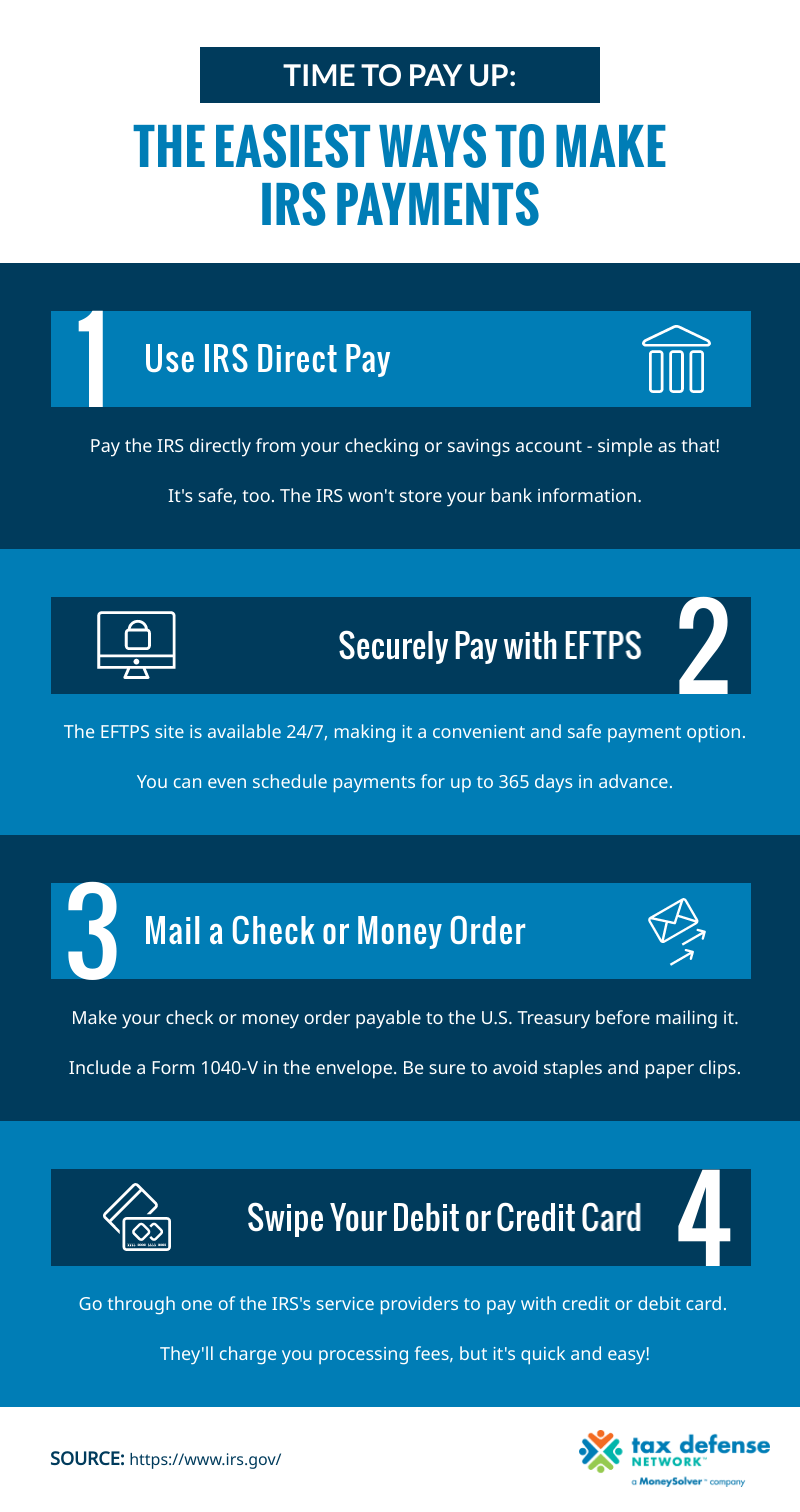
Having this information readily available will help you accurately assess your financial situation and complete forms without delays.
Online, Phone, and Mail Application Methods
The IRS offers multiple ways to apply for payment arrangements:
-
Online: For most short-term payment plans and streamlined installment agreements, the IRS Online Payment Agreement (OPA) tool is the quickest and most convenient method. Visit IRS.gov/payments and look for the “Online Payment Agreement” option.
-
Phone: You can call the IRS directly at 1-800-829-1040 (individuals) or 1-800-829-4933 (businesses) to discuss your options and potentially set up a plan. Be prepared for potentially long wait times.
-
Mail: You can download and complete Form 9465 (Installment Agreement Request) or Form 656 (Offer in Compromise) and mail them to the address specified in the form instructions.
What to Expect After Application
Once you’ve submitted your application, the IRS will review it.
-
Online Applications: If approved online, you’ll receive immediate confirmation.
-
Mail/Phone Applications: For forms submitted via mail or phone, it may take several weeks to receive a response. The IRS might request additional information or propose a different payment amount than what you requested.
-
During Review: The IRS generally won’t take enforced collection actions (like levies) while an installment agreement or OIC is pending. However, interest and penalties continue to accrue.
Monitoring Your Payment Plan
Once your payment plan is in place, it’s critical to adhere strictly to its terms.
-
Make Timely Payments: Set up automatic payments (Direct Debit Installment Agreement is recommended) to avoid missing deadlines. Missed payments can cause your agreement to default, leading to the IRS resuming collection actions.
-
File All Future Returns: You must continue to file all future tax returns on time, even if you owe more tax.
-
Pay All New Taxes Due: You must pay any new tax liabilities in full by the due date. Failure to do so can also cause your current payment plan to default.
-
Keep Records: Maintain meticulous records of all payments made and correspondence with the IRS.
Managing Your IRS Debt Effectively
Setting up a payment plan is a significant first step, but effective long-term management requires ongoing vigilance and strategic financial planning.
Understanding Penalties and Interest
Even with a payment plan, penalties and interest will continue to accrue on your outstanding balance, albeit at a reduced rate for failure-to-pay penalties under an IA. It’s crucial to factor these additional costs into your financial planning. Understanding how they accumulate can motivate you to pay off your debt as quickly as possible. In some cases, the IRS may abate certain penalties if there was reasonable cause and not due to willful neglect. This is a complex area, often requiring detailed explanations and documentation.
The Role of a Tax Professional
Navigating IRS debt and payment options can be complex. A qualified tax professional, such as a Certified Public Accountant (CPA), Enrolled Agent (EA), or tax attorney, can provide invaluable assistance.
-
Expert Guidance: They can help you understand your options, assess your financial situation, and recommend the best course of action.
-
Application Assistance: They can prepare and submit complex forms like the OIC application and ensure all required documentation is complete and accurate.
-
IRS Communication: They can communicate with the IRS on your behalf, often more effectively than an individual, potentially negotiating more favorable terms.
-
Audit Support: If your debt arose from an audit, a professional can represent you throughout the process.
While professional fees are an additional cost, the peace of mind and potential for a more favorable outcome often outweigh the expense, particularly for larger or more complicated tax debts.
Strategies for Financial Recovery
Beyond the immediate payment plan, consider broader financial strategies to prevent future tax issues and accelerate debt repayment:
-
Budgeting and Expense Review: Create a detailed budget to identify areas where you can cut expenses and free up funds for tax payments.
-
Increasing Income: Explore opportunities for additional income through a side hustle, overtime, or a second job.
-
Building an Emergency Fund: A robust emergency fund can prevent future financial shocks from derailing your ability to pay taxes or other essential bills.
-
Debt Prioritization: While IRS debt is serious, evaluate it in the context of your overall debt portfolio. Sometimes, paying off high-interest credit card debt might be a priority, but ensure you are still compliant with IRS payment terms.
Avoiding Future Tax Debt
The best way to manage IRS debt is to avoid it altogether.
-
Adjust Withholding: Regularly review your W-4 form, especially after significant life changes or income fluctuations, to ensure adequate tax withholding. Use the IRS Tax Withholding Estimator tool on their website.
-
Pay Estimated Taxes: If you’re self-employed or have substantial untaxed income, make quarterly estimated tax payments.
-
Keep Accurate Records: Maintain thorough records of all income and expenses throughout the year.
-
Professional Review: Consider having a tax professional review your financial situation periodically, especially if your income sources or financial complexity changes.
Key Considerations and Next Steps
Addressing your IRS debt is not merely a transactional process; it’s a commitment to financial discipline and compliance.
Proactive Communication with the IRS
The IRS is generally more willing to work with taxpayers who are proactive and transparent. If your financial situation changes, affecting your ability to make payments, contact the IRS immediately. They may be able to modify your payment plan or offer alternative solutions. Ignoring their communications or failing to update them on your circumstances can lead to the termination of your agreement.
Reviewing Your Tax Withholding
A common pitfall is to set up a payment plan for past debt but not address the underlying issue that caused the debt. If your issue was insufficient withholding or estimated tax payments, ensure you adjust these immediately for the current tax year to avoid accumulating new tax debt. Use tools like the IRS Tax Withholding Estimator to get it right. This forward-looking approach is essential for breaking the cycle of tax debt.
The Peace of Mind in Compliance
While owing money to the IRS is never pleasant, actively engaging with them to set up a payment plan offers significant peace of mind. It stops the clock on escalating penalties, prevents enforced collection actions, and provides a clear pathway to resolving your financial obligations. By understanding your options and committing to a responsible repayment strategy, you demonstrate good faith and take control of your financial destiny, moving from a position of anxiety to one of informed resolution. Remember, the goal is not just to pay off the debt, but to learn from the experience and implement practices that ensure future tax compliance.
aViewFromTheCave is a participant in the Amazon Services LLC Associates Program, an affiliate advertising program designed to provide a means for sites to earn advertising fees by advertising and linking to Amazon.com. Amazon, the Amazon logo, AmazonSupply, and the AmazonSupply logo are trademarks of Amazon.com, Inc. or its affiliates. As an Amazon Associate we earn affiliate commissions from qualifying purchases.