
Navigating the complexities of federal tax obligations is a cornerstone of sound personal and business financial management. Whether you are a high-net-worth individual, a freelancer managing quarterly estimates, or a corporate treasurer overseeing payroll liabilities, the mechanism by which you transfer funds to the Internal Revenue Service (IRS) is as critical as the calculation of the tax itself. Efficient payment processing ensures compliance, minimizes the risk of late-payment penalties, and maintains the integrity of your financial records.
In an era of rapid digital transformation, the IRS has expanded its payment ecosystem far beyond the traditional paper check. Understanding the nuances of these various channels allows taxpayers to optimize their cash flow and leverage technology for better fiscal oversight.
Digital Payment Solutions: Maximizing Efficiency and Accuracy
The most effective way to manage tax liabilities is through the IRS’s suite of digital tools. These platforms are designed to provide immediate confirmation and high-levels of security, which are essential for significant financial transactions.
IRS Direct Pay: The Individual Standard
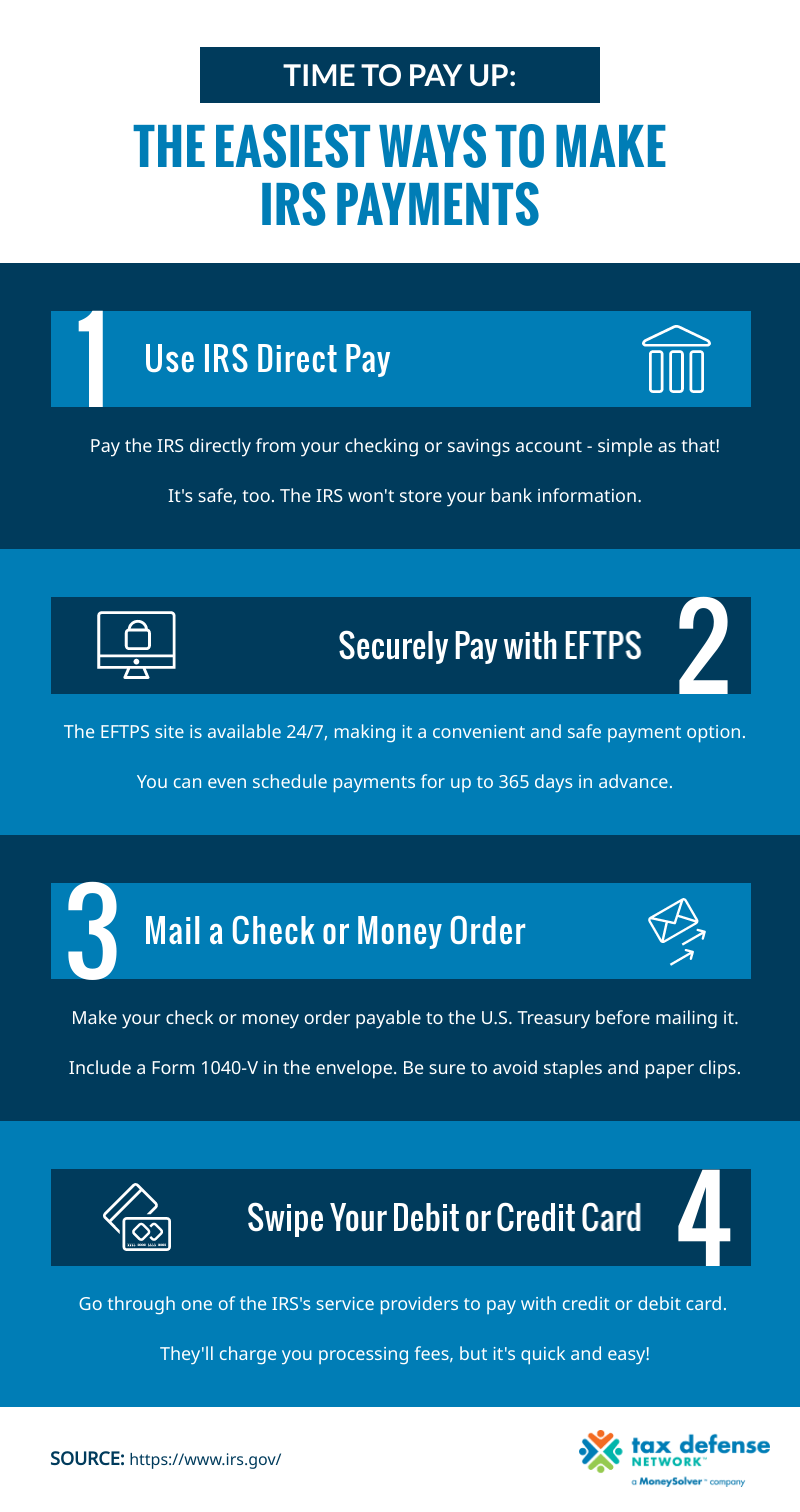
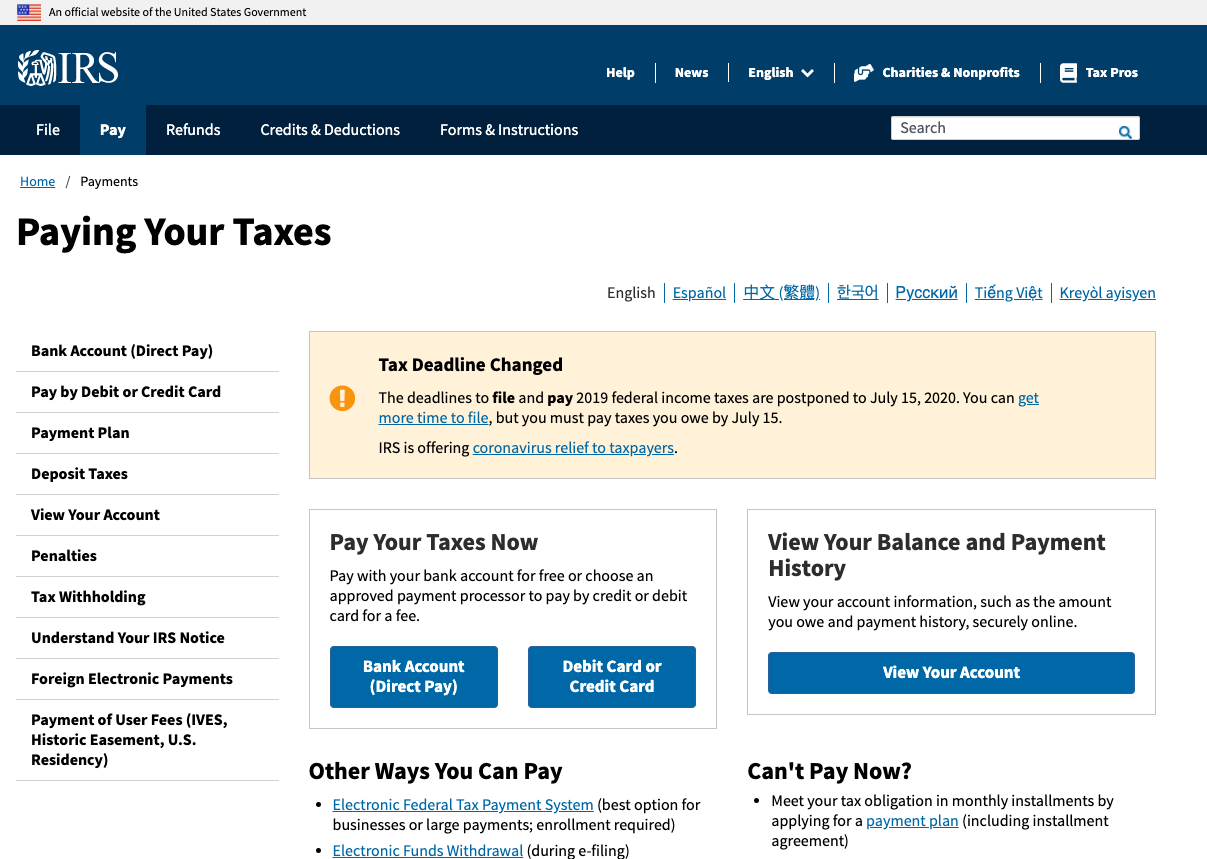
For the majority of individual taxpayers, IRS Direct Pay remains the gold standard for transferring funds. This service allows you to pay your tax bill directly from a checking or savings account without any processing fees. From a financial planning perspective, Direct Pay is advantageous because it provides an instant confirmation number, which serves as an immutable receipt for your digital audit trail.
Direct Pay supports a variety of payment types, including Form 1040 (U.S. Individual Income Tax Return), estimated taxes (1040-ES), and payments associated with filing extensions (Form 4868). By utilizing this method, you avoid the “float” time associated with mail-in checks, ensuring your payment is logged on the exact date you intend.
EFTPS: The Corporate and High-Volume Solution
The Electronic Federal Tax Payment System (EFTPS) is a free service provided by the Department of the Treasury. While individuals can use it, it is the primary vehicle for businesses and employers. Unlike Direct Pay, EFTPS requires a registration process, which includes receiving a PIN via physical mail for enhanced security.
From a business finance standpoint, EFTPS is superior because it allows for scheduled payments. A CFO or small business owner can schedule payments up to 365 days in advance. This is an essential tool for cash flow forecasting, allowing a business to “set and forget” its quarterly estimated tax payments, ensuring that liquidity is preserved for other operational needs until the very moment the tax is due.
Digital Wallets and Third-Party Processors
In recent years, the IRS has integrated with third-party payment processors to allow for payments via credit cards, debit cards, and digital wallets like PayPal or Click to Pay. While these methods offer convenience, they come with a significant financial trade-off: processing fees. These fees usually range from 1.8% to 2% for credit cards.
From a personal finance strategy, using a credit card to pay the IRS is generally only advisable if the rewards or “points” earned exceed the processing fee, or if a taxpayer is utilizing a 0% APR introductory period to bridge a temporary liquidity gap. However, the interest rates on standard credit cards are almost always higher than the interest the IRS charges on installment agreements, making this a high-cost option for long-term debt management.
Strategic Cash Flow Management: Quarterly Estimates and Penalties
Managing your tax payments is not merely about the “how,” but the “when.” The U.S. tax system is a “pay-as-you-go” structure. Failure to align your payments with your income throughout the fiscal year can result in underpayment penalties that erode your net investment returns.
The Importance of Quarterly Estimated Payments
For self-employed professionals, contractors, and investors with significant non-wage income, quarterly estimated payments are a vital financial tool. These are due on April 15, June 15, September 15, and January 15.
Calculating these payments accurately requires a proactive approach to accounting. If your income fluctuates, using the “Safe Harbor” rule is a common financial strategy. By paying at least 100% (or 110% for high-income earners) of the previous year’s tax liability, you can avoid underpayment penalties even if your current year’s income is substantially higher. This allows for better capital allocation, as you can keep surplus funds in interest-bearing accounts until the final filing deadline.

Managing Liquidity During Tax Season
April is often a month of significant cash outflow for businesses and individuals alike. To protect your financial health, it is wise to maintain a dedicated tax reserve account. By treating tax liability as a non-negotiable monthly expense rather than a yearly surprise, you ensure that sending a payment to the IRS does not disrupt your investment portfolio or operational capital.
Traditional and Alternative Payment Methods
While digital is preferred, traditional methods still play a role in the financial ecosystem, particularly for those who prefer physical documentation or face specific banking limitations.
The Paper Check and Money Order
Sending a check or money order through the mail is the oldest form of payment. If you choose this route, it is imperative to include Form 1040-V (Payment Voucher). Without this voucher, the IRS may struggle to attribute the funds to the correct account, leading to potential late-filing notices.
From a risk management perspective, if you must mail a payment, it should always be sent via USPS Certified Mail with a Return Receipt Requested. This provides legal proof of the postmark date, which the IRS recognizes as the official payment date. In the world of high-stakes finance, having a paper trail for a multi-thousand-dollar payment is a basic necessity.
Cash Payments at Retail Partners
Through partnerships with services like Pay1040 and various retail chains, taxpayers can actually pay their federal taxes in cash. This is a niche solution designed for the “unbanked” or “underbanked” segments of the economy. However, this method has low daily limits (often $1,000 per day) and requires a multi-step verification process. For most financial professionals, this is the least efficient way to handle corporate or personal liabilities.
Resolution Strategies for Tax Debt: Installment Agreements
There are instances where a taxpayer may not have the immediate liquidity to settle their full liability. In these scenarios, the IRS acts similarly to a lending institution, offering structured payment plans.
Short-Term and Long-Term Installment Agreements
If you owe less than $100,000 in combined tax, penalties, and interest, you may be eligible for a short-term payment plan (up to 180 days). For larger debts or longer durations, a long-term installment agreement (Payment Plan) is required.
From a financial tool perspective, the IRS interest rates are often lower than unsecured personal loans, though they are higher than current mortgage or high-yield savings rates. An installment agreement allows you to preserve your credit score and avoid aggressive collection actions like levies or liens. It is a strategic move to maintain financial stability while systematically reducing the debt.
Offer in Compromise (OIC)
An Offer in Compromise is a sophisticated financial negotiation where the IRS agrees to settle a tax debt for less than the full amount owed. This is typically reserved for taxpayers who can demonstrate that paying the full amount would create a severe financial hardship. Preparing an OIC requires a deep dive into your assets, income, and future earning potential, essentially functioning as a financial “restructuring” of your personal balance sheet.
Security and Compliance: Protecting Your Assets
The process of sending money to the government is a prime target for cybersecurity threats. Protecting your financial data is paramount during the payment process.
Avoiding Phishing and Payment Scams
The IRS will never initiate contact via email, text message, or social media to request a payment. Legitimate payments are always made through established portals like .gov websites or authorized third-party processors listed on the official IRS website. Professional financial management involves verifying every portal and ensuring that your bank account details are only entered into encrypted, secure systems.
Record-Keeping and Digital Audits
Once a payment is sent, the financial lifecycle of that transaction is not over. You must maintain records of these payments for at least three to seven years. Modern accounting software can sync with your bank accounts to automatically categorize these payments, but manual verification of the IRS “Transcript” is a best practice. By requesting a Tax Account Transcript from the IRS annually, you can verify that every payment sent was accurately applied to your balance.
The Impact on Financial Planning
Successfully managing IRS payments is more than a compliance hurdle; it is an indicator of overall financial health. A streamlined payment process reflects a well-organized financial life, characterized by high liquidity, proactive planning, and a deep understanding of one’s fiduciary responsibilities. Whether you are paying your personal income tax or managing the payroll taxes for a growing enterprise, the method you choose should align with your broader goals of security, efficiency, and capital preservation.
aViewFromTheCave is a participant in the Amazon Services LLC Associates Program, an affiliate advertising program designed to provide a means for sites to earn advertising fees by advertising and linking to Amazon.com. Amazon, the Amazon logo, AmazonSupply, and the AmazonSupply logo are trademarks of Amazon.com, Inc. or its affiliates. As an Amazon Associate we earn affiliate commissions from qualifying purchases.