
The Multiple Listing Service (MLS) is often described as the “holy grail” of real estate data. For investors, entrepreneurs, and those looking to build a sustainable side hustle in property markets, the MLS represents the ultimate competitive advantage. It is not a single, centralized database but a network of over 600 regional databases that facilitate the exchange of property information between brokers. In the realm of personal finance and business growth, understanding how to gain access to this data—and how to use it—is a critical step in moving from a casual observer to a professional wealth builder.
Accessing the MLS is not as simple as signing up for a subscription service like Netflix or Spotify. Because it is a proprietary tool owned and operated by real estate professionals, there are significant financial and regulatory barriers to entry. However, for those focused on high-yield investing and real estate-based income streams, the cost of access is often eclipsed by the return on investment (ROI) that accurate, real-time data provides.
The Economics of MLS Access: The Licensed Route
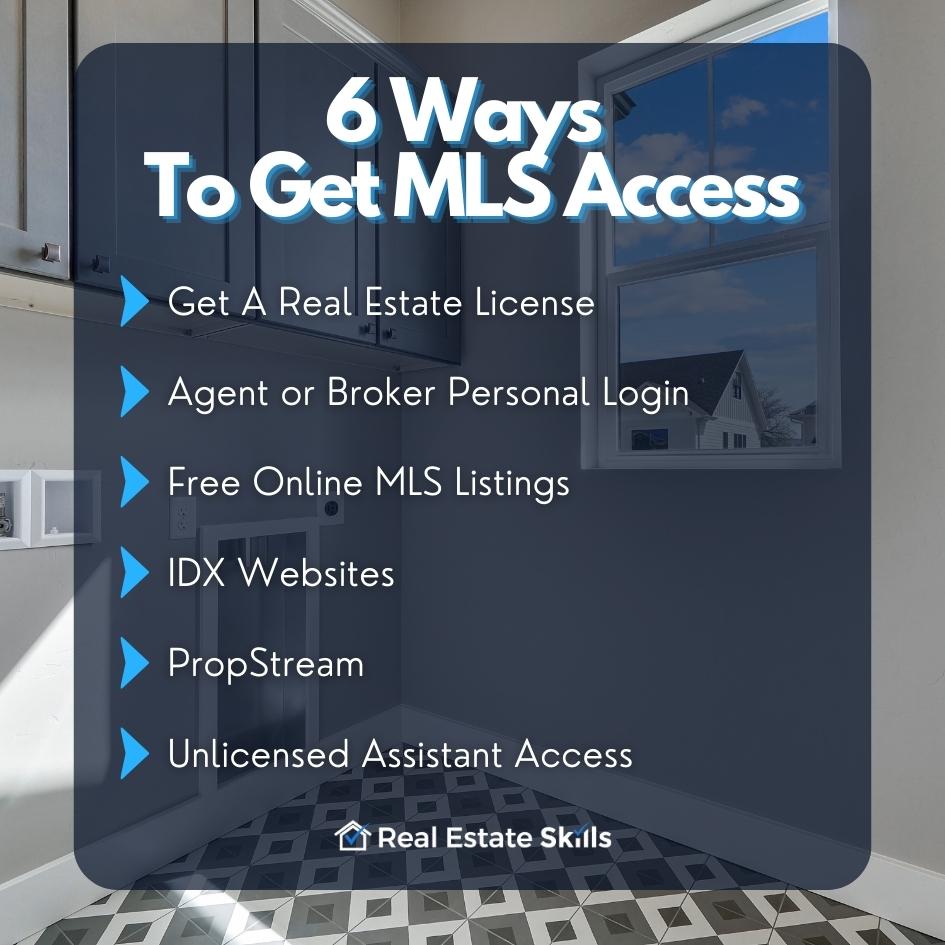
The most direct way to gain full, unfettered access to the MLS database is to become a licensed real estate agent and join a local board of Realtors. From a financial perspective, this should be viewed as a business startup cost. It is an investment in professional infrastructure that provides the raw data necessary for high-stakes decision-making.
The Initial Capital Outlay
Becoming an agent involves several layers of expense. First, there are the pre-licensing education costs, which vary by state but typically range from $200 to $600. Following education, there are application fees, background check fees, and examination fees. Once licensed, the real financial commitment begins. To access the MLS, most regions require you to join the National Association of Realtors (NAR) and your local state and regional boards. These annual dues, combined with monthly MLS subscription fees, can range from $1,000 to $2,500 per year.
Brokerage Affiliation and Operational Costs
In addition to board fees, a licensed agent must hang their license with a sponsoring broker. Some “virtual” or “investor-friendly” brokerages offer flat-fee models, while traditional firms may take a percentage of every deal you close. For an investor whose primary goal is data access rather than representing clients, finding a low-overhead, 100% commission brokerage is the most cost-effective strategy. This allows the investor to treat the MLS fee as a fixed operational expense rather than a variable cost that eats into investment profits.
The ROI of Professional Access
Why would an investor spend thousands of dollars and dozens of hours in a classroom just for a database login? The answer lies in the quality of the information. While public-facing sites like Zillow or Redfin display much of the MLS data, they are often delayed or missing critical “agent-only” remarks. These remarks can include information about why a property is being sold (e.g., “motivated seller,” “estate sale,” “cash only”), which are essential indicators for finding undervalued assets. For a serious house flipper or wholesaler, the ability to see a listing the millisecond it hits the market—rather than three hours later on a third-party app—can be the difference between a $50,000 profit and a missed opportunity.
Strategic Partnerships: Access Without a License
If the cost and time commitment of licensing do not align with your financial goals, there are several ways to leverage the MLS through strategic partnerships. This approach focuses on business networking and “sweat equity” rather than direct professional certification.
The Unlicensed Assistant Model
In many jurisdictions, real estate agents are permitted to hire unlicensed assistants to perform administrative tasks. While an unlicensed assistant cannot legally negotiate deals or show houses, they are often granted “administrative access” to the MLS to run reports, upload photos, and manage listings for their employer. For a business-minded individual, offering to assist a high-volume producer with their backend administrative work in exchange for a salary and access to the database can be a lucrative way to learn the market while building a financial cushion for future investments.
Partnering with “Investor-Friendly” Agents
For those focused on personal finance and passive income through rentals, the most efficient route is often to form a symbiotic relationship with a licensed professional. Many agents specialize in working with investors. By proving that you are a “ready, willing, and able” buyer with pre-approved financing, an agent will often set up a customized MLS portal for you. This portal sends automated alerts based on your specific financial criteria (e.g., “multi-family homes under $400k with a cap rate of at least 7%”). While this isn’t “full” access to the backend, it provides the filtered, real-time data necessary to build a portfolio.

Joint Venture (JV) Structures
In more complex business finance scenarios, an investor might form a Joint Venture with a licensed agent. The agent brings the data and the “boots on the ground” expertise, while the investor brings the capital. In this scenario, the MLS access is an asset contributed by the agent partner. This structure allows the investor to scale their business quickly without getting bogged down in the regulatory requirements of maintaining a license themselves.
Leveraging Data Aggregators and Third-Party Tools
The digital economy has seen the rise of “PropTech” companies that bridge the gap between the closed-door MLS and the public. For those looking for a side hustle or an entry-point into real estate investing, these tools offer a middle-ground solution.
The Rise of Data Intermediaries
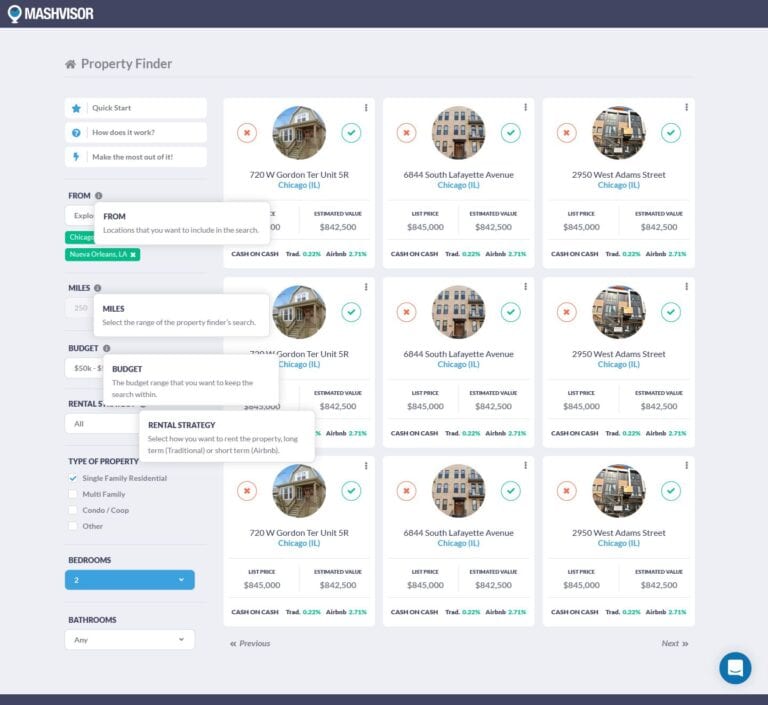
Platforms like PropStream, BatchLeads, and Privy license data from various MLS sources and combine it with public record data (such as tax liens, foreclosure notices, and mortgage balances). While these services usually cost between $100 and $300 per month, they provide a level of insight that rivals direct MLS access. From a personal finance perspective, these tools are often more valuable for “off-market” prospecting. They allow users to filter for properties with high equity or those owned by out-of-state landlords—data points that are not always easily searchable within the standard MLS interface.
Accuracy vs. Accessibility
It is important to understand the trade-offs. Third-party aggregators are highly accessible but can sometimes suffer from data latency. In a hyper-competitive market where “days on market” are often measured in hours, the slight delay in data propagation can be a hurdle. However, for a long-term investor focused on the “Buy, Rehab, Rent, Refinance, Repeat” (BRRRR) method, the wealth of historical data and owner contact information provided by these tools often outweighs the need for split-second timing.
Cost-Benefit Analysis of Subscriptions
When choosing between direct MLS access and a third-party tool, one must conduct a simple break-even analysis. If direct MLS access costs $2,000 annually and a tool like PropStream costs $1,200, the $800 difference must be weighed against the additional revenue potential of the MLS. For a wholesaler who only needs to find one deal a year to make $10,000, the higher cost of professional access is easily justified. For a casual researcher, the subscription model is the more prudent financial choice.
The Changing Landscape: Legal Settlements and Data Transparency
The real estate industry is currently undergoing a massive structural shift due to recent legal settlements involving the National Association of Realtors. These changes have significant implications for how MLS data is accessed and monetized in the future.
De-coupling and Competition
Historically, the MLS was built on the principle of “cooperative compensation,” where the listing broker shared a portion of the commission with the buyer’s broker. Recent legal rulings are moving the industry toward a model where these commissions are negotiated more transparently outside of the MLS. For the business-minded individual, this creates a vacuum that technology and new business models will fill. We are likely to see more “open-access” data platforms emerge as the traditional gatekeeping power of the MLS is challenged.
Emerging Opportunities for Entrepreneurs
As the barrier between the MLS and the public begins to thin, there is a growing market for data analysts and financial consultants who can interpret this information for others. Accessing the database is only the first step; the real money is made in the “alpha”—the insight derived from the data that others miss. Whether it is identifying emerging neighborhoods before they gentrify or spotting trends in commercial zoning changes, the democratization of real estate data is opening up new side hustles in market research and investment consulting.
Navigating the Risk
Despite the shifts in transparency, the MLS remains a highly regulated environment. Misusing data or violating the terms of service can lead to heavy fines and the permanent loss of access. From a digital security and business ethics standpoint, any strategy to access the MLS must prioritize compliance. Attempting to “scrape” data or use someone else’s login credentials is not only a security risk but a financial one, as it can lead to litigation that far outweighs any potential investment gain.
The quest for MLS access is ultimately a quest for financial clarity. Whether through professional licensure, strategic partnership, or the use of sophisticated data aggregators, gaining a window into this database is an essential move for anyone serious about real estate as a vehicle for wealth creation. By treating access as a business investment rather than a hurdle, you position yourself to capitalize on the inefficiencies of the market and build a robust financial future.
aViewFromTheCave is a participant in the Amazon Services LLC Associates Program, an affiliate advertising program designed to provide a means for sites to earn advertising fees by advertising and linking to Amazon.com. Amazon, the Amazon logo, AmazonSupply, and the AmazonSupply logo are trademarks of Amazon.com, Inc. or its affiliates. As an Amazon Associate we earn affiliate commissions from qualifying purchases.