
In an increasingly digital world, the way we manage and transfer money has evolved dramatically. Gone are the days when physical cash or lengthy bank transfers were the sole methods for sending funds to friends, family, or even small businesses. Today, digital payment platforms have revolutionized personal finance, offering unparalleled speed, convenience, and security. Among these, Google Pay stands out as a robust and widely adopted solution, transforming how millions navigate their financial interactions. This guide delves into the specifics of using Google Pay to send money, providing a professional, insightful, and engaging roadmap for mastering this essential financial tool.
Understanding Google Pay’s Role in Modern Personal Finance
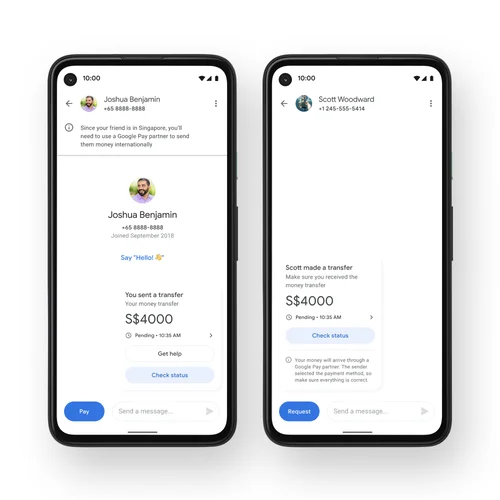
Google Pay is more than just an app; it’s a critical component of contemporary personal finance infrastructure, designed to simplify everyday transactions. Its integration into the broader Google ecosystem makes it a familiar and accessible tool for a vast user base.
The Evolution of Digital Wallets and P2P Payments
The shift from cash-centric transactions to digital payments has been one of the most significant financial transformations of the 21st century. Digital wallets, like Google Pay, emerged as a natural progression, offering a secure and convenient way to store payment information and conduct transactions. Peer-to-peer (P2P) payment systems, a core feature of these wallets, specifically address the need for individuals to send money directly to one another without intermediary banks or traditional wire services. This evolution has democratized financial transfers, making them accessible to anyone with a smartphone, thereby fostering a more interconnected and efficient financial landscape for personal money management. Google Pay’s seamless P2P functionality epitomizes this trend, allowing users to settle debts, split bills, or send gifts with just a few taps.
Key Benefits of Using Google Pay for Money Transfers
For individuals managing their personal finances, Google Pay offers a compelling array of benefits:
- Speed and Instant Gratification: Unlike traditional bank transfers that can take hours or even days, money sent via Google Pay often arrives instantly, making it ideal for urgent payments or spontaneous financial interactions.
- Unmatched Convenience: The ability to send money directly from your smartphone, anytime, anywhere, eliminates the need for ATMs, bank visits, or even carrying a physical wallet. Your contacts list becomes your payment directory.
- Enhanced Security: Google Pay employs multiple layers of security, including encryption, tokenization, and fraud protection, to safeguard your financial information, offering peace of mind that your money is secure during transit.
- Cost-Effectiveness: For most domestic P2P transactions, Google Pay typically charges no fees, making it a highly economical choice compared to some traditional money transfer services.
- Integration with Personal Finance Tracking: All transactions are recorded within the app, providing a clear history that can be invaluable for budgeting, expense tracking, and maintaining an overview of your financial inflows and outflows.
Google Pay vs. Traditional Money Transfer Methods
Comparing Google Pay to older methods highlights its distinct advantages. Traditional bank transfers, while reliable, can be slow and sometimes involve fees, especially for cross-bank or international transfers. Wire transfers, though fast for large sums, often come with substantial fees and require specific bank details. Cash payments, while instant, lack a digital record and carry inherent risks of loss or theft. Cheques are notoriously slow and susceptible to fraud. Google Pay, on the other hand, combines speed, security, and convenience with a clear digital trail, positioning it as a superior financial tool for the majority of personal money transfer needs in the digital age.
Step-by-Step Guide to Sending Money with Google Pay
Sending money through Google Pay is designed to be intuitive, but a clear understanding of each step ensures a smooth and successful transaction, reinforcing your financial literacy and control.
Setting Up Your Google Pay Account for Transfers
Before you can send money, your Google Pay account needs to be properly configured.
- Download and Install the App: Begin by downloading the Google Pay app from the Google Play Store (for Android) or the Apple App Store (for iOS).
- Sign In with Your Google Account: Use your existing Google account credentials. If you don’t have one, you’ll be prompted to create one.
- Link Your Bank Account or Debit Card: This is the crucial step for enabling money transfers. Navigate to the ‘Payment methods’ or ‘Bank accounts’ section within the app. You’ll typically be asked to link a debit card or directly connect your bank account. For bank accounts, this often involves a micro-deposit verification process to confirm ownership, a standard security measure in personal finance tools. Ensure the linked account has sufficient funds for transfers. Credit cards can be linked for purchases but are generally not supported for P2P money transfers to avoid cash advance fees.
- Complete Identity Verification (if required): Depending on your region and transaction limits, Google Pay might require additional identity verification, such as providing a government-issued ID. This is a regulatory requirement designed to prevent fraud and money laundering, aligning with best practices for financial security.
Initiating a Money Transfer to Friends and Family
Once your account is set up, sending money is straightforward:
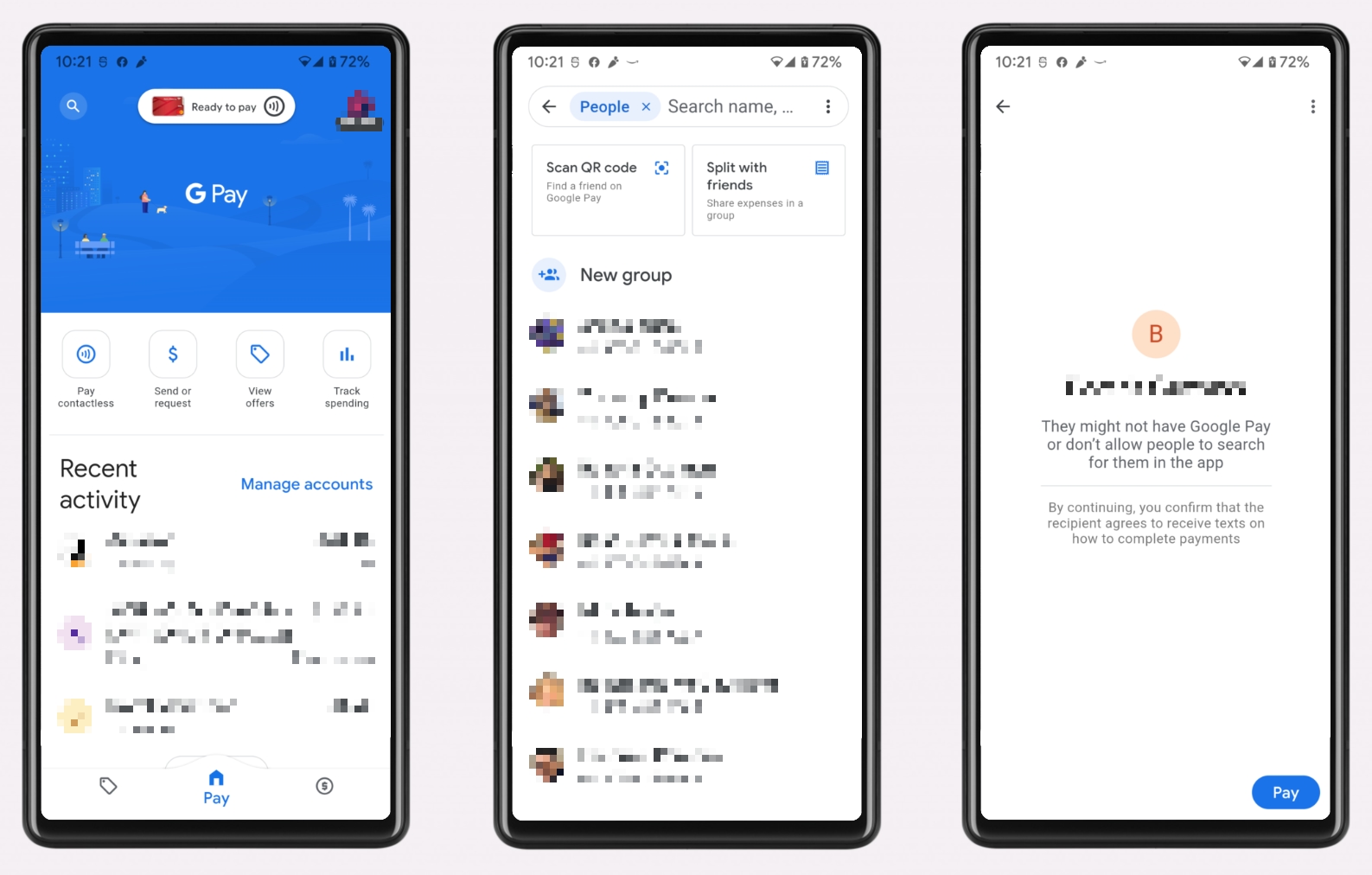
- Open the Google Pay App: Launch the app on your smartphone.
- Select “Send” or “New Payment”: The main interface usually has a prominent button or section dedicated to sending money.
- Choose a Recipient: You can search for a recipient by name, phone number, or email address if they are in your contacts and also use Google Pay. If they’re not in your contacts, you might be able to manually enter their details. Google Pay simplifies this by syncing with your phone’s contacts.
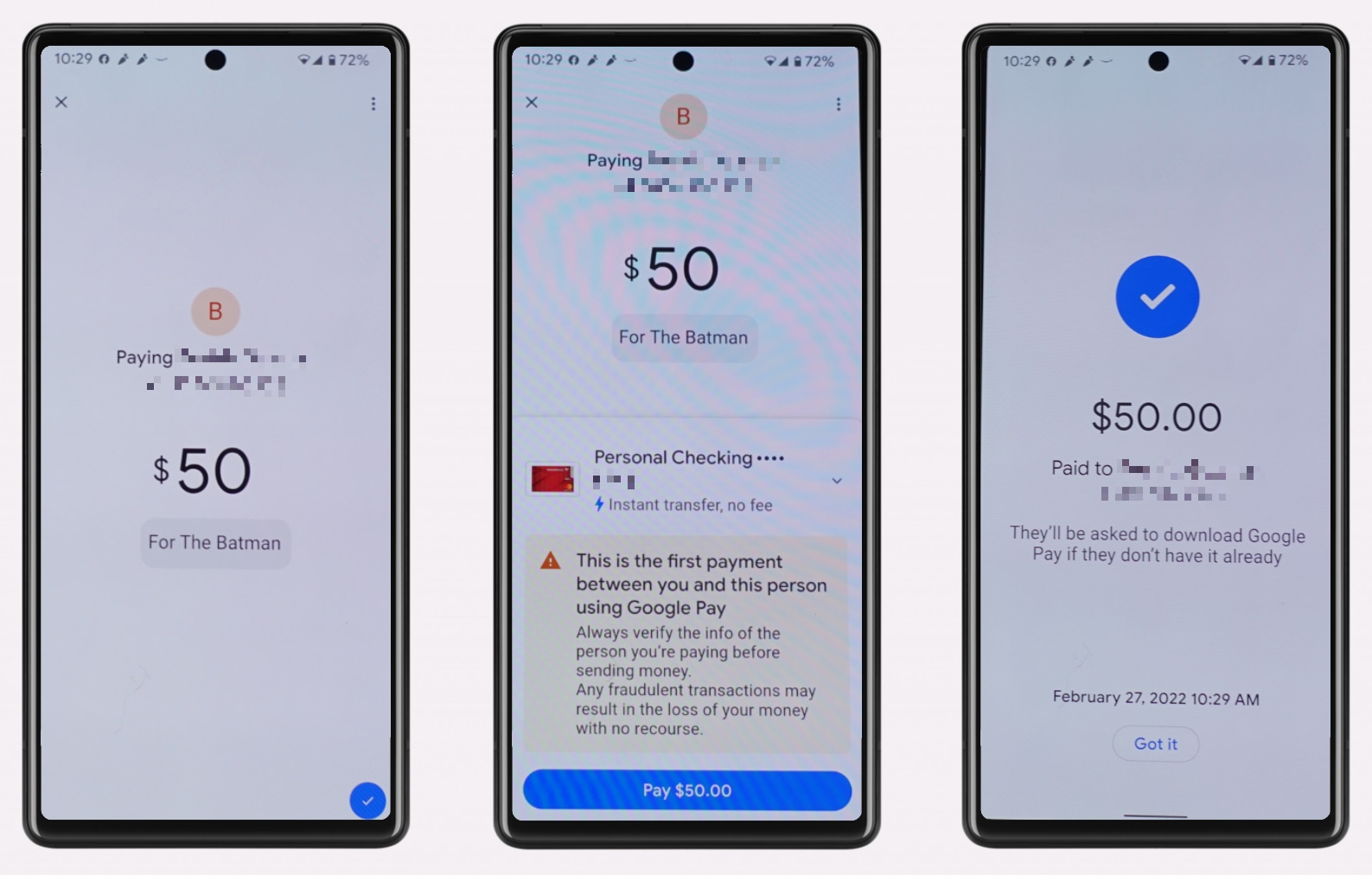
- Enter the Amount: Input the exact amount of money you wish to send. Double-check for accuracy to avoid financial discrepancies.
- Add a Note (Optional but Recommended): Include a brief message explaining the purpose of the payment (e.g., “Dinner,” “Rent,” “Gift”). This not only provides context for the recipient but also serves as an excellent personal finance record for your own budgeting.
- Review and Confirm: Google Pay will display a summary of the transaction, including the recipient, amount, and payment method. Verify all details carefully.
- Authorize the Payment: Depending on your device and settings, you may need to enter your PIN, fingerprint, or facial recognition to authorize the transfer. This final security step protects your financial assets.
Understanding Transaction Limits and Fees
For most domestic personal money transfers, Google Pay does not charge fees. However, it’s essential to be aware of:
- Transaction Limits: Google Pay typically imposes daily, weekly, or monthly limits on the amount of money you can send or receive. These limits are in place for security and regulatory compliance. They can vary by region and whether your identity is fully verified. For example, unverified accounts might have lower limits. Always check the specific limits applicable to your account within the app’s settings or FAQ section if you plan large transfers.
- International Transfers: While Google Pay’s primary P2P focus is domestic, it has expanded its capabilities through partnerships (e.g., with Western Union and Wise) for international money transfers. These international transactions may involve exchange rates and fees, which will be clearly displayed before you confirm the transfer. Always compare these against other international transfer services to ensure you’re getting the best value for your global financial transactions.
Ensuring Security and Privacy in Your Google Pay Transactions
Security is paramount when dealing with financial tools, and Google Pay integrates robust measures to protect your money and personal data. Understanding these features and adopting best practices is crucial for responsible personal finance management.
Google Pay’s Built-in Security Features
Google Pay leverages advanced technology to shield your financial information:
- Encryption and Tokenization: When you link a card or bank account, Google Pay doesn’t store your actual card number or bank details directly on your device. Instead, it uses a process called tokenization, replacing your sensitive information with a unique encrypted digital token. This token is used for transactions, meaning your real financial details are never shared with merchants or even the recipient of your money transfer.
- Fraud Protection: Google Pay employs sophisticated fraud detection algorithms that continuously monitor transactions for suspicious activity. If an unusual transaction is detected, it may be flagged for review or temporarily blocked, protecting your funds from unauthorized access.
- PIN/Biometric Authentication: Every transaction requires authentication, usually through your device’s screen lock (PIN, pattern, fingerprint, or facial recognition). This ensures that even if your phone falls into the wrong hands, your Google Pay funds remain inaccessible.
- Remote Account Lock/Wipe: If your device is lost or stolen, you can remotely lock or wipe your device via Google’s Find My Device service, preventing unauthorized access to your Google Pay app and other personal data.
Best Practices for Secure Money Transfers
While Google Pay provides strong security, user vigilance is equally important:
- Verify Recipient Details: Always double-check the recipient’s name, phone number, or email address before confirming a transfer. Sending money to the wrong person can be difficult to reverse, impacting your personal financial stability.
- Enable Two-Factor Authentication (2FA): If available for your Google account, enable 2FA. This adds an extra layer of security, requiring a second verification step (like a code from an authenticator app) in addition to your password.
- Use Strong, Unique Passwords: Ensure your Google account password is complex and not reused on other sites.
- Be Wary of Scams: Be cautious of requests for money from unknown sources or too-good-to-be-true offers. Google Pay is not designed for business transactions with unknown parties, and funds sent are often non-reversible.
- Keep Your Software Updated: Regularly update your phone’s operating system and the Google Pay app to benefit from the latest security patches and features.
- Monitor Your Bank Statements: Regularly review your linked bank account or card statements for any unauthorized transactions. Report discrepancies immediately to your bank and Google Pay support.
What to Do If You Encounter an Issue
If you suspect fraudulent activity or encounter a problem with a transfer:
- Contact Google Pay Support Immediately: The app usually has a help or support section with contact options.
- Notify Your Bank: If your linked bank account or card is affected, inform your bank without delay.
- Report Suspicious Activity: Utilize Google Pay’s reporting mechanisms for any security concerns.
Beyond Basic Transfers: Maximizing Your Google Pay Experience
Google Pay’s utility extends beyond simple money transfers, offering features that can further enhance your personal finance management.
Receiving Money Through Google Pay
Receiving money is as seamless as sending it. When someone sends you funds via Google Pay, you’ll receive a notification. The money is typically deposited directly into your linked bank account or debit card. There’s usually no action required on your part once your account is set up, highlighting the efficient nature of this financial tool. The transaction will appear in your Google Pay history, contributing to a comprehensive overview of your financial activity.
Integrating Google Pay with Your Personal Finance Management
The transaction history within Google Pay is a powerful, often underutilized, feature for personal finance.
- Budgeting Insights: By reviewing your transfer history, you can identify spending patterns, track how much you’re sending to certain categories (e.g., entertainment, shared expenses), and ensure you’re sticking to your budget.
- Expense Tracking: The notes feature on transfers becomes invaluable here. Labeling each payment helps you categorize expenses accurately, making tax time easier or providing clarity during financial reviews.
- Linking with Budgeting Apps: While Google Pay has its own tracking, some users prefer dedicated budgeting apps. While direct integrations vary, the clear transaction history from Google Pay makes manual entry into these apps much simpler and more accurate.
Troubleshooting Common Transfer Problems
Occasionally, a transfer might not go through as expected. Common issues include:
- Insufficient Funds: The most common reason for a failed transfer. Ensure your linked bank account has enough money.
- Incorrect Recipient Details: Always verify the phone number or email address. Even a small typo can direct funds to the wrong person or cause the transfer to fail.
- Transaction Limits: You might have hit your daily, weekly, or monthly sending limit. Check your account settings.
- Account Verification Issues: Sometimes, additional verification might be needed, or your account could be temporarily restricted if suspicious activity is detected.
- Recipient Hasn’t Set Up Google Pay: If the recipient hasn’t enabled Google Pay for receiving money, the transfer might be pending until they do, or it might be automatically canceled.
- Network Issues: A poor internet connection can sometimes disrupt the transaction process.
In most cases, Google Pay will provide an error message explaining the issue. If the problem persists, consulting the in-app help section or contacting customer support is the next step.
The Future of Digital Payments and Google Pay’s Place in It
The financial technology (FinTech) landscape is continuously evolving, driven by innovation and consumer demand for more efficient financial tools. Google Pay is well-positioned to remain at the forefront of this transformation.
Emerging Trends in FinTech
Several trends are shaping the future of digital payments:
- Artificial Intelligence and Machine Learning: AI is increasingly used for enhanced fraud detection, personalized financial advice, and predictive analytics within banking and payment apps.
- Open Banking and API Integrations: The move towards open banking allows for greater interoperability between financial institutions and third-party apps, potentially making Google Pay even more powerful as a central hub for personal finance.
- Cross-Border Payments: The demand for cheaper, faster international money transfers is growing. Platforms like Google Pay, through strategic partnerships, are expanding their reach in this area, bridging geographical financial divides.
- Contactless Payments and QR Codes: While already prevalent, these methods are set to become even more ubiquitous, further reducing reliance on physical cards and cash.
Google Pay’s Continued Evolution
Google Pay is unlikely to rest on its laurels. We can anticipate:
- Expanded Global Reach: More countries and currencies will likely be supported for P2P and merchant payments.
- Enhanced Integration with Google Services: Deeper connections with Google Shopping, Google Maps, and Google Assistant could streamline purchases and financial queries.
- Value-Added Financial Services: Potential future features could include micro-lending, investment tools, or advanced budgeting features directly within the app, solidifying its role as a holistic personal finance manager.
- Focus on Financial Wellness: Google Pay might increasingly offer tools and insights aimed at helping users achieve better financial health, moving beyond just transactions to active money management.
Empowering Financial Wellness Through Accessible Tools
Ultimately, Google Pay’s significance lies in its ability to empower individuals with accessible and efficient financial tools. By simplifying the act of sending money, enhancing security, and providing a clear transaction history, it contributes to greater financial literacy and control. It removes barriers to quick payments, facilitates responsible budgeting, and offers peace of mind in a digital economy where managing personal finances can often feel complex. As it continues to evolve, Google Pay will undoubtedly remain a cornerstone of modern financial interactions, helping users navigate their money matters with greater ease and confidence.
In conclusion, sending money through Google Pay is a secure, swift, and simple process that epitomizes the advantages of modern digital finance. By understanding its features, adhering to security best practices, and leveraging its capabilities for personal finance management, users can unlock the full potential of this indispensable tool for managing their money effectively in today’s interconnected world.
aViewFromTheCave is a participant in the Amazon Services LLC Associates Program, an affiliate advertising program designed to provide a means for sites to earn advertising fees by advertising and linking to Amazon.com. Amazon, the Amazon logo, AmazonSupply, and the AmazonSupply logo are trademarks of Amazon.com, Inc. or its affiliates. As an Amazon Associate we earn affiliate commissions from qualifying purchases.