
In an increasingly digital financial landscape, the humble debit card has evolved far beyond its primary function of enabling direct purchases from your bank account. Today, it stands as a pivotal tool for a myriad of financial transactions, including the convenient and rapid transfer of money to others. This guide delves into the various methods, considerations, and best practices for leveraging your debit card to send funds, offering insights for both individuals and businesses navigating modern finance.
Understanding the Versatility of Debit Cards for Transfers
A debit card, linked directly to your checking or savings account, provides immediate access to your available funds. While commonly used for ATM withdrawals and point-of-sale transactions, its underlying infrastructure—powered by major card networks like Visa, Mastercard, and Discover—also makes it a potent instrument for peer-to-peer (P2P) payments and other forms of money transfer. The ability to send money directly from your bank account, often in real-time, has revolutionized how we manage personal finances, settle debts with friends, or support family members across distances.

Beyond Purchases: Debit Cards as a Transfer Tool
The utility of a debit card in money transfers stems from its direct connection to a financial institution and its integration into global payment networks. Unlike credit cards, which involve borrowing, debit card transactions directly deduct funds from your existing balance, making them ideal for transfers where the sender already possesses the necessary funds. This direct link facilitates a seamless flow of money, bypassing traditional, often slower, bank wire transfers or physical cash exchanges. Modern payment platforms and banking systems have capitalized on this direct connection, building robust ecosystems that allow for quick and secure movement of funds using just a debit card number or an associated account. This capability has become particularly crucial in an era where instant gratification and digital convenience are paramount.
The Core Mechanisms: How Debit Cards Facilitate Transfers
At its heart, sending money via a debit card involves authorizing a third-party service or your bank to pull funds from your linked account and direct them to a specified recipient. This process typically leverages the card’s 16-digit number, expiration date, and CVV code, much like an online purchase. However, instead of buying a product, you’re instructing the system to move a monetary value.
The underlying technology often involves what’s known as “push-to-card” or “pull-from-card” transactions. When you send money, you’re effectively initiating a “pull” from your account via the debit card details, with the funds then “pushed” to the recipient’s bank account, often facilitated through a debit card they have linked. This process is secure because it utilizes encrypted payment gateways and adheres to stringent financial regulations. The immediacy of these transfers is often achieved through real-time payment networks like RTP (Real-Time Payments) in the US or similar systems globally, which allow for funds to be settled and available almost instantly, rather than waiting for traditional clearing house processes that can take days.
Common Methods for Sending Money with a Debit Card
The proliferation of financial technology (fintech) has led to a diverse array of platforms and services that enable debit card money transfers. Understanding these options is key to choosing the most suitable method for your specific needs.
Peer-to-Peer (P2P) Payment Apps and Services
P2P payment apps have emerged as the most popular method for sending money quickly and conveniently. These platforms allow users to send and receive money using a smartphone, typically linking directly to a debit card or bank account.
-
PayPal: A pioneer in online payments, PayPal allows users to send money to anyone with an email address or phone number. Funds can be sent directly from a linked debit card, with options for instant transfers (sometimes for a small fee) or standard transfers to a bank account.
-
Venmo (a PayPal service): Popular for splitting bills and casual transfers among friends, Venmo integrates a social feed and allows for free standard transfers using a linked debit card or bank account. Instant transfers incur a small percentage-based fee.
-
Cash App (Square/Block Inc.): Offering similar functionalities, Cash App allows for quick transfers to other users, direct deposit, and even investing in stocks or Bitcoin. Debit card linkage is central to its operation.
-
Zelle: Integrated directly into many banking apps, Zelle allows for fast, free transfers between bank accounts in the U.S. using only an email address or phone number. While it doesn’t directly use the debit card number for the transaction itself, it leverages the same banking infrastructure that your debit card is tied to, making it a direct competitor in terms of speed and convenience for domestic transfers.
These apps have gained immense popularity due to their user-friendly interfaces, speed, and often low or no fees for standard transfers.
Bank-to-Bank Transfers Using Debit Card Details
While less common than P2P apps for consumer-initiated transfers, some banks and financial institutions offer services that allow you to initiate a transfer using a recipient’s debit card number. This method is particularly useful when you don’t have the recipient’s full bank account details but do have their card number. The transaction essentially reverses the typical POS process: instead of pulling funds for a purchase, your bank “pushes” funds to the recipient’s card, which then credits their linked bank account. This service is not universally offered by all banks but is gaining traction as an efficient way to make domestic payments. It bypasses the need for the recipient to create an account on a third-party app, directly leveraging the existing debit card network.
International Money Transfer Services
For sending money across borders, specialized international money transfer services offer competitive rates and secure transactions, often utilizing debit cards as a primary funding source.
-
Wise (formerly TransferWise): Known for its transparent exchange rates and low fees, Wise allows users to send money internationally from their debit card to a recipient’s bank account in another country.
-
Remitly: Specializes in remittances, allowing users to send money from their debit card for bank deposit, cash pickup, or mobile money delivery in many countries worldwide.
-
Xoom (a PayPal service): Offers fast international money transfers from a linked debit card, enabling recipients to get cash pickup, bank deposits, or home delivery.
These services are designed to navigate the complexities of international currency exchange and cross-border regulations, providing a reliable channel for global financial support or business transactions.
Step-by-Step Guide to Sending Money via Debit Card
Regardless of the specific platform, the process of sending money via a debit card generally follows a consistent pattern. Understanding these steps ensures a smooth and secure transaction.
Choosing the Right Platform
Your first step is to select a platform that best suits your needs, considering factors like:

-
Recipient’s location: Domestic (Zelle, Venmo, Cash App) vs. International (Wise, Remitly, Xoom).
-
Recipient’s preference: Do they have a preferred P2P app? Do they need cash pickup?
-
Fees: Compare transaction fees, especially for instant transfers or international exchanges.
-
Speed: How quickly do the funds need to arrive?
-
Security: Ensure the platform employs robust security measures.
-
Transaction Limits: Check the maximum amount you can send per transaction or per day/month.
Linking Your Debit Card
Once you’ve chosen a platform, you’ll need to link your debit card to your account. This is typically a one-time setup process:
-
Create an account: Sign up for the service (if you haven’t already) using your email or phone number.
-
Verify your identity: Most services require identity verification (e.g., driver’s license, SSN) for security and regulatory compliance, especially for higher transaction limits.
-
Add your debit card: Navigate to the “Add Payment Method” or “Link Card” section. You’ll typically enter your debit card number, expiration date, and CVV code. The platform may initiate a small, temporary transaction to verify the card’s validity.
Initiating and Confirming the Transfer
With your card linked, you can now send money:
-
Select “Send Money”: Locate the send money option within the app or website.
-
Enter Recipient Details: Provide the recipient’s information (email, phone number, username, or bank details/card number, depending on the service). Double-check for accuracy.
-
Enter Amount: Specify the amount you wish to send. The platform will usually show any associated fees and the total amount to be debited.
-
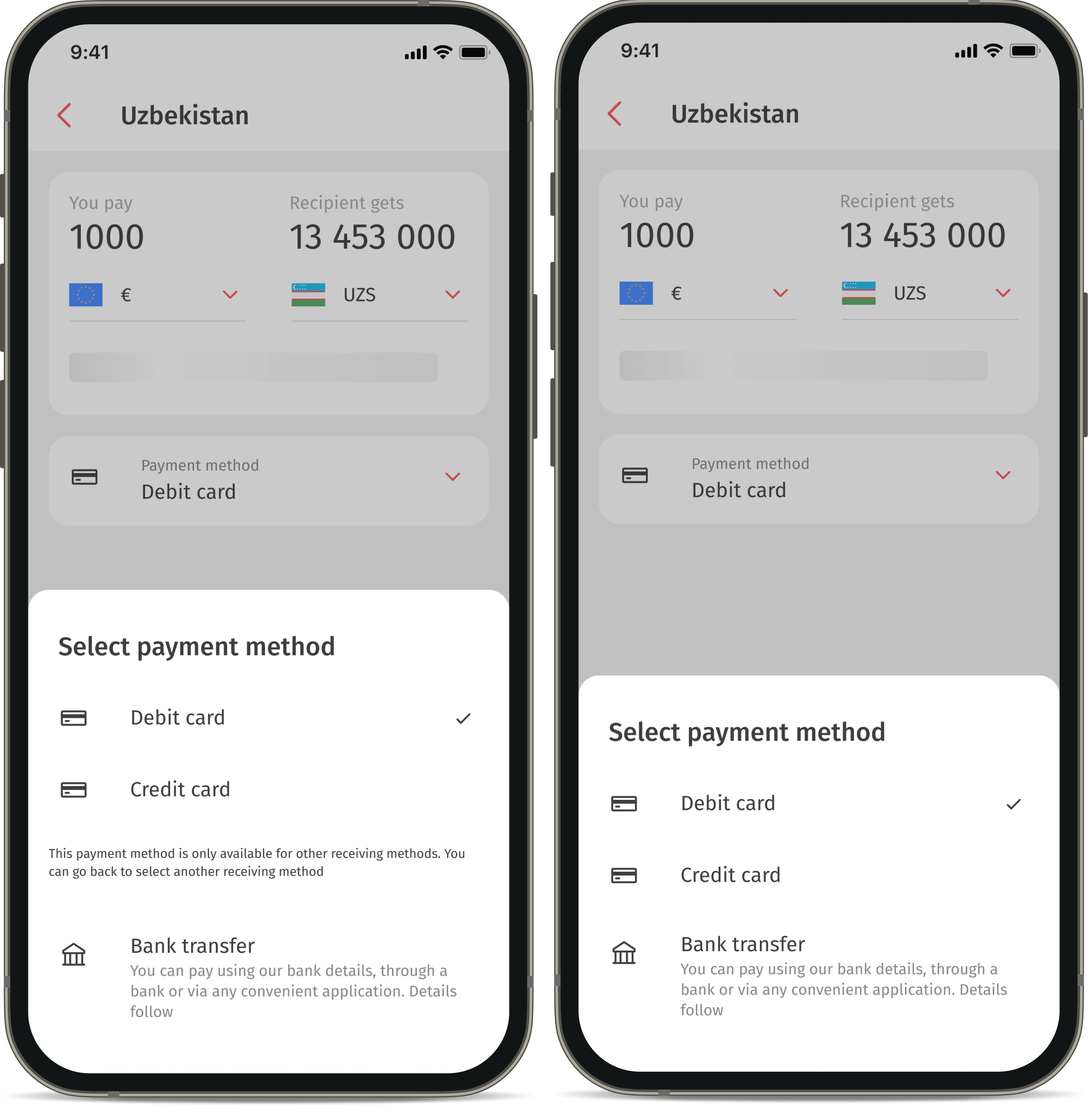
Select Payment Method: Choose your linked debit card as the funding source.
-
Review and Confirm: Carefully review all transfer details—recipient, amount, fees, and funding source—before confirming the transaction. Many platforms send a confirmation notification or email after a successful transfer.
Key Considerations and Best Practices
While sending money with a debit card is generally straightforward, being aware of certain considerations and adhering to best practices can enhance your experience and protect your finances.
Fees and Exchange Rates: What to Watch Out For
-
Transaction Fees: Many P2P apps offer free standard transfers from a debit card or bank account but charge a fee (e.g., 1.5% to 3%) for instant transfers. International services nearly always have fees, either as a flat rate, a percentage, or built into the exchange rate.
-
Exchange Rates: For international transfers, the exchange rate can significantly impact the final amount the recipient receives. Compare rates across different services, and be wary of platforms that advertise “zero fees” but offer uncompetitive exchange rates. Look for transparency in how exchange rates are determined.
-
Hidden Costs: Always read the fine print. Some banks may also charge fees for debit card transactions made through certain third-party services, though this is less common with popular P2P apps.
Security Measures: Protecting Your Transactions
Security is paramount when dealing with financial transfers:
-
Use Strong Passwords: Create unique, complex passwords for all financial apps and enable two-factor authentication (2FA) whenever available.
-
Beware of Scams: Be extremely cautious of unsolicited requests for money, especially from unknown individuals or organizations. Never send money to someone you don’t know or trust, especially if they promise something in return that seems too good to be true. Scammers often pressure victims into using instant payment methods.
-
Verify Recipient Information: Always double-check the recipient’s details (email, phone number, account number) before confirming a transfer. Funds sent erroneously via instant transfer methods are often irreversible.
-
Monitor Account Activity: Regularly review your bank and debit card statements for any unauthorized transactions. Report suspicious activity immediately.
-
Secure Wi-Fi: Avoid making financial transactions over public or unsecured Wi-Fi networks, which can be vulnerable to data breaches.
Transaction Limits and Speed
-
Limits: All payment platforms impose daily, weekly, or monthly transaction limits. These limits can vary based on your verification level (e.g., verified accounts often have higher limits) and the type of transfer. Be aware of these limits to avoid delays.
-
Speed: While many debit card transfers are instant, some can take longer. Factors like the recipient’s bank, the time of day, and the specific service used can influence transfer speed. International transfers, even with fast services, might take a few hours to a few business days due to different banking systems and time zones.
Recipient Information Accuracy
The most critical step in any money transfer is ensuring the accuracy of the recipient’s information. A single incorrect digit in a phone number, email address, or bank account number can lead to funds being sent to the wrong person, and because of the speed of these transactions, retrieving those funds can be incredibly difficult, if not impossible. Always confirm details directly with the recipient, preferably through a separate communication channel, before initiating the transfer.
Advantages and Disadvantages of Debit Card Money Transfers
Like any financial tool, using a debit card for money transfers comes with its own set of pros and cons.
The Benefits: Speed, Convenience, and Accessibility
-
Instant Transfers: Many transfers, especially domestic P2P payments, are processed almost instantly, making them ideal for urgent needs or splitting immediate expenses.
-
High Convenience: The ability to send money from anywhere with an internet connection using a smartphone or computer offers unparalleled convenience. No need for physical cash or bank visits.
-
Widespread Acceptance: Debit cards are widely accepted across various payment platforms and services, both domestically and internationally.
-
Ease of Use: The processes are typically intuitive and user-friendly, even for those less familiar with digital finance.
-
Direct Access to Funds: Funds are directly debited from your bank account, ensuring you only send money you actually have.
Potential Drawbacks: Fees, Limits, and Fraud Risks
-
Transaction Fees: While many basic services are free, instant transfers and international transactions often incur fees, which can add up.
-
Transaction Limits: For large transfers, daily or monthly limits imposed by platforms can be restrictive, requiring multiple transactions or alternative methods.
-
Irreversibility: The speed of debit card transfers means they are often irreversible once sent. This makes them risky if funds are sent to the wrong recipient or in cases of fraud.
-
Fraud Risk: While platforms employ security measures, the risk of scams and unauthorized use of card details remains a concern, necessitating constant vigilance from users.
-
No Credit Protection: Unlike credit card transactions, which offer robust fraud protection and chargeback options, debit card transactions typically have fewer protections, making recovery of fraudulently spent funds more challenging.
In conclusion, the debit card has cemented its place as a cornerstone of modern financial transactions, offering a swift, convenient, and accessible way to send money. By understanding the various methods available, exercising caution with fees and security, and verifying recipient information diligently, individuals and businesses can confidently leverage their debit cards to manage their finances effectively in today’s interconnected world. The ongoing evolution of fintech will undoubtedly continue to expand the capabilities and convenience of this ubiquitous payment instrument.
aViewFromTheCave is a participant in the Amazon Services LLC Associates Program, an affiliate advertising program designed to provide a means for sites to earn advertising fees by advertising and linking to Amazon.com. Amazon, the Amazon logo, AmazonSupply, and the AmazonSupply logo are trademarks of Amazon.com, Inc. or its affiliates. As an Amazon Associate we earn affiliate commissions from qualifying purchases.