
The landscape of personal finance has been dramatically reshaped by digital payment platforms, offering unparalleled convenience for managing and transferring funds. Among these, Cash App has emerged as a prominent tool, facilitating swift and straightforward peer-to-peer transactions. Understanding how to effectively utilize this financial application is crucial for anyone looking to streamline their money management, whether it’s splitting a dinner bill, sending financial support to family, or paying for services. This guide delves into the mechanics of sending money via Cash App, emphasizing its financial implications, security protocols, and strategic integration into personal finance.
Navigating the Digital Wallet Landscape: Why Cash App Stands Out
In an era defined by instant gratification, the ability to send and receive money instantaneously has become a cornerstone of modern financial interactions. Traditional banking methods, while secure, often involve delays and more cumbersome processes for small, immediate transfers. Cash App addresses this need directly, providing a user-friendly interface that simplifies the complex world of financial transactions. Its appeal lies not only in its speed but also in its accessibility, allowing users to manage a significant aspect of their personal finances directly from their mobile devices. From a financial perspective, Cash App represents a shift towards decentralized, user-controlled fund transfers, empowering individuals to take more immediate command over their liquid assets. This ease of use, however, necessitates a clear understanding of its operational framework and the financial responsibilities that come with it.
Essential Steps to Securely Transfer Funds
Sending money through Cash App is a streamlined process designed for efficiency. However, each step carries financial significance, requiring attention to detail to ensure funds reach their intended recipient without issue.
Setting Up Your Financial Gateway
Before any transfer can occur, establishing and verifying your Cash App account is paramount. This initial setup is the foundation for secure financial transactions.
- Download and Account Creation: The first step involves downloading the Cash App from your device’s app store. Upon opening, you’ll be prompted to enter your phone number or email address, which will serve as your primary identifier.
- Linking a Funding Source: To send money, you must link a debit card or bank account. This is the financial engine that powers your transactions. Navigate to the banking tab (represented by a house icon or bank building icon), select “Link Bank,” and follow the prompts to connect your preferred financial institution. You can link multiple cards or accounts, providing flexibility for your financial transfers. Remember, linking a credit card is also an option but typically incurs fees for sending money, which is an important financial consideration.
- Verifying Your Identity: For higher transaction limits and enhanced security, Cash App may prompt you to verify your identity by providing your full name, date of birth, and the last four digits of your Social Security Number (SSN). This step is crucial for compliance with financial regulations and protecting your account from unauthorized access, effectively safeguarding your financial assets.
Initiating a Money Transfer
Once your account is set up and funded, sending money becomes a straightforward process.
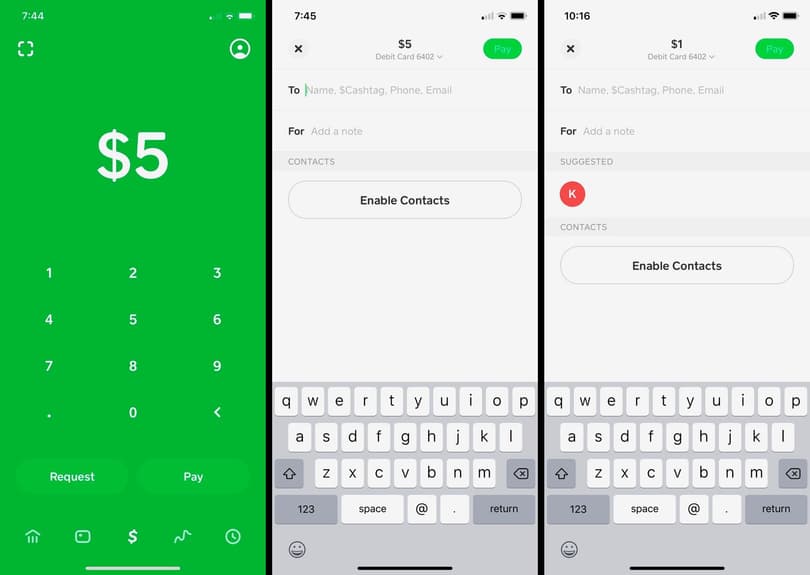
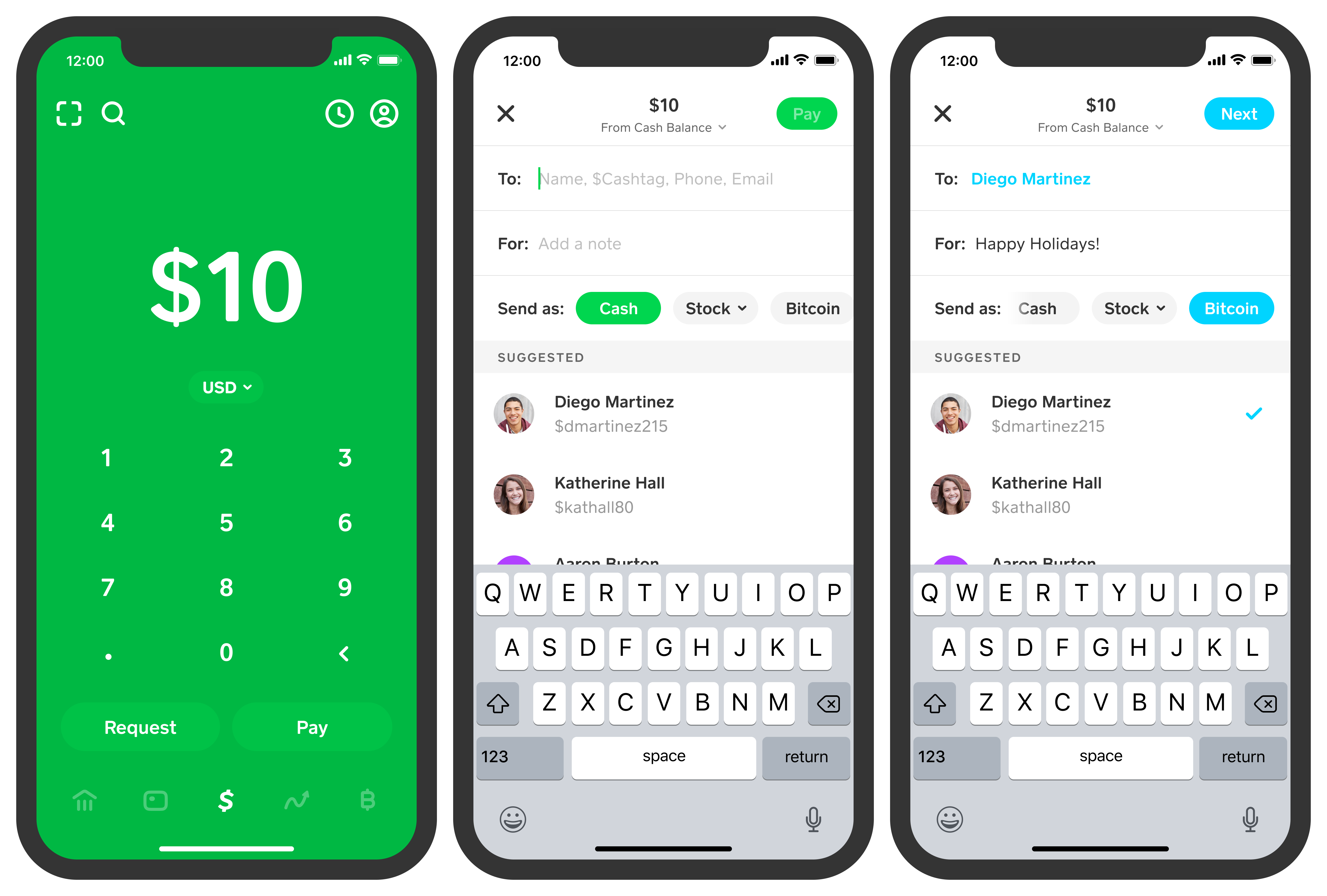
- Access the Send Tab: Open the Cash App and tap the “$” icon (or the dollar sign icon) in the middle of the bottom navigation bar. This is your primary interface for sending and requesting money.
- Enter the Amount: Input the exact dollar amount you wish to send. Accuracy here is critical, as erroneous transfers can be difficult to reverse.
- Identify the Recipient: Tap the “Pay” button. You will then be prompted to enter the recipient’s identifier. This can be their $Cashtag (their unique username), phone number, or email address. Always double-check this information meticulously. An incorrect identifier means your funds could be sent to an unintended party, leading to potential financial loss.
- Add a Memo (Optional but Recommended): A “For” field allows you to add a note or description for the payment. From a financial record-keeping perspective, this is highly beneficial for tracking expenses, categorizing payments, or simply reminding both parties about the purpose of the transaction.
- Confirm the Transaction: Review all details—the amount, the recipient’s information, and the memo. Once you are certain everything is correct, tap the “Pay” button to complete the transfer. Depending on your security settings, you may need to enter your PIN or use Touch ID/Face ID for authentication.
Understanding Instant Deposits and Transaction Records
When you send money, the recipient typically receives it instantly into their Cash App balance. From there, they can choose to keep it in the app or initiate a transfer to their linked bank account. Standard transfers to a bank account are usually free and take 1-3 business days, while instant deposits incur a small fee but make funds available immediately. For both sender and receiver, Cash App maintains a comprehensive transaction history, accessible via the “Activity” tab. This record is invaluable for personal budgeting, reconciling accounts, and verifying past financial movements.
Financial Implications and Best Practices for Cash App Users
While Cash App simplifies transactions, a keen awareness of its financial mechanisms and best practices is essential for prudent money management.
Decoding Transaction Limits and Fees
Cash App, like all financial tools, operates with certain limitations and fee structures that impact your overall financial experience.
- Sending Limits: Initially, Cash App imposes limits on how much money you can send over specific periods (e.g., $250 within any 7-day period, or $1,000 within any 30-day period). These limits can be increased by verifying your identity. Understanding these limits is crucial for planning larger financial transfers and avoiding unexpected roadblocks.
- Credit Card Fees: A significant financial consideration is the fee associated with sending money using a linked credit card. Cash App charges a 3% fee for these transactions. This is a crucial point for users, as consistently using a credit card for transfers can add up, impacting your overall personal finance. To avoid this fee, always use a linked debit card or your Cash App balance.
- Instant Deposit Fees: While receiving money into your Cash App balance is free, transferring it instantly to your linked bank account incurs a 0.5%–1.75% fee (with a minimum of $0.25). Standard transfers, taking 1-3 business days, are free. Weighing the urgency against the cost is a fundamental aspect of financial decision-making here.
Safeguarding Your Financial Transactions
Security is paramount when dealing with money. Adhering to best practices can protect your funds and personal financial information.
- Verify Recipients Meticulously: The irreversible nature of P2P payments means that once money is sent, it’s difficult to recover if sent to the wrong person. Always confirm the recipient’s $Cashtag, phone number, or email. Scammers often exploit carelessness, so vigilance is key to protecting your assets.
- Enable Security Features: Utilize Cash App’s built-in security features, such as a PIN lock, Touch ID, or Face ID. This adds an extra layer of protection, preventing unauthorized access to your account and funds even if your phone is lost or stolen.
- Be Wary of Scams: Be cautious of requests for money from unknown sources or offers that seem “too good to be true.” Cash App transfers are designed for known and trusted individuals. Legitimate financial institutions will never ask for your PIN or full login details.
- Review Activity Regularly: Periodically check your “Activity” tab for any unfamiliar transactions. Early detection of suspicious activity allows for quicker action to protect your financial interests.
Integrating Cash App into Your Personal Finance Strategy
Cash App can be more than just a tool for quick transfers; it can be an integrated part of your broader financial strategy.
- Budgeting and Expense Tracking: Use the memo feature for specific categories or purposes (e.g., “Rent Share,” “Grocery Reimbursement”). This helps in tracking expenditures and reconciling your budget.
- Managing Shared Expenses: For roommates or groups, Cash App streamlines the process of splitting bills, ensuring everyone contributes their fair share efficiently.
- Small Business Payments: For micro-businesses or freelancers, Cash App can serve as a convenient way to receive payments, though for larger or more complex business operations, dedicated business banking solutions are often more appropriate.
Troubleshooting Common Financial Hurdles
Even with careful planning, issues can arise. Knowing how to address them quickly can minimize financial stress.
Dealing with Declined Payments
A transaction can be declined for several reasons, often related to banking or account limits.
- Insufficient Funds: The most common reason. Ensure your linked bank account or Cash App balance has enough money to cover the transfer.
- Bank Restrictions: Your bank might flag a transaction as suspicious or have its own daily transfer limits. Contact your bank directly to clarify.
- Cash App Limits: You may have hit your daily or weekly sending limit. Consider verifying your identity to increase these limits.
- Incorrect Card Information: An expired card, wrong CVV, or incorrect billing address can lead to declines. Double-check all entered details.

Resolving Incorrect Transfers
Mistakes happen, but reversing Cash App payments, especially peer-to-peer transfers, can be challenging.
- Act Immediately: If you send money to the wrong person, contact the recipient directly and politely explain the situation, requesting they send the money back. This is often the most effective route, as Cash App support has limited power to reverse P2P transactions between verified users.
- Contact Cash App Support: If the recipient is unresponsive or unknown, reach out to Cash App support through the app. While they cannot guarantee a reversal, they can sometimes investigate or mediate.
- Prevention is Key: The best solution is prevention. Always, always verify the recipient’s identity ($Cashtag, phone, or email) before confirming any payment. This diligence is your strongest defense against financial errors.
By understanding the operational nuances, financial implications, and best practices associated with Cash App, users can leverage this powerful tool to enhance their personal finance management, ensuring secure and efficient money transfers in the digital age.
aViewFromTheCave is a participant in the Amazon Services LLC Associates Program, an affiliate advertising program designed to provide a means for sites to earn advertising fees by advertising and linking to Amazon.com. Amazon, the Amazon logo, AmazonSupply, and the AmazonSupply logo are trademarks of Amazon.com, Inc. or its affiliates. As an Amazon Associate we earn affiliate commissions from qualifying purchases.