
In an increasingly digital financial landscape, mobile payment applications like Cash App have transcended their initial role as simple peer-to-peer payment platforms. They have evolved into comprehensive financial tools, empowering users with capabilities ranging from direct deposit and stock trading to, most notably, cryptocurrency transactions. Bitcoin (BTC), the pioneering digital asset, has found a home within Cash App, making it accessible to millions who might otherwise find the world of crypto daunting. This guide delves into the specifics of sending Bitcoin on Cash App, offering a professional and insightful look at the financial implications, security considerations, and strategic advantages of leveraging this feature for your personal finance and investment goals.
Understanding Bitcoin Transactions in Your Personal Finance Ecosystem
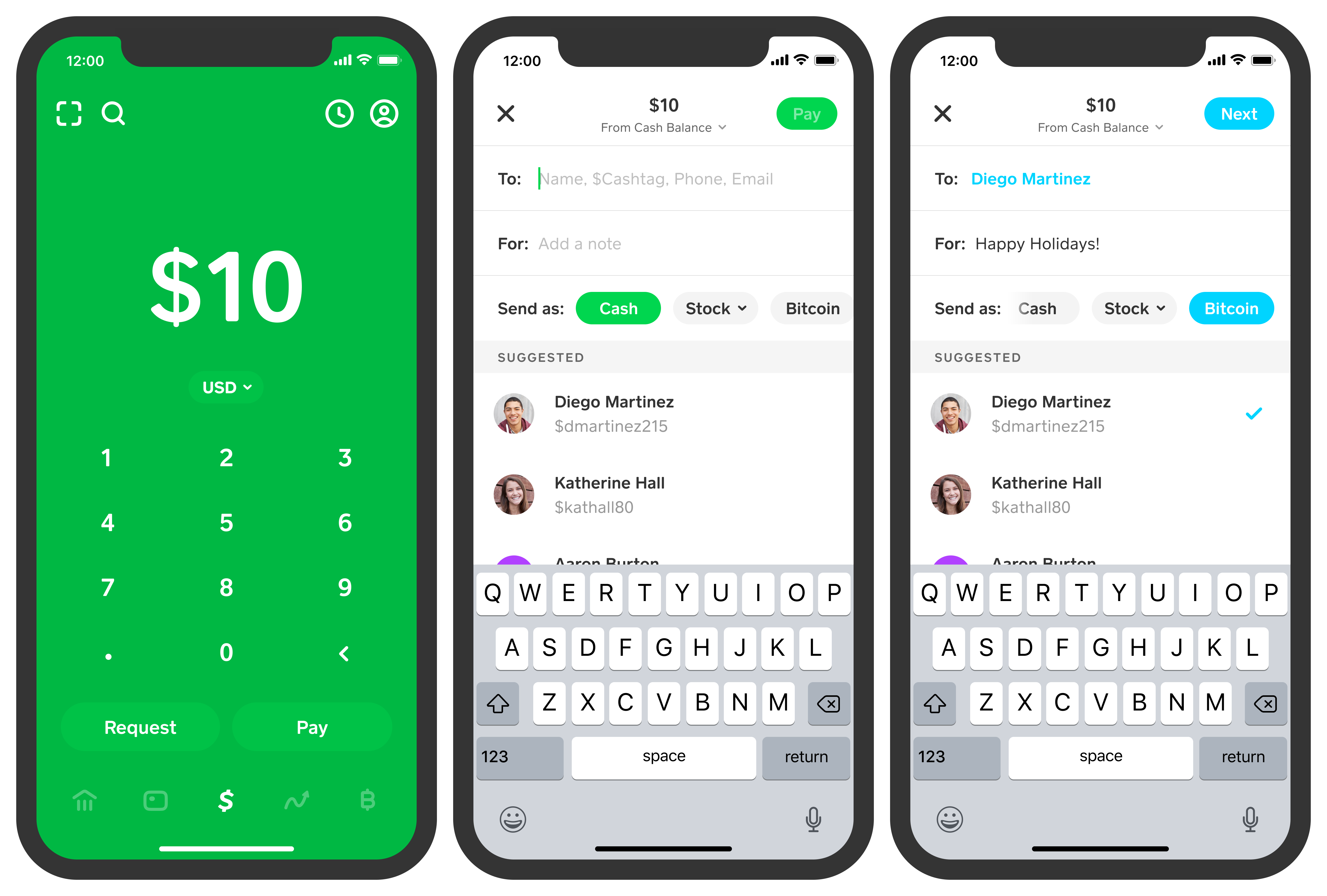
The integration of Bitcoin into mainstream financial applications like Cash App signifies a pivotal moment for both cryptocurrency adoption and personal finance management. It bridges the gap between traditional banking services and the burgeoning digital asset economy, offering users a familiar interface for engaging with a revolutionary asset class.
The Role of Mobile Payment Apps in Cryptocurrency Adoption
Mobile payment apps have democratized access to financial services, and their foray into cryptocurrency has accelerated mainstream adoption. Platforms like Cash App remove many of the technical barriers typically associated with buying, holding, and transferring Bitcoin. By simplifying the user experience, they enable a broader demographic to participate in the crypto market, from casual investors to individuals seeking alternative ways to manage and move their wealth. For many, Cash App serves as their very first exposure to Bitcoin, making its user-friendly interface crucial for fostering trust and understanding in digital assets. From a financial perspective, this accessibility means more individuals can diversify their portfolios or utilize Bitcoin for remittances and payments, expanding their financial options beyond conventional fiat currencies.
Why Send Bitcoin? Common Financial Scenarios
Sending Bitcoin isn’t just a technical exercise; it often serves specific financial objectives. Understanding these scenarios is key to appreciating the feature’s value:
- Portfolio Rebalancing and Consolidation: Investors might send Bitcoin from Cash App to a dedicated hardware wallet for enhanced security, or to another exchange to consolidate their crypto holdings for more advanced trading strategies. This is a common practice for long-term investors focused on asset protection and strategic management.
- Peer-to-Peer Transactions: Bitcoin offers a decentralized alternative for sending money to friends, family, or even for certain goods and services, often with lower fees and faster settlement times than traditional international wire transfers. This can be particularly beneficial for cross-border payments where traditional banking can be slow and expensive.
- Contributing to Decentralized Finance (DeFi): While Cash App itself isn’t a DeFi platform, sending Bitcoin to an external wallet or exchange allows users to then participate in various DeFi protocols, such as lending, borrowing, or yield farming, unlocking new avenues for passive income and financial growth.
- Donations and Charitable Giving: Many organizations now accept Bitcoin donations, providing a transparent and efficient way to support causes. Sending BTC via Cash App makes such contributions straightforward.
Each of these scenarios underscores Bitcoin’s utility as a versatile financial instrument, beyond just a speculative investment.
Cash App’s Position as a Gateway to Crypto Investing
Cash App has strategically positioned itself as an entry point for individuals curious about Bitcoin. Its seamless integration of fiat and crypto balances means users can instantly convert USD to BTC and vice versa, blurring the lines between traditional and digital assets. This ease of use encourages experimentation and gradual investment, allowing users to allocate small portions of their savings into Bitcoin without needing to navigate complex crypto exchanges. For many, Cash App is the first step on their journey into digital asset investing, providing a low-friction environment to learn the fundamentals of buying, holding, and eventually, sending Bitcoin. Understanding its financial implications, including potential gains and losses, is paramount for responsible investing.
Preparing Your Cash App for Secure Bitcoin Transfers
Before you can confidently send Bitcoin from your Cash App, a few preparatory steps are essential. These steps are designed to protect your assets, ensure compliance with financial regulations, and provide a smooth transaction experience. Ignoring them can lead to delays, security vulnerabilities, or even loss of funds.
Essential Account Verification for Financial Security
Security is paramount when dealing with digital assets. Cash App, like any regulated financial institution, requires users to verify their identity to unlock full cryptocurrency functionalities, including sending Bitcoin. This Know Your Customer (KYC) process typically involves providing your full name, date of birth, and the last four digits of your Social Security Number (SSN). For higher transaction limits or to enable BTC withdrawals, you might be asked to provide your full SSN and potentially upload a photo of a government-issued ID (driver’s license or passport).
From a financial security perspective, this verification process serves multiple critical purposes:
- Fraud Prevention: It helps prevent unauthorized use of your account and reduces the risk of identity theft.
- Compliance: It aligns with anti-money laundering (AML) regulations, ensuring that financial activities are legitimate and traceable.
- Dispute Resolution: In case of account issues or disputes, a verified identity simplifies the resolution process.
Always ensure your personal information is up-to-date and accurate to avoid any holds or restrictions on your account.
Funding Your Cash App Balance: Traditional and Crypto Pathways
To send Bitcoin, you first need to have Bitcoin in your Cash App balance. There are two primary ways to acquire BTC within the app:
- Buying Bitcoin with Fiat Currency: The most common method involves using your linked debit card or bank account to purchase Bitcoin directly within Cash App. You can choose a specific USD amount, and Cash App will convert it to BTC at the prevailing market rate, minus any applicable fees. This is a straightforward way to invest your traditional savings into digital assets.
- Receiving Bitcoin from an External Wallet: If you already own Bitcoin on another platform or in a different wallet, you can receive it into your Cash App Bitcoin balance. Cash App provides a unique Bitcoin wallet address for this purpose. This allows for consolidation of your crypto holdings into a single, convenient platform.
Always be mindful of the current market price when buying Bitcoin, as its value can fluctuate rapidly, impacting your investment.
Activating Bitcoin Services: Unlocking Your Crypto Wallet
For many new users, Bitcoin features are not immediately active upon account creation. You might need to explicitly enable Bitcoin services within the app. This usually involves navigating to the Bitcoin section and following prompts to activate your Bitcoin wallet. This step is a prerequisite for both buying and sending BTC. Once activated, Cash App assigns you a unique Bitcoin wallet address, which is essential for receiving Bitcoin from external sources and for confirming your ability to send it. Treat this wallet address as you would a bank account number – share it carefully and only with trusted parties.
A Step-by-Step Guide to Executing a BTC Transfer on Cash App
Sending Bitcoin on Cash App is designed to be intuitive, mirroring the simplicity of sending fiat currency. However, given the irreversible nature of cryptocurrency transactions, precision and careful verification at each step are crucial for safeguarding your financial assets.
Navigating to the Bitcoin Section
The journey begins from your Cash App home screen.
- Open Cash App: Launch the application on your mobile device.
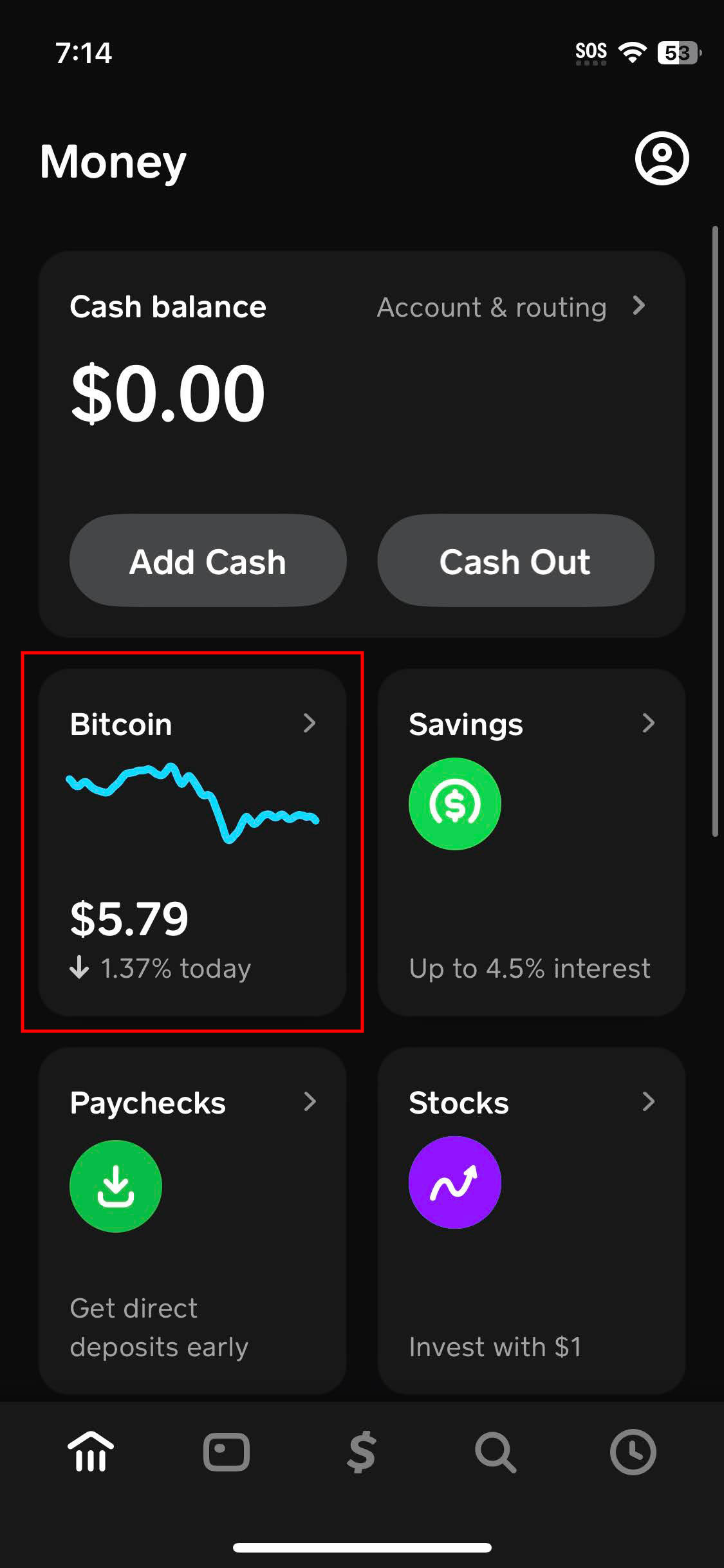
- Access the Bitcoin Tab: Look for the Bitcoin icon (usually represented by a ‘B’ with lines through it, or similar crypto-related icon) on the bottom navigation bar. Tap it to enter the Bitcoin section of the app.
- Confirm Your Bitcoin Balance: Here, you’ll see your current Bitcoin balance and market trends. This is your starting point for any Bitcoin-related activity.
Initiating the Send Function: Wallet Addresses and QR Codes
Once in the Bitcoin section, you’ll find options for buying, selling, and sending Bitcoin.
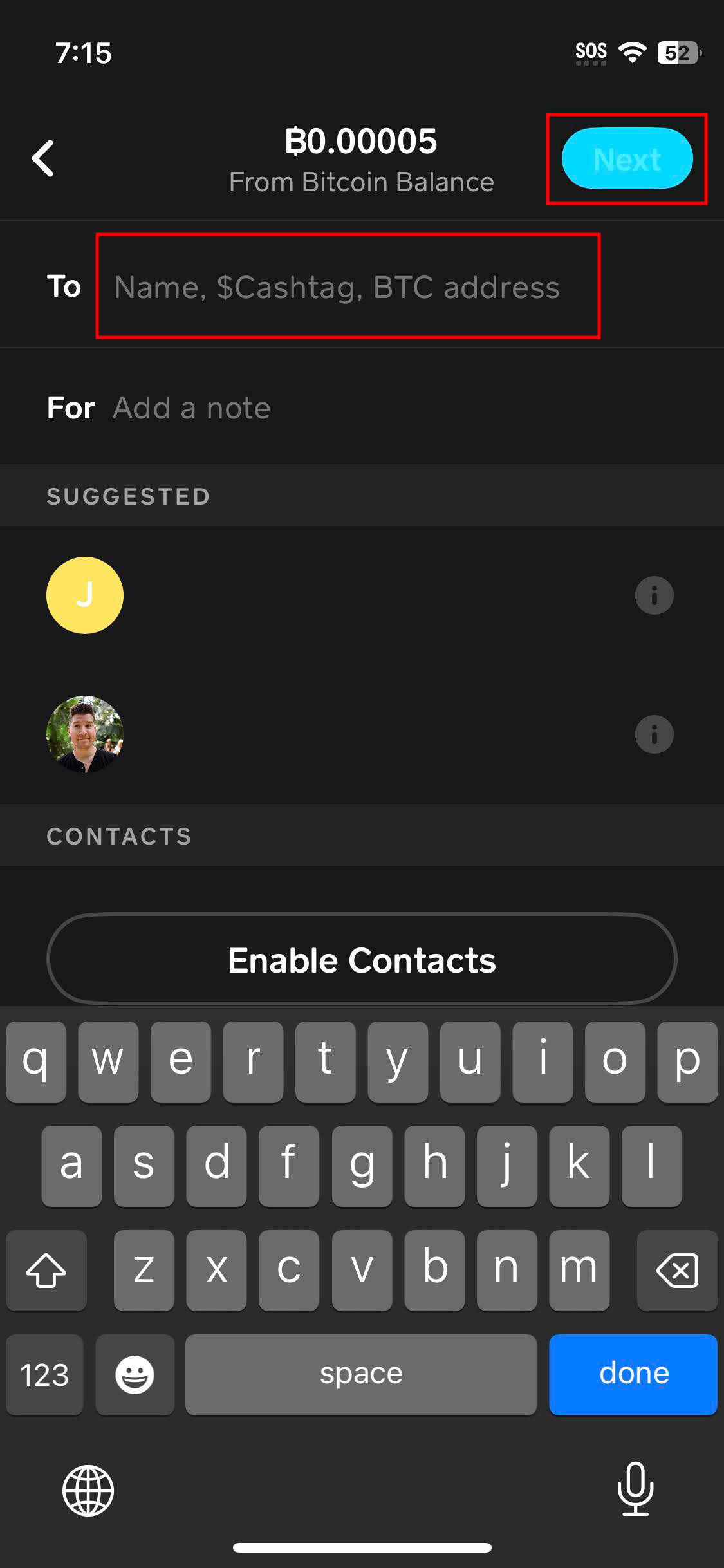
- Select the “Send” Option: Tap the “Send” button, which is typically located near your Bitcoin balance.
- Input the Recipient’s Wallet Address: This is the most critical step. Bitcoin transactions require a destination wallet address, which is a long string of alphanumeric characters unique to each Bitcoin wallet. You have two primary methods for entering this:
- Manual Entry: Carefully type or paste the recipient’s Bitcoin wallet address into the designated field. Double-check every single character, as even a single typo will result in your funds being sent to an incorrect, unrecoverable address.
- QR Code Scan: This is the recommended and safest method. If the recipient provides a QR code for their Bitcoin address, tap the QR code scanner icon (usually a camera icon) and scan the code. This eliminates the risk of manual input errors.
- Verify the Network: Ensure the address is a standard Bitcoin (BTC) address. Sending BTC to an address on a different blockchain (e.g., Bitcoin Cash, Ethereum) will result in permanent loss of funds.
Specifying the Amount and Reviewing Transaction Details
After providing the recipient’s address, you need to specify how much Bitcoin you wish to send.
- Enter the Amount: You can usually enter the amount in either BTC or its equivalent USD value. Cash App will automatically calculate the conversion based on the current market rate.
- Review Transaction Details: Before proceeding, a summary screen will appear. This is your final chance to review all the transaction details:
- Recipient’s Bitcoin Wallet Address (verify it again!)
- Amount of Bitcoin being sent
- Equivalent USD value
- Any associated Cash App or network fees
- Total amount to be debited from your balance
This review stage is paramount for financial prudence, akin to reviewing a bank transfer before authorizing it.
Confirming and Monitoring Your Bitcoin Transfer
Once you are absolutely certain all details are correct:
- Confirm the Transaction: Tap the “Confirm” or “Send” button. You may be prompted to enter your Cash App PIN, use Touch ID, or Face ID for an additional layer of security.
- Monitor Status: After confirmation, Cash App will initiate the transaction. Bitcoin transactions need to be processed and confirmed by the Bitcoin network. You can typically monitor the transaction status within Cash App, which might display as “Pending” or “In Progress.”
- Transaction ID (TXID): Cash App will provide a transaction ID (TXID) or hash. This is a unique identifier for your transaction on the Bitcoin blockchain. You can use this TXID on a blockchain explorer website (e.g., blockchain.com) to independently verify the status and confirmations of your transfer. This provides transparency and an audit trail for your financial activity.
While Cash App aims for quick processing, network congestion can sometimes cause delays. It’s important to understand that once a Bitcoin transaction is broadcast to the network, it is irreversible.
Financial Considerations and Best Practices for BTC Transactions
Engaging with Bitcoin on Cash App involves more than just understanding the steps; it requires a grasp of the underlying financial mechanisms and best practices to protect your assets and optimize your transactions.
Understanding Transaction Fees and Network Costs
When sending Bitcoin, you’ll encounter two types of fees:
- Cash App Fee: Cash App may charge a small service fee for facilitating the transaction, especially for expedited transfers or certain transaction sizes. These fees are usually transparently displayed before you confirm the send.
- Bitcoin Network Fee (Miner Fee): This is a mandatory fee paid to the Bitcoin miners who process and confirm transactions on the blockchain. The amount varies based on network congestion. During peak times, fees can be higher, and a higher fee often means faster confirmation. Cash App typically allows you to see this fee and might offer options to adjust it (though often it’s automatically calculated to ensure a reasonable confirmation time).
For sound financial planning, always account for these fees. For small transfers, fees can represent a significant percentage of the transaction value. For larger transfers, while the percentage might be small, the absolute cost can still be notable.
Security Protocols: Protecting Your Digital Assets
Your Bitcoin on Cash App is a valuable asset, and robust security is paramount.
- Two-Factor Authentication (2FA): Always enable 2FA on your Cash App account. This adds an extra layer of security, requiring a code from your phone or an authenticator app in addition to your password/PIN.
- Strong, Unique Passwords/PINs: Use a strong, unique PIN for Cash App and avoid using easily guessable information.
- Be Wary of Scams: The crypto space is unfortunately rife with scams. Never send Bitcoin to unknown individuals or services promising unrealistic returns. Verify every recipient’s address meticulously. Remember, “not your keys, not your crypto” is a fundamental principle, meaning that while Cash App holds your private keys for convenience, for maximum security, transferring significant holdings to a personal hardware wallet is often recommended for long-term investors.
- Regular Software Updates: Keep your Cash App and device operating system updated to benefit from the latest security patches.
Speed and Irreversibility: What Every Investor Should Know
Bitcoin transactions are fundamentally different from traditional bank transfers.
- Speed: While often faster than international bank transfers, Bitcoin transaction speed isn’t instantaneous. It depends on network congestion and the fee paid. A transaction is considered secure after a certain number of “confirmations” by the network (typically 3-6 confirmations, which can take anywhere from minutes to an hour or more).
- Irreversibility: Once a Bitcoin transaction is broadcast to the network and begins to confirm, it cannot be reversed. There is no central authority to call to dispute a transaction, unlike with credit cards or banks. This underscores the absolute necessity of verifying recipient addresses and amounts before confirming any send. Financial mistakes here can be permanent.
Understanding these characteristics is vital for anyone using Bitcoin for payments or investments.
Compliance and Regulatory Landscape for Crypto Transfers
The regulatory environment for cryptocurrency is evolving. Cash App, as a regulated entity, adheres to various financial laws. For users, this means:
- Transaction Limits: Cash App imposes limits on how much Bitcoin you can buy, sell, or send, particularly if your account isn’t fully verified. These limits are in place to comply with AML regulations.
- Reporting Requirements: Depending on your jurisdiction and transaction volume, your crypto activities might be subject to tax reporting. It’s crucial to keep accurate records of your Bitcoin purchases, sales, and transfers for tax purposes. Consult with a financial advisor or tax professional to understand your obligations. The increasing scrutiny by tax authorities on crypto gains and losses makes diligent record-keeping a vital part of your financial strategy.
Beyond the Transfer: Maximizing Your Cash App Bitcoin Experience
While sending Bitcoin is a core functionality, Cash App offers a broader ecosystem for managing your digital assets and integrating them into your overall financial strategy.
Receiving Bitcoin: Expanding Your Digital Portfolio
Just as you can send Bitcoin, you can also receive it into your Cash App wallet. This allows you to:
- Consolidate Holdings: Bring Bitcoin from other exchanges or wallets into one convenient place.
- Receive Payments: Accept Bitcoin as payment from others, whether for goods, services, or personal transfers.
- Build Your Portfolio: If you’re receiving Bitcoin as a gift or a small payment, it’s an easy way to gradually build your crypto holdings without direct fiat investment.
To receive Bitcoin, simply navigate to the Bitcoin section, select “Receive,” and share your unique Cash App Bitcoin wallet address or QR code with the sender.
The Future of Instant Peer-to-Peer Crypto Payments
The integration of Bitcoin into apps like Cash App is a stepping stone towards a future where digital currencies play a more prominent role in everyday transactions. As network scaling solutions (like the Lightning Network, though not directly implemented in Cash App’s core sending mechanism currently) mature, the speed and cost-effectiveness of Bitcoin transactions will continue to improve. This paves the way for a world where instant, low-cost peer-to-peer crypto payments become a global norm, disrupting traditional remittance and payment systems. Cash App is at the forefront of this shift, familiarizing millions with the potential of a decentralized financial future.
Integrating Cash App Bitcoin with Broader Financial Strategies
For the discerning investor, Cash App’s Bitcoin capabilities can be integrated into a larger financial strategy:
- Diversification: Bitcoin can serve as a non-correlated asset in a diversified investment portfolio, potentially offering a hedge against inflation or traditional market volatility.
- Dollar-Cost Averaging: Use Cash App to regularly buy small amounts of Bitcoin, a strategy known as dollar-cost averaging, which mitigates risk by averaging out your purchase price over time.
- Savings and Wealth Accumulation: For some, Bitcoin represents a long-term savings vehicle, potentially offering significant returns over time, though it comes with higher volatility compared to traditional assets.
- Emergency Funds: While volatile, some individuals may choose to hold a small portion of their emergency funds in easily accessible crypto for quick transfers, especially for international needs.
However, always remember that Bitcoin is a volatile asset. Investors should only allocate capital they are prepared to lose and ensure it aligns with their personal risk tolerance and financial goals.
By understanding how to effectively send Bitcoin on Cash App, you’re not just mastering a technical process; you’re gaining proficiency in a powerful financial tool that offers flexibility, potential growth, and an entry point into the evolving world of digital finance. With careful attention to security, fees, and market dynamics, Cash App can be a valuable component of your personal financial ecosystem.
aViewFromTheCave is a participant in the Amazon Services LLC Associates Program, an affiliate advertising program designed to provide a means for sites to earn advertising fees by advertising and linking to Amazon.com. Amazon, the Amazon logo, AmazonSupply, and the AmazonSupply logo are trademarks of Amazon.com, Inc. or its affiliates. As an Amazon Associate we earn affiliate commissions from qualifying purchases.