
Selling a car can often feel like a drawn-out, complex ordeal, fraught with uncertainty and potential financial pitfalls. Yet, for many, a swift sale is not just a convenience, but a financial imperative – whether to free up capital, reduce ongoing expenses, or facilitate the purchase of a new vehicle. This guide delves into the strategic financial considerations and practical steps necessary to expedite the sale of your car, ensuring you achieve both speed and a satisfactory return. By approaching the process with a clear financial mindset, you can transform what might be a daunting task into an efficient and profitable transaction.
Strategic Pricing for a Swift Sale
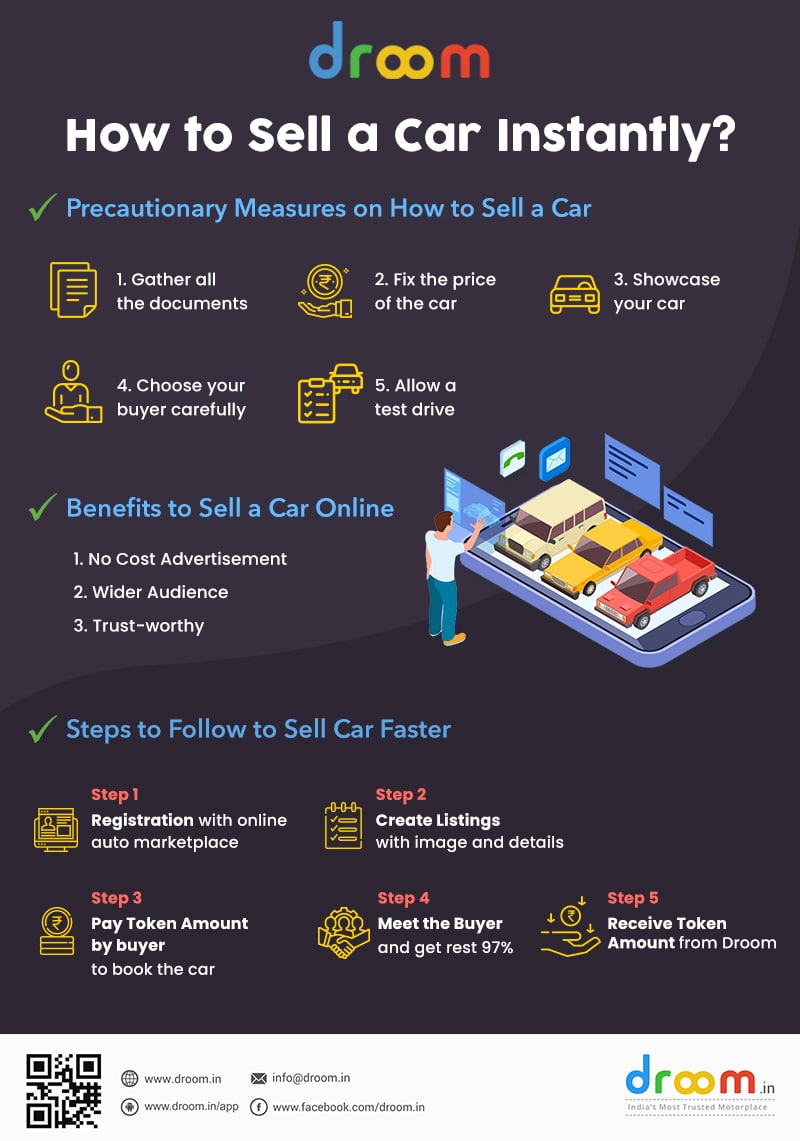
The cornerstone of any fast sale is a well-considered pricing strategy. Price your car too high, and it will languish on the market; price it too low, and you’ll leave money on the table. The goal is to find that sweet spot that attracts buyers quickly while still maximizing your financial return.
Market Research and Competitive Analysis
Before you even think of a number, immerse yourself in the current market. Utilize online car valuation tools like Kelley Blue Book (KBB), Edmunds, and NADAguides to get an initial estimate. These tools consider factors such as make, model, year, mileage, condition, and trim level. However, these are just starting points. The real insight comes from competitive analysis.
Browse local listings on platforms like AutoTrader, Craigslist, Facebook Marketplace, and dealership websites. Look for cars identical or highly similar to yours in terms of specifications, mileage, and condition. Pay close attention to how long these vehicles have been listed. If similar cars are selling quickly at a certain price point, that’s a strong indicator. If they’re sitting for weeks, their pricing might be too ambitious. Your aim is to price aggressively, but realistically, to stand out from the competition. Consider the concept of “just below” pricing – if similar cars are listed at $10,500, listing yours at $9,999 can create a psychological advantage, making it appear a better deal without sacrificing too much actual value.
Understanding Depreciation and Value Assessment
Cars are depreciating assets, meaning their value decreases over time. Understanding your car’s depreciation curve can help you set realistic expectations. Factors like brand reputation, reliability, economic conditions, and even fuel prices can impact depreciation. For instance, a fuel-efficient compact car might hold its value better during periods of high gas prices. Conversely, a large SUV might see its value dip.
When assessing your car’s specific value, be brutally honest about its condition. A “fair” condition car won’t command the same price as an “excellent” one, regardless of what the online estimators say. Document any flaws – dents, scratches, interior wear, mechanical issues – as these will inevitably affect the final sale price. Factor in the cost of any minor repairs you might undertake to improve its appeal versus the potential increase in sale price. Sometimes, a small investment in maintenance can yield a significant return in buyer confidence and perceived value.
The Psychology of Pricing: Odd vs. Even Numbers
Beyond pure market value, the psychology of pricing plays a significant role in attracting buyers. Prices ending in “9” or “99” (e.g., $9,999 instead of $10,000) are commonly perceived as being significantly lower than the round number, even if the difference is minimal. This “charm pricing” can make your listing more appealing at first glance.
Another strategy is to use “just below” pricing to fall into search filters. If many buyers set their maximum budget at, say, $15,000, pricing your car at $14,995 ensures it appears in those searches, whereas $15,000 might exclude it. Conversely, if your car is truly high-value and premium, a round number might convey a sense of prestige and firm value. The key is to understand your target buyer and adjust your pricing presentation accordingly, always with an eye on maximizing financial appeal and accelerating the sale.
Maximizing Your Vehicle’s Financial Appeal
While pricing attracts attention, the car’s presentation seals the deal. A well-prepared vehicle suggests it has been cared for, instilling confidence in potential buyers and justifying your asking price. This isn’t about hiding flaws, but showcasing its best financial attributes.
Cost-Effective Detailing and Minor Repairs
Before listing, invest a small amount of money and time into making your car presentable. A professional detail can cost anywhere from $100-$300, but often yields a return far exceeding this investment in terms of perceived value. If a professional detail isn’t in your budget, a thorough DIY clean is essential. This includes:
- Exterior: Wash, wax, tire shine. Pay attention to wheel wells and undercarriage grime.
- Interior: Vacuum upholstery and carpets, wipe down all surfaces (dash, doors, console), clean windows (inside and out), and empty all personal belongings. Remove any lingering odors.
- Engine Bay: A clean engine bay suggests good maintenance. Lightly clean visible surfaces to remove dust and leaves.
Consider minor, inexpensive repairs that can significantly boost appeal. Replacing a cracked headlight cover, a missing hubcap, or fixing a dangling interior trim piece can eliminate immediate red flags for buyers. These are often low-cost fixes that dramatically improve the car’s overall impression and can prevent buyers from using them as bargaining chips to slash your price. However, avoid major repairs that won’t yield a proportional return on investment, unless they are safety-critical or severely impact the car’s functionality.
Essential Documentation for a Seamless Transaction
Having all relevant documents organized and ready creates an impression of transparency and reliability, which can expedite the sale. Buyers want assurance, and proper paperwork provides it.
- Title (Pink Slip): This is paramount. Ensure it’s clear, in your name, and free of any liens. If there’s an outstanding loan, contact your lender to understand the payoff process and obtain a lien release.
- Maintenance Records: A full service history demonstrates consistent care and can significantly boost buyer confidence. Organize receipts, garage invoices, and service logs. Highlight major services like timing belt replacements or recent tire purchases.
- Vehicle History Report (e.g., CarFax, AutoCheck): Consider purchasing one yourself to show to prospective buyers. This preempts questions about accidents, flood damage, or salvage titles, providing full transparency and accelerating trust.
- Emissions Test/Smog Certificate: If required in your state, ensure this is current and passed.
- Original Owner’s Manual: A small detail, but it adds to the completeness and professionalism of the sale.
Having these documents prepared shows you are serious, organized, and have nothing to hide, paving the way for a quicker, smoother financial transaction.
High-Quality Visuals for Online Listings
In the digital age, your car’s online presence is its first, and often most critical, impression. Professional-grade photos and a compelling description are vital for attracting immediate financial interest.
- Photography: Use a good quality camera (a modern smartphone camera is usually sufficient) and take photos in good natural light, preferably on a clear day. Take photos from multiple angles: front, back, both sides, front 3/4, rear 3/4. Crucially, include detailed interior shots (dash, seats front/rear, trunk) and engine bay photos. Capture any unique features or upgrades. Aim for 15-20 high-resolution photos. Ensure the car is clean and the background is uncluttered.
- Video Walkaround: A short video (1-2 minutes) can be incredibly effective. Walk around the car, showcasing its exterior, then pan the interior, and even start the engine briefly to demonstrate it running smoothly. Upload this to YouTube and link it in your ad.
- Compelling Description: Craft an honest, detailed, and enticing description. Include key specs (make, model, year, mileage, engine, transmission, trim, features), highlight recent maintenance, special features (e.g., sunroof, heated seats, premium sound), and why you’re selling. Be transparent about any known issues, but frame them positively where possible (e.g., “minor scratch on passenger door reflected in price”). End with a clear call to action, e.g., “Serious inquiries only, test drives by appointment.” A well-written description complements your visuals and helps qualify serious buyers, saving you time and effort.
Navigating Sales Channels for Optimal Speed and Return
The choice of sales channel significantly impacts both the speed of your sale and the financial return you can expect. Each option has its own trade-offs, and understanding them is crucial for a financially astute decision.
Private Sale: Higher Returns, More Effort
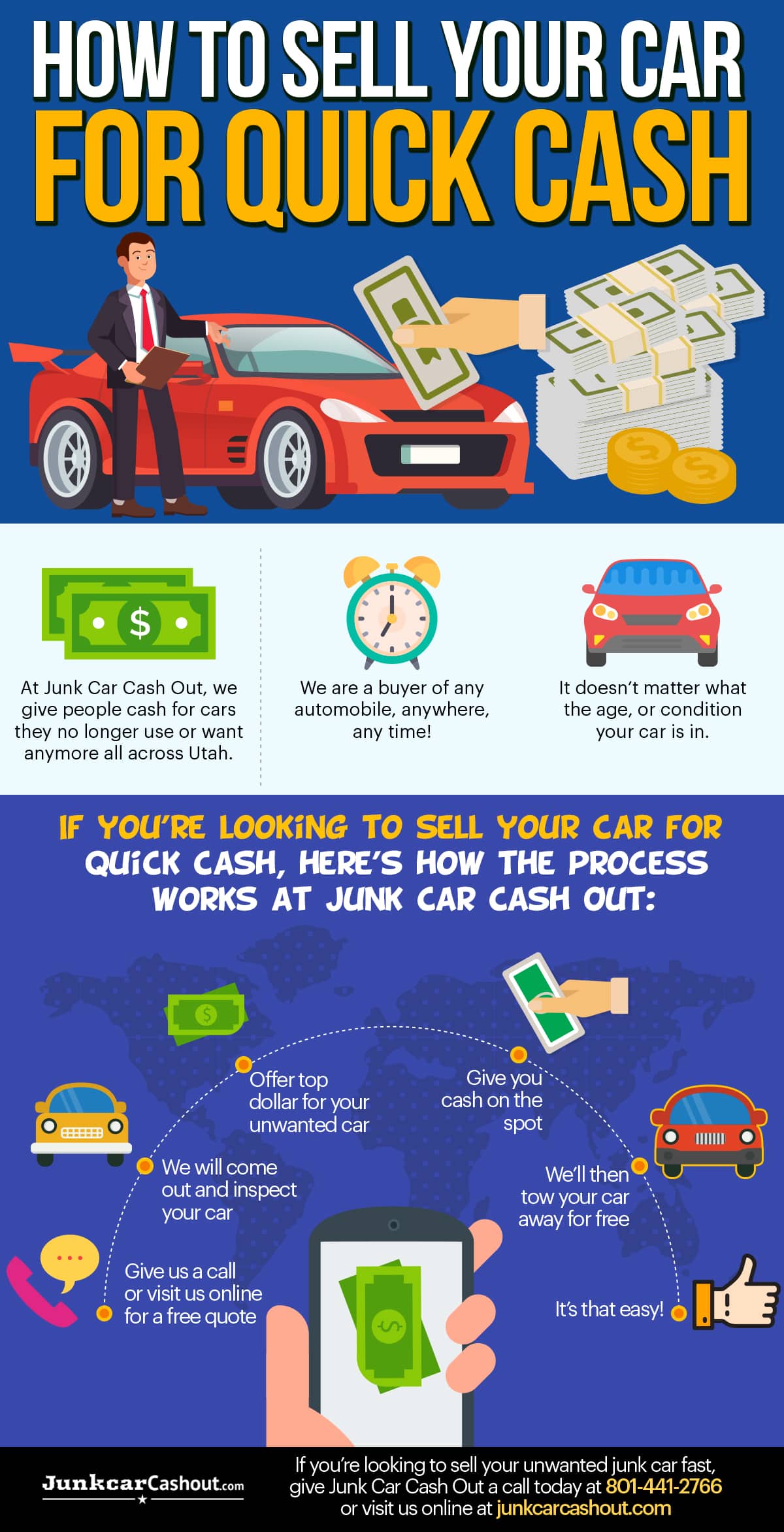
Selling your car privately typically yields the highest financial return, as you cut out the middleman (dealer profit margins). However, this avenue demands the most effort and time from your side. You are responsible for marketing, screening buyers, negotiating, and handling all paperwork.
- Pros: Maximize profit, direct control over the process.
- Cons: Time-consuming, potential for tire-kickers, safety concerns (meeting strangers), complex paperwork.
- Strategy for Speed: Price competitively, excellent presentation (photos/description), be responsive to inquiries, and be flexible with showing times. Utilize multiple online marketplaces to cast a wide net (Facebook Marketplace, Craigslist, AutoTrader, eBay Motors). Be prepared for negotiation and consider pre-qualifying buyers via phone before arranging a viewing to filter out non-serious parties.
Dealership Trade-In or Instant Offer: Speed vs. Value
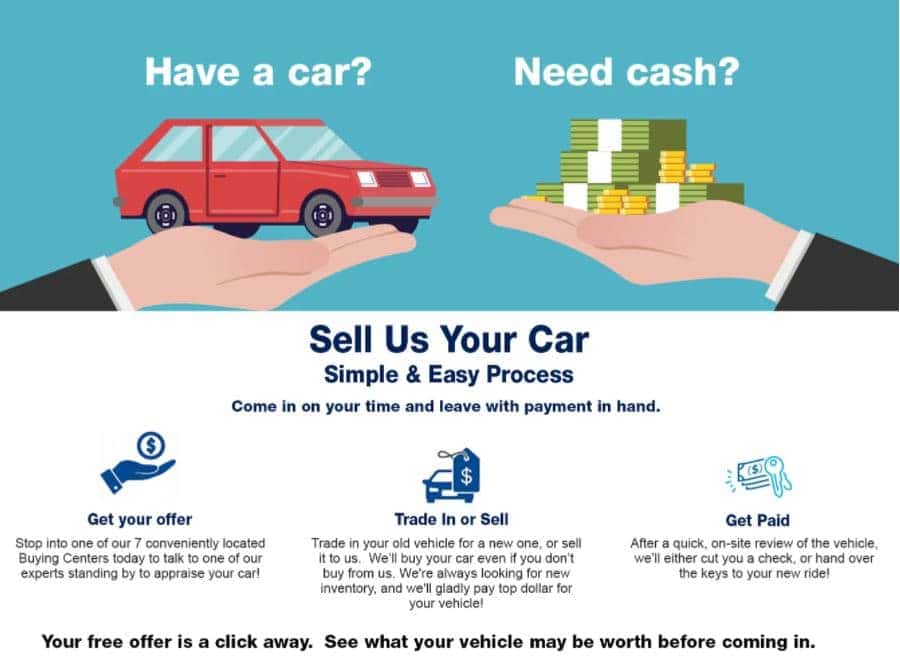
For sellers prioritizing speed and convenience above all else, trading in your car at a dealership or accepting an instant cash offer from services like Carvana, Vroom, or local dealerships can be an attractive option.
- Pros: Extremely fast and convenient, no marketing or negotiation hassle, often handles all paperwork, potential tax savings if trading in towards a new purchase (in some states, sales tax is only applied to the difference between the trade-in value and the new car price).
- Cons: Significantly lower financial return compared to a private sale. Dealerships need to buy low to resell at a profit.
- Strategy for Speed: Get multiple quotes from different dealerships and instant offer platforms. While the offers will be lower, comparing them can ensure you get the best low offer. Be transparent about the car’s condition to avoid surprises during the final inspection, which can delay or reduce the final offer. This method is ideal when time is money, and you need to offload the vehicle quickly with minimal fuss, even if it means accepting a lower payout.
Online Marketplaces and Auction Sites: Balancing Reach and Fees
Online platforms offer a middle ground, providing a broad reach to potential buyers with varying levels of seller involvement and associated fees.
- eBay Motors: Good for niche or classic cars, or if you’re comfortable with an auction format. You can set a reserve price to protect your financial interest. Fees apply based on sale price.
- Autotrader/Cars.com: Premium platforms with robust search filters, attracting more serious buyers. They charge listing fees but offer excellent visibility.
- Facebook Marketplace: Free, massive local reach, easy to use, but can attract many low-ball offers and time-wasters.
- Strategy for Speed: On paid platforms, a well-crafted ad with superior photos and a detailed description is paramount to justify the listing fee and attract quality leads. On free platforms, responsiveness and persistence are key. Consider accepting slightly less than your absolute target price if it means a swift transaction from a serious buyer. Understand the fee structures for each platform so you can factor them into your net financial return.
Mastering the Negotiation and Closing Process
Negotiation is where the rubber meets the road financially. Approaching it strategically can ensure you secure the best possible price quickly, rather than letting the deal drag on or fall apart.
Setting Your Bottom Line and Sticking to It
Before engaging with any buyer, determine your absolute minimum acceptable price. This “bottom line” should cover any outstanding loans, leave you with your desired financial outcome, and account for the effort invested. Once you’ve established this number, commit to it. It prevents emotional decision-making and ensures you don’t sell yourself short.
Be prepared to justify your asking price with data: market research, recent maintenance records, and the car’s excellent condition. Don’t be afraid to politely decline offers that fall below your bottom line. Remember, a fast sale doesn’t mean a desperate sale. A confident seller who knows their car’s worth often commands a better price.
Handling Objections and Counter-Offers
Buyers will inevitably try to negotiate down your price, often by pointing out minor flaws or comparing your car to a cheaper, inferior alternative.
- Stay Calm and Professional: Emotional responses can derail a sale.
- Address Concerns Factually: If they point out a scratch, acknowledge it but pivot to the car’s overall excellent condition, recent maintenance, or unique features that justify your price.
- Counter with Value: Instead of just saying “no” to a low offer, reiterate the value proposition. “I appreciate your offer, but given the recent tires and full service history, I believe my asking price is fair. However, I could come down slightly to X.”
- Be Prepared to Walk Away: If a buyer is excessively difficult, unreasonable, or their offer is too low, be ready to move on. Your time has value, and a prolonged, frustrating negotiation often isn’t worth a marginal increase in sale price.
Secure Payment Methods and Transaction Finalization
Once a price is agreed upon, securing payment safely and efficiently is critical. This is where financial security is paramount.
- Avoid Cash for Large Sums: While seemingly convenient, cash transactions carry risks (counterfeit bills, personal safety). For smaller amounts, verify bills.
- Banker’s Draft/Cashier’s Check: These are generally considered safe, but verify them with the issuing bank before releasing the car or title. Do not accept personal checks.
- Electronic Funds Transfer (EFT/Wire Transfer): A secure option, but ensure the funds have fully cleared in your account before completing the sale. This can take 24-48 hours.
- Escrow Service: For high-value vehicles, a reputable third-party escrow service can provide security for both buyer and seller.
Never release the title or the car until you have confirmed funds in your account. Once payment is secured, complete the necessary paperwork: - Bill of Sale: A written document outlining the sale details (buyer/seller info, vehicle VIN, agreed price, date, signatures). This protects both parties.
- Title Transfer: Sign the title over to the buyer as per your state’s DMV requirements. Make sure the buyer understands their responsibility to register the vehicle.
- Notice of Sale: In some states, you are required to notify the DMV that you have sold the vehicle to absolve yourself of future liability (e.g., parking tickets, accidents). Keep a copy of this for your records.
Financial Considerations Post-Sale
The financial implications don’t end the moment the buyer drives away. Several administrative and financial follow-up steps are necessary to fully close out the transaction and manage your personal finance properly.
Transferring Title and Ownership Responsibilities
After signing over the title, it’s crucial to ensure the transfer of ownership is formally recognized by your state’s Department of Motor Vehicles (DMV). Even if the buyer is responsible for completing the registration, it is your responsibility to inform the DMV of the sale. This could involve submitting a “Notice of Transfer and Release of Liability” form. Failure to do so can leave you legally and financially liable for any incidents (e.g., accidents, parking tickets, tolls) involving the car after you’ve sold it. Always keep a copy of the bill of sale and the completed notice for your records. This ensures a clean break from financial and legal responsibility.
Insurance and Registration Updates
Immediately after the sale, contact your insurance provider to remove the sold vehicle from your policy. This will stop you from paying unnecessary premiums and potentially result in a refund for any unused coverage. If you’re purchasing a new car, you’ll need to update your policy accordingly. Similarly, if your license plates remain on the vehicle (some states require this, others require you to remove them), ensure your registration is cancelled or updated with the DMV as soon as possible. Some states will issue a prorated refund for unused registration fees, providing a small but welcome financial boost.
Investing or Reinvesting Your Proceeds
With the car sold and the funds secured, consider your next financial move. If the purpose of selling was to reduce debt, allocate the proceeds towards that goal. If you sold the car to free up capital, consider what will yield the best financial return or fulfill your immediate needs.
- Debt Reduction: Paying down high-interest credit card debt or a personal loan can offer a guaranteed “return” by eliminating interest payments.
- Savings/Emergency Fund: Bolstering your emergency fund provides financial security and peace of mind.
- Investments: If your financial goals include long-term growth, consider investing the proceeds in a diversified portfolio, a Roth IRA, or other suitable investment vehicles.
- New Vehicle Down Payment: If the sale was to fund a new car purchase, meticulously budget how much of the proceeds will go towards the down payment and how much might be needed for insurance, registration, and other initial costs of the new vehicle. Avoid simply rolling all the cash into the next purchase without a clear financial plan.
Selling your car fast is not merely a logistical challenge; it’s a strategic financial endeavor. By meticulously planning your pricing, maximizing your vehicle’s appeal, choosing the right sales channel, expertly navigating negotiations, and responsibly managing post-sale financial steps, you can ensure a swift, secure, and financially rewarding outcome. This comprehensive approach transforms the act of selling a car into a streamlined, profitable component of your overall personal finance strategy.
aViewFromTheCave is a participant in the Amazon Services LLC Associates Program, an affiliate advertising program designed to provide a means for sites to earn advertising fees by advertising and linking to Amazon.com. Amazon, the Amazon logo, AmazonSupply, and the AmazonSupply logo are trademarks of Amazon.com, Inc. or its affiliates. As an Amazon Associate we earn affiliate commissions from qualifying purchases.