
In today’s dynamic financial landscape, turning a depreciating asset like a car into liquid capital quickly and efficiently is a skill of paramount importance. Whether you’re upgrading, downsizing, or simply need an influx of cash, understanding the financial levers of a swift car sale can significantly impact your bottom line. This isn’t merely about posting an ad; it’s a strategic financial maneuver that, when executed correctly, minimizes loss, maximizes return, and streamlines the conversion of an asset into immediate funds. This article will delve into the critical financial strategies and considerations necessary to expedite the sale of your vehicle, ensuring you achieve your monetary goals without unnecessary delay or compromise.
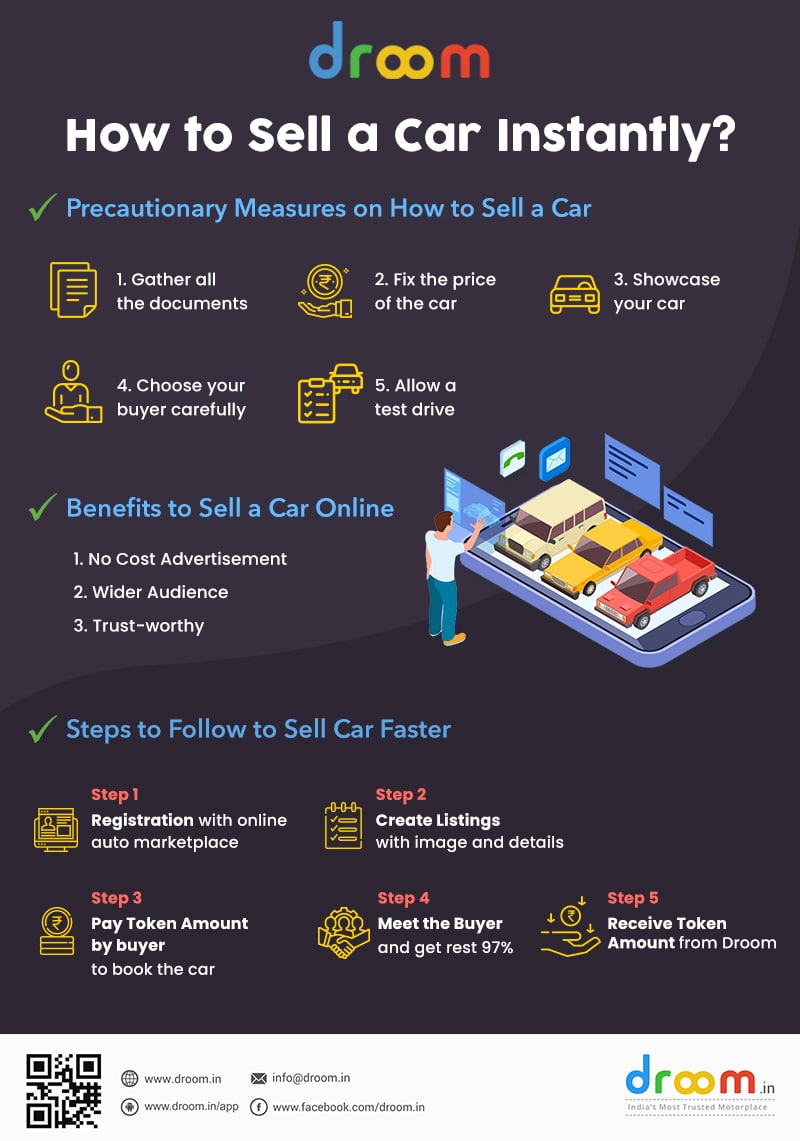
Understanding Your Car’s Financial Value and Market Position
The first and most crucial step in selling a car quickly is a precise understanding of its financial standing. This isn’t just about emotional attachment or what you think it’s worth, but a cold, hard look at market realities. A misalignment here can be the single biggest impediment to a rapid sale.
Accurate Valuation: More Than Just KBB
While tools like Kelley Blue Book (KBB), Edmunds, and NADAguides offer valuable starting points, they provide averages. Your car’s specific value is influenced by local market demand, its exact condition, optional features, mileage, and service history. To set a financially astute price that attracts quick buyers, you must cross-reference multiple valuation sources and then fine-tune based on comparable local listings. Look at what similar cars (same make, model, year, trim, mileage, condition) are actually selling for in your immediate vicinity, not just what they’re listed for. A precise, data-driven valuation ensures you’re neither leaving money on the table nor overpricing yourself out of the market. Consider a professional appraisal if your vehicle is high-value or unique, as the small upfront cost can prevent a significant financial misstep. The goal is to identify the “sweet spot” – a price that is competitive enough to sell quickly but high enough to meet your financial objectives.
The Cost-Benefit of Pre-Sale Investments
To sell quickly, a car must present well financially. This often involves a cost-benefit analysis of pre-sale investments. While a thorough detail, minor repairs, and addressing maintenance issues can significantly increase a car’s appeal and, consequently, its selling price, it’s crucial to evaluate these expenses against the potential return. For instance, spending $500 on new tires might be worth it if it adds $1000 to the sale price and prevents haggling. Conversely, a $2000 engine repair might only add $1500 to the value and push the car into a higher, less competitive price bracket, making a quick sale harder.
Focus on “return on investment” (ROI) repairs:
- Aesthetic enhancements: Professional detailing, minor paint touch-ups, interior cleaning. These are relatively inexpensive but dramatically improve curb appeal and perceived value.
- Essential functionality: Ensuring all critical systems (brakes, lights, AC) are working. Buyers will use these as leverage for price reductions.
- Paperwork: Having a complete, organized service history demonstrates good maintenance and builds trust, often allowing for a higher asking price.
Avoid major mechanical overhauls unless they fundamentally prevent the car from running or represent a huge safety hazard that would completely deter buyers. The aim is to make the car financially attractive as is, or with minimal, high-ROI investment, to avoid eating into your profit margin or delaying the sale.
Market Analysis for Optimal Pricing
Beyond your car’s inherent value, understanding the current market context is paramount for a quick sale. Is there high demand for your specific make and model? Are there many similar cars listed? If supply is high, you’ll need a more aggressive pricing strategy. If demand is high, you might have more leeway. Monitor how long comparable vehicles stay on the market. A car that sits for weeks signals that sellers are asking too much. Your pricing strategy should consider:
- Urgency: If you need to sell very quickly, pricing at the lower end of the market value spectrum can be a powerful accelerator.
- Seasonality: Convertibles might sell better in spring, while SUVs with AWD might have higher demand in winter. Adjust your strategy accordingly.
- Buyer demographics: Are you targeting cash buyers, those looking for financing, or budget-conscious individuals? Your pricing needs to align with their financial capacity.
Understanding these dynamics allows you to strategically position your car’s price point to attract immediate interest and facilitate a rapid transaction, directly impacting your financial timeline.
Strategic Pricing and Negotiation for a Rapid Sale
Once you’ve established your car’s baseline financial value, the next critical phase involves setting an attractive price and mastering the art of negotiation. These are financial chess moves designed to secure your target value efficiently.
Setting an Attractive, Competitive Price
The price tag is often the first, and sometimes only, filter buyers apply. To sell quickly, your price needs to stand out as a good financial opportunity. This often means pricing competitively, perhaps even slightly below the average market price for a comparable vehicle, if your primary goal is speed.
- Psychological Pricing: Ending prices with “99” (e.g., $9,999) can make them appear significantly lower than a round number ($10,000).
- Transparency: Be upfront about the car’s condition and any known issues. This builds trust and reduces buyer anxiety, leading to faster decisions. Financial transparency reduces perceived risk.
- Leave Wiggle Room (Strategically): If you anticipate negotiation, price slightly above your absolute minimum desired amount. This allows you to “give” a little during negotiation without going below your financial threshold. However, don’t overprice excessively, as this will deter initial inquiries and negate the goal of a quick sale. The balance is key to attracting offers while protecting your financial interests.
Mastering Negotiation: Securing Your Financial Goal
Effective negotiation is crucial for closing a deal quickly and favorably. Approach negotiations with a clear financial minimum in mind, but also be prepared to justify your asking price with data (comparable sales, maintenance records).
- Be Prepared: Have all your financial documents ready – title, service records, valuation reports. This demonstrates professionalism and confidence in your asking price.
- Listen More Than You Talk: Understand the buyer’s concerns. Are they fixated on a minor scratch or a perceived mechanical issue? Addressing these directly (perhaps with a small price adjustment or explanation) can bridge the financial gap quickly.
- Don’t Be Afraid to Say No: If an offer is too low and you’re not in dire straits, politely decline. A hasty acceptance of a lowball offer undermines your financial goals.
- Focus on Total Value: Sometimes, a buyer might ask for extras (e.g., floor mats, a full tank of gas). Weigh these small concessions against the speed of closing the deal. A minor add-on might be worth accepting a slightly higher offer.
- Walk Away (if necessary): If a buyer is excessively difficult or their offers are consistently unreasonable, be prepared to end negotiations. Your time has financial value too.
The goal is to reach a mutually agreeable price that satisfies your need for a quick sale without significant financial detriment.

Financial Red Flags and How to Avoid Them
Selling a car involves handling a significant sum of money, making it a target for fraudsters. Being financially astute during the negotiation and payment phase is paramount to avoiding scams and ensuring you actually receive your money.
- Fake Checks/Money Orders: Never accept personal checks, cashier’s checks, or money orders without verifying them with the issuing bank during banking hours. Even a “certified” check can be fraudulent.
- Escrow Scams: Be wary of buyers suggesting you use an unknown escrow service. Reputable services exist, but scammers often direct sellers to fake ones.
- Overseas Buyers/Shipping: Requests from overseas buyers who want to pay more than the asking price and have the car shipped should be treated with extreme suspicion. They typically involve fake payment methods.
- Partial Payments/Payment Plans: For a quick sale, insist on a single, full payment via a secure method. Avoid any arrangements that defer payment or involve installments, as these carry high financial risk.
- Meeting in Safe Locations: Always conduct test drives and finalize transactions in well-lit, public places, preferably during the day. Consider meeting at a bank for the final transaction.
Adhering to these precautions will protect your financial interests and ensure that your quick sale doesn’t turn into a financial nightmare.
Leveraging Sales Channels for Maximum Financial Efficiency
The choice of sales channel has profound financial implications for both the speed of the sale and the final realized value. Different avenues offer varying trade-offs between convenience, profit margin, and time-to-sale.
Private Sale: Maximizing Profit, Managing Effort
Selling privately almost invariably yields the highest financial return. By cutting out the middleman (dealer), you retain the profit margin that a dealership would otherwise claim. However, this channel demands the most effort and time from your side. You are responsible for marketing, communication, test drives, negotiation, and paperwork.
- Online Classifieds (Craigslist, Facebook Marketplace): These platforms are free or low-cost and offer wide local reach. They require strong ad copywriting, good photos, and diligence in screening potential buyers. The financial benefit is high profit; the cost is your time and potential exposure to less serious buyers.
- Dedicated Car Sales Sites (AutoTrader, Cars.com): These sites typically charge a fee but attract more serious buyers and often provide tools for easier listing management. They strike a balance between reach, buyer quality, and a manageable fee.
To sell quickly privately, your ad must be compelling, transparent, and your pricing strategic. Be prepared to respond promptly to inquiries and be flexible with showing the car. While financially rewarding, private sales demand active financial management of the sales process.
Dealer Trade-In/Consignment: Speed vs. Value
For an extremely quick sale, particularly when time is of the essence, a dealer trade-in or immediate cash offer from a dealership is often the fastest route. The financial trade-off, however, is significant. Dealers need to make a profit, so they will offer you substantially less than the car’s market value.
- Trade-In: Convenient if you’re buying another car from the same dealer. The dealer handles all paperwork and takes the car off your hands immediately. While the outright cash offer might be low, sometimes the trade-in value can reduce the taxable amount of your new car purchase, offering a small financial advantage depending on local tax laws.
- Instant Cash Offer (e.g., Carvana, Vroom, local dealerships): These services offer near-instant appraisals and quick pickup/payment. They are ideal for speed and minimal effort but come with the lowest financial return.
- Consignment: Some dealerships offer consignment services, where they sell your car for you, taking a percentage of the sale price. This can offer a higher return than an outright dealer purchase but is slower and carries financial risk if the car doesn’t sell.
Choosing these channels means prioritizing speed and convenience over maximizing your financial return. It’s a strategic decision based on your personal financial urgency.
Online Marketplaces: Reaching a Broader Buyer Pool
Hybrid online marketplaces (like eBay Motors, or specialized auction sites) offer a middle ground between private sales and dealer transactions. They can significantly broaden your reach beyond local buyers, potentially attracting a higher bid, especially for niche or classic vehicles.
- Fees and Exposure: These platforms typically charge listing fees and/or a percentage of the final sale price. You need to weigh these costs against the increased exposure and potential for a higher selling price.
- Logistics: Selling to a distant buyer involves coordinating shipping, which adds logistical complexity and can incur costs, potentially impacting your net financial gain.
- Payment Security: These platforms often offer robust payment processing and buyer/seller protection, which can add a layer of financial security not always present in purely private transactions.
To sell quickly on these platforms, a comprehensive, professionally presented listing with high-quality photos and an honest description is essential. The wider audience increases the chances of finding the right buyer quickly, but careful management of fees and logistics is necessary to ensure financial efficiency.
Expediting the Transaction and Financial Closure
The final hurdle in a quick car sale is efficiently navigating the administrative and financial closure processes. Delays here can turn a rapid sale into a protracted ordeal, eating into your time and potentially opening doors to financial vulnerabilities.
Streamlining Paperwork and Legalities
Before even listing your car, gather all necessary documents. Having everything organized and ready for immediate transfer significantly speeds up the closing process.
- Title (Pink Slip): This is the single most critical document. Ensure it’s clear of any liens and readily available. If there’s an outstanding loan, understand the payoff process and how to obtain a clear title quickly. A missing or contested title is a major financial and legal roadblock.
- Bill of Sale: Prepare a comprehensive bill of sale that includes buyer and seller details, vehicle information (VIN, make, model, mileage), sale price, and the date. This document protects both parties financially and legally.
- Maintenance Records: A complete service history adds credibility and financial value, reassuring the buyer about the car’s upkeep.
- Smog/Emissions Certificate (if required): Obtain this in advance if your state mandates it for sale. Delays here can halt a transaction.
- Lien Release: If you still owe money on the car, contact your lender to understand their procedure for releasing the lien upon payoff. This is crucial for transferring a clear title.
By proactively preparing these financial and legal documents, you present yourself as an efficient and trustworthy seller, which can lead to faster commitment from serious buyers.
Secure Payment Methods and Avoiding Fraud
Receiving payment securely and swiftly is the final financial critical step. For a quick and safe transaction, prioritize methods that offer immediate, irreversible funds.
- Cash: For smaller amounts, cash is king. Always verify large sums at your bank in front of the buyer.
- Cashier’s Check (Bank Check): While safer than a personal check, these can still be forged. Insist on meeting at the issuing bank during business hours to verify the check’s authenticity and watch them issue it. Better yet, have the buyer get the check from your bank.
- Wire Transfer: A bank-to-bank wire transfer is generally secure and immediate once processed. Ensure the funds are fully cleared in your account before releasing the vehicle or title.
- Escrow Services (Reputable ones): For higher-value transactions with distant buyers, using a reputable, third-party escrow service can add a layer of security by holding funds until both parties fulfill their obligations. Research and use only well-known, established services.
- Avoid: Personal checks, money orders from unknown sources, PayPal (unless specifically for a small deposit and followed by a secure primary payment), or any request for you to send money first. These are common avenues for financial fraud that will derail your quick sale and lead to significant financial loss. Ensure the funds are irrevocably in your possession before signing over the title or handing over the keys.

Post-Sale Financial Responsibilities
Even after the car and money have exchanged hands, there are lingering financial and administrative tasks to complete.
- Notify Your DMV/Motor Vehicle Department: In many jurisdictions, you are legally required to notify the DMV that you’ve sold the vehicle. This removes your financial liability for tickets, accidents, or other issues incurred by the new owner. Failure to do so can have serious financial and legal repercussions.
- Cancel Insurance: Once the sale is complete and documented, promptly cancel your car insurance policy for that vehicle to stop future premium payments.
- Remove Personal Items/Data: Before finalizing the sale, ensure you’ve removed all personal belongings and factory reset any infotainment systems to erase personal data (e.g., saved addresses, paired phones). This is a privacy and security measure, preventing potential identity or financial theft.
- Keep Records: Retain copies of the bill of sale, title transfer, and any other relevant documentation for your financial records. This can be crucial for tax purposes or in case of future disputes.
Selling a car quickly is a multifaceted financial endeavor that rewards meticulous planning and strategic execution. By focusing on accurate valuation, smart pricing, efficient channel selection, and secure transaction methods, you can transform your vehicle into liquid assets swiftly and with confidence, optimizing your financial outcome in the process.
aViewFromTheCave is a participant in the Amazon Services LLC Associates Program, an affiliate advertising program designed to provide a means for sites to earn advertising fees by advertising and linking to Amazon.com. Amazon, the Amazon logo, AmazonSupply, and the AmazonSupply logo are trademarks of Amazon.com, Inc. or its affiliates. As an Amazon Associate we earn affiliate commissions from qualifying purchases.